How to Choose the Right Size Sofa, Bed Frame, and Dining Table for a Singapore HDB Living Room
Last month I visited a friend's newly renovated 4-room HDB flat in Punggol. The corridor outside her unit was so tight that the delivery team could not bring in the solid wood bed frame she had ordered from an overseas store; they had to hoist the headboard through the service window and re-assemble it on the balcony. She ended up paying an extra S$220 in labour on top of the original S$1,640 invoice, and the nightstand arrived with a chipped corner because nobody had measured the lift door first. That afternoon, while sipping kopi at the Tampines Kopitiam, she asked me the question this whole article is built around: how do you actually choose the right size for a Singapore HDB living room, so nothing gets stuck, nothing looks oversized, and nothing fights the air-conditioner trunking above?
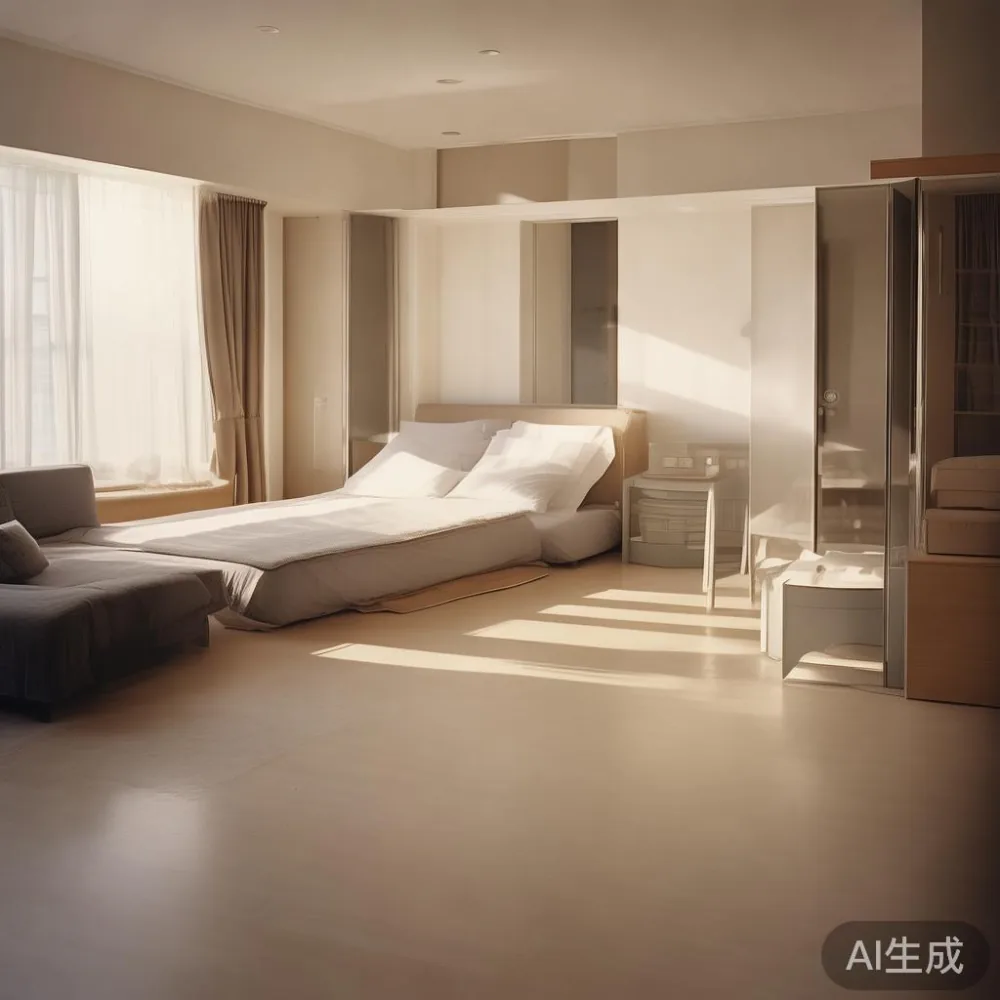
I have been writing about solid wood furniture for almost a decade, and I have watched the same sizing mistakes repeat themselves in Bedok, Toa Payoh, and Clementi flats every single year. Singapore homes are unusually compact, the lift cars are typically 1.2 m wide by 2.1 m deep, and the lift doors are around 0.9 m wide. Corridors run roughly 1.2 m to 1.5 m. HDB main doors are about 0.9 m wide and 2.1 m tall. If you do not measure first, your dream American country cherry wood bed frame can become a very expensive puzzle. The good news is that sizing an HDB living room is less about taste and more about numbers, fabric care discipline, and the type of furniture you are willing to live with for the next ten years.
Why HDB living rooms demand different sizing rules
A typical 4-room HDB living room in Singapore measures roughly 3.0 m by 4.0 m once you subtract the air-con ledge, the window frame, and the TV console wall. That is about 12 sqm of usable floor space, not the 16 sqm the floor plan suggests. For 5-room flats in Punggol or Tampines North, you usually get 13 sqm to 15 sqm after deductions. Condos in the same districts are tighter still, because developers often shrink the living room to enlarge the master bedroom.
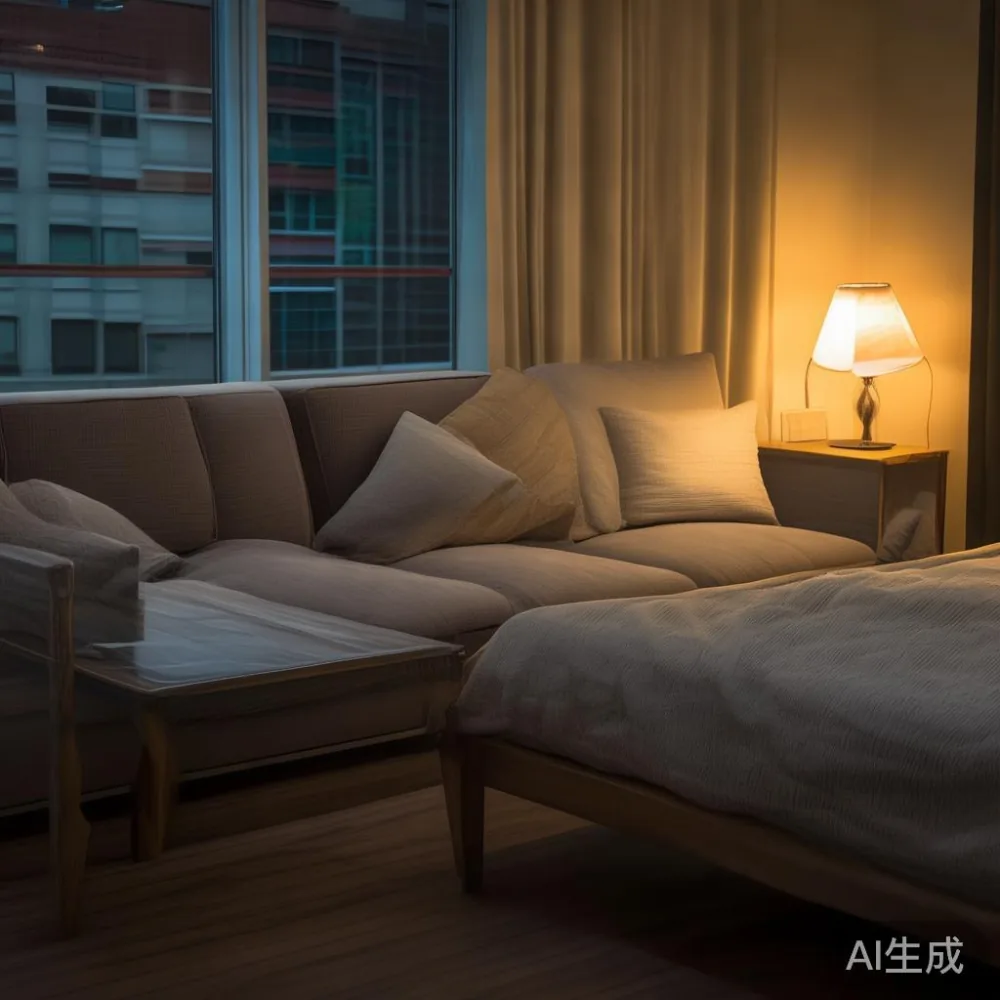
Three things matter before you fall in love with a piece of furniture. The first is the access path: lift door width, lift depth, corridor width, and the turning radius into your front door. The second is the usable footprint, meaning the rectangle your sofa or dining table must fit into after you subtract 70 cm to 80 cm of walking lane on every side. The third is the vertical clearance. Ceilings in HDB flats are typically 2.6 m, and once your air-conditioner trunking drops 15 cm, you only have 2.45 m of clean height. A floor-to-ceiling wardrobe taller than 2.4 m will press against the trunking and start collecting dust, which brings me to fabric care.
Fabric care is often treated as an afterthought in Singapore because of the heat and humidity, but for upholstered pieces like a solid wood sofa, a fabric headboard, or a cushioned bench, it directly affects which size you should pick. A larger sofa means more surface area, more seams, and more places for moisture and dust to settle. Choosing one size down usually gives you a piece you can actually flip, vacuum, and rotate every quarter, and that is the heart of sensible fabric care in a tropical climate.
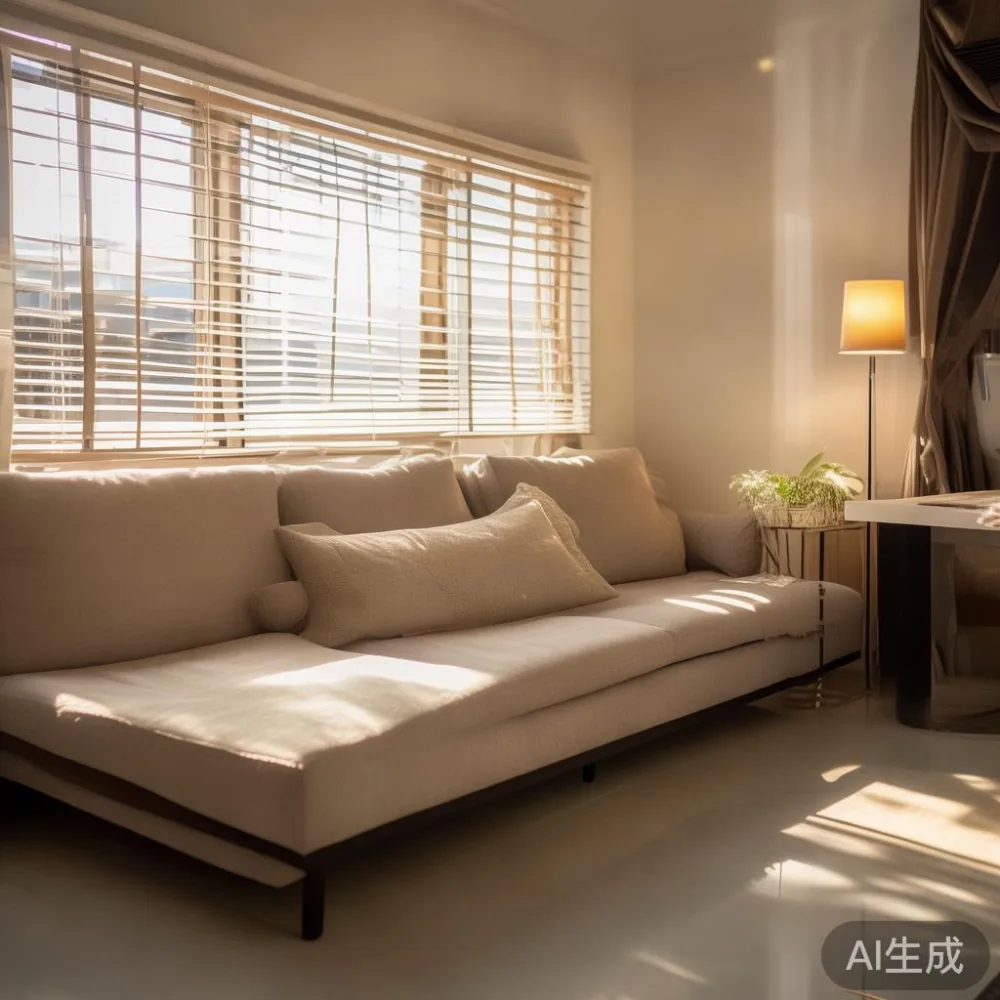
Is French neoclassical master bed furniture worth it?
Yes, a French neoclassical master bed is worth it if your master bedroom is at least 3.2 m by 3.6 m, your ceiling is above 2.55 m, and you can commit to a fabric care routine every two weeks, because the upholstered headboard is the soul of the piece and neglect will show within a year.
Let me explain why that answer is conditional rather than blanket. A French neoclassical master bed typically comes in king size, around 182 cm wide by 212 cm long, with a headboard that rises 120 cm to 140 cm above the mattress surface. Add the mattress height of 25 cm to 30 cm, and you are looking at a vertical statement of 155 cm to 170 cm from floor to crown. That scale demands a wall at least 3.2 m wide, otherwise the side tables and the wardrobe doors will feel crowded. In an HDB master bedroom of 3.0 m by 3.4 m, a neoclassical master bed will overwhelm the room and trap humidity against the fabric headboard, which is the opposite of good fabric care.
The other issue is access. A king-size neoclassical frame is usually shipped in two boxes, but the headboard panel alone can be 160 cm wide and 140 cm tall. Measure your lift door diagonally. If the diagonal is less than 2.3 m, ask the supplier to split the headboard into two panels. Many Singapore buyers now choose a queen size neoclassical bed at 152 cm by 212 cm instead. You keep the curved silhouette and the turned solid wood legs, but you free up 30 cm of wall, which is exactly the width of a proper nightstand with a drawer and a reading lamp.
How to size a solid wood sofa for a 4-room or 5-room HDB
For a 4-room HDB living room of about 12 sqm, a solid wood sofa should sit between 200 cm and 230 cm wide, with a depth of 85 cm to 90 cm and a seat height of 42 cm to 45 cm. Anything wider than 240 cm will block the walkway to the kitchen or the balcony door. Anything deeper than 95 cm will leave you reaching for cushions instead of relaxing into them.
A common trick is to measure your wall first, then subtract 90 cm for a comfortable walking lane on one side and 110 cm on the side that leads to the dining area. In a 3.2 m wall, that leaves you a maximum of 200 cm. A 200 cm three-seater solid wood sofa with a chaise on the right usually works, and the chaise can double as a single bed for guests, which is popular in Punggol families who host parents on weekends.
Fabric care matters here as well. A solid wood sofa with removable cushion covers is far easier to keep clean in Singapore humidity than a fixed-upholstery piece. Look for zippered covers, wash them at 30°C every quarter, and rotate the seat cushions monthly so the foam wears evenly. If you live in a ground-floor unit near a tree, you may want to vacuum weekly instead. I have seen a 3-year-old fabric sofa in Bedok that looked two years old simply because the owner rotated cushions every month and steamed the backrest every six months. That kind of fabric care extends the usable life of a sofa well past the 10-year structural warranty that quality makers like MIDHILL offer on their solid wood frames.
Sizing a dining table when the kitchen and living room share one space
For most HDB flats, the dining area is part of the living room, not a separate room. You usually have a rectangle of about 2.4 m by 1.8 m between the kitchen entrance and the sofa. In that footprint, a 140 cm by 80 cm dining table seats four comfortably, and a 160 cm by 90 cm table seats six if you use bench seating on one side.
Round marble tables are popular in Singapore condos, but they need more floor clearance than rectangular tables because chairs swing out in a circle. A 120 cm round marble table needs 80 cm of pull-back space all around, which means a floor plate of about 2.8 m by 2.8 m. In a compact HDB, that is roughly half the living room. If you love the look of a marble table, choose a rectangular one at 140 cm by 80 cm with a 2 cm sintered stone top instead. It will seat four to six, and the marble table aesthetic stays without consuming the room.
Height is the silent killer. A standard dining table sits at 75 cm, and you need 25 cm to 30 cm clearance between the seat and the table apron. Pair the table with solid wood chairs that have a seat height of 45 cm, and you will sit comfortably for a two-hour meal. If your dining area shares a wall with the air-con ledge, leave at least 10 cm behind the chairs so you can mop the floor, because spills under a dining table are the number-one reason Singapore families abandon fabric care on dining chairs within the first year.
Wardrobes, nightstands, and the question of ceiling height
A floor-to-ceiling wardrobe is the single biggest item in an HDB bedroom, and getting the height right saves you years of dust on the top shelf. Measure from floor to ceiling in three spots, then take the lowest reading. Subtract 5 cm for the wardrobe top, 2 cm for the floor leveler, and 2 cm for the air-con trunking clearance. The result is your safe wardrobe height. In most HDB flats, that lands between 2.35 m and 2.45 m.
Width is more forgiving. A 180 cm three-door wardrobe fits a couple's clothing, while a 150 cm two-door wardrobe fits a single adult or a guest room. Depth should stay between 55 cm and 60 cm. Anything deeper eats into your walking lane, and shallower wardrobes cannot hold standard hangers, which Singaporeans use heavily given the office dress code.
For nightstands, the rule is simple. The top surface should be level with the top of your mattress or 2 cm above it. If your mattress sits at 55 cm with the bed frame, choose a nightstand between 55 cm and 60 cm tall. Anything taller than 65 cm forces you to raise your arm unnaturally for the bedside lamp, and anything shorter than 50 cm makes you bend down for your phone. Width of 45 cm to 55 cm is plenty for a lamp, a glass of water, and a wireless charger. Pick a nightstand with at least one drawer so the visual clutter of cables can disappear, and your fabric care routine on the upholstered headboard stays simple.
What about delivery, GST, and lifetime refinishing in Singapore?
Sizing is only half the battle. Once you have the right numbers, you need to think about how the piece actually reaches your flat. Singapore's 9% GST applies to all imported furniture, and reputable sellers will show the GST-inclusive price on the invoice. Free shipping is common above S$350, but always check whether the quote includes lift-level delivery, walk-up surcharges for high-floor units without direct lift access, and disposal of the packaging.
Delivery timing is another quiet cost. Standard deliveries from regional warehouses take 14 to 21 days, while custom solid wood pieces from Foshan makers take 35 to 50 days by sea. A 14-day return window is useful, but only if the piece is unused and in original packaging. Read the fine print on structural warranties, because a 10-year structural warranty on a solid wood sofa frame is a meaningful promise, while a 1-year warranty on fabric and cushion foam is closer to industry standard.
Lifetime refinishing is a service I have started recommending more often. In Singapore humidity, a solid wood dining table can develop micro-cracks in the lacquer within five years, and a wardrobe door can start sticking in year seven. Makers like MIDHILL offer lifetime refinishing on the wood surfaces of their sofas, bed frames, dining tables, and wardrobes, which means you can ship the piece back, have it sanded and re-lacquered, and return it to your flat looking new. That kind of after-sale discipline turns a S$1,800 dining table into a 20-year asset instead of a 7-year one, and it pairs perfectly with a steady fabric care routine on the upholstered pieces around it.
Putting it all together: a quick sizing checklist for your HDB
Before you click pay, run through this list. First, measure the lift door diagonal, the corridor width, and the front door width. Second, sketch your living room with the air-con ledge, window frame, and switches marked. Third, decide your walking lanes of 80 cm to 90 cm on the main path and 60 cm on the secondary path. Fourth, place your largest piece first, usually the solid wood sofa or the bed frame, then fit the nightstand and the wardrobe around it. Fifth, choose fabric covers you can actually remove and wash, because fabric care in Singapore is a quarterly habit, not a yearly one.
If you follow those five steps, your HDB living room will feel larger than its 12 sqm, your dining table will seat the family without scraping the wall, and your master bedroom will accommodate the neoclassical bed you have been eyeing. A well-sized room also makes fabric care easier, because every cushion, headboard, and curtain stays reachable. That is the real measure of a Singapore home that works: when every piece fits, and you can keep it clean without dismantling the room.