How Southeast Asian Humidity Affects Solid Wood Furniture—and How to Care for It
Singapore’s warm, humid climate can be kind to a carefully chosen solid wood dining table, yet challenging to a solid wood sofa with an untouched fabric surface. Moisture in the air enters timber slowly, can encourage swelling or movement in joints, and creates the conditions where fabric fibres, foam and frame materials respond differently. The practical response is not to fear wood, but to understand its local environment, control humidity where possible and make fabric care part of the furniture routine.
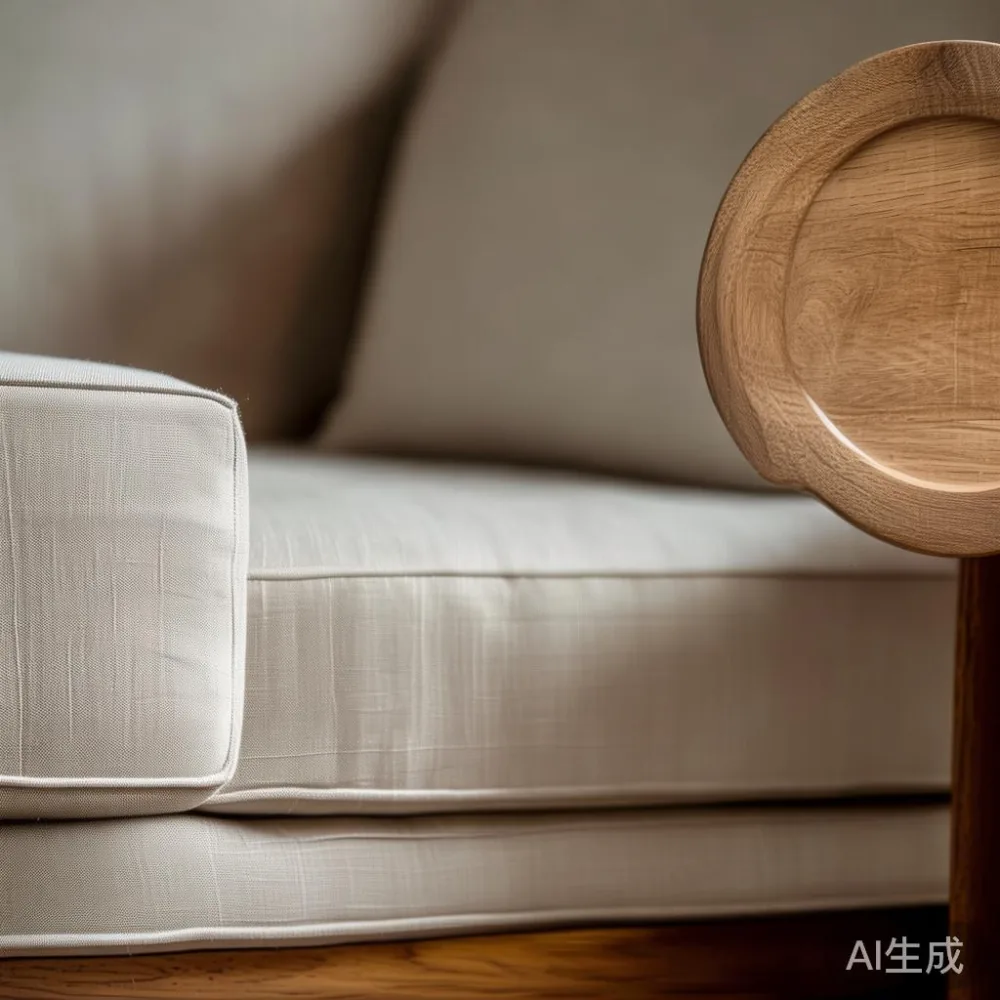
This guide focuses on solid wood furniture used in Singapore homes: solid wood sofas, bed frames, dining tables, wardrobes, nightstands and occasional marble tables. For measurements, delivery planning and product enquiries, MIDHILL can be reached through www.midhill.co. The company has operated since 2008, exports to more than 15 countries and backs its furniture with a 10-year structural warranty.
Why Singapore humidity changes the behaviour of solid wood furniture
Singapore’s annual relative humidity commonly sits around 70–85%, while monsoon periods and evenings after rain can produce short, sharp changes. Interior conditions differ between a Tampines HDB flat and a Punggol condo: a compact unit may cool quickly after the air conditioner switches off, whereas a unit facing the afternoon sun can heat up rapidly. A Bedok kitchen-dining area may also experience greater moisture than an air-conditioned bedroom.
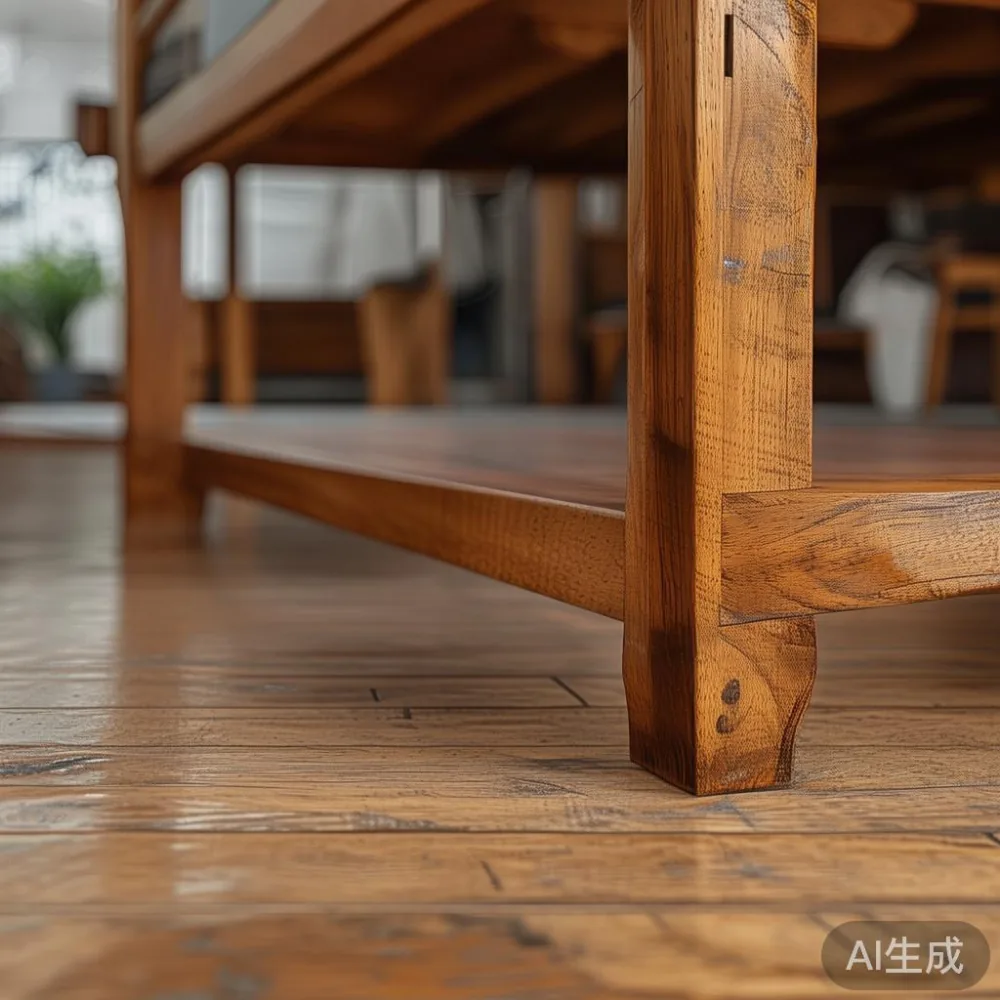
Wood is hygroscopic, meaning it exchanges moisture with the surrounding air. Solid timber expands across its grain as humidity rises and contracts as air dries. The movement is not uniform: a 180 cm long solid wood dining table may show visible width changes over a week, while its top can cup by 2–5 mm if one face responds differently to moisture. A 210 cm wide wardrobe may move around its centre panels, and a 160 cm long solid wood bed frame can loosen slightly at a mortise-and-tenon joint if it is repeatedly exposed to large swings.
These are normal physical responses rather than a sign of poor manufacture, but large or rapid changes increase stress. Direct airflow from a wall-mounted air conditioner can dry one side of a nightstand more quickly than the other. Radiators are uncommon in Singapore, so dehumidifiers, air conditioning and ventilation carry more importance. A useful target is approximately 40–65% relative humidity, with small changes preferred over repeated extremes.
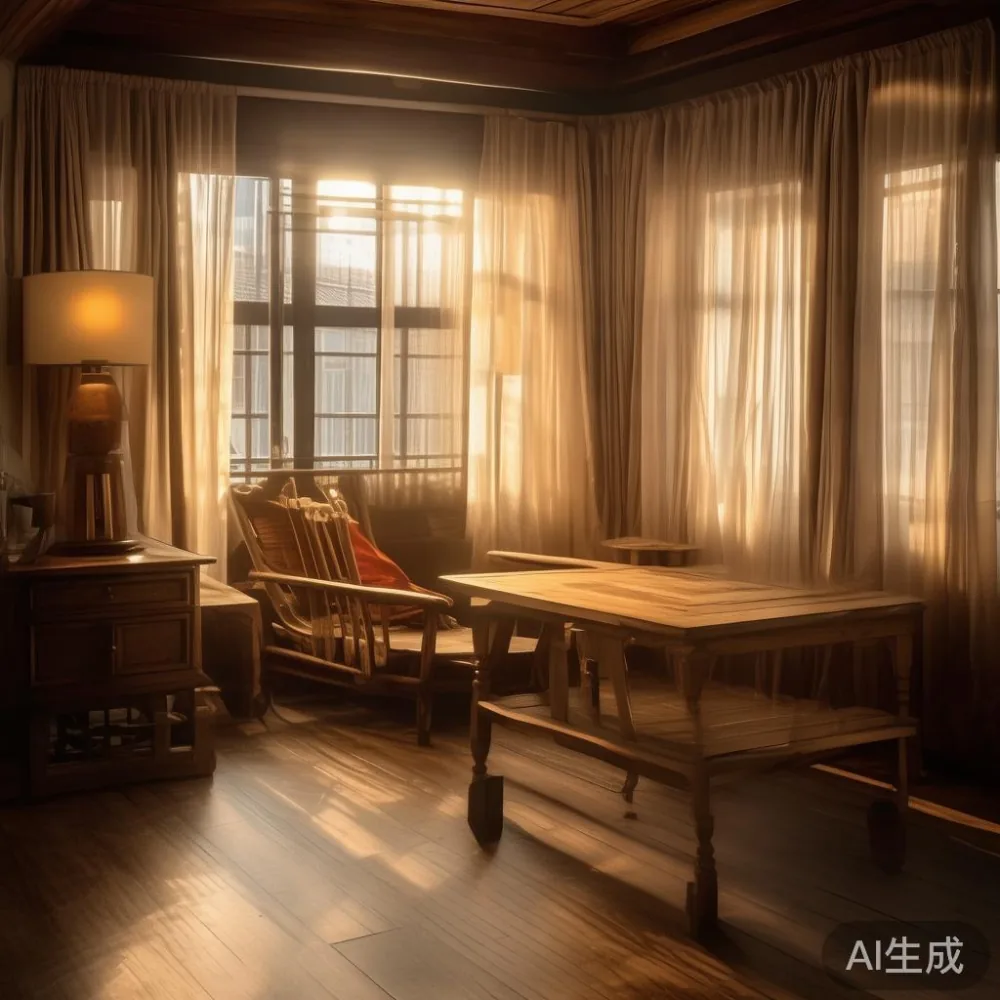
Humidity also affects the rest of a furniture piece. On a solid wood sofa, dense foam can retain moisture and develop mildew if the upholstery remains damp. On a fabric bed frame headboard, cotton or linen blends may absorb airborne moisture, stretch slightly or leave a faint damp mark after cleaning. Care should therefore treat wood, fabric, foam and metal fixings as parts of one connected system.
Can high humidity cause mould on a solid wood sofa?
Yes, although mould is more likely when humidity, warmth and an available food source combine. A cushion pressed against a wall or beneath a window can dry slowly after spills, while dust and skin residue support fungal growth. For a Singapore home, fabric care should include weekly cushion movement, monthly vacuuming and prompt cleaning of wet areas.
Use a upholstery attachment with suction set around 120–180 kPa and work across each panel every 7–10 days. Vacuum crevices rather than forcing debris deep into seams. Clean spills within 10 minutes where practical. Blot from the outside inward with a clean white cloth; avoid scrubbing, which can spread moisture or distort pile. For diluted cleaning solution, follow the upholstery label and test a concealed 10 cm × 10 cm area for 24 hours.
After cleaning, allow the piece to dry for at least 24–48 hours in a ventilated room. Do not place washing cushions outdoors under strong afternoon sun, because UV exposure can fade fabric and heat can shrink foam unevenly. Keep upholstered furniture at least 30 cm from the floor where cleaning access is limited, and maintain some airflow behind a sofa or bed frame.
How should I measure humidity and record movement in my bedroom?
Place a digital hygrometer at frame height rather than near a humid source. Put one instrument in the bedroom and another near the living-room seating area. Record readings at the same time—such as 8 a.m. and 8 p.m.—for 7 days. A reading below 65% is generally comfortable for timber and upholstery; sustained readings above 75% call for closer attention.
Measure timber movement with a moisture meter designed for wood, ideally with a temperature compensation setting. Alternatively, mark a fixed point on a discreet frame edge and measure the gap at the same location every month. For a 200 cm bed frame, a change of roughly 2–3 mm over several months may reflect normal seasonal movement. A sudden 5 mm or greater change, a persistent gap or a joint that no longer seats deserves investigation.
Check doors and drawers after air-conditioner cycles. A wardrobe in an en-suite bedroom may sit at 68% humidity while a hallway cabinet is exposed to 82%, causing different movement. Keep the air conditioner around 24–26°C and avoid pointing continuous cold airflow directly at furniture. If a bedroom stays above 70% for more than 4 hours on many days, run a dehumidifier or improve ventilation.
How can I protect a dining table from moisture without making the room feel dry?
Place a solid wood dining table away from sliding-glass doors, wet laundry areas and air-conditioning vents. A 90 cm buffer between an open balcony and the table is useful, particularly in a ground-floor Bedok unit. Use coasters with a base of at least 7 cm and a silicone or felt layer, and place them under warm bowls as well as drinks. Wipe condensation from a cold metal tumbler within 5 minutes.
For weekly fabric care near upholstered dining chairs, vacuum with a brush attachment and check the seat edges for dampness. If timber has been wiped with a damp cloth, finish with a separate dry cloth. Avoid leaving a folded newspaper or damp linen on a solid wood dining table overnight, as trapped moisture can cause a dull patch or swelling beneath the item.
Seasonal furniture changes matter too. A dining table that looks sparse in humid months can be paired with a slim upholstered bench, while a lighter cotton or linen blend can support a French light luxury dining room without making the space feel heavy. A small marble table may suit the same room, but its porous finish should be treated separately from timber and kept away from standing water.
Will a dehumidifier prevent a solid wood bed frame from warping?
A dehumidifier can reduce the risk, but it should support—not replace—stable indoor management. For a 12–20 m² bedroom, a unit rated for approximately 15–25 litres of water extraction per day can help maintain useful humidity levels. Position it with about 30 cm clearance and ensure that its outlet does not blow directly across a solid wood bed frame.
Run the dehumidifier when relative humidity exceeds 68–70%, generally for 2–4 hours after showering or during humid evenings. Empty the tank promptly and clean the filter every 2–4 weeks, following the appliance instructions. Continuous operation may remove too much moisture and cause excessive contraction, especially if the room also has strong air conditioning. A hygrometer remains more useful than a timer.
For sleep spaces, the design comparison between a European bed vs Mid-century modern bed often comes down to upholstery, proportions and room conditions. A padded European-style headboard may collect more airborne moisture than a clean-lined timber frame, while a slatted base improves airflow beneath the mattress. When considering how to style American bed in bedroom layouts in Singapore, leave approximately 60–75 cm beside the bed where circulation and cleaning are priorities.
How do I choose a wardrobe for humid Singapore conditions?
Choose solid wood construction, stable joinery and a finish that can be maintained. Check that doors have small, even gaps—around 2–3 mm—and that the internal panels can move without binding. For ventilated storage, space hanging garments so air can circulate; do not pack damp laundry into a wardrobe for 24 hours.
Thoughtful guidance on how to choose European light luxury wardrobe for Singapore homes should include ventilation, door clearance and after-sales support rather than appearance alone. A French light luxury palette with pale oak, cream upholstery and restrained brass-toned details can make a compact HDB bedroom feel composed. By contrast, a darker solid wood wardrobe may show dust and fingerprints more readily, so plan a weekly wipe with a dry microfibre cloth.
For guest spaces, Japandi for guest room layouts often use a compact solid wood bed frame, simple textiles and a narrow nightstand. Keep the nightstand around 40–50 cm high and 35–45 cm wide, and avoid placing it directly against a cold exterior wall. A guest mattress should be fully dry before being stored, and the room should be ventilated before closing the door.
What does proper fabric care look like in an air-conditioned HDB flat?
In a compact Singapore home, fabric care should be simple enough to repeat. Air conditioning lowers humidity during the day, but abrupt changes occur when doors open to a warm corridor. Keep interior doors closed while the air conditioner runs, and avoid moving a sofa from an air-conditioned living room to a humid balcony in a single day.
Use breathable removable covers where available. Vacuum upholstery every 7 days, rotate seat cushions monthly and clean marks within 24 hours. Launder covers according to the label; if they shrink by more than 3%, replace them rather than forcing them back over foam. Avoid “fabric sprays” or oil-based treatments unless the manufacturer confirms compatibility, because an unapproved coating can trap moisture or alter the hand of the textile.
For broader design decisions, a search for cheap Italian light luxury furniture should not focus on a low purchase price alone. Compare timber thickness, joinery, finish coverage, warranty and replacement-part support. A 10-year structural warranty is more meaningful than a vague promise about appearance. This is also relevant when comparing a Japanese bed vs Japandi bed, since low-profile timber beds may need careful support and level checks.
How can MIDHILL furniture be delivered safely through HDB lifts and condo corridors?
Measure access before ordering. A standard HDB lift interior may be around 100–120 cm deep and 80–100 cm wide, but the usable opening and turning space can be smaller. A 180 cm dining table top will usually need to be turned on edge or carried through a wider service route. Confirm the lift dimensions, door width, corridor turns and staircase landing with the supplier rather than relying on an approximate floor plan.
Pack furniture to protect both timber and textile surfaces. Foam should cover corners, and upholstery should remain protected from rain and handling marks. Allow 2–4 business days for a local Singapore delivery after the item is ready, subject to access and stock confirmation. If a condo requires loading-booking or a service-lift reservation, include those details early.
Consider whether the building’s lift has a maximum load stated in kilograms. A large wardrobe may weigh 70–120 kg, while a solid wood dining table can reach 45–75 kg and a solid wood sofa with a timber base may weigh 60–90 kg. Do not manually drag pieces through a corridor; use the building’s approved movers when weight or turning radius exceeds the safe handling limit.
How often should solid wood furniture be maintained in Singapore?
Use a 3-part routine: daily, weekly and seasonal. Daily means wiping spills and checking for damp cushions. Weekly means vacuuming fabric, dusting timber with a soft dry cloth and checking moving joints. Every 3–6 months, inspect the underside of a bed frame, the rear of a nightstand and the corners of a wardrobe for moisture marks or insects.
Re-oil unfinished or lightly finished timber only according to the product care instructions. A wipe should not leave a visible wet film; let the surface remain dry for 2–4 hours before use. With lacquered or sealed surfaces, use a pH-neutral cleaner suitable for the finish and avoid silicone furniture polish unless approved.
My colleague in the furniture quality team visited a Singapore customer’s Tampines flat last month and checked a timber bed frame that stood near a sliding balcony door. The room reading reached 79% after rain. We moved the frame 35 cm away from the opening, improved corridor ventilation and added a hygrometer. Two weeks later, the readings held between 61% and 67%, and the joint movement stopped increasing. The simple fix was airflow and monitoring, not replacing the furniture.
Humidity does not make solid wood furniture unsuitable for Southeast Asia. It does require deliberate care: stable readings, sensible placement, prompt spill removal and regular fabric care. With those habits, a solid wood sofa, bed frame, dining table, wardrobe, nightstand or marble table can remain comfortable and visually calm across Tampines, Bedok, Punggol and beyond.