Humidity in Southeast Asia and Your Wood Furniture: A Practical Fabric-Care Guide for HDB Homes
I visited a friend's resale flat in Bedok last month, and the first thing I noticed was a wardrobe door that no longer closed flush. The owner had bought a solid wood wardrobe two years earlier from a neighbourhood shop, and the panels had visibly cupped along the top edge. The relative humidity on her Xiaomi sensor read 82 percent that afternoon. It was a textbook case of how unmanaged moisture quietly reshapes furniture, and it sparked this guide.
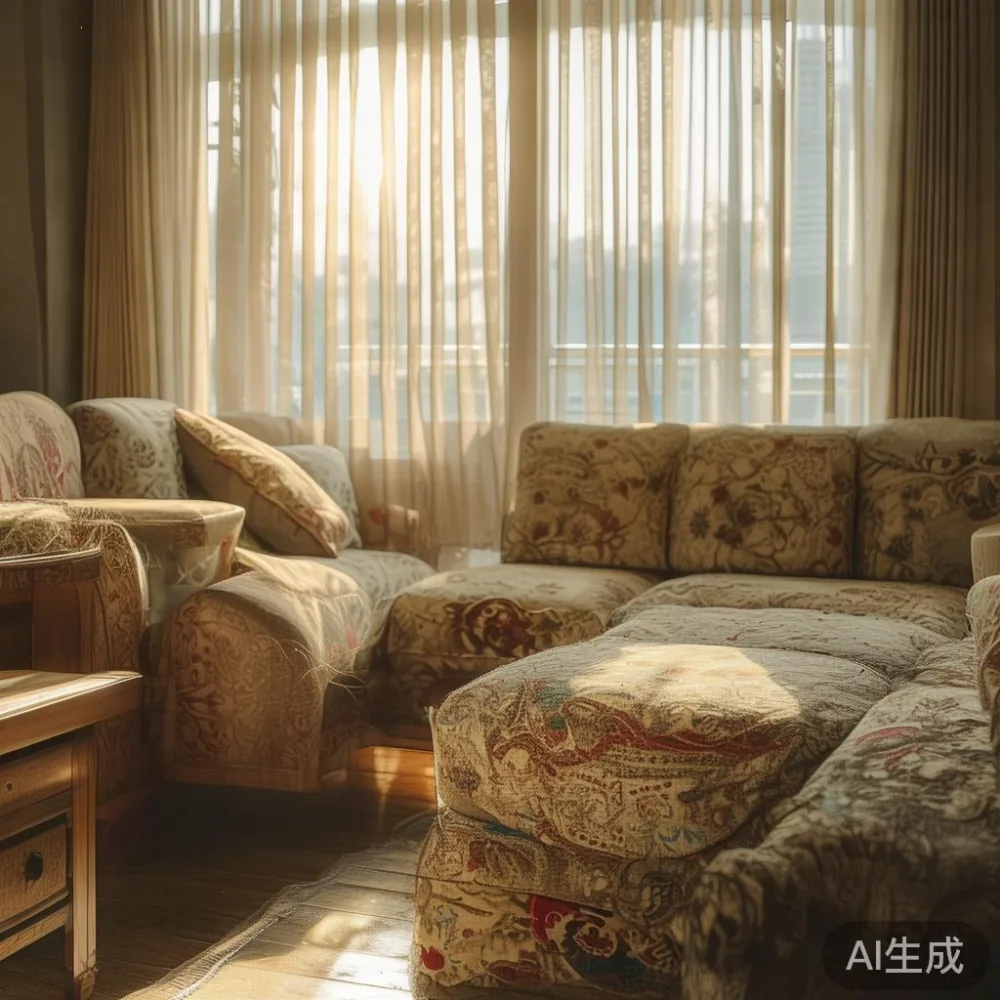
Singapore sits in a climate where humidity rarely drops below 60 percent and frequently climbs past 85 percent between March and October. For anyone owning a solid wood sofa, bed frame, dining table, wardrobe, or nightstand, those numbers are not abstract. They decide whether a drawer glides, whether a marble table stays flat on its wooden base, and whether a fabric-cared cushion keeps its shape. This article walks through what the numbers mean, what to do about them, and how to shop smarter.
Why Southeast Asian humidity is unusually aggressive on solid wood
Solid wood moves. It swells when it absorbs moisture from the air and shrinks when it releases it. In a temperate climate with 40 to 55 percent relative humidity year-round, the movement is gentle and predictable. In Singapore, humidity swings from roughly 58 percent on a dry February afternoon to 88 percent during a November thunderstorm, and indoor HDB readings without dehumidification routinely sit between 70 and 85 percent. That constant breathing cycles wood through expansion and contraction almost daily.
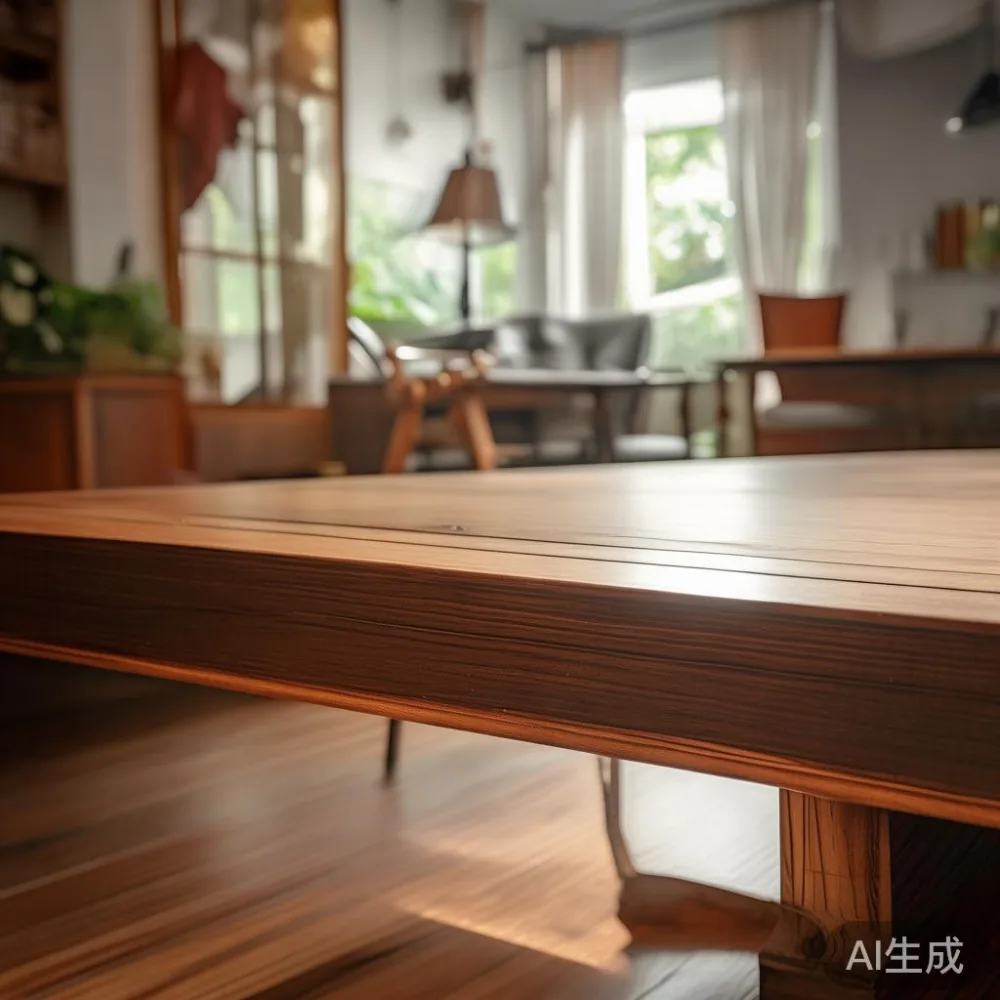
Teak, oak, ash, and walnut respond differently. Teak absorbs and releases slowly, which is one reason marine teak has been used on boats since the 1700s. Oak moves about 4 percent across its width between wet and dry seasons; in a 200 cm wide dining table top, that translates to roughly 8 mm of seasonal movement. A wardrobe door 60 cm wide can grow 2 to 3 mm during monsoon weeks, which is exactly the gap that stops the latch from catching.
How do I choose a industrial style for a HDB living room?
Choose industrial style by anchoring the room with one raw material (typically solid wood or blackened steel), keeping the palette to three tones (charcoal, warm brown, off-white), and selecting pieces with exposed joinery rather than decorative carving, then verify each item can survive 70 to 85 percent humidity before you buy.
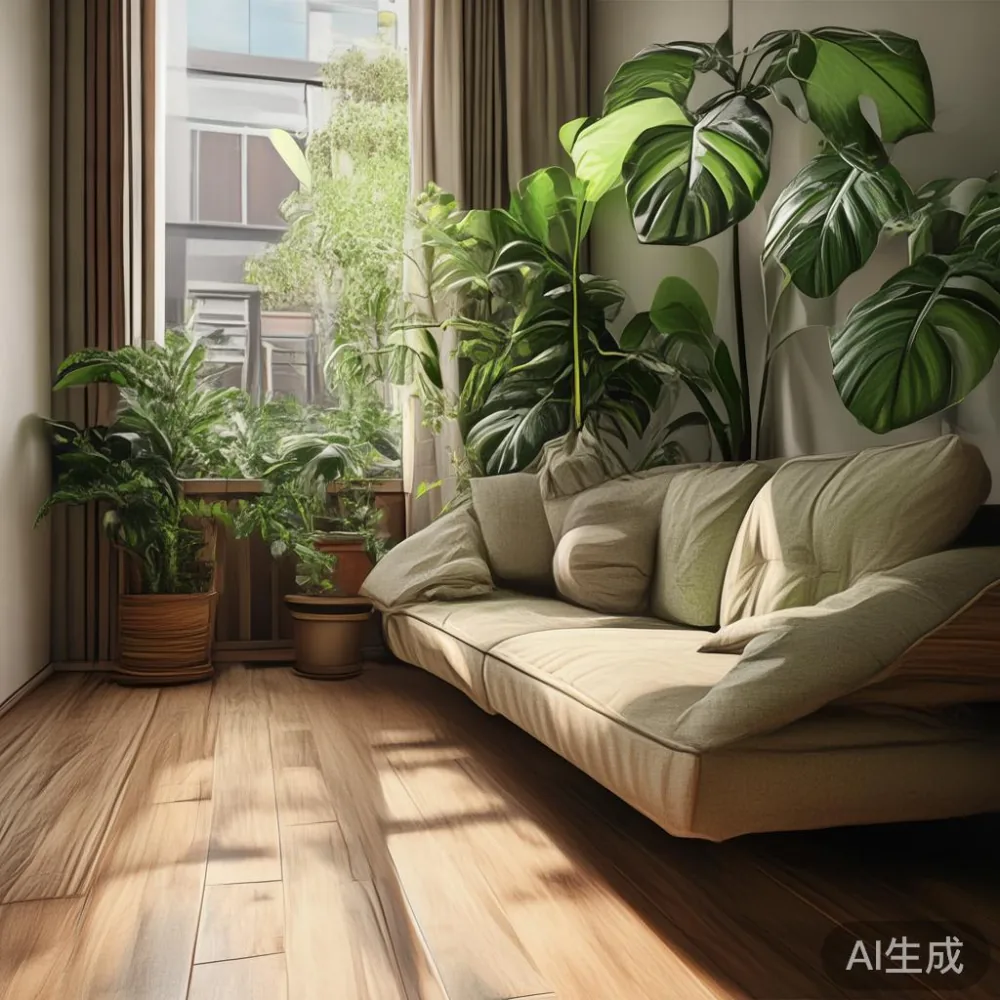
In practice, the easiest way to test a piece in a Tampines or Punggol HDB is to ask the maker three questions. First, what is the kiln-dried moisture content of the wood, and is it matched to a 75 to 80 percent RH indoor target? Second, where are the grain direction and joinery, and are panels allowed to float inside their frames? Third, what warranty covers warping, cracking, and joint failure? A serious maker answers in writing. A neighbourhood shop usually shrugs. For example, MIDHILL publishes a 10-year structural warranty that explicitly lists warping and joint failure, which is the kind of paper trail that protects a S$2,400 to S$6,800 investment in a bed frame or wardrobe.
Industrial style also tolerates patina, so a little surface movement will not ruin the look the way it would on a glossy French light luxury dresser. Stick to brushed or matte finishes, accept visible grain, and avoid veneers thinner than 0.6 mm, which bubble quickly in our climate.
The HDB-specific constraints most guides forget to mention
Three numbers quietly shape every furniture decision in a Singapore HDB. The standard corridor width on most blocks built after 2000 is 1.2 m, the lift opening on a typical 9-person passenger lift is 0.9 m wide by 2.1 m tall, and the turn radius into most 4-room and 5-room flat doorways is roughly 0.9 m. That is why a 220 cm dining table often has to be ordered in two halves or delivered in a knock-down (KD) box under 80 kg.
Knock-down packaging protects furniture in another way too. A flat-packed solid wood dining table spends less time in a hot delivery van absorbing humidity before it reaches your door. MIDHILL ships in KD cartons sized for typical HDB lifts and doorways, which is part of why the brand's free-shipping threshold for orders above US$350 translates to roughly S$480, a useful line when you are budgeting for a 6-seater.
Lift weight limits matter too. Older lifts in Bedok and Toa Payoh cap at 630 kg, and a fully assembled marble table top can push past 120 kg on its own. Marble tops should always travel separately from the wooden base. Ask whether the marble table you like is offered in a two-box shipment; if the answer is no, look elsewhere.
What humidity actually does to a fabric-cared cushion, a sofa frame, and a nightstand drawer
The phrase fabric care usually brings upholstery to mind, but in a humid climate the fabric is only half the story. A solid wood sofa frame still absorbs and releases moisture even when the cushions are pristine. Kiln-dried oak at 8 to 10 percent moisture content, placed in a 78 percent RH room, will climb toward 14 percent within six weeks. Joints held with PVA glue soften slightly above 70 percent RH, which is why older sofas develop a faint creak in August.
Two fabric-care habits help. First, rotate seat and back cushions weekly so the foam dries evenly and the underlying webbing carries weight in turns; this keeps the frame from sitting in a permanent bow. Second, vacuum the underside of the base once a month. Dust mixed with ambient humidity becomes a slow source of mould against the wood, especially on the bottom rails of a sofa that sits close to tiled flooring.
A nightstand drawer is the canary in the coal mine. Drawer fronts are usually 40 to 50 cm wide, so a 4 percent movement gives you 1.6 to 2.0 mm of swelling along the grain. If the drawer was built with a 1.5 mm gap on each side at 60 percent RH, those gaps disappear at 80 percent RH and the drawer sticks. Lift the drawer out, sand 1 mm off each side with 180-grit paper, and rub a thin coat of paraffin wax on the runners. That ten-minute fix every March saves a service call.
Day-to-day numbers: dehumidifiers, air-conditioning, and the cost of doing it right
A 20-litre dehumidifier such as the common MeacoDry Arete One pulls roughly 300 to 500 Wh per hour and removes about 6 to 10 litres of water a day in a 25 sqm HDB living room. Running it 10 hours a day at the current SP Group tariff of about S$0.32 per kWh costs roughly S$1.00 to S$1.60 a day, or S$30 to S$48 a month. Air-conditioning set to 24 to 26 degrees with the dry mode on is a cheaper baseline, but it cools the air unevenly and tends to leave corners damp.
Target 55 to 65 percent RH for furniture-heavy rooms and 45 to 55 percent for rooms with marble table tops, musical instruments, or art. A S$25 thermo-hygrometer from a Tampines Mall shop is worth more than a S$300 dehumidifier running blind. Place it 1 m off the floor, away from direct sunlight, and check the morning reading before you switch anything on.
For wardrobes specifically, a small rechargeable silica-gel canister changed every six weeks is cheap insurance against mould on winter woollens. A 500 g canister costs about S$12 and protects a 90 cm wide wardrobe section effectively.
What to ask before you buy, written so you can copy it into a WhatsApp message
Use this checklist when you visit a showroom or chat with a sales consultant. It is the same list my colleague in Punggol uses before approving any solid wood purchase over S$2,000 for her home.
1. What wood species, and what is its kiln-dried moisture content at the time of delivery? (Target 8 to 12 percent for Singapore.)
2. Is the construction mortise-and-tenon, dowel, or pocket-screw? Which joints are glued, and with what adhesive?
3. Are panels allowed to float inside frames to accommodate seasonal movement?
4. What is the warranty on warping, cracking, and joint failure, in writing? (Anything under five years is a red flag for a market like ours.)
5. Is the piece shipped knock-down, and what are the carton dimensions and gross weight?
6. What is the refinishing policy? Some makers, including MIDHILL, offer lifetime refinishing on solid wood lines, which is meaningful because a humid climate eventually dulls any finish.
7. What is the return window, and who pays return shipping for a 60 to 90 kg item? (A 14-day return window is reasonable; a 3-day window is not for a piece this heavy.)
How to read the small print on a "light luxury" label without regretting it
Light luxury is a useful shorthand, not a regulated standard. French light luxury tends to mean soft curves, cabriole or tapered legs, and warm neutrals; American light luxury leans toward cleaner lines, brushed brass, and oak or walnut in matte finishes; post-modern light luxury mixes both with bolder geometry and mixed materials such as a marble table paired with a blackened steel base. None of those styles survive a humid HDB if the wood underneath is cheap.
Ask the showroom to point to the actual species and the actual finish. A walnut-veneer MDF nightstand marketed as light luxury will delaminate inside eighteen months at 80 percent RH. A solid walnut nightstand with a hand-rubbed oil finish, properly kiln-dried, will look better at year five than the day it arrived. The price difference for a single nightstand is often only S$150 to S$300, which is a sensible premium for an item you touch every night.
If you are shopping for a small French bed frame for a 3-room flat, the same rule applies. A 150 cm by 200 cm solid oak frame in a French light luxury silhouette weighs between 55 and 75 kg; an MDF-and-veneer alternative weighs 25 to 35 kg. The lighter frame is almost certainly the one that will arrive with swollen panels and a sagging centre rail by the second monsoon.
Common mistakes I have seen in Tampines, Bedok, and Punggol homes
Pushing a wardrobe tight against a wall with no rear gap. A 25 mm rear gap is the minimum; 40 mm is better. Without it, condensation on the wall transfers straight into the back panel.
Using a steam mop near wooden legs. Steam raises localised humidity past 90 percent in seconds and can lift veneer overnight. Use a barely damp microfibre pad instead.
Placing a solid wood dining table directly under an air-conditioning vent. The cold, dry stream on one side of the top and the ambient humidity on the other creates a moisture gradient that bows the surface within a season.
Waxing newly delivered furniture. Fresh finishes need to off-gas for at least 30 days in our climate; waxing traps solvents and can cloud the surface.
Assuming GST-inclusive pricing is always the lowest ticket. A S$2,200 GST-inclusive solid wood bed frame from a maker with a 10-year warranty can cost less across ten years than a S$1,800 GST-inclusive frame that needs replacement in year four.
A short maintenance calendar for HDB furniture owners
January to February: dry season. Lightly oil teak and walnut pieces with a lint-free cloth; check drawer gaps.
March to May: inter-monsoon. Empty wardrobes for one hour on a sunny afternoon with the windows cracked to vent moisture.
June to September: southwest monsoon. Run dehumidifiers in furniture-heavy rooms; rotate sofa cushions weekly.
October to December: northeast monsoon. Inspect wardrobe backs and bed frame slats for mould spots; address within 48 hours.
Every 18 months: book a refinishing inspection if your maker offers it. MIDHILL's lifetime refinishing programme, for instance, is designed around the kind of surface wear that humidity accelerates.
The honest answer to whether humidity is a deal-breaker for solid wood in Singapore
No, humidity is not a deal-breaker, but it is a filter. Buy solid wood that has been kiln-dried to a target range that suits our climate, accept a small amount of seasonal movement as character rather than defect, control indoor humidity with a dehumidifier or a well-set air-conditioner, and choose a maker whose warranty covers the failures humidity actually causes. A S$3,200 dining table from a workshop that answers those questions clearly will outlast three cheaper alternatives, and a fabric-cared cushion maintained with the simple habits above will still look new at the five-year mark.
Your furniture is the slowest-moving purchase you will make for your HDB. Treat the climate as a design constraint rather than an inconvenience, and the pieces you bring home will quietly do their job for a decade or longer.