How Humidity Affects Wood Furniture in Southeast Asia and How to Protect Your Investment
Singapore's tropical climate presents unique challenges for wood furniture owners. With average humidity levels hovering between 70-85% year-round, your solid wood pieces face constant exposure to moisture that can cause warping, cracking, and mold growth. This comprehensive guide will help you understand how humidity affects your furniture and provide practical solutions to preserve your investment for years to come.
Understanding Singapore's Humidity Challenges
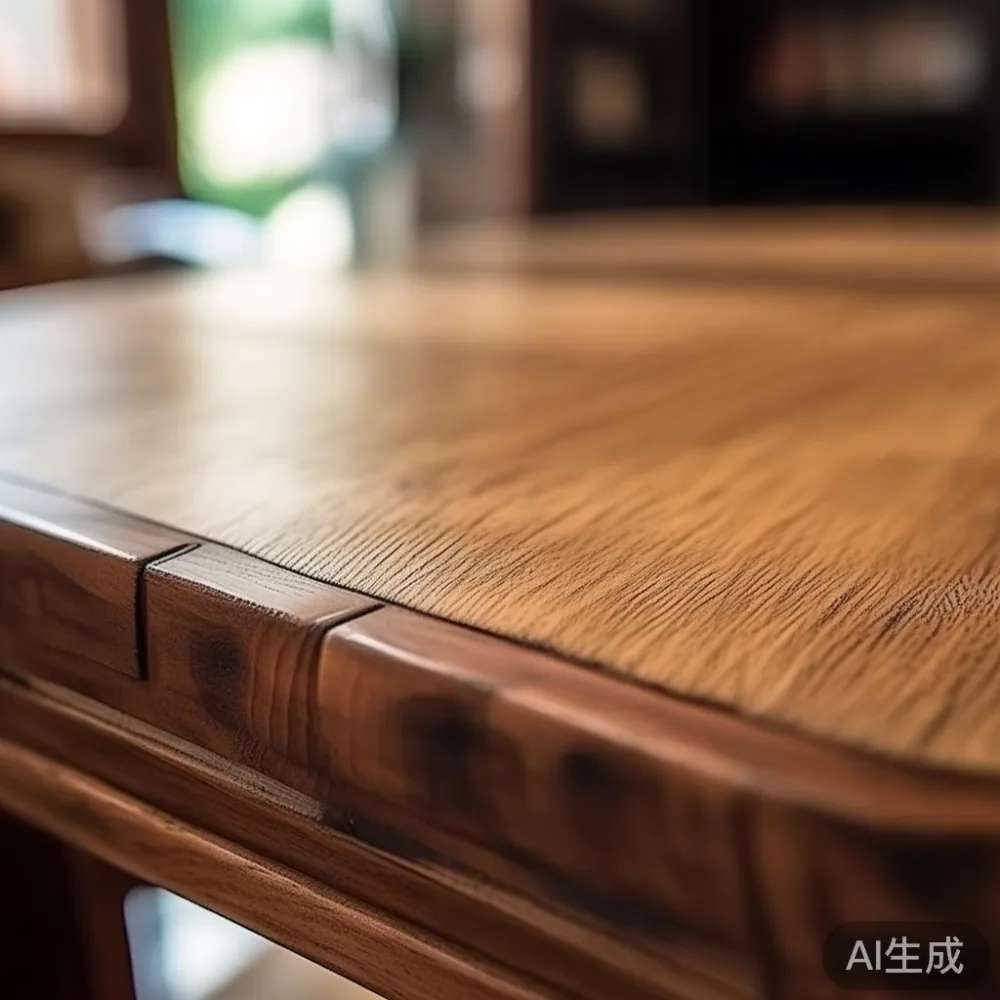
Singapore's humidity levels rarely drop below 60%, with peaks reaching 95% during the monsoon seasons from November to January. This persistent moisture content in the air can cause wood to absorb water, leading to expansion. A typical dining table measuring 180cm x 90cm can expand by up to 1.5cm in width during high humidity periods if not properly acclimated. This expansion puts stress on joints and can cause cracks to form over time. In HDB flats across neighborhoods like Tampines, Bedok, and Punggol, the situation is compounded by smaller living spaces. With corridor widths averaging 1.2m and lift dimensions of 110cm x 140cm, moving furniture in and out requires careful planning. Last month, I visited a client in a Bedok HDB flat who had to remove a wardrobe door to get it through their 90cm wide entrance – a common issue that humidity exacerbates as wood swells. The Singapore government's Goods and Services Tax (GST) of 9% applies to all furniture purchases, making proper care even more important to protect your investment. A solid wood bed frame costing SGD 2,500 represents a significant expense that deserves proper maintenance.
Wood furniture in Singapore faces a constant battle against moisture. The Science of Wood Moisture Content explains that wood absorbs and releases moisture from the air until it reaches equilibrium with the surrounding environment. This process, known as hygroscopicity, causes wood to expand and contract. In Singapore's climate, wood can absorb up to 15-20% more moisture than in temperate regions, leading to structural stress. For example, a solid wood wardrobe door measuring 60cm x 200cm can expand by 2-3mm in width during high humidity, potentially causing sticking or misalignment with the frame. This constant movement weakens joints over time, especially in pieces with intricate construction like French light luxury headboards with detailed carvings.
Common Mistakes in Wood Furniture Care in Humid Climates
Many Singaporean homeowners unknowingly damage their wood furniture through improper care. These mistakes can lead to premature aging, with some pieces showing visible damage within just 18 months in high-humidity environments. The following table outlines the most frequent errors and their consequences:
| Mistake | Consequence | Prevention | Timeframe for Damage |
|---|---|---|---|
| Placing furniture near windows | UV damage and uneven drying | Use UV-protective window films | 3-6 months for discoloration |
| Using water-based cleaners | Wood swelling and damage | Use pH-neutral wood cleaners | Immediate swelling, 2-3 months for cracking |
| Ignoring humidity levels | Cracking and warping | Use dehumidifiers in bedrooms | 6-12 months for visible warping |
| Placing furniture on exterior walls | Temperature fluctuations cause expansion/contraction | Leave 5cm gap from walls | 8-14 months for joint stress |
| Direct sunlight exposure | Fading, drying, and cracking | Use curtains or blinds | 4-8 months for fading, 12+ months for cracking |
Additional errors include placing hot items directly on wood surfaces without coasters, ignoring proper acclimation time when bringing new furniture into your home, and exposing furniture to direct sunlight which causes uneven drying. These mistakes can lead to premature aging of your pieces, with some wardrobes showing visible warping within 18 months in high-humidity environments. In Singapore's compact apartments, where space is limited, furniture often gets placed in less-than-ideal locations, accelerating these problems.
Proper Wood Furniture Care in Humid Environments
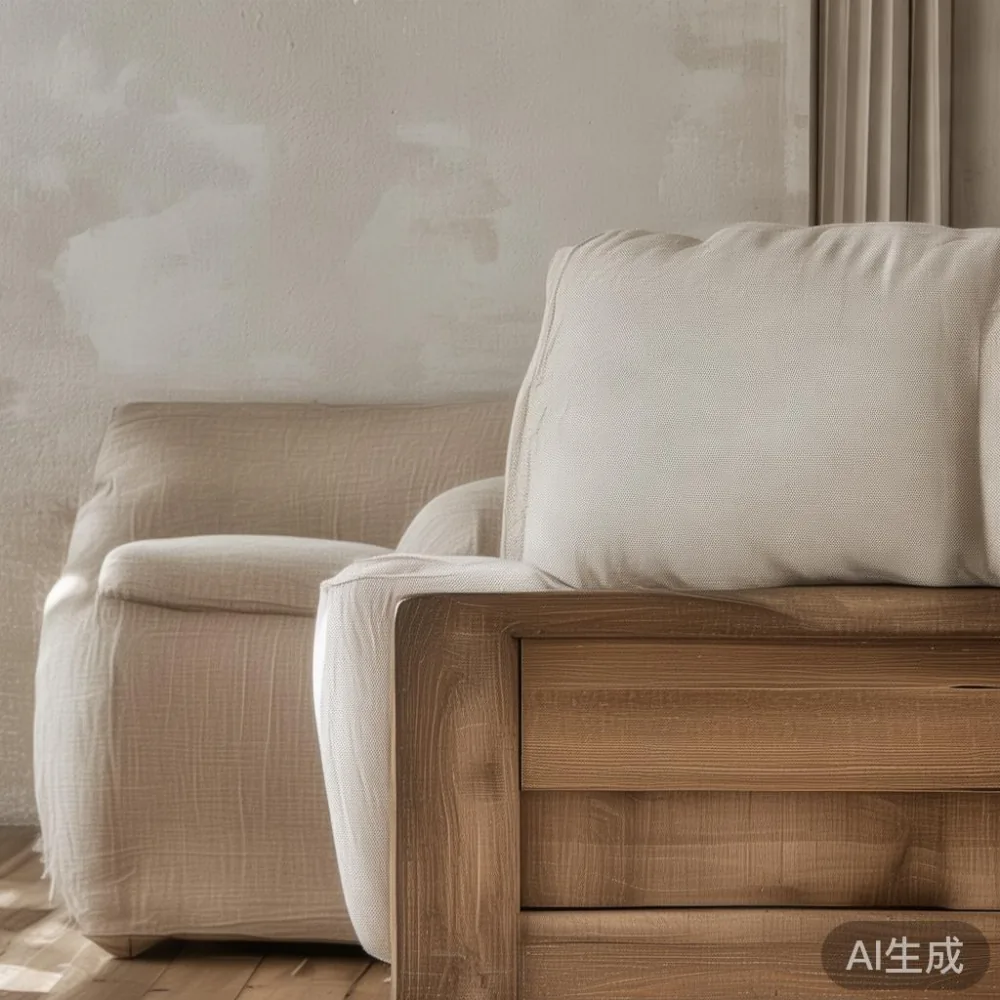
Fabric care is an often overlooked aspect of wood furniture maintenance. When caring for upholstery on your solid wood sofa or bed frame, always use fabric-specific cleaners that won't transfer moisture to the wood frame. A sofa with fabric upholstery requires different cleaning methods than a leather one, and improper care can lead to moisture seeping into the wooden frame. For wooden surfaces, follow these maintenance practices:
- Dust weekly with a soft, dry microfiber cloth
- Apply furniture polish every 3-4 months using a product designed for humid climates
- Use coasters under all glasses and cups
- Place felt pads under furniture legs to prevent moisture from floors
- Maintain indoor humidity between 40-60% using dehumidifiers
- Avoid placing furniture directly on air conditioning units
- Use silica gel packs in enclosed furniture like wardrobes
- Rotate decorative items on surfaces to prevent uneven exposure
When caring for a marble table top, remember that while marble itself isn't affected by humidity, the wooden base requires regular maintenance. A marble dining table with a solid wood base needs special attention to prevent the wood from swelling and potentially cracking the marble surface. For French light luxury pieces with intricate carvings, pay extra attention to crevices where moisture can accumulate. Consider applying a thin layer of carnauba wax every 6 months to create a moisture barrier without altering the natural finish.
What is the difference between Nordic headboard and modern furniture?
The primary difference between Nordic headboard and modern furniture lies in their design philosophy and material choices. Nordic headboards typically feature clean lines, minimal ornamentation, and a focus on natural materials like light-colored woods, whereas modern furniture often incorporates bold geometric shapes, innovative materials, and a more experimental approach to design.
Nordic headboards are characterized by their simplicity and functionality, often made from light woods like birch or pine with natural finishes that showcase the wood grain. They typically measure between 120-150cm in height and 140-180cm in width, with a depth of 5-8cm. In contrast, modern headboards might feature metal accents, unconventional shapes, and bold colors, with dimensions that vary more dramatically to make design statements. For Singapore's humid climate, Nordic headboards with their natural finishes may require more frequent maintenance than modern pieces with sealed finishes, though both can be suitable with proper care. An Italian light luxury headboard, for example, might combine Nordic simplicity with Italian craftsmanship, featuring hand-carved details and premium upholstery that requires specialized fabric care to maintain in tropical conditions.
How to Choose Humidity-Resistant Furniture for Singapore Homes
When selecting wood furniture for Singapore's climate, consider these factors to ensure longevity:
- Wood Type: Choose dense hardwoods like teak, oak, or mahogany that are less prone to warping. These woods have tighter grain structures that resist moisture penetration better than softer woods like pine.
- Construction: Look for mortise-and-tenon joints instead of nails or screws, which provide greater stability during expansion and contraction. Dovetail joints in drawers are particularly resistant to humidity-related damage.
- Finish: Opt for multi-layer lacquer finishes or oil-based sealants that create a moisture barrier. These finishes should be reapplied every 12-18 months in Singapore's climate.
- Design: Avoid intricate details that can trap moisture. Simple, streamlined designs are easier to maintain in humid conditions.
For specific furniture types:
- Solid Wood Sofa: Choose frames made from kiln-dried wood with moisture content below 8%. Look at the frame thickness – at least 3cm for main supports to prevent sagging.
- Bed Frame: Select frames with slats spaced no more than 5cm apart for proper mattress support. Ensure the frame is at least 15cm off the ground to allow air circulation.
- Dining Table: Look for tables with expandable leaves if you have a small space. Ensure the mechanism operates smoothly in humid conditions.
- Wardrobe: Choose wardrobes with sliding doors in small apartments to save space. Ensure the tracks are made of corrosion-resistant materials.
MIDHILL offers furniture specifically designed for tropical climates, with their pieces featuring kiln-dried wood and specialized finishes that resist humidity. Their queen bed frames start at SGD 1,800 and come with a 10-year structural warranty, providing peace of mind for Singaporean homeowners.
Fabric Care for Upholstered Wood Furniture
Proper fabric care is important for upholstered wood furniture in Singapore's humid climate. Fabric upholstery can absorb moisture from the air, potentially leading to mold growth and fabric degradation. Here are specific care guidelines:
- Cleaning Frequency: Vacuum upholstery weekly using a soft brush attachment to remove dust and prevent moisture buildup.
- Spot Cleaning: Use fabric-specific cleaners that won't transfer moisture to the wood frame. Test on an inconspicuous area first.
- Professional Cleaning: Schedule professional cleaning every 6-12 months, especially for high-use pieces like sofas.
- Protection: Consider using fabric protectant sprays designed for humid climates, applied every 3-4 months.
- Air Circulation: Ensure proper ventilation around upholstered pieces to prevent moisture accumulation.
For different fabric types:
- Cotton: Breathable but absorbs moisture easily. Clean promptly if spills occur.
- Linen: Prone to wrinkling in humidity. Use steam cleaning to maintain appearance.
- Synthetic Blends: More resistant to moisture but may require specialized cleaners.
- Leather: Wipe with a damp cloth followed by a leather conditioner monthly to prevent drying.
Fabric care extends beyond cleaning to include protection against Singapore's specific challenges. In high-rise apartments like those in Punggol, where air conditioning runs constantly, the contrast between cool indoor air and humid outdoor conditions can create condensation on furniture surfaces. Place moisture-absorbing products near upholstered pieces to prevent this issue.
Case Study: A Bedok HDB Apartment Transformation
Let's examine a real example of how proper furniture care can transform a living space in Singapore's humid climate. Last year, I worked with a client in a 5-room HDB flat in Bedok who was experiencing significant issues with their wood furniture. The apartment measured 110 sqm with bedroom dimensions of 4m x 3.5m. The client had purchased a solid wood dining table, a queen bed frame, and a wardrobe, all showing signs of humidity damage within just 18 months.
The main issues were:
- The dining table (180cm x 90cm) had developed a 1cm warp in the center
- The queen bed frame's joints had loosened, causing creaking
- The wardrobe doors were sticking due to wood expansion
- The marble table top had developed cracks near the wooden base
Our solution involved:
- Replacing the dining table with a kiln-dried teak model featuring a moisture-resistant finish
- Installing a dehumidifier in the bedroom to maintain 45-55% humidity
- Applying a specialized wood polish every 3 months
- Using felt pads under all furniture legs
- Implementing a regular fabric care routine for the sofa upholstery
The transformation cost approximately SGD 5,200, including new furniture and maintenance products. Within 6 months, all signs of humidity damage had disappeared, and the client reported no new issues. The key was addressing both the environmental factors and proper maintenance techniques. This case demonstrates that with the right approach, wood furniture can thrive even in Singapore's challenging climate.
Where to Find Quality Wood Furniture in Singapore
For Singaporean homeowners seeking quality wood furniture that can withstand the humid climate, several options are available. MIDHILL, established in 2008, offers a range of solid wood furniture specifically designed for tropical conditions. Their products feature kiln-dried wood with moisture content below 8% and specialized finishes that resist humidity. Their queen bed frames start at SGD 1,800, dining tables from SGD 2,500, and wardrobes from SGD 3,200, all with a 10-year structural warranty and lifetime refinishing service.
When shopping for furniture in Singapore, consider these factors:
- Showroom Locations: Visit showrooms in areas like Tampines or Bedok to test furniture quality. Showrooms allow you to assess construction and comfort firsthand.
- Delivery Considerations: Factor in Singapore's narrow corridors and lifts. Standard delivery takes 14-21 days, with free shipping for orders over SGD 350.
- Warranty Coverage: Look for comprehensive warranties that cover humidity-related damage. A 10-year structural warranty provides significant protection.
- Customization Options: Consider brands that offer customization for Singapore's specific space constraints, such as furniture designed for HDB standard room dimensions.
For those with immediate needs, several retailers offer same-day delivery within certain areas. However, proper acclimation time (48-72 hours) is still recommended before placing furniture in its final position to allow it to adjust to your home's humidity levels.
Investing in quality wood furniture requires consideration of Singapore's unique climate, but with proper care and selection, your pieces can last for decades. Remember that fabric care for upholstered components and regular maintenance of wooden surfaces are both important components of furniture preservation in humid environments. By following these guidelines, you can enjoy beautiful wood furniture that withstands Singapore's tropical conditions while maintaining its aesthetic appeal and structural integrity.