The Silent Rival: How Singapore's Humidity Battles Your Solid Wood Furniture
Your new solid wood sofa, a piece of French light luxury with clean lines and a soft, natural finish, arrived last week. It looks stunning in your living room. But a few days later, you notice a faint, hairline crack near an armrest. Across the room, the marble top on your side table feels slightly cool to the touch, and the wood base beneath it has a new, uneven sheen. In Singapore, where the air is thick with moisture, these aren't signs of poor craftsmanship. They are the quiet, persistent effects of a climate that never stops testing your furniture.
For residents in HDB flats from Tampines to Punggol, and condos with wide corridors that must accommodate a 180 cm dining table, understanding this relationship is key. Wood is a living material. It breathes, it absorbs moisture, and it releases it. In a place where the relative humidity can hover between 70% and 90% for months on end, your furniture is in a constant state of flux. This article will explore the science behind this silent rivalry and provide practical, localised advice on protecting your investment, ensuring your furniture's beauty and integrity last for years, not just seasons.
Why Does Humidity Make Wood Furniture in Singapore So Unhappy?
At a microscopic level, wood is composed of countless cells, much like a bundle of straws. These cells are filled with water, even in what we consider 'dry' wood. When the surrounding air's humidity rises, wood absorbs this moisture from the atmosphere. As the wood fibres swell, they expand. Conversely, when humidity drops, the wood releases moisture and contracts. This natural process, called hygroscopicity, is the root of most furniture problems in tropical climates.
In Singapore, the problem isn't just high humidity; it's the lack of a dry season. Unlike temperate climates with four distinct seasons, our weather oscillates between hot and humid, and just slightly less hot and humid. This constant, high-level moisture means wood rarely has a chance to contract. It remains in a perpetually swollen state, which puts immense internal stress on the structure of the furniture. Think of it like stretching a rubber band to its limit and holding it there for months. Eventually, something has to give.
What Are the Visible Signs of Humidity Damage on Wood?
The damage caused by excessive humidity often starts subtly but becomes more pronounced over time. Being able to identify these signs early can help you take corrective action before the damage becomes permanent. The most common manifestations are cracks, warping, and changes in the finish.
Cracking and Checking: This is the most dramatic sign. As different parts of a solid wood piece expand at different rates, the internal stress can cause the wood to split. You might see a clean, straight crack running along the grain, or a series of smaller, hairline cracks, known as 'checking,' particularly on surfaces like table tops or the backs of wardrobes. A solid wood bed frame, for instance, might develop a split in the headboard where the two largest panels meet.
Warping and Cupping: Warping occurs when a flat board twists or bends out of shape. A dining table top might develop a 'cup' shape, with the edges rising higher than the centre. This happens because the top surface of the wood absorbs more moisture than the bottom, causing it to expand unevenly. This can make a marble table wobble and ruin the smooth surface you expect from your light luxury furniture.
Cloudy or Sticky Finish: The protective lacquer or oil finish on your furniture is also affected. High humidity can prevent the finish from curing properly, leaving it feeling tacky or cloudy. In severe cases, moisture can get trapped under the finish, causing it to peel or bubble up. This is where proper fabric care for the wooden elements becomes as important as caring for the upholstery.
How Can I Protect My Furniture in My HDB Flat or Condo?
Living in Singapore doesn't mean you have to abandon solid wood furniture. It simply means you need to be a proactive and informed owner. The key is to manage the microclimate immediately around your furniture, buffering it from the extremes of the external environment. Here are some practical steps you can take, tailored to the local context.
Control the Indoor Climate: Air conditioning is your most powerful tool. Running your AC consistently helps to dehumidify the air inside your home. Set it to a comfortable temperature, around 23-24°C, and let it run. This creates a stable environment for your furniture. For a 4-room HDB flat, the monthly electricity cost might increase by SGD 40-60, but it's a small price to pay to protect a SGD 3,000 dining table. A dehumidifier is another excellent option, especially for bedrooms or storage areas where you might keep a MIDHILL bed or wardrobe.
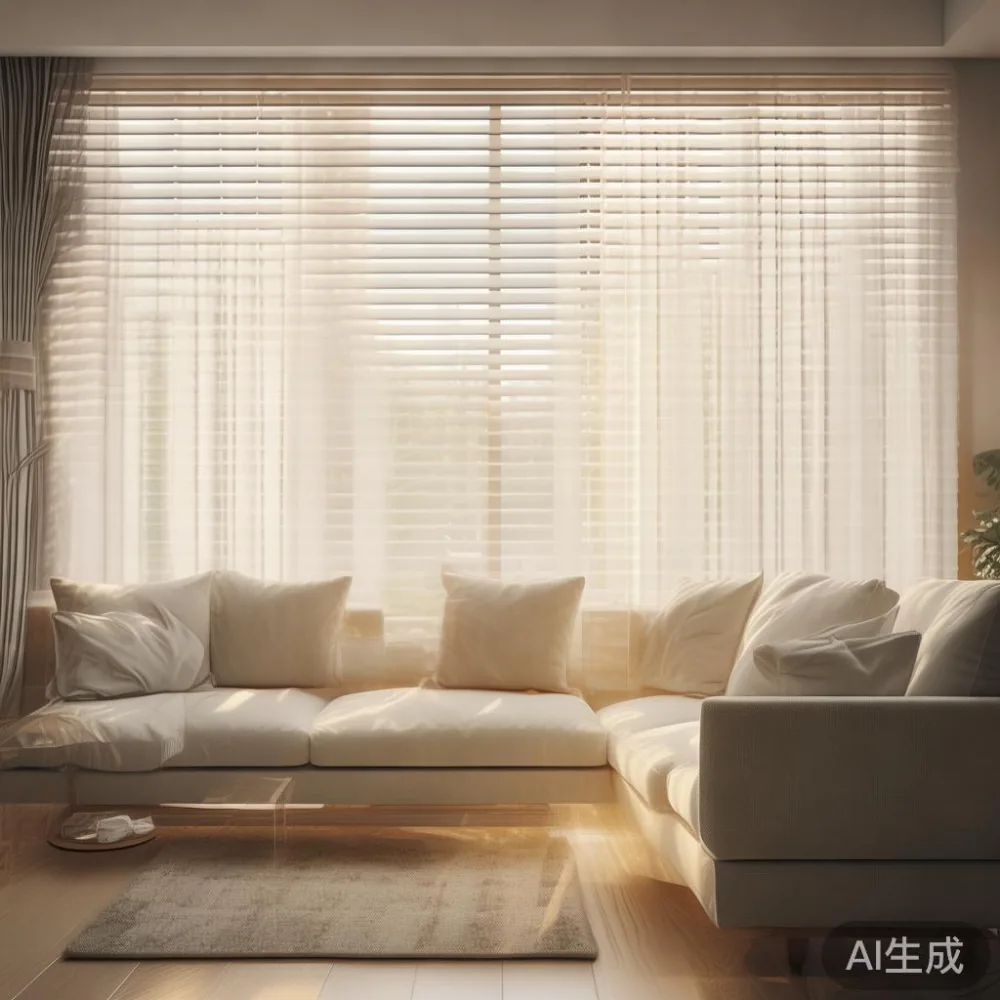
Strategic Placement is Key: Avoid placing your furniture in direct contact with sources of moisture. Do not position a solid wood sofa or bed frame directly against an external wall, as these walls tend to be cooler and can 'sweat' condensation. Leave a gap of at least 5 cm. Also, keep furniture away from windows that are frequently opened, as this exposes it to direct bursts of humid air. In a condo with large sliding balcony doors, consider using a sheer curtain to diffuse the light and reduce direct exposure.
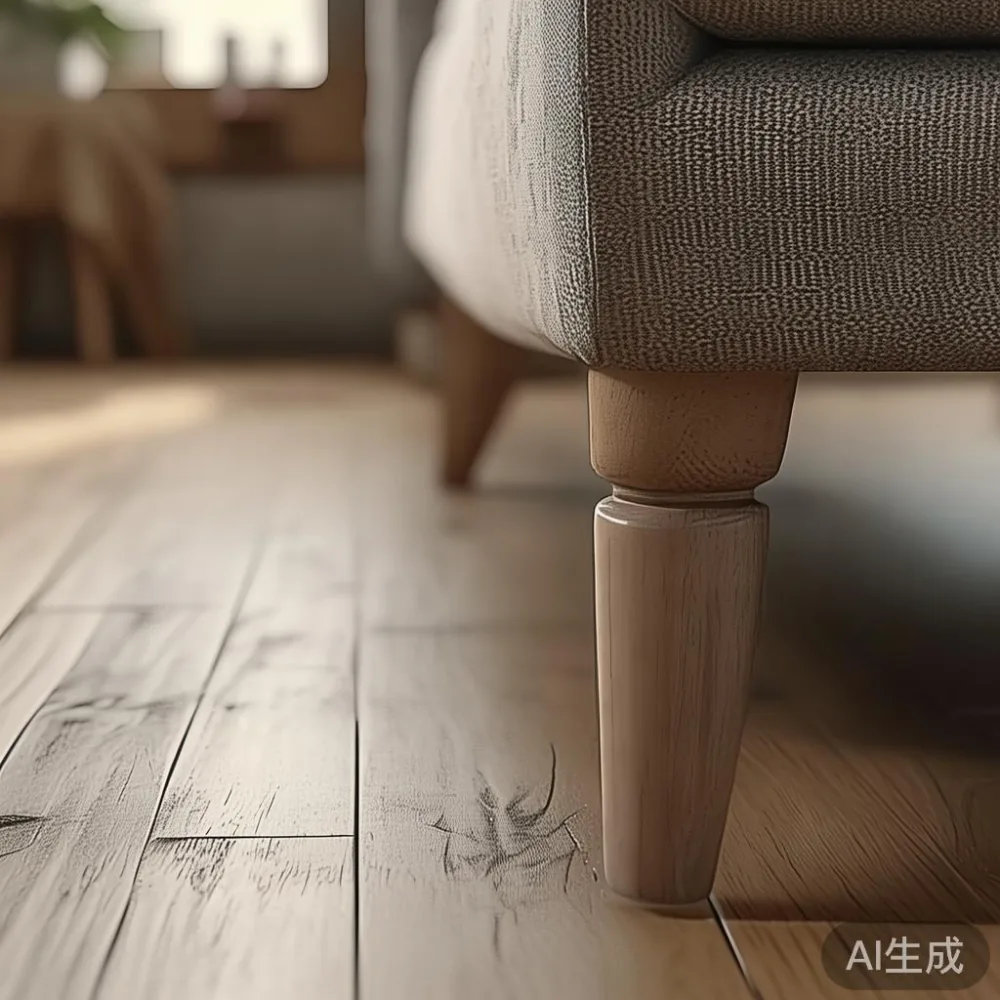
Use Furniture Pads and Rugs: The floor of an HDB flat or condo can be a source of dampness, especially on lower levels. Use felt pads or coasters under the legs of your chairs, sofas, and tables. This lifts the furniture slightly off the floor, allowing air to circulate underneath. For larger pieces like a dining table or wardrobe, ensure the floor underneath is dry and well-ventilated. A rug can also help buffer the furniture from a potentially damp concrete floor.
Does My Furniture Need Special Maintenance in Singapore's Climate?
Absolutely. Standard maintenance routines for temperate climates are insufficient here. Your furniture needs a more rigorous and regular care regimen to combat the relentless humidity. This involves cleaning, conditioning, and vigilant monitoring.
Gentle and Regular Cleaning: Dust and dirt can trap moisture against the wood's surface. Use a soft, dry microfiber cloth to dust your furniture weekly. For deeper cleaning, use a damp cloth—never wet—and wipe immediately with a dry cloth. Avoid harsh chemical cleaners or abrasive sponges, as they can strip the protective finish. This regular cleaning is a fundamental part of fabric care, ensuring no moisture-holding particles are left behind.
Conditioning is Non-Negotiable: Wood loses its natural oils in our climate. Applying a high-quality furniture oil or cream every 2-3 months helps replenish these oils, keeping the wood supple and less prone to cracking. A good rule of thumb is to condition your furniture at the start and end of each year, and perhaps once more during the mid-year rainy season. Use a product designed for solid wood and apply it sparingly with a clean cloth, letting it soak in before buffing off the excess.
Monitor and Act: Get into the habit of giving your furniture a quick visual and tactile check once a month. Run your hand over surfaces to feel for any roughness or raised grain. Look for the first signs of white haze, which indicates moisture is getting into the finish. Catching a small issue early, like a single droplet of water left on a nightstand, is far easier to deal with than a crack that has formed over weeks.
How to Choose Furniture That's Built for Singapore's Humidity?
When it's time to buy new furniture, making an informed choice can save you a lot of headaches later. Not all wood is created equal, and construction methods play a huge role in how well a piece will withstand our climate. Here’s what to look for when you're shopping for a new solid wood sofa, bed frame, or dining table.
Type of Wood Matters: Some woods are naturally more stable and resistant to moisture changes than others. Teak, for example, is renowned for its high oil content and dense grain, making it exceptionally durable in humid conditions. Oak is another excellent choice due to its strength and stability. Avoid softer woods like pine or rubberwood, which are more prone to warping and denting. When considering a for sale European light luxury furniture piece, ask the seller specifically about the wood type and its suitability for tropical climates.
Construction Quality is Paramount: How the furniture is put together is just as important as the material it's made from. Look for pieces that use traditional joinery techniques like mortise and tenon or dovetail joints. These strong interlocking connections allow the wood to expand and contract without coming apart. Beware of furniture that relies solely on staples, nails, or glue-blocks, as these will fail as the wood moves. A well-constructed wardrobe using these methods will last for decades, while a poorly made one might start falling apart within a year.
Finishes and Design: A high-quality, multi-layered lacquer or varnish finish provides a superior barrier against moisture. Ask about the finishing process. For design, a post-modern light aesthetic with clean lines and simple forms often indicates a focus on quality materials and construction over ornate details that can trap moisture. For example, a best Mid-century modern sofa for 2026 with solid wood legs and a well-finished frame will fare much better than a heavily carved, ornate piece.
My Experience: A Wardrobe's War in a Punggol Condo
Last month, I visited a client's newly renovated condo in Punggol. She had purchased a beautiful, dark-stained wardrobe online, believing it was a great deal. The delivery was fast, and it looked fantastic in her walk-in closet. But within three weeks, the problems began. The door, which had been a perfect fit, started rubbing against the frame. The bottom drawer began to stick, and when she pulled it out, she saw the back panel had a distinct warp. She was frustrated, thinking she had bought a defective product.
Upon inspection, it was clear the issue wasn't a manufacturing defect but a climate mismatch. The wardrobe was made from a softer, less stable wood and had been constructed in a dry environment. When it arrived in her Punggol apartment, the high humidity caused the wood to swell rapidly. The frame couldn't accommodate the expansion, leading to the warping and sticking. We advised her to install a small dehumidifier in the closet and to ensure the AC vent in the bedroom was kept running. It was a valuable lesson: a beautiful piece of furniture is only a good investment if it's suited to its environment.
What About Upholstered Furniture and Fabric Care?
While this article focuses on the wooden elements of your furniture, it's impossible to discuss Singapore's climate without addressing the upholstery. The high humidity doesn't just affect wood; it also impacts fabrics, leading to mould, mildew, and a general feeling of dampness. Proper fabric care is therefore an integral part of protecting your entire living set.
Preventative Measures: The best defence is prevention. Ensure your upholstered pieces, like your solid wood sofa, are placed in a well-ventilated area. Avoid pushing them tight against walls. Use slipcovers made from breathable fabrics like cotton or linen, which can be easily removed and washed. Regular vacuuming with an upholstery attachment is important to remove dust and mould spores before they can take hold.
Dealing with Mould: If you spot mould or a musty smell, act quickly. For small, isolated spots, you can often clean them with a solution of equal parts white vinegar and water. Spray it lightly, let it sit for a few minutes, then blot dry with a clean towel. For larger infestations, it's best to call a professional upholstery cleaner. They have the tools and expertise to remove the mould without damaging the fabric or the underlying wooden frame.
Choosing the Right Fabric: When buying new upholstered furniture, consider the fabric's properties. Synthetic blends like polyester or microfiber are generally more resistant to moisture and mould than natural fibres like wool or silk. Leather and faux leather are also excellent choices, as their non-porous surface makes it difficult for mould to grow. When looking for the best European bed for 2026 or a best Vintage bed for 2026, pay close attention to the headboard and footboard upholstery if it's included.
How to Choose Japandi Wardrobe for a Singapore Home?
The Japandi style, with its emphasis on clean lines, natural materials, and functional beauty, is incredibly popular in Singapore. A Japandi wardrobe can be a stunning addition to a bedroom, but choosing the right one requires specific consideration for our climate. When learning how to choose Japandi wardrobe, focus on wood type and construction. Look for pieces made from stable, durable woods like oak or ash. The minimalist design of Japandi furniture often features simple, clean lines and solid panel doors, which are less prone to the warping issues associated with more ornate, carved details. Ensure the joinery is solid, as the simplicity of the design means the structural integrity of the joints is even more critical.
How to Style European Wardrobe in an Apartment?
Styling a European wardrobe, especially a light luxury piece, in a Singapore apartment is about balancing its inherent elegance with the practicalities of our living spaces. A large, ornate wardrobe can overwhelm a typical HDB bedroom. To style European wardrobe in apartment, create a sense of balance. If the wardrobe is a statement piece, keep the surrounding walls and bedding in neutral, calming colours like off-white, light grey, or beige. Use lighting to highlight its features; a small, focused spotlight above the wardrobe can create a beautiful ambient glow. In a condo with a walk-in closet, you can be more daring, perhaps using a bold-coloured rug or artwork to complement the wardrobe's rich tones.