How to Read a Furniture Warranty Without Getting Caught Out
Buying furniture for a Singapore home is a significant investment. Whether you're furnishing a compact 4-room HDB flat in Tampines or a spacious condo in Punggol, the pieces you choose must withstand our unique climate and lifestyle. A warranty is your safety net, promising protection against defects and poor craftsmanship. However, a warranty document can be a dense, intimidating document filled with legal jargon designed to protect the manufacturer, not you. Understanding the fine print is the difference between peace of mind and a frustrating battle for a repair or replacement. This guide will walk you through the key clauses to watch for, using the local context of Singapore living to highlight potential pitfalls.
Why the Fine Print Matters More Than You Think in Singapore
In Singapore, space is a premium commodity. Your new solid wood sofa or marble table isn't just a decorative item; it's a functional piece that must work through narrow corridors, fit into a specific lift, and endure high humidity. A warranty that doesn't account for these realities can be practically useless. For instance, a warranty might state it covers 'structural defects,' but if it excludes damage from 'environmental factors' like humidity-induced warping—a common issue in our climate—you have no recourse. Also, with the Goods and Services Tax (GST) at 9%, your furniture purchase already includes a significant tax component. A faulty product means you've paid SGD for something that doesn't meet expectations, and a weak warranty prevents you from recovering that value. As a specialist, I've seen too many customers in Bedok or Punggol discover too late that their 'lifetime' warranty only covers the frame for 5 years, leaving them with a beautiful but unusable dining table. The key is to move beyond the marketing terms like 'lifetime' and focus on the specific conditions, exclusions, and obligations attached to them.
What Does 'Lifetime Warranty' Really Mean for Your Wardrobe?
The term 'lifetime warranty' is one of the most powerful—and misleading—phrases in furniture marketing. It sounds like an iron-clad promise of eternal protection. However, in the industry, 'lifetime' rarely means your personal lifetime. It almost always refers to the 'lifetime of the product'—a legally ambiguous period that is typically defined by the manufacturer. For a solid wood wardrobe, this could be as short as 5 to 10 years. The warranty might state it covers the main structure but explicitly excludes drawers, hinges, or internal fittings, which are often the first components to fail. A colleague of mine recently visited a client in a Tampines HDB who had bought a wardrobe with a 'lifetime warranty'. When the internal drawer runners failed after 7 years, the manufacturer refused to replace them, citing that 'lifetime' only applied to the outer cabinet structure. The client was left with a SGD 2,500 wardrobe that could not be used. Always look for a concrete timeframe. A 10-year structural warranty, like the one offered by established makers, is far more valuable and transparent than a vague 'lifetime' promise.
Is Coverage for Fabric Care Included in Your Warranty?
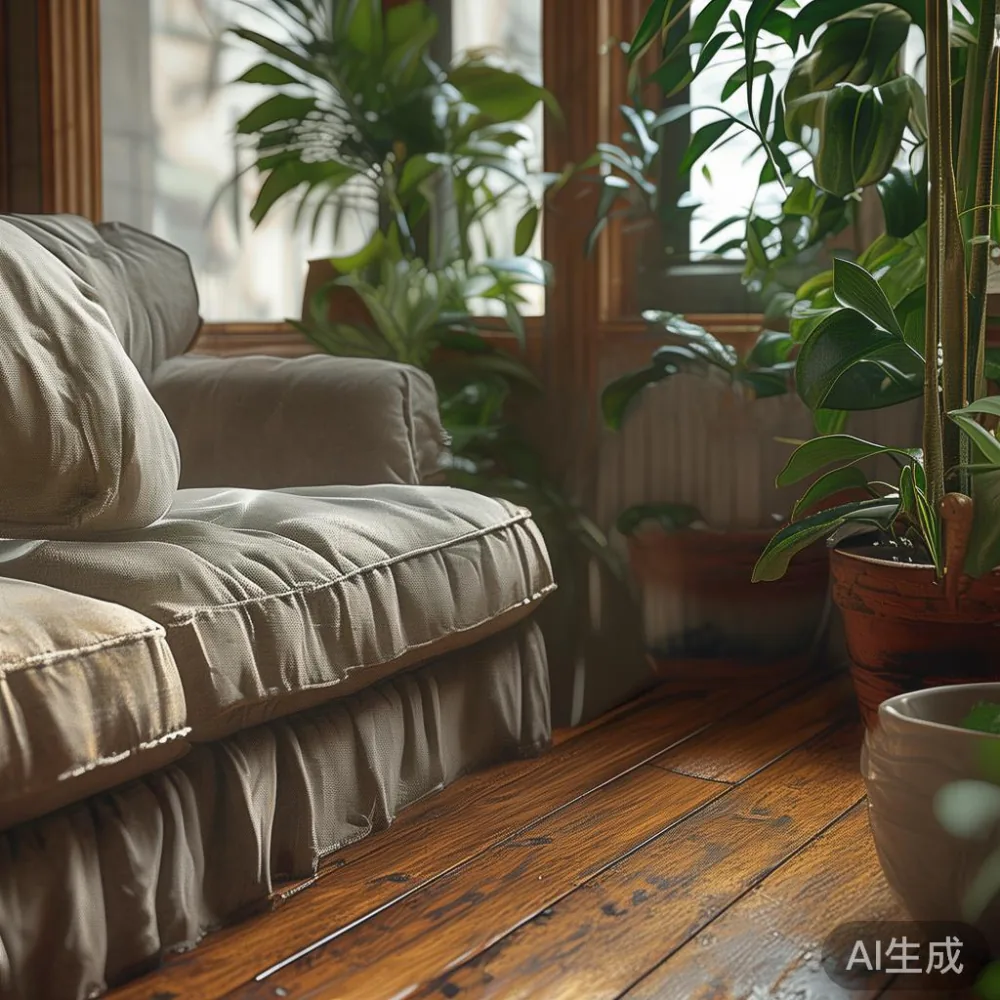
This is a critical question for anyone buying upholstered furniture like a sofa or bed frame. Many warranties focus exclusively on the wooden or metal frame and completely ignore the fabric care. Fabric care encompasses everything from staining and fading to pilling and seam separation. A warranty might state the frame is guaranteed for 10 years but have a single sentence that says 'fabric is not covered'. This means if your cat snags the fabric or a glass of red wine leaves a permanent stain, you have no claim. A comprehensive warranty should include clauses for fabric care, detailing what is and isn't covered. For example, it might specify that fading is only covered if the piece has not been placed in direct sunlight, which is a reasonable exclusion. However, it should also cover manufacturing defects like seams coming apart or fabric tearing under normal use. When you're considering the best American sofa for 2026, scrutinise its warranty to see if it includes a specific section on fabric care. A warranty that completely disregards the upholstery is a major red flag, indicating the manufacturer is not confident in the durability of their materials.
Exclusions: The Hidden Landmines in Your Warranty Document
If you want to understand a warranty's true value, skip the introductory paragraphs and head straight for the 'Exclusions' section. This is where the manufacturer details all the situations they will *not* cover. This section is often where customers get caught out. Common exclusions include:
- Damage from Improper Use: This is broad and can be interpreted loosely. Placing a hot dish directly on a marble table top, exceeding the weight limit on a shelf, or using a sofa as a step ladder could all void your claim. Be precise. The warranty should define 'normal use'.
- Environmental Damage: As mentioned, humidity is a key factor in Singapore. A warranty might exclude damage from 'excessive moisture' or 'pest infestation'. While the latter is reasonable, excluding humidity-related issues for a piece of furniture intended for a Singaporean home is a significant loophole.
- Normal Wear and Tear vs. Manufacturing Defect: This is the most contentious point. A manufacturing defect is a flaw from the start, like a cracked leg on a bed frame. Normal wear and tear is the gradual deterioration from use, like the cushion on a sofa softening over time. The line between the two can be blurry. A good warranty will provide examples. A bad one will leave it vague, giving the manufacturer an easy out when a seam on a cushion fails.
When I tested a dining table from a new brand, their warranty proudly stated a '10-year guarantee'. I was shocked to find the exclusions section listed 'scratches, dents, and all surface imperfections' as non-covered items. For a piece of furniture meant for daily use, this excluded almost every potential issue, rendering the warranty practically worthless.
Understanding the Claims Process: Who Pays for What?
A warranty is only as good as the process for making a claim. This section outlines the practical steps you need to take and, more importantly, who bears the cost. A common point of failure is transportation. Imagine your marble table top, weighing 40 kg, develops a crack. The warranty might state it will be replaced, but does it cover the cost of sending a technician to your condo in Punggol, or do you have to dismantle the 70 kg base and transport it yourself to a service centre in Jurong? For someone in an HDB flat without a car, this could mean hiring a moving service for SGD 150 or more, negating the value of the replacement.
Look for details on labour and parts. Is the labour for repair or replacement included, or is it an extra charge? What about the cost of materials? A warranty should specify if parts are supplied for free. Also, check for a time limit. You might have 10 years to report a defect, but you might only have 30 days from the discovery of the defect to file a formal claim. This is a trap for people who notice a problem but delay action. A clear, straightforward claims process with clear timelines and covered costs is a sign of a confident manufacturer. The best Post-modern wardrobe for 2026 will not only look stylish but will also have a simple, transparent warranty process that doesn't leave you guessing about hidden fees.
How to Choose a French Bed: Warranty as a Deciding Factor
When selecting a specific style of furniture, like a French bed, the warranty can be a key differentiator. French light luxury design often features intricate details like carved headboards, upholstered panels, and delicate brass or metal accents. These elements can be prone to specific issues. A warranty for a French bed should address these unique features. Does it cover cracking in the wood carvings? Does it cover peeling or fading of the fabric on the headboard? A generic warranty that only mentions the frame is insufficient for such a detailed piece.
Similarly, when you're looking at is Japanese sofa worth it, the warranty becomes important. Japanese design often prioritises clean lines, low profiles, and unique fabrics like linen or textured weaves. A warranty for such a sofa should provide specific care instructions and cover issues like fabric pilling or colour bleeding that are more common with these materials. The warranty protects the aesthetic integrity of the piece, which is a core part of its value. Always compare warranties side-by-side. If one manufacturer offers a 10-year structural warranty and a 5-year fabric care warranty, while another offers only a 5-year structural warranty with no mention of fabric, the choice becomes clear. The warranty reflects the manufacturer's confidence in their product's quality and durability, making it an important part of your decision-making process.
What Should a 'Good' Warranty Look Like? A Checklist
To avoid getting caught out, use this checklist to evaluate any furniture warranty. If a warranty fails on multiple points, consider it a warning sign.
- Specific Timeframes: It should state exact years for coverage (e.g., '10 years on the frame', '5 years on upholstery'). Avoid vague terms like 'lifetime'.
- Clear Coverage Details: It should explicitly state what is covered (e.g., 'structural integrity', 'material defects', 'fabric stitching').
- Defined Exclusions: It should list exclusions clearly, but they should be reasonable (e.g., 'damage from misuse', 'fading from direct sunlight').
- Fabric Care Clause: For upholstered items, there must be a dedicated section on fabric care, explaining what is covered regarding stains, fading, and wear.
- Comprehensive Claims Process: It should outline a simple process for reporting a defect, including contact information and response timeframes (e.g., 'within 14 business days').
- Cost Clarification: It should specify who pays for shipping, labour, and parts. A warranty that includes 'free parts and labour for the duration of the coverage' is superior.
- Return Policy:** It should be separate from the warranty but equally important. A 14-day return policy allows you to return a piece if it's damaged on arrival or simply doesn't fit your space, which is important when working through the tight corridors of a Singapore HDB flat.
For example, a warranty for a solid wood dining table should state it covers warping for 10 years but excludes heat marks from hot plates. It should also state that if a replacement part is needed, it will be shipped to your address in Singapore free of charge. This level of detail builds trust and ensures you're protected. A company like www.midhill.co, for instance, often provides very clear terms on their warranties, specifying coverage for both the frame and the finish, which gives customers a clear understanding of their protection.
Top 10 Vintage Furniture Pieces and Their Warranty Red Flags
The trend for top 10 Vintage furniture is growing in Singapore, with many people seeking pieces with character and history. However, buying vintage or antique furniture often means buying it 'as is', with no warranty. If you are buying a *reproduction* vintage piece, you must pay close attention to its warranty. The style might evoke a bygone era, but the materials and construction are modern. A warranty for a vintage-style sofa should cover its modern components, like the internal springs, webbing, and fabric, even if the design is inspired by the 1950s.
Be wary of warranties for vintage-style furniture that use historical language to obscure modern limitations. A warranty might say 'crafted with traditional joinery' but then exclude all liability for the wood cracking in our humid climate. The style is one thing; the performance is another. A good warranty on a vintage-inspired piece will be just as specific and comprehensive as one for a modern design, ensuring that the aesthetic charm is matched by reliable, long-lasting quality. When you find a piece you love, don't let its looks blind you to the fine print. A beautiful best Vintage sofa for 2026 is only a good investment if it comes with a warranty that backs up its beauty with a promise of durability.