Fabric Care in Singapore: What Actually Drives the Price of Solid Wood Furnitu
Solid wood furniture can look similar from across a show room, yet the price gap may be SGD 500, SGD 1,500 or more for pieces with similar dimensions. The difference is rarely explained by one decorative detail. It comes from timber species, construction, surface treatment, hardware, joinery, dimensions, and the cost of getting a large item safely into a Singapore home.
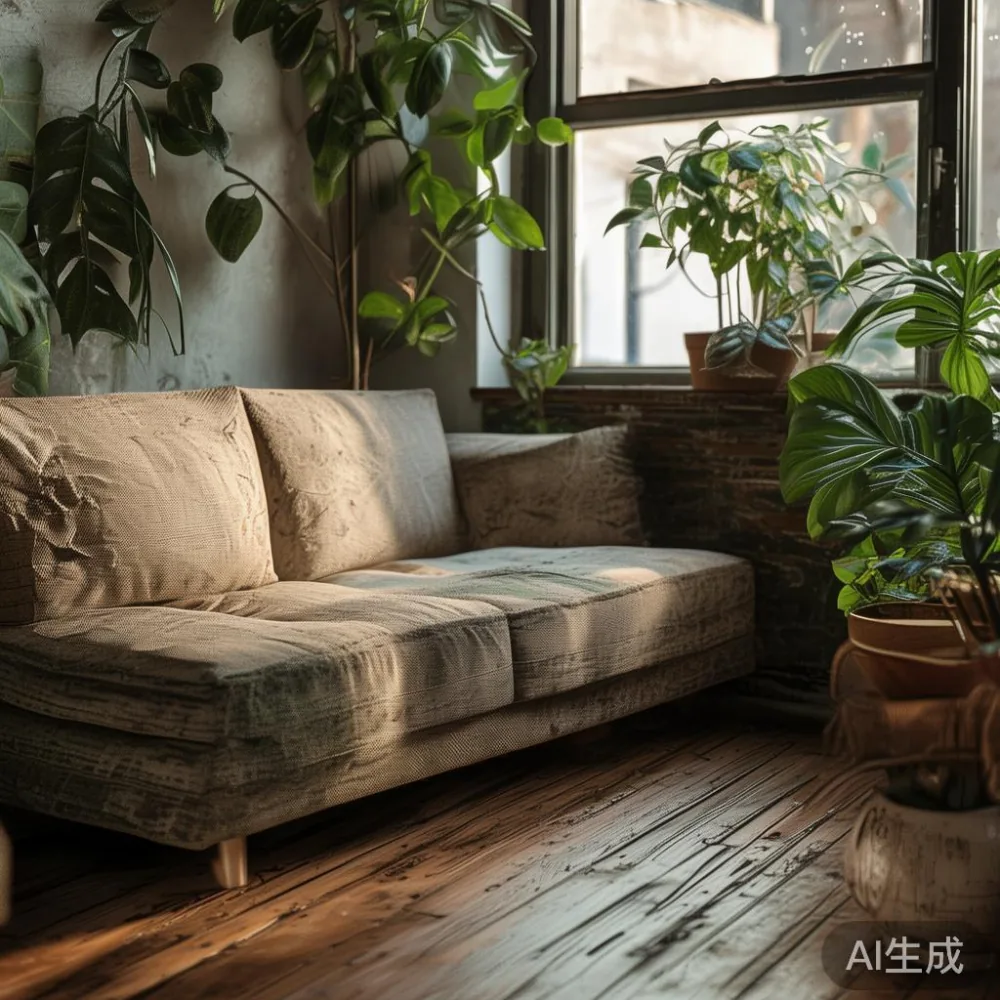
This guide explains those price drivers for Singapore buyers furnishing HDB flats and condos in Tampines, Bedok, Punggol and other districts. It also considers lift access, corridor turns, GST, delivery, fabric care and after-sales support. For a maker such as MIDHILL, established in 2008 and exporting to more than 15 countries, price should reflect identifiable materials and processes rather than vague claims about luxury.
Why do two solid wood dining tables cost different amounts?
The first price driver is the timber itself. A dining table made from solid oak usually costs more than one made from solid rubberwood, although the final figure also depends on grade, thickness and yield. Wood is sold by volume or board footage: a table using 0.08 cubic metres of timber and one using 0.06 cubic metres require different amounts of material. Knots, sapwood, colour variation and grain matching affect usable yield.

Species also change machining and finishing costs. Dense hardwoods can be slower to cut and sand, while resinous or highly figured timber needs careful handling. Oak, ash, walnut and teak each have different market prices. Marketing terms such as “solid wood” do not mean every component is the same species; a solid wood dining table may have a solid timber top with engineered components beneath it, while a wardrobe may use solid wood for visible frames and panels elsewhere.
Dimensions magnify the arithmetic. A 180 cm dining table for six people may require about 2.4 times the timber of a 100 cm table for four. A 220 cm table may use wider boards and more labor to control warping. Before comparing quotations, check the top thickness, leg section, extension method and underframe, not only the photographs.
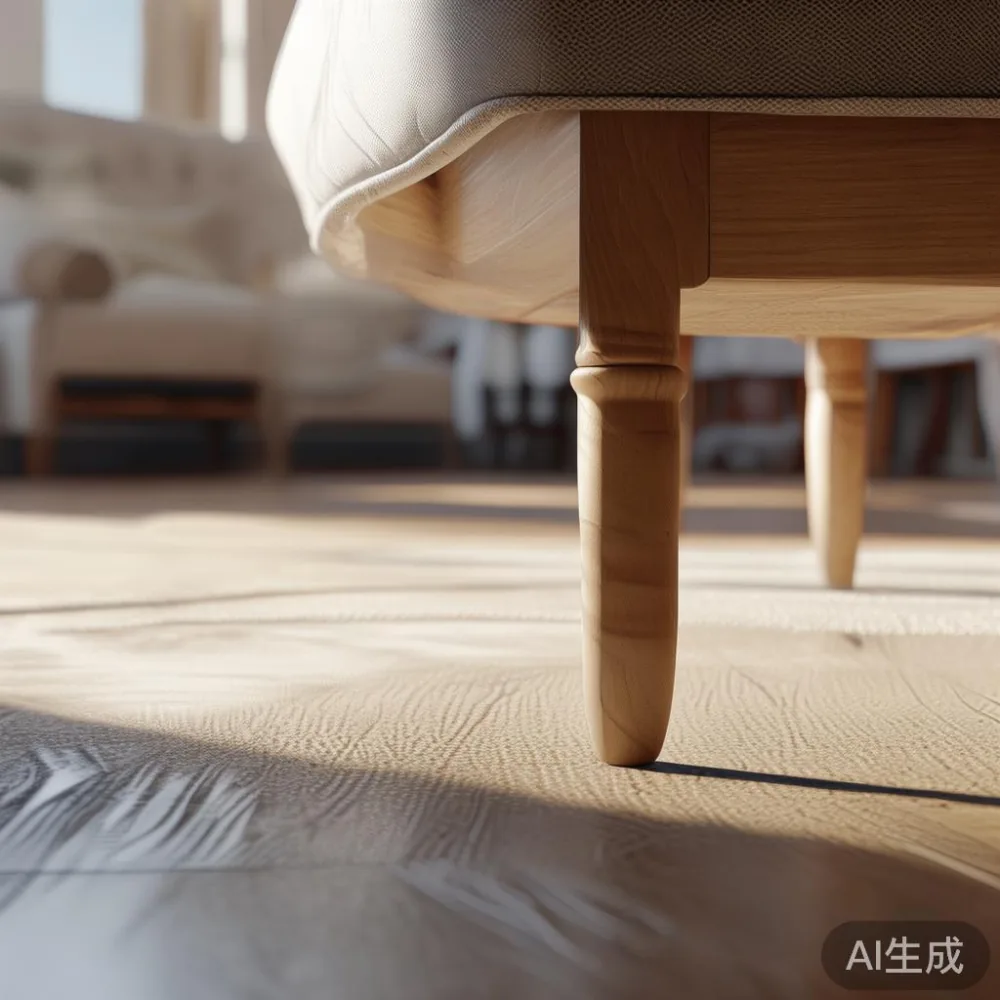
Joinery is another cost. Mortise-and-tenon joints, dowels, screws and concealed metal brackets have different labour and material requirements. A 210 cm long top may also need an engineered central support to limit sagging. The aim is not to pay for an invisible feature automatically, but to understand which construction solves a specific load and stability requirement.
How much do solid wood sofas and beds really cost in Singapore?
A solid wood sofa starts with the timber frame, but its price also reflects the seat system, suspension, cushion filling, upholstery and labour. A three-seat model typically measures 200–220 cm wide, with a seat height near 42–45 cm and a depth around 90–100 cm. A stronger hardwood frame may support heavier users, while webbing, springs or a combination affects comfort over 8–10 years of regular use.
For buyers comparing proportions and construction, how to choose American sofa is a useful exercise. An American-style sofa often has a broad silhouette, deep seat and substantial frame, so a 220 cm unit needs more timber than a compact 180 cm loveseat. The frame must also withstand repeated lifting, especially when it moves through a lift or around a corridor corner. Fabric selection adds another layer: performance upholstery may cost more than standard woven cloth, while a high-quality stain-resistant finish can increase the quotation by SGD 80–300.
That leads directly to fabric care. Good fabric care instructions should name the cleaning code and acceptable methods, including vacuum pressure, water temperature and drying treatment. A sofa that can be professionally cleaned every 6–12 months protects its value better than one whose covering cannot tolerate routine maintenance.
Bed frames follow similar logic. A queen bed commonly measures 152 cm by 190 cm in Singapore, although some local sizes differ. Solid wood bed frames must balance strength with weight. More timber increases material cost, but poor joint design can waste heavier timber without improving performance. Plywood, solid timber and metal support systems may each be suitable when specified honestly.
Design language also affects labour. French light luxury generally favours pale woods, restrained profiles, gentle curves and upholstered details. American light luxury tends to express heavier frames, larger dimensions and prominent comfort features. Post-modern light luxury may use unusual geometry and mixed materials. These approaches require different templates, edge profiles and assembly methods, so they are not simply timber packages with different labels.
For design comparisons, European light luxury bed vs Mid-century modern bed is less a question of which style is “right” than of material, clearance and maintenance. A tapered Mid-century modern bed may use thinner visual elements yet still need a reinforced centre rail. A European light luxury bed may combine a timber frame with an upholstered headboard, adding fabric, padding and stitching time.
Likewise, Japanese bed vs Modern bed depends on the brief. A Japanese-inspired platform may sit close to the floor at 20–30 cm, while a modern raised bed may stand 35–45 cm high. Low platforms can require shorter lift protection or a disassembled frame. If a resident in a Punggol HDB flat prefers 25 cm of under-bed clearance for storage, that practical requirement may matter more than a narrow price difference.
When comparing premium positioning, light luxury bed vs Italian light luxury bed should focus on the evidence: veneer sequence, joinery, finishing consistency, hardware operation and support. Italian design may justify a premium through sculptural detailing, but origin alone does not verify durability. Ask for photographs of the underside, close-ups of joints and the exact timber specification.
What makes a marble table worth its price?
A marble table combines stone selection with structural design. Natural stone varies considerably: white Carrara-style marble may show grey veining, while darker varieties may have stronger movement. Rare patterns can increase slab cost, but visual drama does not directly predict structural performance.
Thickness matters. A 180 cm dining table may use a 20 mm slab, while a 220 cm table may need 30 mm stone or additional supports. A heavier base can prevent flexing, but excessive weight creates a delivery problem. A marble top weighing 90 kg may need to travel on its edge or be separated from the base. Singapore lift dimensions, floor loading and stair access must therefore enter the quotation.
The support system also affects price. A central pedestal, four legs or a steel armature offers different visual effects and load distribution. Stone edges may be eased, honed or polished, and each process has labour implications. Protective treatment can improve resistance to stains, although it is not a substitute for careful fabric care or wipe-clean habits around a table.
Compare quotations by asking whether the marble is natural or reconstituted, the slab thickness, base material, treatment and replacement policy. “Marble-look” surfaces may be ceramic or sintered stone rather than marble. Honest descriptions prevent a lower-cost product from being compared with natural stone as if they were equivalent.
How much should quality hardware and finishes add to the price?
Hardware is easy to overlook. Drawer runners, hinges, sofa mechanisms and cabinet suspension systems operate daily, often for 10 years or more. Soft-close runners may add SGD 40–150 per drawer set; premium hinges can add SGD 20–80 per pair. A nightstand with 2 drawers and a solid timber carcass therefore costs more than an open-shelf model with the same visible wood area.
Finish quality is tied to preparation. Sanding through 80, 120 and 220 grit papers, sealing the surface, applying 2–4 coats and drying between coats takes time. A water-based finish may be less conspicuous than some solvent-based products, but the final sheen, grain clarity and repairability still matter. Edge sealing on a wardrobe or dining table helps resist moisture during Singapore’s humid periods.
Colour matching across a 6-door wardrobe is demanding because each panel is cut from a different part of the board. A consistent light oak appearance may cost more than a mixed-tone piece. Large surfaces also expose movement, so factories may use crown moulding, solid frames or restrained joint layouts.
For apartments, how to style Japandi wardrobe in apartment often comes down to proportion rather than spending more on ornament. A 240 cm wall may fit a 230 cm installation with only 5 cm of tolerance, so wall measurement, skirting depth and door swing should be checked before ordering. Sliding doors can save 60–100 cm of swing clearance, while hinged doors may be more practical where corridor space is limited.
Finishing information should include care instructions and expected wear. Fabric care applies only to upholstered elements, while timber needs its own guidance: wipe spills promptly, avoid standing moisture and use coasters. A stable finish and accurate care information add long-term value even when they do not create an obvious visual flourish.
How do Singapore delivery, lifts and corridors change the real cost?
Delivery can shift a furniture quotation by SGD 100–600 or more. The physical route matters. A Bedok condo lift measuring 100 cm wide by 210 cm deep may not accept a 220 cm dining table assembled, even if it can carry the load. A Tampines HDB common corridor with a 90 cm turn or a Punggol stairwell without a suitable lift can require partial disassembly.
Ask the supplier for packed dimensions and the largest assembled component, not merely the product dimensions. A 210 cm wardrobe can separate into 4 panels of 120–210 cm, but panels still need corridor clearance and floor protection. Allow at least 10–15 cm around large items during handling and confirm whether the lift has a protective pad or a 1-year booking requirement.
Standard delivery may take 7–14 working days after production, while made-to-order pieces commonly take 30–60 days. Peak periods can extend the schedule. Free shipping above US$350 is useful for cross-border purchases, but local GST, customs treatment and the cost of returning a large item should still be checked. Singapore GST is currently 9%; a displayed conversion may not include it.
Professional placement is also a price factor. Carrying a 75 kg marble table to the 12th floor needs more than ordinary doorstep delivery. Insurance, lift protection and white-glove room placement may be quoted separately. This is where a 10-year structural warranty and lifetime refinishing support become meaningful: they indicate ongoing service rather than only a boxed product.
I visited a Singapore showroom last month and watched the same walnut dining table change price by SGD 320 because the 220 cm version used a wider top and a reinforced underframe. The smaller model could enter the lift as one piece, while the larger one needed a split top and 2-person handling. The visual difference appeared small; the logistics did not.
To request a specification or delivery review, MIDHILL lists midhillco@gmail.com. Clear photographs of the lift, corridor and doorway can prevent an expensive access problem before dispatch.
What questions should you ask before paying a solid wood furniture premium?
Ask whether “solid wood” refers to the whole piece or selected components. Request the timber species, thickness, finish, joint method, board dimensions and any engineered material. For a dining table, check top and leg dimensions. For a sofa, ask about frame timber, suspension, seat height and removable covers. For a bed frame, confirm the internal dimensions and centre support.
Ask how the item will arrive. A supplier should be able to state packed dimensions, estimated delivery time, lift limitations and return arrangements. For 14-day returns, confirm whether the item must be unused and whether custom dimensions or upholstery are excluded. Local delivery terms matter because damage during a corridor turn is not the same as a manufacturing defect.
Finally, ask what happens after delivery. A 10-year structural warranty should define covered components and claim procedures. Lifetime refinishing may cover manufacturing defects or only service-related wear, so the wording matters. Proper fabric care instructions, timber maintenance guidance and realistic expectations are signs of a system designed for 10 years of use, not merely a sale closed today.
How should you compare two quotations fairly?
Compare like with like using a 6-point checklist: timber and grade, dimensions, construction, finish and hardware, delivery, and after-sales service. If one solid wood dining table is SGD 1,890 and another is SGD 1,290, examine the 2 cm difference in top thickness, the leg section, drawer hardware in a bed frame, or the marble slab support in a marble table. The less expensive piece may make a sensible trade; it is simply not identical.
Price is also shaped by design intent. French for dining room can mean pale oak, linen seating, curved backs and restrained table settings, but materials still carry the budget. A sculptural dining table may require complex tooling; a straightforward American-style frame may spend more on scale and comfort. The point is to connect every premium to a visible or functional feature.
Look for clear warranties, replacement parts and care support. MIDHILL’s 10-year structural warranty, lifetime refinishing and 14-day returns provide useful reference points when comparing a Singapore quotation with an imported order. Add GST, delivery, placement and likely maintenance to the purchase price, not after checkout.
A sound solid wood furniture purchase is not the one with the largest number in the catalogue. It is the one whose timber, dimensions, joints, finish, access plan and service terms match your home and daily routine. In Singapore, a measured 80 cm corridor and a 90 cm lift opening can affect value as much as 2 cm of timber. Good fabric care, prompt spill removal and sensible placement then preserve both appearance and resale potential over many years.