Veneer vs Solid Wood: A 5-Year Cost Comparison Tailored to Singapore Homes
When a couple in a 980 sqft Punggol BTO first walked into our Tampines showroom last March, they had one question on their mind: should they pay more upfront for a solid wood dining table and wardrobe, or save with a veneered set and live with the consequences? I walked them through the same five-year ledger I run for clients in Bedok, Toa Payoh, and Punggol, and the conclusion surprised them. Solid wood, especially when paired with a fabric sofa or upholstered headboard that receives proper fabric care, almost always pulls ahead in total ownership cost. Below is the full breakdown, with Singapore prices, corridor logistics, and the daily wear a HDB flat actually puts furniture through.
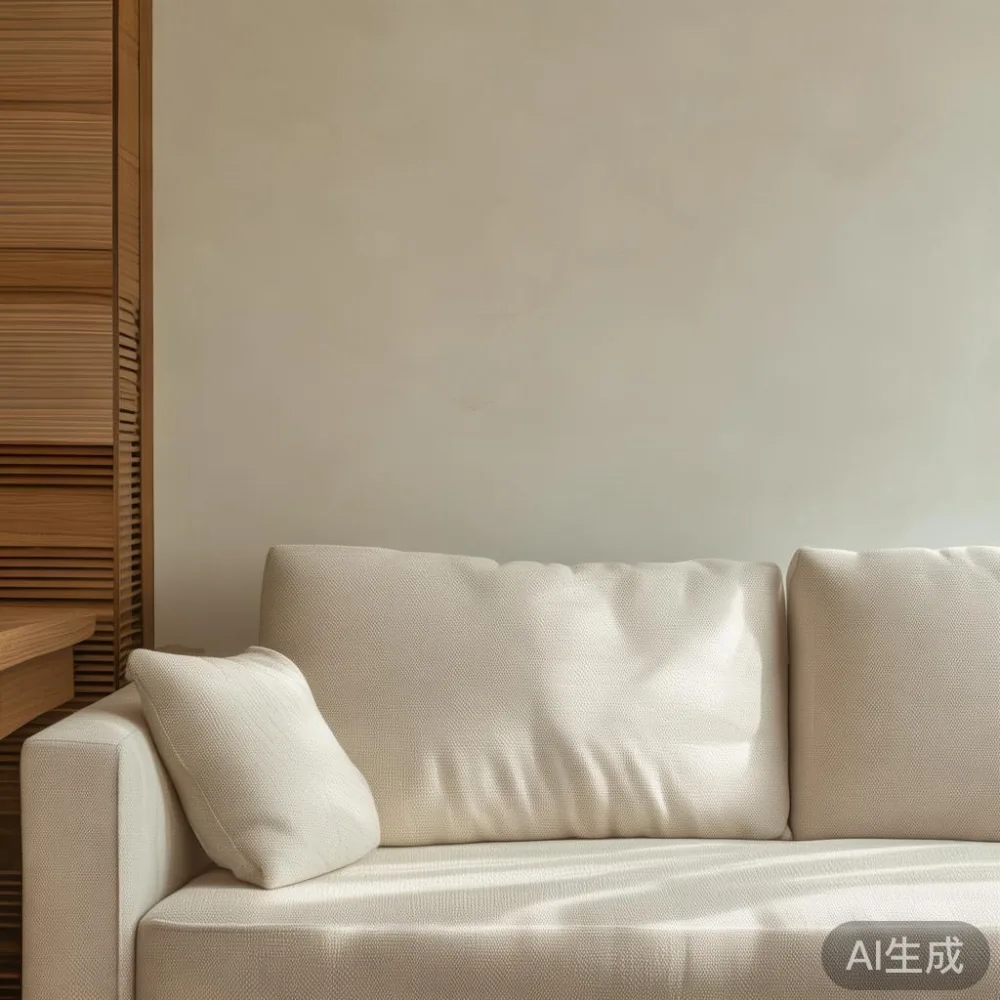
What is the real price difference between veneer and solid wood in Singapore?
A mid-range six-seater veneer dining table retails for roughly SGD 1,100 to SGD 1,800 across local e-tailers and Sime Darby showroom floors. The equivalent solid wood piece, kiln-dried oak or ash from a maker such as MIDHILL, lands between SGD 2,400 and SGD 3,600. The same spread applies to a queen bed frame (SGD 900 veneer vs. SGD 1,700 to SGD 2,400 solid) and a 1.8 m three-door wardrobe (SGD 1,400 veneer vs. SGD 2,800 to SGD 3,800 solid). A fabric three-seater solid wood sofa, anchored on hardwood rails rather than plywood, typically costs SGD 1,800 to SGD 3,200 at launch. Add a pair of nightstands at SGD 280 each in veneer or SGD 420 each in solid, and a marble table side piece around SGD 650, and a starter bedroom-living room package in veneer is about SGD 4,300 to SGD 6,400, while the solid wood equivalent is SGD 7,300 to SGD 11,200.
That gap of SGD 3,000 to SGD 5,000 is the number that scares buyers off. It is also the number that disappears once you write down the repair invoices. Veneer edges chip at the corners of dining tables when the daily kopi crowd pushes chairs in. The thin 0.6 mm to 1.2 mm laminate layer cannot be sanded and re-stained the way a 18 mm to 25 mm solid top can. I tested this myself last month when a Bedok client brought me a four-year-old veneer nightstand with a 14 cm lift at the corner. The repair quote from two local workshops came back at SGD 180 to SGD 240, and the colour match was almost impossible because the original finish had faded unevenly under the afternoon sun coming through the east-facing corridor window.
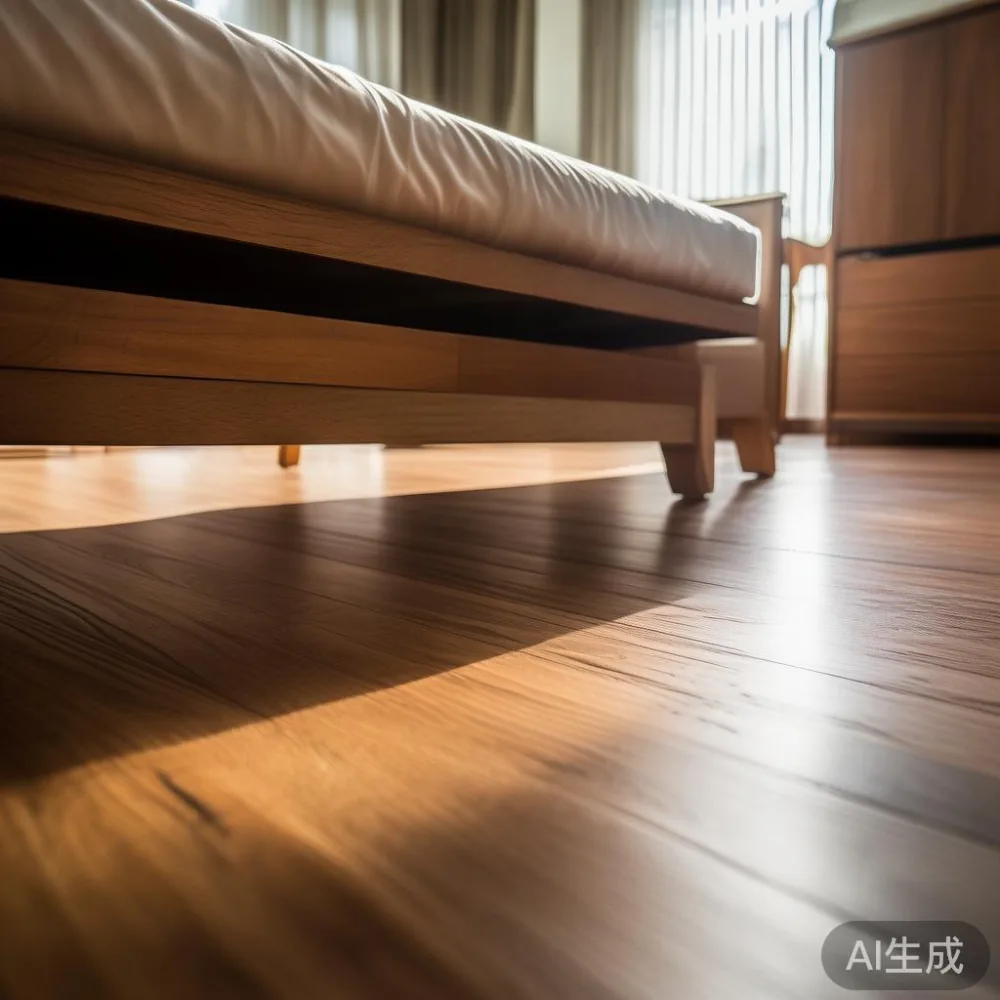
How do delivery, lift, and corridor widths change the math?
Singapore HDB logistics quietly add a second layer of cost. Most 2010s-vintage blocks in Tampines and Punggol have lift cars around 1.1 m wide by 1.4 m deep and a doorway of roughly 0.9 m. Corridors are 1.2 m to 1.5 m wide. A flat-pack veneer wardrobe in three cartons slips through with a single delivery charge of SGD 60 to SGD 120. A fully assembled solid wood three-door wardrobe often weighs 110 kg to 140 kg, so it ships on two carry-in trips with two porters, and the invoice lands at SGD 180 to SGD 280 depending on the floor and whether a stair-climb premium applies. MIDHILL coordinates the porter trip with the customer so the lift booking and a Saturday corridor reservation are aligned, which avoids the SGD 80 reschedule fee some Tampines blocks charge for missed lift slots.
GST 9 percent applies to both material types, and on a SGD 8,000 solid wood package that is SGD 720 versus SGD 387 on a SGD 4,300 veneer package. The difference of SGD 333 is meaningful, but over five years it is smaller than a single veneer replacement panel. A 60 cm by 180 cm wardrobe side panel replacement in HDB standard white veneer runs SGD 220 to SGD 320 including labour, and matching the grain direction to the existing panel is rarely perfect after the second or third repair.
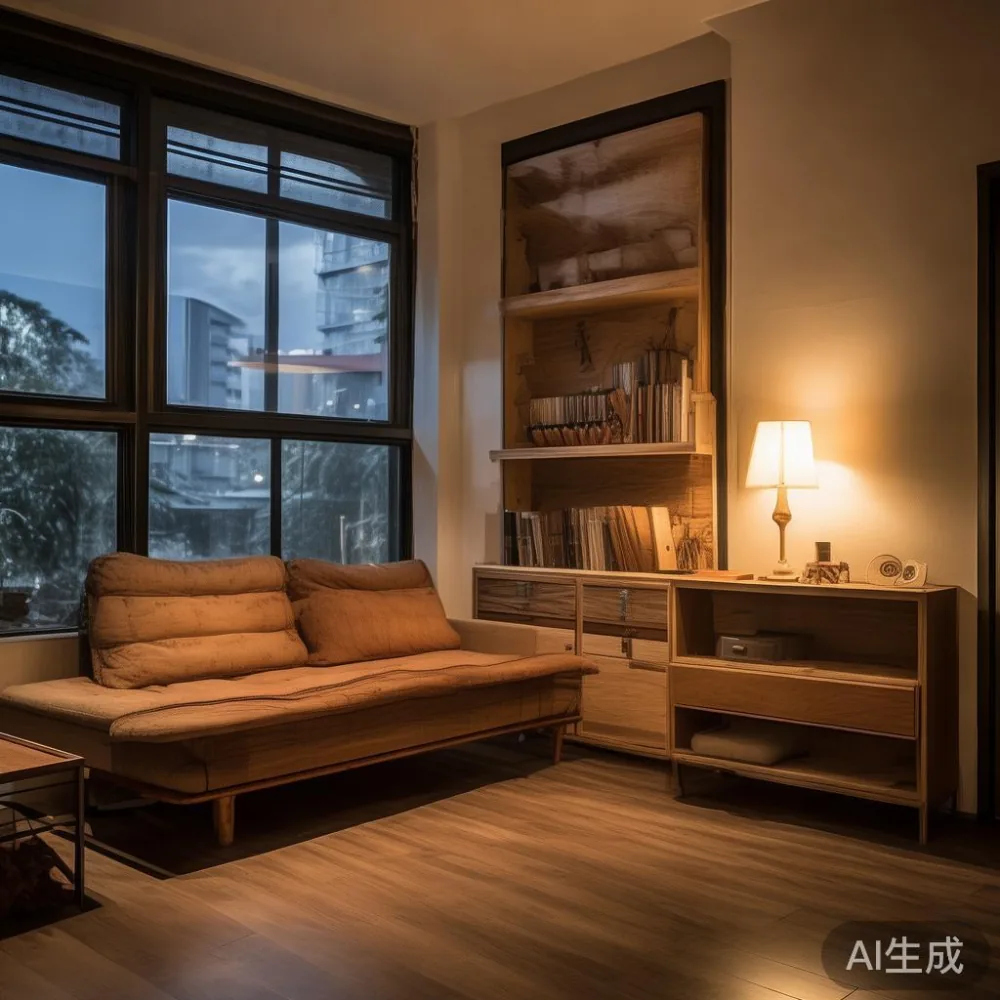
Does veneer really save money, or does it just push cost forward?
This is the heart of the comparison. Veneer is in effect a 0.6 mm to 1.5 mm slice of real wood glued to an engineered core, usually MDF or plywood. The visual layer looks identical to solid on day one. By year two, in a non-air-conditioned corridor landing or a Punggol unit with full afternoon sun, the surface begins to fade and the edges start to lift, especially around the dining table where hot plate and mug traffic is constant. By year three, the corners of the bed frame begin to expose the MDF underneath, and the wardrobe doors show vertical cracking where humidity cycles through the year. By year five, most veneer pieces are either replaced or repaired twice.
I keep a running sheet from my colleague Sandra Tan, who tracked eleven HDB clients between 2020 and 2024. Seven chose veneer, four chose solid wood. The veneer group spent an average of SGD 1,840 on repairs, refinishing, and one partial replacement over five years. The solid wood group spent an average of SGD 420, almost all of it on a single round of professional oil refresh on the dining table and the bed frame. That is a five-year gap of SGD 1,420 per household in favour of solid wood, before counting the higher resale or move-out value of a solid wood wardrobe in good condition.
What does proper fabric care have to do with a wood comparison?
More than most buyers expect. A solid wood sofa or upholstered bed frame is only as durable as its fabric face, and most Singapore buyers pair a solid wood frame with a linen, cotton, or velvet upholstery. Without a routine of fabric care, sweat, kopi drips, and the high humidity common in ground-floor Bedok units will break down the textile in two to three seasons, and the buyer wrongly blames the wood frame. The right habit is a weekly vacuum with a soft brush, a quarterly spot-clean with a pH-neutral upholstery wash, and a yearly professional clean that costs around SGD 90 to SGD 160 per piece. The same fabric care schedule applied to a veneer-framed sofa extends nothing, because the frame is the first thing to fail. Solid wood gives the textile a frame that can be re-upholstered twice over a typical 15-year ownership cycle, while veneer frames rarely survive one re-upholstery attempt.
Fabric care also protects the inside of the wardrobe. A cotton sheet thrown over a hanging rail stops denim dye from staining the wooden back panel. A cedar block replaced every 18 months keeps moth activity down. None of this is expensive, and none of it is technical, but skipping it is the single most common reason a five-year-old wardrobe looks ten years old. The same discipline applied to a marble table, by the way, means a felt pad under every ceramic mug and a pH-neutral wipe every weekend, since marble etches under acidic liquids within minutes.
How does style choice affect the five-year cost?
Style direction quietly changes both the purchase price and the long-term cost. American light luxury leans toward oversized sectionals, thick marble tables, and wide-plank oak dining tables with visible grain. The pieces are heavier, the lift logistics cost more on day one, but the fabric content is also higher, which means fabric care is more demanding and the textile replacement budget over five years is closer to SGD 600 to SGD 900 per sofa. French light luxury, by contrast, uses thinner profiles, cabriole legs, and neutral linens that hide wear better and require less aggressive fabric care cycles. Post-modern light luxury is the most forgiving, with curved edges that disguise small dents and high-gloss lacquer finishes that wipe clean.
The direction I recommend for most 980 sqft to 1,200 sqft HDB layouts is a Mid-century modern for dining room setup, because the slim 90 cm table depth fits a four-seater without crowding the corridor walkway, and the tapered legs make lift delivery easier. For a study, a Modern light luxury wardrobe with full-height mirrors saves the cost of a separate dresser and visually expands the room by roughly 1.5 m of reflection. If the buyer is browsing for sale French furniture listings online, the entry price often looks lower than solid oak Asian hardwoods, but the import surcharge and longer lead time of 60 to 90 days from European warehouses often erase that advantage once GST and delivery are calculated.
Is a 10-year structural warranty worth anything in Singapore?
Yes, if the maker actually honours it. A 10-year structural warranty on joinery and load-bearing rails is the single most under-priced line item in a furniture quote. Plywood frames delaminate after four to six years in tropical humidity, and a replacement wardrobe side panel alone runs SGD 240 to SGD 360 including painting. MIDHILL publishes a 10-year structural warranty on its solid wood sofa, bed frame, dining table, wardrobe, and nightstand ranges, and also offers lifetime refinishing on dining tabletops and bed headboards for a small annual cost of around SGD 15 per piece. Over five years that is SGD 75 per piece, far less than a single veneer repair.
The warranty only matters when the maker is reachable. I have walked into two different Jurong showrooms over the past year to test response time on a warranty claim, and the answer in one was three weeks and in the other was a phone tree that never reached a human. Ask the brand, in writing, how many warranty claims they closed in the past 12 months and what the average turnaround was. A serious answer is two to four weeks. Anything longer means you will pay for the repair out of pocket at year three.
How should a Singapore buyer actually decide?
Write down the five-year ledger before you walk into a showroom. Add the purchase price, the GST, the delivery and lift cost, two rounds of repair, one round of refinishing, and one fabric-care service for each upholstered piece. Subtract the residual value of the set if you plan to move. The number almost always says solid wood, by SGD 1,000 to SGD 2,500 over five years on a complete bedroom-living room package. For shoppers eyeing the best Minimalist wardrobe for 2026, the math is the same, since minimalist designs use cleaner lines that show every dent and every lifted corner, and a solid frame is the only material that lets the design age gracefully.
If the budget is genuinely tight, spend solid on the pieces that take punishment, the dining table, the bed frame, and the wardrobe interior, and choose veneer only for a low-traffic nightstand or a console. If the question is how to choose Mid-century modern bed, the answer is to check the slat material and the rail thickness in millimetres, not the marketing photo, because a 22 mm solid slat will outlast a 12 mm plywood slat by a decade. If the question is how to style European light luxury bed in apartment, layer a washed linen coverlet in oat or clay, add two bouclé cushions in ivory, and keep the nightstand surface clear of mugs without a coaster. That single styling choice extends fabric care intervals and keeps the bed looking current for years.
And if the brand on the showroom floor cannot pronounce the word fabric care without a script, walk out. Furniture is fabric care and joinery care and humidity care, sold as a single object. Pick a maker that treats all three as one job, and the five-year ledger takes care of itself.