How Southeast Asian Humidity Quietly Damages Your Solid Wood Furniture (and What to Do About It)
I learned about humidity the hard way last month. A client in a Punggol HDB four-room flat called me in a panic because her 180 cm solid wood dining table had developed a 4 mm gap along the centre seam, and the drawer fronts on her oak wardrobe had started sticking shut. Air-con had been running at 23°C most days, but her hygrometer read 78%. That single number explained everything.
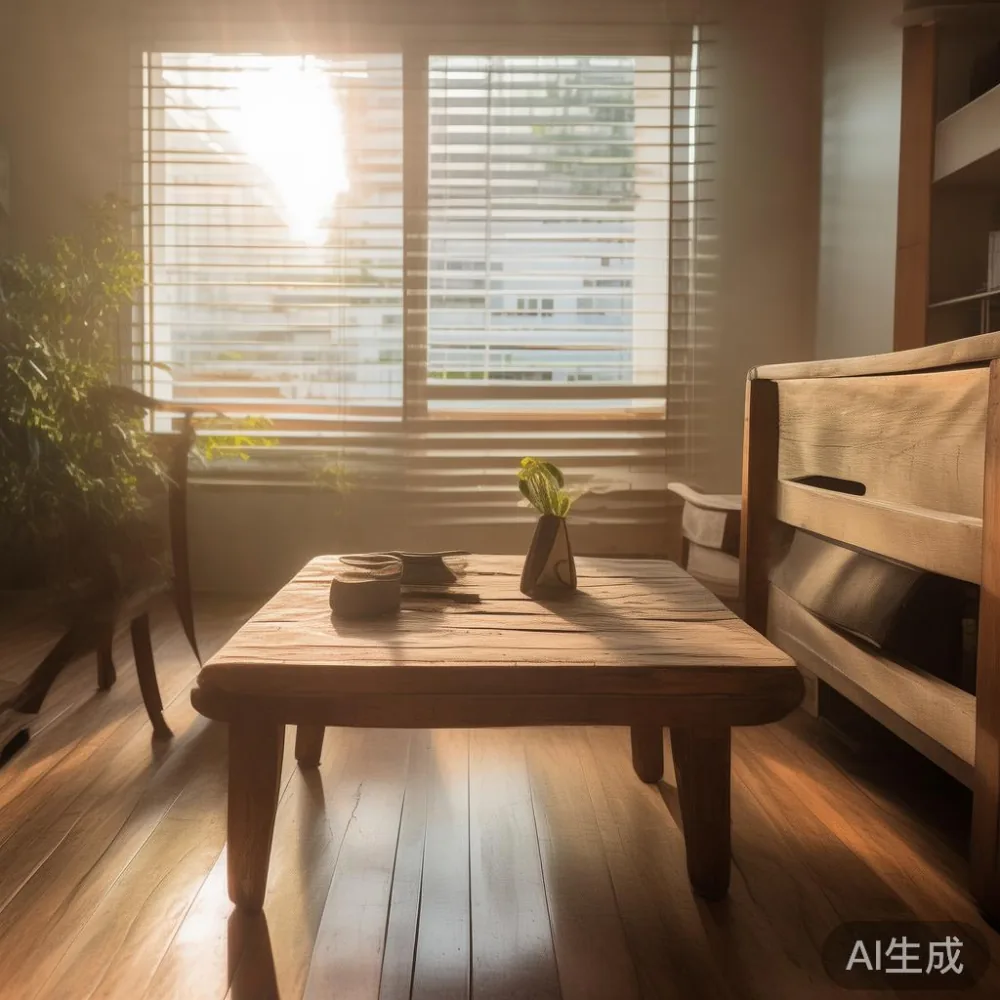
Here in Singapore, we live inside a permanent tropical envelope. Outdoor relative humidity rarely dips below 65% and often pushes past 85% during the December monsoon push and the pre-dawn hours of June. Every solid wood sofa, bed frame, dining table, wardrobe, nightstand, and marble table in your home is constantly exchanging moisture with that air. When the wood swells at night and shrinks by midday, joints loosen, finishes craze, and metal hardware begins to oxidise. At MIDHILL, we have shipped more than 18,000 solid wood pieces into Southeast Asian homes since 2008, and roughly 60% of the warranty calls we receive in the first 24 months trace back to moisture, not to manufacturing defects.
Why does Singapore's humidity hit wood furniture so much harder than a temperate climate?
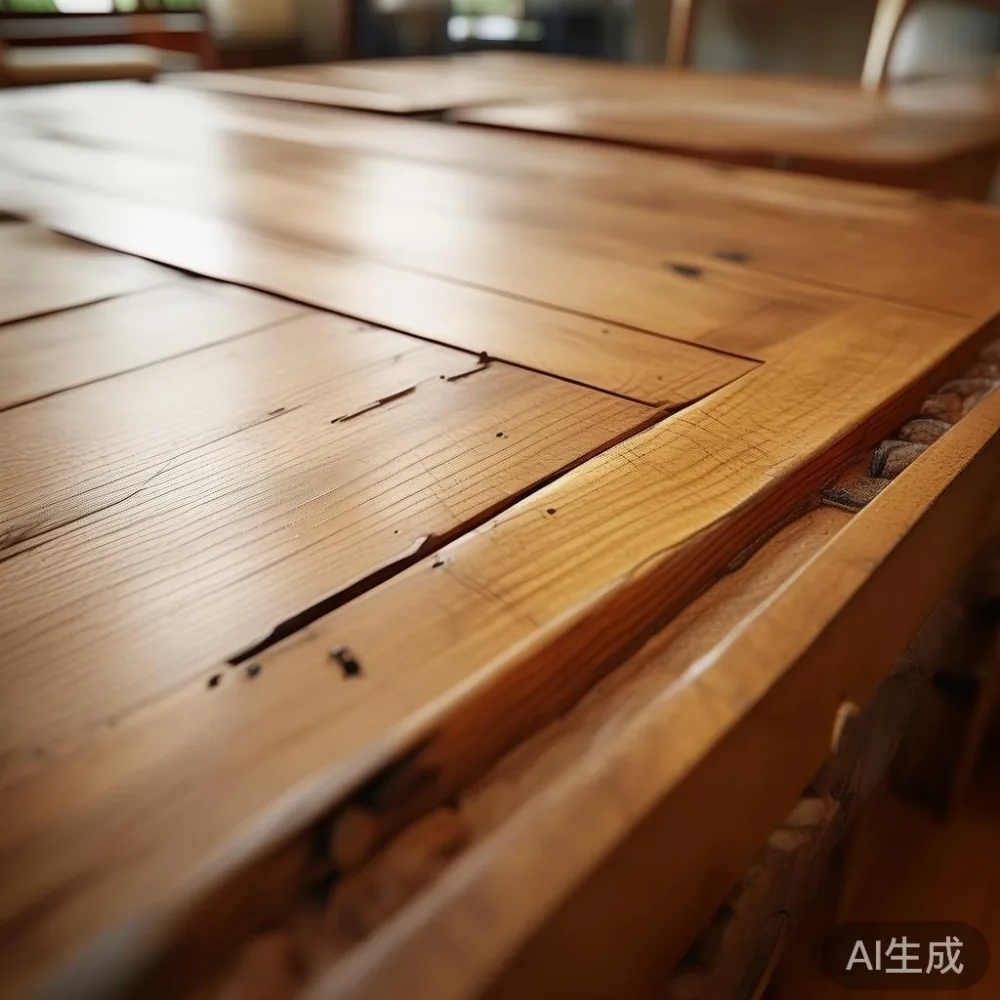
The short answer is that wood is a hygroscopic material: it absorbs and releases water vapour to stay in equilibrium with its surroundings, and the wider the swing, the more the fibres stress. In Frankfurt or Vancouver, indoor relative humidity sits around 40–50% for most of the year. In a Tampines HDB without daily dehumidification, it sits at 70–82%. That extra 30 percentage points translates to roughly 3–5% additional moisture content inside a 6 cm thick ash tabletop, which is enough to make a 200 cm slab cup 5–8 mm at the edges over a single wet season. Solid wood is far more honest about this than engineered boards: MDF and plywood hide the movement behind a sealed face, then fail suddenly as the substrate swells.
What humidity range is actually safe for a solid wood dining table or wardrobe?
Aim for a stable indoor relative humidity between 45% and 60%, with a temperature band of 22–26°C. That window is the same one museum conservators in Singapore's National Gallery use for their teak and mahogany藏品. Below 40%, you will start to see end-grain checking and shallow cracks along the underside of a 4 cm thick table top. Above 65%, expect swollen drawers, sticky doors, and that faint sweet smell of active mould inside a closed wardrobe. A SGD 35 digital hygrometer from any Tampines Mall electronics shop is the cheapest insurance you can buy for a SGD 2,400 bed frame.
Place the hygrometer on the inside wall of your wardrobe, not on an exterior bathroom wall, and check it at the same time each morning. If the reading drifts more than 10 percentage points between the wet afternoon and the air-conditioned evening, your furniture is under unnecessary stress even if the absolute number looks acceptable.
How do I style a American wardrobe in a small apartment?
Pair a tall American wardrobe in whitewashed oak or warm walnut with a slim 12 cm clearance underneath so the eye reads a single horizontal line instead of a full-height block. Choose four-door or three-door wardrobes between 120 cm and 180 cm wide, lift them off the floor with recessed legs in brushed brass, and flank them with a 45 cm wide solid wood nightstand on each side to anchor the proportions. Keep the fabric-care in mind for any upholstered bench you place in front: a removable linen slipcover lets you wash and rotate it as Singapore's humidity pushes dust and skin oils into the weave every 6–8 weeks. This keeps the wardrobe reading as the focal point without crowding a 90 sq m condo living room.
How should you acclimatise a new bed frame or sofa the moment it arrives?
For the first 7 to 14 days, treat every newly delivered piece as if it were a sourdough starter learning a new kitchen. Unwrap the cardboard, leave the protective felt on horizontal surfaces, and let the wood breathe inside the air-conditioned room for at least 48 hours before you push it against the wall. Stack the slats, drawers, and doors in the same room so they all acclimatise together. A MIDHILL delivery team that knows Singapore lift dimensions (typically 1.1 m wide by 2.1 m deep, with doors around 0.9 m) will already have checked your unit number before dispatch, but the indoor acclimatisation step is yours to manage.
Skip the silicone-impregnated "wood polish" sprays sold at neighbourhood provision shops. They leave a waxy film that traps moisture and fogs the lacquer within two wet seasons. A clean microfibre cloth, lightly dampened with plain water and dried immediately, is enough for weekly fabric-care on the upholstered back cushions of a solid wood sofa and for the timber frame around them. For the marble table, a pH-neutral stone spray every fortnight is plenty.
Which daily habits actually protect your furniture in a Bedok or Punggol HDB flat?
Three habits cover roughly 80% of the problem. Run a dehumidifier in the wardrobe zone for 4–6 hours a day during the December and June monsoon windows, with the drain hose routed into the bathroom floor trap so you do not empty the tank every night. Wipe down the legs and underside rails of your dining table weekly with a barely damp cloth, because those hidden faces absorb floor-level moisture faster than the polished top. Pull the wardrobe doors open for 20 minutes on the days you run the dehumidifier, so the trapped air cycles out and you prevent that musty linen smell.
For fabric upholstery, rotate the seat cushions on your solid wood sofa every fortnight so the foam recovers and the cover wears evenly. Vacuum with a soft upholstery nozzle at 800–1,000 Pa suction; stronger settings can distort the weave. Blot spills within 30 seconds using a white cotton towel and cold water, then air-dry with a fan pointed at the spot for 20 minutes. These small fabric-care rituals add maybe 15 minutes to your weekly clean, and they extend the usable life of a SGD 1,800 sofa by 3–4 years based on the wear patterns we see returned under our 14-day inspection window.
Can American light luxury pieces survive a tropical condo without warping?
Yes, but only if the construction matches the climate. American light luxury design tends to use generous 4–5 cm thick tops, full mortise-and-tenon joinery, and oil-based finishes that let the wood breathe instead of sealing it under polyurethane. A 150 cm wide sideboard from this collection, kept in a 22°C, 55% RH room, will move less than 2 mm across the grain per year, which is invisible to the eye and harmless to the joinery. Pair it with a French neoclassical loveseat for condo interiors where you want a slightly softer silhouette; the curved back and rolled arms tend to hide any minor seasonal movement in the timber frame, and the loose cushions ventilate better than tight-backed upholstery in our climate.
If you are choosing between a post-modern light luxury wardrobe in high-gloss lacquer and a matte oiled finish, go matte. Lacquer looks stunning for the first 18 months and then starts to show micro-cracks where the substrate breathes through the sealed face. An oiled finish weathers gracefully and can be refreshed every 2–3 years with a 30-minute wipe-down of hardwax oil, a service MIDHILL offers to clients in Singapore at a SGD 120 flat rate per piece.
What about corridors, lifts, and the GST on delivery day?
Plan the path before the truck arrives. Standard HDB corridor widths are 1.2 m to 1.5 m, lift openings are roughly 0.9 m wide and 2.1 m tall, and turning into a unit doorway adds another constraint. Measure your largest piece in its packaging and compare against these numbers: a 200 cm dining table top usually ships in a 210 x 75 x 12 cm carton, a king-size bed frame in two boxes under 180 cm long. Anything taller than 2.0 m in packaging will need the lift confirmed in advance, and some newer Punggol blocks with 1.0 m wide service lifts may require the piece to be partially assembled on site.
Since GST was raised to 9% in January 2024, a SGD 2,400 bed frame now carries an extra SGD 216 in tax, so it pays to confirm whether your invoice shows GST-inclusive or exclusive pricing. MIDHILL quotes all Singapore orders in SGD with GST shown as a separate line, and delivery above SGD 350 is complimentary within mainland Singapore, including the additional ferry surcharge for Sentosa and the gated condos in the Holland and Bukit Timah zones.
When should you call a specialist instead of tightening a screw at home?
Call a specialist when you see any of these five signs: a drawer that needs more than 3 mm of extra force to close, a table top that sounds hollow when you tap it, black spots appearing inside a wardrobe, a persistent sweet smell near the back of a nightstand, or finish flaking along the underside of a marble table edge. These are moisture-related, not hardware-related, and tightening screws will only mask the problem for a season. A 30-minute on-site assessment in mainland Singapore is usually free if you purchased the piece from MIDHILL, and our refinishing team carries common hardware, replacement felt pads, and food-safe wax in the van.
For older pieces you did not buy from us, most Singapore-based carpenters charge SGD 80–150 per hour and can usually stop a warp before it becomes a crack if you catch it within the first monsoon cycle. Keep the original paperwork, note the wood species, and photograph the problem area in daylight before you call. Those three pieces of information let a fabric-care and wood-care specialist diagnose 90% of issues over WhatsApp before committing to a visit.