Fabric Care: Choosing the Right-Sized Furniture for Singapore HDB Living Rooms
I still remember measuring the corridor on the 12th floor of a 4-room HDB in Tampines with a tape measure stretched between two opposite walls: 1.18 m at the tightest point. The skipper carrying a 2.4 m Italian light luxury oak storage bench could not pivot the piece horizontally, so we laid it on a furniture dolly and walked it in lengthways. That single visit taught me that "right size" for Singapore homes is not a style question, it is a logistics question you solve with a tape measure before you solve it with a mood board.
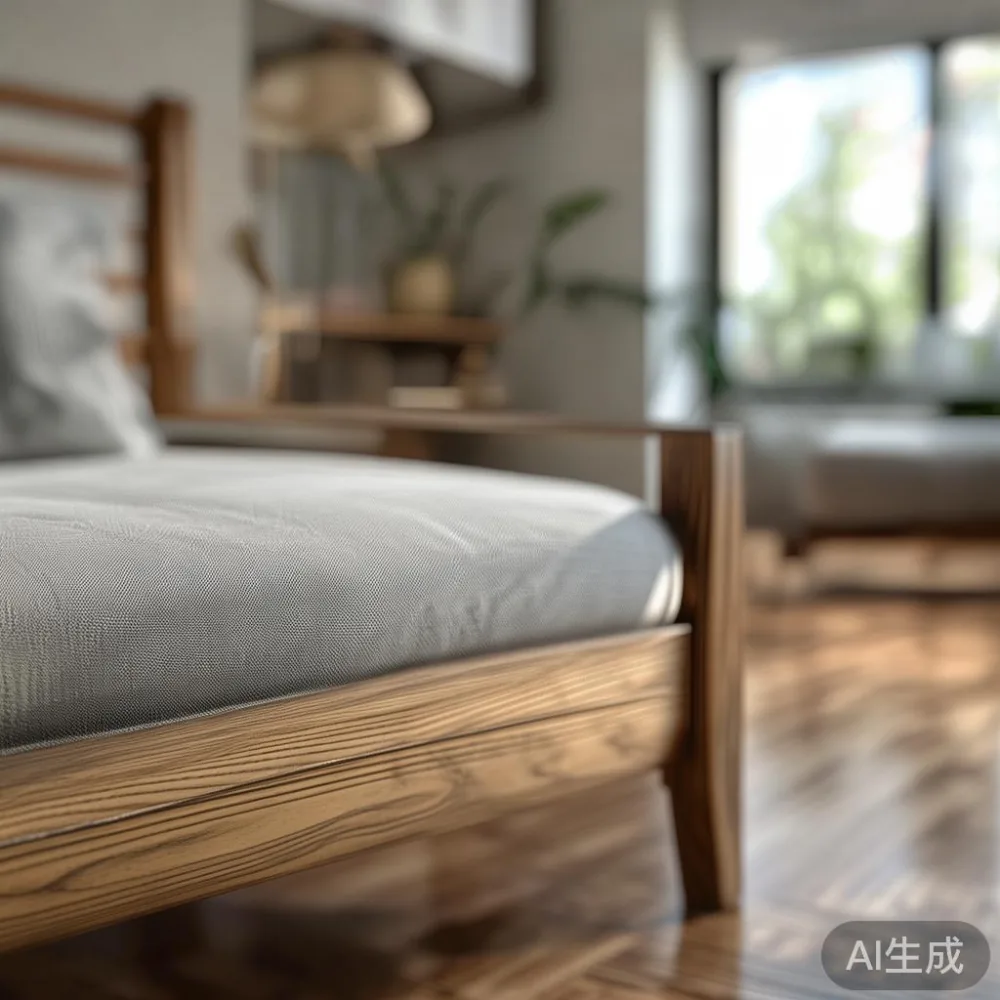
Below is a 15-minute method I now use every time I help a homeowner in Singapore size furniture for an HDB or condo living room. It covers door lifts, corridor widths, room dimensions across BTO, resale, and EC flats, and the practical limits of solid wood sofas, dining tables, wardrobes, and bed frames you actually find on the local market.
Step 1: Measure the corridor, lift, and front door before measuring the room
Most buyers start by measuring their living room. I do the opposite. I measure the path between the loading bay and the front door. Singapore lift doors on HDB blocks are typically 0.9 m wide and 2.1 m tall, with a cabin depth of 1.5 m to 1.7 m. Service lift doors on newer BTOs in Punggol and Sengkang are wider, but many still top out at around 2.3 m of vertical clearance, which matters for any tall wardrobe or headboard.
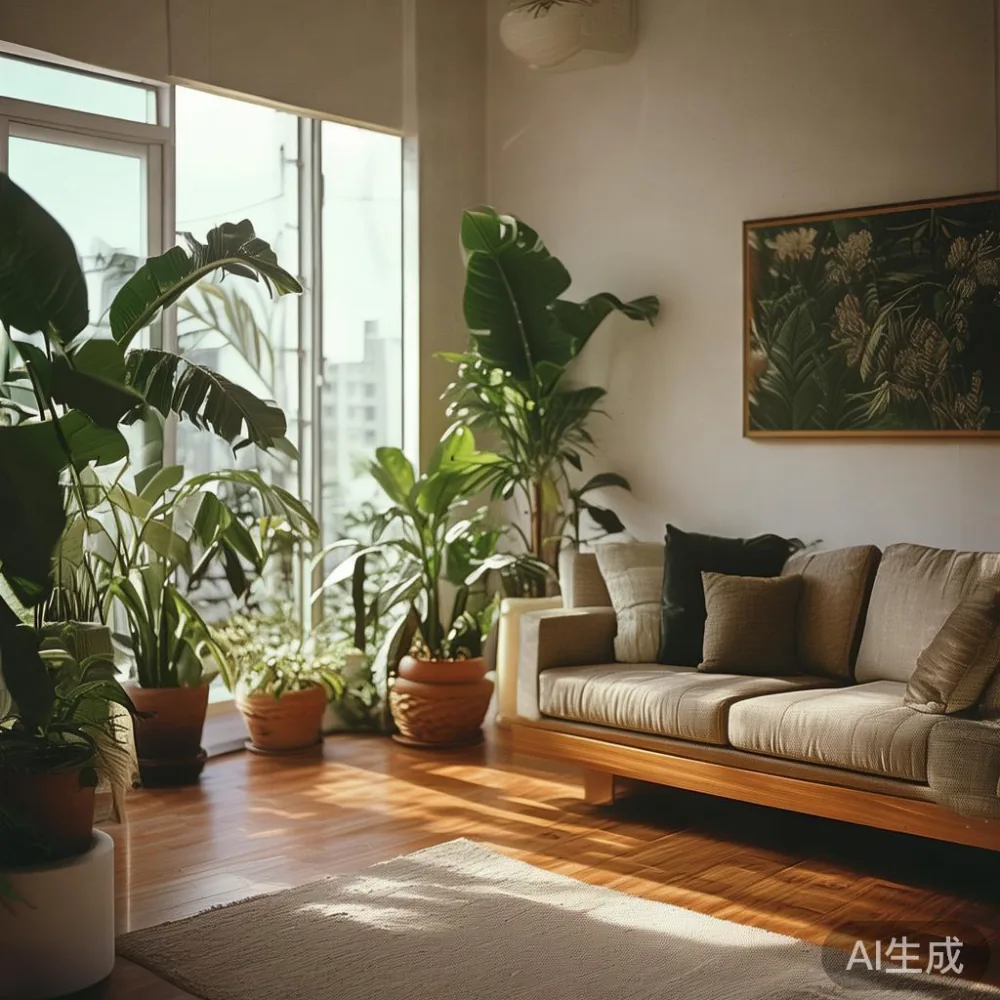
Corridor widths on HDB floors are 1.2 m to 1.4 m in older blocks and around 1.5 m in newer ones. A 2.4 m sofa will not pivot in a 1.2 m corridor. Even a 1.8 m three-seater solid wood sofa can stick at the lift corner. Write down three numbers: lift door width, lift cabin depth, minimum corridor width on the route. Anything wider or taller than those three numbers will not reach the flat, period.
One more number: the front door. Most HDB entrance doors are 0.9 m wide by 2.1 m tall. Condo doors vary. I measured 0.95 m on a unit in Bedok last month and 1.0 m on a unit in River Valley the week before. That is your hard ceiling for any single piece that cannot be disassembled.
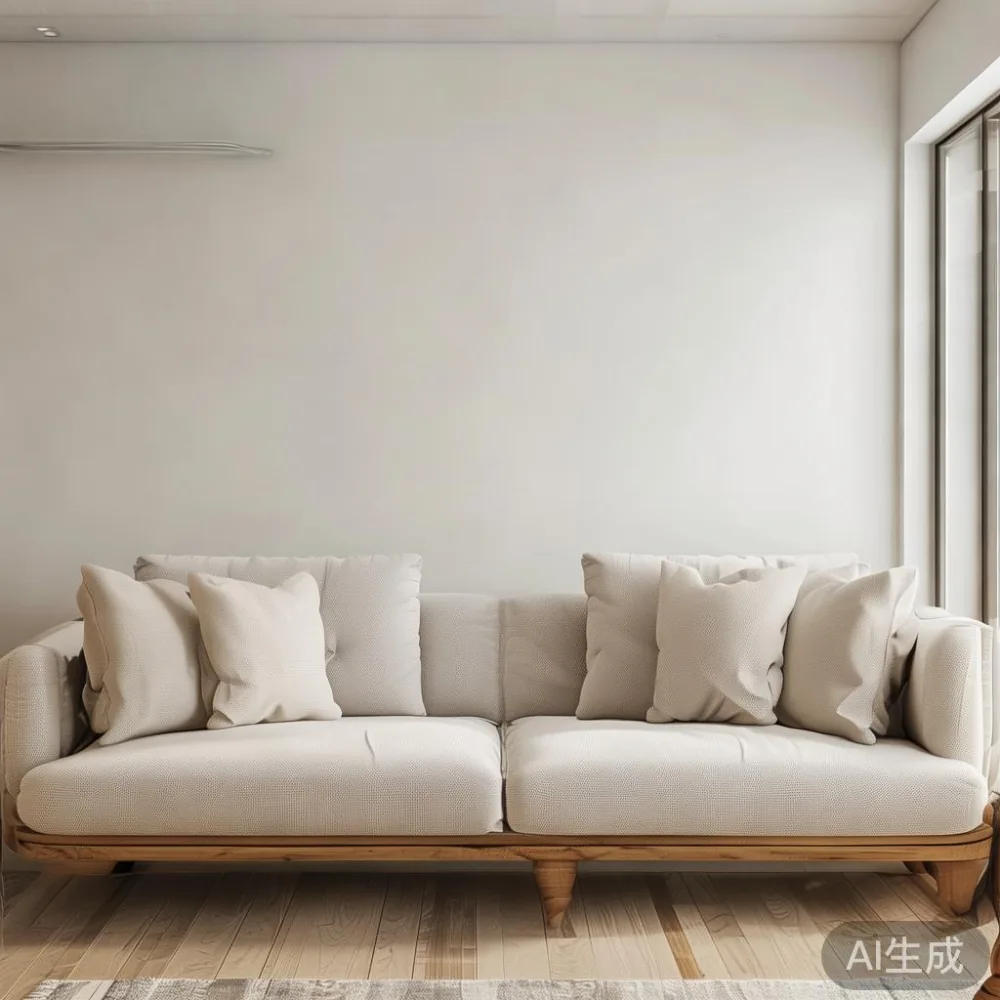
Step 2: Sizing rules for the three core HDB living room layouts
A 4-room BTO living room in Tampines or Punggol typically measures 3.2 m to 3.6 m wide by 4.0 m to 4.5 m deep. A 5-room flat adds another 0.5 m of width, often pushing to 3.8 m. A 3-room flat, common in older Bedok blocks, can sit closer to 2.8 m wide by 3.6 m deep. These are not abstract numbers, they decide whether a 2.6 m L-shape sofa or a 2.0 m two-seater is even on the table.
For a 4-room layout, I aim for a primary seating piece no deeper than 0.95 m, no longer than 2.2 m. A 2.4 m L-shape works only if the long side runs along the longer wall and you keep 80 cm of walking clearance behind the back. A marble top so you can pair a 1.2 m round dining set or a 1.4 m rectangular table works in most 4-room flats; a 1.6 m table needs the room to be at least 3.6 m wide, otherwise the chairs collide with the sideboard.
For a 3-room layout, the rule is simpler: under 2 m for the longest sofa, under 1.2 m for the dining table, and a TV console no deeper than 38 cm if the walkway is under 70 cm. Anything bigger eats the room.
Step 3: Match furniture footprint to room footprint, not the other way around
Here is the ratio I use: the largest floor footprint in the living room should be no more than 30 percent of the floor area, and the walking aisles should be at least 70 cm wide. A 3.4 m by 4.2 m living room is 14.28 m². Thirty percent is about 4.28 m². A 2.2 m by 0.95 m solid wood sofa is 2.09 m², plus a 1.2 m round coffee table at 1.13 m², plus a 1.5 m TV console at 0.45 m², plus a 0.5 m side table. That is roughly 4.17 m² of furniture footprint, right at the ceiling. Anything more and the room stops breathing.
I bring a roll of masking tape to every home visit. I lay out the footprint of the sofa, the dining table, and the bed frame on the floor before the buyer commits to a single dollar. Buyers in Singapore routinely buy a 2.6 m sofa for a 3.2 m wide room because the showroom floor is bigger than the HDB corridor. Tape on the floor solves that in five minutes.
The same logic applies to the bedroom. A king bed frame is 1.8 m by 2.0 m and needs 60 cm of clearance on three sides to make the bed and walk past it. A standard HDB master bedroom is 3.2 m by 3.6 m, which leaves room for a 0.6 m wide nightstand on each side and a 0.6 m wardrobe facing the foot of the bed. A queen bed frame at 1.5 m by 2.0 m gives you back 30 cm on each side, enough for a single 1.0 m dresser or a reading chair.
Step 4: Light luxury furniture and the scale problem nobody talks about
French light luxury, American light luxury, and post-modern light luxury all share one design habit, oversized proportions dressed in slim silhouettes. A French light luxury bergère can stand 0.95 m tall with a 0.7 m deep seat, which is taller and roomier than the 0.85 m by 0.6 m standard for most Singapore HDB sofas. The silhouette looks slim on a 30 m² showroom floor; in a 14 m² living room, the chair visually swallows the wall.
American light luxury leans the other way: lower seats, longer seat depths (up to 1.0 m), and chunkier legs. A 2.4 m American-style three-seater with 1.0 m depth needs a 3.6 m wall behind it, plus 80 cm of walking space in front, which means the room needs to be at least 5.2 m deep. Few HDB living rooms are.
Post-modern light luxury is the most forgiving for Singapore flats. Sofa heights stay around 0.83 m, depths stay around 0.9 m, and arm widths stay around 12 cm. A 2.1 m post-modern three-seater fits a 3.2 m wide living room with 1.1 m to spare, which is enough for a 0.5 m side table and a 1.1 m round marble coffee table.
This is also where the brand choice quietly matters. MIDHILL has spent seventeen years building solid wood furniture out of its Foshan workshop, and the brand offers light luxury styles across sofa, bed frame, dining table, wardrobe, and nightstand categories. The narrowest three-seater in the catalog is 1.85 m, the shallowest seat depth is 0.88 m, and the smallest two-seater opens up rooms that American light luxury sofas simply cannot. If your corridor is 1.2 m, you want a brand that has already solved the Singapore corridor problem on the production line.
How do I style a Mid-century modern king bed in a small apartment?
Keep the king bed frame at 1.8 m by 2.0 m, drop the headboard to 1.0 m or below, run it along the longest wall, and flank it with 40 cm wide wall-mounted nightstands instead of freestanding ones so you keep 60 cm of walking clearance on each side.
That single line is the answer you can act on today. Now the detail behind it. A Mid-century modern king bed frame is naturally wide, so the visual weight has to come off the footprint. A low headboard (under 1.0 m) keeps the ceiling line open and the room taller. A slim 4 cm to 6 cm leg under the bed frame lifts the piece visually and lets light pass underneath, which makes the room feel larger than the 14 m² to 16 m² HDB master bedroom actually is.
For the rest of the styling, skip a second wardrobe in the bedroom and route your storage into the living room or the store room outside the kitchen. A king bed frame already eats 3.6 m² of floor area; a second 0.6 m wardrobe adds another 1.2 m², and the room loses its breathing space. Hang one piece of art above the headboard at 1.4 m center height, run warm 2700 K bedside lights on swing-arm sconces instead of table lamps, and the room reads as designed rather than crowded.
For fabric care on the bed frame and headboard, which is one of the most overlooked items in a small apartment, vacuum the upholstery weekly with a soft brush, rotate the mattress every three months, and blot spills with a clean microfiber cloth rather than rubbing. Direct sunlight fades yellows sheets faster than any other factor in Singapore, so position the bed away from the window or run a sheer curtain during peak afternoon hours.
Step 5: Logistics, delivery, and the GST line item buyers forget
Once the numbers and the layout fit, sending money is the easy part. From Foshan, sea freight to Singapore takes 12 to 18 days, plus 3 to 5 days for customs and trucking from Jurong or Tuas to the home. Door-to-door, plan 18 to 25 days from order to delivery for an in-stock piece. Custom orders run 35 to 50 days. Air freight cuts that to 7 to 10 days but adds roughly 35 percent to the freight cost, which on a S$3,800 dining table is around S$1,330 more.
Singapore's 9 percent GST applies to the landed cost of imported goods, calculated on the CIF value, which includes cost, insurance, and freight. For a S$4,200 dining table set shipped by sea, expect around S$430 in GST when the goods clear at the port. Some local freight forwarders quote GST-inclusive, some quote GST-exclusive, so ask which one before you wire the deposit.
Local delivery from Jurong to a HDB in Punggol runs S$120 to S$180 for a single item, S$220 to S$280 for two items, and S$60 per floor for carry-up if there is no lift access on the moving day. MIDHILL ships from Foshan with consolidated freight that lands at around S$140 to S$260 per order for most HDB addresses, and the team handles the lift booking and the GST paperwork on the Singapore side, which removes one of the most common complaints I hear from first-time buyers.
What about warranty, returns, and fabric care after delivery?
A solid wood sofa or bed frame should come with a structural warranty of at least 10 years, which covers frame breakage, joint separation, and warping beyond 5 mm across the span. MIDHILL covers all of that for 10 years, and offers lifetime refinishing on solid wood and linoleum surfaces, which means sanding, sanding, and re-oiling or re-lacquering a wood product is included as long as you own the piece. Most Singapore buyers only learn this matters when a small scratch shows up two years in, so it is worth asking before you wire the deposit.
Returns are another point to settle before ordering. The Singapore Consumer Protection rules require a clear return window and a clear refund process. A 14-day return policy on unused pieces in original packaging is the standard, and the freight cost is usually borne by the buyer for change-of-mind returns. Damage-on-arrival is different: a photo and a video within 48 hours of delivery, plus the delivery note marked with the damage, lets the seller either replace the part or refund the damaged piece. MIDHILL's 14-day return window covers exactly this, and the brand replaces damaged parts from the next shipment rather than making the buyer wait for a full replacement.
For daily fabric care on upholstered solid wood sofas, which is the third most common search on the topic of fabric care in Singapore after sofa and bed frame, vacuum weekly with an upholstery attachment, blot rather than wipe, and rotate the seat cushions every month so the foam recovers evenly. Singapore's humidity sits at 70 percent to 85 percent most of the year, so a dehumidifier set to 55 percent keeps mildew off the linen and the velvet lining. Direct sun fades the fabric; an east-facing window in a Bedok flat will bleach a grey sofa within 18 months if the curtains stay open.
Quick checklist before you click send on the order
Confirm three measurements: lift door width and cabin depth on the route, minimum corridor width on the route, and front door width and height. Confirm two footprints: the sofa or dining table footprint taped on the floor, and the king bed frame footprint taped in the bedroom with nightstand clearance included. Confirm three numbers on the quote: landed cost in SGD, GST in SGD, and delivery lead time in days. Confirm two policies in writing: structural warranty length, and return window with photo-and-video requirements. If those ten numbers check out, the piece fits the corridor, the room, and the budget, and the only thing left is waiting for the truck.
That checklist is what I now use on every Singapore home visit, from Tampines to Bedok to Punggol. The right size is rarely the largest size that fits the floor plan. It is the largest size that fits the corridor, the lift, the room, and the next ten years of family living, with enough fabric care routine to keep the piece looking new long after the warranty card has been filed.