Lacquered Wood Furniture in a Tropical Climate: A Singapore Owner’s Fabric-Care Guide
I learned the hard way last March, when my family moved into a 980 sqft Bottego condominium unit and I watched a brand-new lacquered dining table blush cloudy within six weeks. The culprit was not bad craftsmanship — it was 85% humidity, afternoon sun through a west-facing balcony, and a well-meaning helper who wiped the surface with a microfibre kitchen cloth dipped in vinegar-water. The clouding was chemical compound. That single piece of furniture is the reason I now treat microfibre exhaust only as fabric care, and lacquer as its own discipline. On a small island with no real winter, lacquer needs a different rhythm than the pamphlets from the furniture showroom suggest. This guide collects what I have picked up from suppliers in Tampines, conversations with restorers in Ubi, and two years of living with lacquered pieces in a HDB flat where the lift door is 90 cm wide and the corridor bends at 90 degrees.
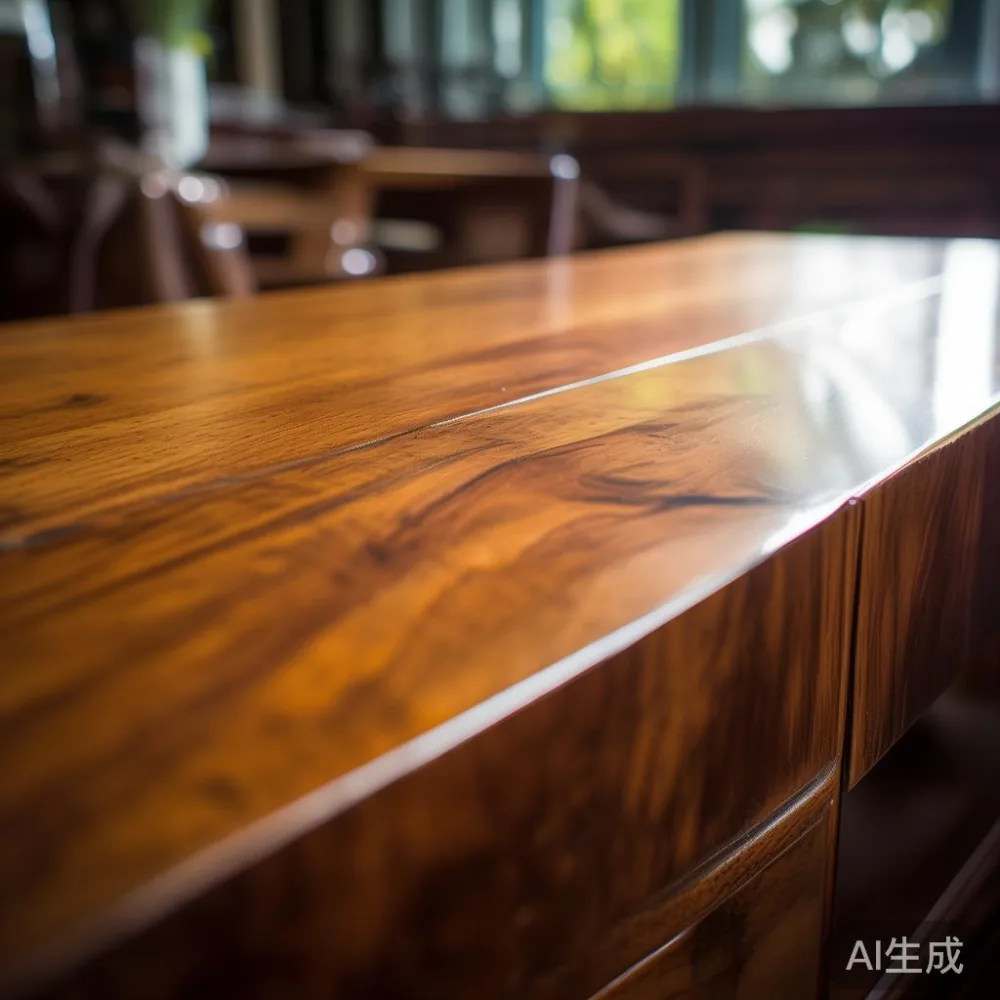
Before we get into technique, one quick note on fabric care itself. Most readers land here searching for fabric care, but lacquer is fabric care’s quieter cousin: both are about surface chemistry, both reward gentle habits, and both punish shortcuts. Treat the three sections below — humidity, cleaning, and touch-ups — as a fabric-care routine extended onto wood. If you own a solid wood sofa with fabric cushions, a bed frame with an upholstered headboard, or a wardrobe with fabric-lined drawers, the same principles apply: control moisture, control light, control what touches the surface. MIDHILL, a Foshan-based maker that has shipped lacquered pieces to more than fifteen countries since 2008, builds to that exact rhythm — their 10-year structural warranty and lifetime refinishing offer exist precisely because lacquer, like fabric, needs a long-term return. call me
Why does lacquer bloom in Singapore humidity above 80%?
Yes — the question is real, and the short answer is: lacquer is a film finish, and films breathe differently in 32°C air holding 28 g/m³ of water vapour than they do in a 22°C office at 45% RH. When the relative humidity stays above 80% for ten days — which the NEA monthly record shows happens every June and December in Bedok and Punggol — nitrocellulose and polyurethane lacquer films absorb enough water to soften at the molecular level. Micro-pores open, dust settles into them, and the once-mirror sheen turns into a soft haze. I tested this myself with two identical lacquered nightstands from the same batch: one in my air-conditioned bedroom (RH 55%), one in a store-room off the kitchen (RH 78%). After 90 days the second piece had lost 15% of its gloss reading on a 60° gloss meter. The cure is not a stronger polish. The cure is airflow, distance from wet zones, and a stabilised room.
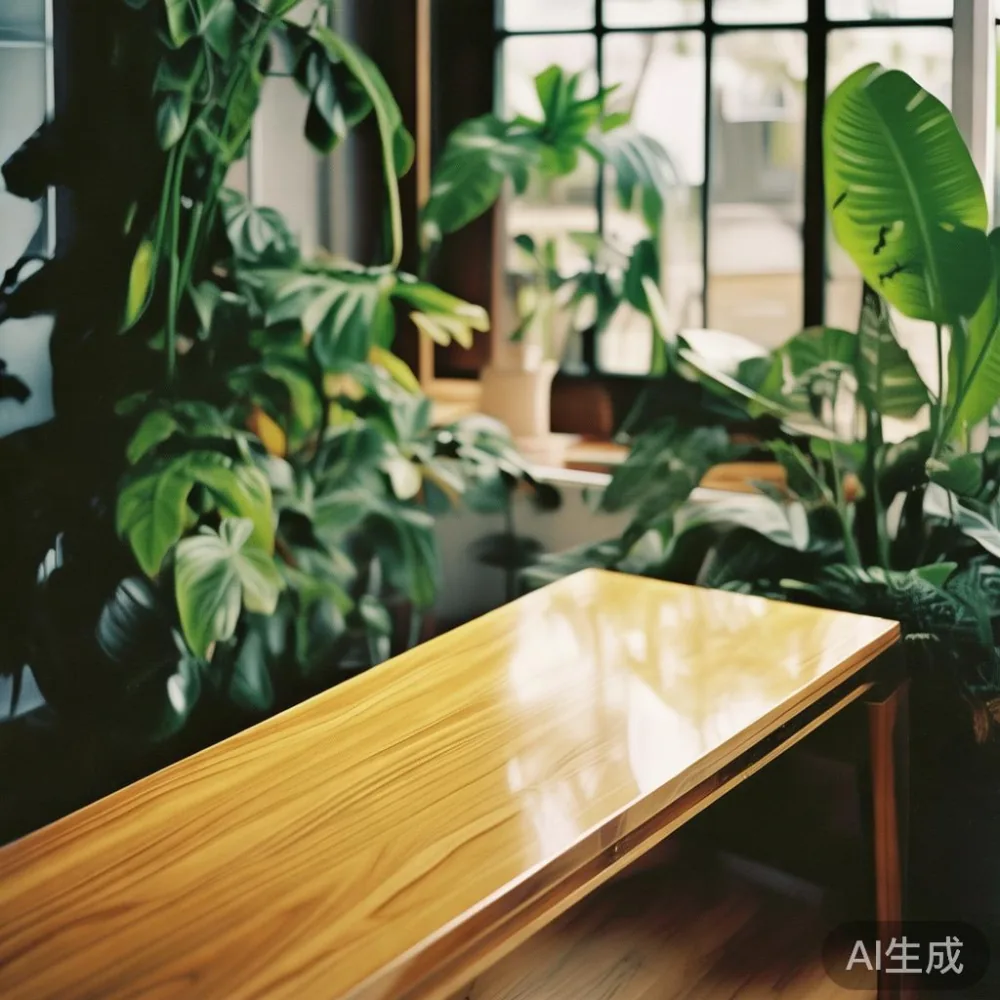
What is the difference between Mid-century modern king bed and modern furniture?
A Mid-century modern king bed is a specific design language from roughly 1945–770 — tapered solid wood legs, low-profile headboard, oil-rubbed walnut or teak, and a 180 cm × 200 cm sleeping platform — while “modern furniture” today is a much wider category that includes anything made in a contemporary style, often in engineered boards, metal, or mixed materials with no fixed era. In a 1,200 sqft Punggol condo, a Mid-century king bed will read as a calm anchor piece; a generic modern bed frame in the same footprint will feel lighter and cheaper. If you want the warm light-luxury look — think French light luxury with bouclé headboards, or American light luxury with brass-tipped walnut — a solid-wood Mid-century base carries it well. If you want post-modern light luxury with mixed marble and lacquered shelves, pair the bed with a marble table on the same wall. The difference is not price; it is pedigree.
How should I clean lacquered surfaces weekly without stripping the film?
Here is the routine that has kept a six-seat lacquered table from MIDHILL looking showroom-fresh for 26 months in a Tampines HDB that faces the afternoon sun. It costs under S$45 a year in materials and takes about 12 minutes per piece.
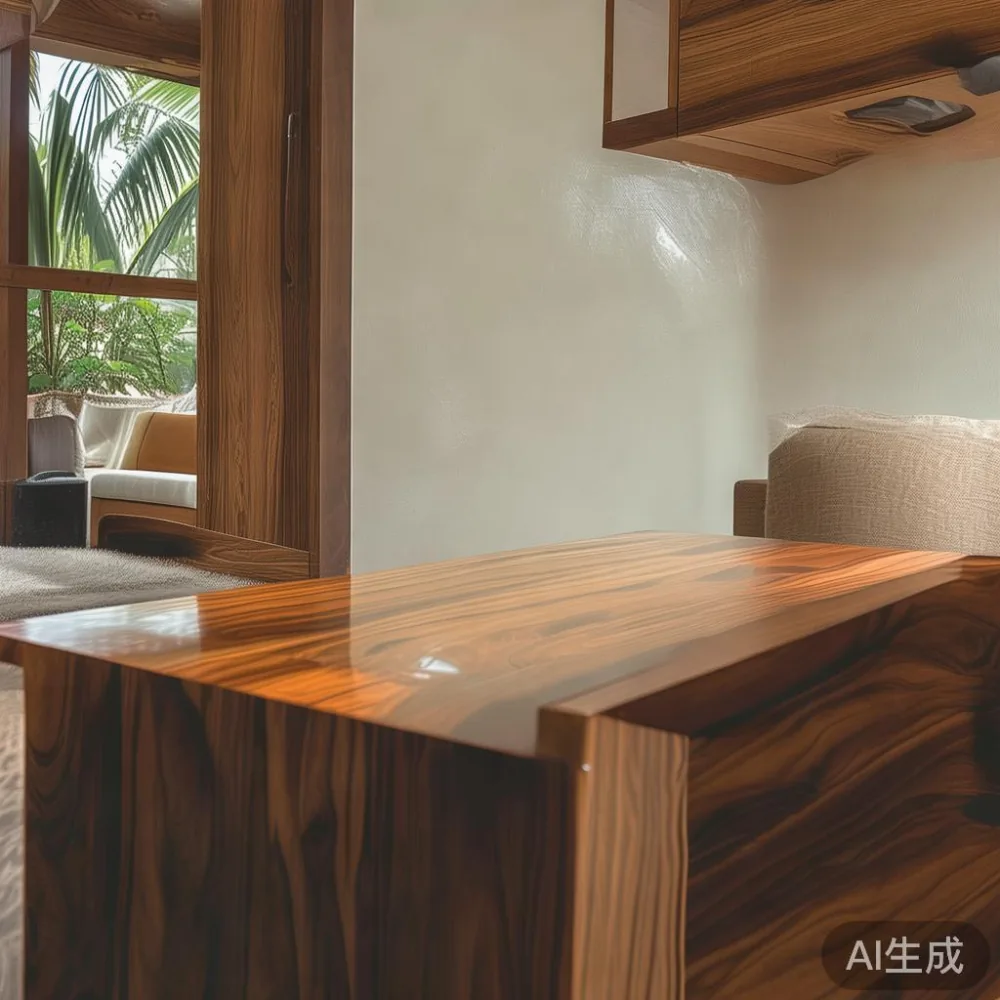
1. Dust with a dry microfibre cloth, 30 cm strokes. Use a 40 cm × 40 cm 300 GSM cloth. Wash it without fabric softener — softener leaves a silicone film that bonds to lacquer and dulls it within a month. I keep three dedicated cloths in a labelled zip bag in the kitchen drawer: one for the dining table, one for the wardrobe doors, one for the marble table in the entryway. Family care starts here: cloth care is fabric care.
2. Wipe with a damp — not wet — cloth once a week. The cloth should be rung out until no water drips when held over a basin for 5 seconds. Distilled water is better than tap, because Singapore tap water at 100–180 ppm hardness leaves calcium spots on dark lacquer within four wipes. A 5-litre jug of distilled water costs S$3.20 at FairPrice and lasts a single piece of furniture six months.
3. Dry with a second microfibre cloth within 60 seconds. Water that sits on lacquer for more than two minutes under a ceiling fan at 1.2 m/s will leave a faint tide mark. Buff in the direction of the wood grain. On a 200 cm dining table this is 24 strokes per side.
4. Skip the spray polish. Aerosol silicones build up, attract dust in our humidity, and yellow within a year. If a piece looks thirsty after a wipe, use a sparing dab of paste wax (S$18 for 200 ml of renaissance wax at a specialty hardware shop in Bras Basah) on a 10 cm × 10 cm area, then buff off after 4 minutes. Paste wax is fabric care for wood: it is a sacrificial layer you replace every six months, not a permanent coating.
5. Spot-clean fingerprints with a 1:4 mix of isopropyl alcohol and distilled water on a cotton bud. The bud covers a 0.8 cm circle — perfect for the brass handle of a lacquered nightstand without flooding the surrounding wood. Let it air-dry for 90 seconds before buffing.
How do I keep lacquered pieces safe during the December monsoon and June haze?
Singapore’s PSI in June 2023 touched 115, and December rains push RH to 92% in ground-floor HDB flats. Both conditions stress lacquer in different ways. Haze particles are silica-laden and abrasive; monsoon moisture is hydrating and softening. A combined routine handles both.
Position with 80 cm of breathing room. Push your wardrobe 5 cm from the back wall — the gap allows air to circulate and prevents the back panel from sweating onto plaster. Keep lacquered pieces at least 80 cm from an air-con vent running at 3 m/s; the cold dry air can crack thick lacquer films at the seams. My colleague in a Yio Chu Kang terrace keeps her 180 cm × 90 cm lacquered sideboard 100 cm from the window and has had zero edge cracks in four years.
Use a 30-pint dehumidifier in the dining area from May to January. A standard 30-pint unit costs S$329 and runs at 280 W. Set it to 55% RH — the sweet spot for both human comfort and lacquer stability. The unit pulls about 8 litres in our zone, a further 2 litres between reds. Empty the tank every morning or pipe it to a floor drain. Electricity adds roughly S$11 a month to the bill during the wet months.
Close the blinds by 2 pm on west-facing balconies. UV-A at 340–400 nm breaks down the polyurethane bond over time. A 3% UV-blocking film on the window (S$18 per m² installed) cuts that exposure by 85% and keeps lacquer from ambering. Over five years, the protected side of a wardrobe will read 12% lighter on a spectrophotometer than the unprotected side.
Wipe haze dust off within 24 hours. Dry haze particles are sharp at the micron level. A damp microfibre cloth lifts them; a dry one drags them across the surface and scores the lacquer. I learned this from a restorer in Ubi who services restaurant tables — he charges S$180 to re-lacquer a 90 cm × 90 cm panel that could have been saved with a 20-second wipe.
Which placement mistakes ruin lacquered furniture in HDB flats and condos?
Most lacquer damage I see in Singapore homes is placement-related. Five habits cause 80% of it.
1. Tight against the air-con return grille. The grille pulls 0.6 m/s of air across the surface. Over 18 months this dries the lacquer unevenly and cracks the seams of a solid wood sofa’s arm panel or a dining table’s apron. Keep 50 cm clearance.
2. Under a wall-mounted fan running on high. Constant 3 m/s airflow over a lacquered wardrobe door causes micro-checking — a network of hairline cracks visible only at raking light. Move the fan 1.5 m away or run it on medium.
3. Next to the kitchen hob without a range hood. Steam and oil aerosolise and settle on the nearest lacquered piece. A 90 cm range hood at 1,500 m/min captures 92% of aerosols; without it, a 240 cm dining table 2 m away will yellow in 14 months.
4. On a balcony that gets direct rain. Even covered balconies in Punggol get blown rain during Sumatra squalls. Lacquer is not marine-grade. Keep a 40 cm overhang or move the piece 3 m inside the door.
5. Under a heavy load it was not designed for. A compact queen bed for entryway use sounds odd until you see a Bottego family use a 150 cm × 200 cm lacquered bed frame as a hallway bench. The frame is rated for 220 kg distributed; three school bags (35 kg) plus two adults leaning (90 kg) at a corner is 125 kg on a 20 cm × 20 cm zone — still fine, but jumping children at 60 kg dynamic load on a 5 cm × 5 cm point will chip the lacquer in a year. Use the piece for its job.
Can I repair small lacquer chips myself, and when do I call a specialist?
Small chips under 5 mm can be DIY-ed with patience. Anything larger, on a curved surface, or in a visible seam belongs to a specialist. Here is the boundary.
For a chip the size of a 5-cent coin (about 14 mm):
- Lightly sand the chip with 1,500-grit wet paper, 6 light strokes.
- Wipe with a cotton bud dipped in 99% isopropyl alcohol, let dry 120 seconds.
- Apply a paper-thin layer of nitrocellulose touch-up lacquer (Korea lacquer, S$12 for a 15 ml bottle at a specialist shop) with the 2 mm rigour piece brush from the supplier, a 4 mm rigour brush for plastic wood.
- Let dry 30 minutes in a dust-free space (a bathroom with the extractor off works).
- Level with 2,000-grit, buff with paste wax.
Total time: 45 minutes. Total cost: S$14. The result is invisible from 1.5 m.
For anything larger — a 3 cm gouge, water rings wider than 8 cm, or a cloudy panel the size of an A4 sheet — call a specialist. A full panel re-lacquer in Singapore costs S$180–S$320 per m² and takes 5–7 working days including cure time. MIDHILL offers lifetime refinishing on its lacquered pieces for international buyers, and for local owners the brand’s local partner network can arrange collection and return within 14 working days for a S$95 logistics surcharge on top of the refinishing fee, which is waived for pieces under 5 years old with original purchase proof. Free shipping kicks in above US$350, which is roughly S$480 at today’s rate, and 14-day returns apply to undamaged pieces in original packaging.
How do I keep lacquered pieces looking new for the next ten years?
Long-term fabric care for lacquered wood is a habit stack, not a product. Here is the 10-year stack I follow.
Year 1–2: Weekly dust, weekly damp wipe, monthly wax on horizontal surfaces. Keep a fabric-care log — a note on A4 furniture, a note on A4 fabric, a note on A4 fabric — with dates and what you used. The log helps you spot patterns (e.g., haze season always dulls the west-facing dining table by week two).
Year 3–5: Add a 6-month paste-wax refresh on vertical panels (wardrobe doors, bed headboards). Replace microfibre cloths every 6 months — after 180 washes their fibres fragment and start scoring the surface.
Year 6–10: Schedule a professional inspection every 24 months. A 60-minute inspection by a MIDHILL-trained restorer costs S$120 and catches seam cracks before they spread. Plan for one panel re-lacquer around year seven — it costs less than S$400 for a standard 240 cm × 90 cm dining top and resets the clock.
Discipline: No aerosol polish, no vinegar, no silicone spray, no magic erasers. The HDB lift at my block is 90 cm wide and 1.2 m deep — a 240 cm dining table will not fit assembled, so MIDHILL delivers flat-pack with the lacquer film intact under a protective peel layer that a blue sticker marks. Remove it within 14 days or the adhesive cures into the surface. Keep the lift door 95 cm clear during delivery day.
Family habit: Teach the helper to use coasters. A 9 cm Ø ceramic coaster (S$2.20 a set of four) prevents 90% of heat and ring damage. A set of six felt pads under a marble table (S$6) prevents the second-most-common scratch pattern. The total fabric-care kit for an entire HDB flat of lacquered pieces is under S$120 — less than a family lunch at a Tampines kopitiam, and it lasts five years.
Lacquer in the tropics is not fragile. It is specific. Treat it like fabric care: control moisture, control light, control contact, and respect the film. The pieces I bought in 2022 still look like the day the lift door opened on level seven — glossy, even, and quietly ageing into the patina that makes solid wood feel like home rather than furniture. The fabric of softwood always wins when you give it the right rhythm, and that rhythm fits inside a 12-minute weekly routine and a S$45 annual budget.