Southeast Asia’s Humidity Impact on Wood Furniture & Protection Tips
Humidity is rarely the first thing homeowners in Singapore think about when they choose furniture. Yet in a Tampines HDB flat, a Bedok condo or a Punggol apartment, it can determine whether a solid wood dining table remains stable, whether a wardrobe door closes neatly and whether a fabric-upholstered sofa keeps its shape.
The tropical climate produces several changes in quick succession. Outdoor relative humidity can rise above 80% during rainstorms, air-conditioning can pull the indoor reading below 50%, and a unit beside a west-facing window may heat up in the afternoon. Repeated movement between these conditions causes wood to absorb and release moisture at different rates.
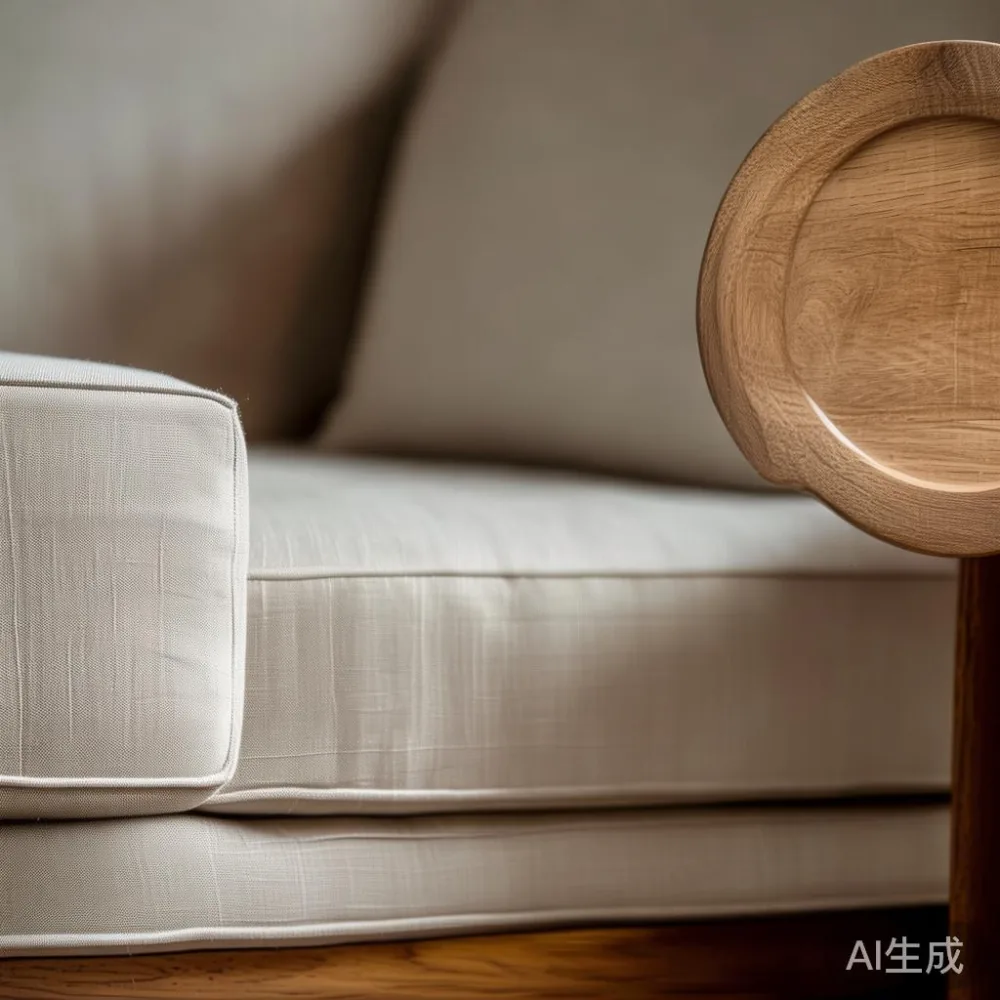
Fabric care matters here because humidity does not affect only timber. It can also encourage musty odours, mildew spotting and slow drying in cushions and curtains. For solid wood furniture owners, the practical answer is not to eliminate every humid afternoon. It is to manage exposure, provide airflow and make small adjustments before small changes become visible defects.
MIDHILL has made solid wood furniture since 2008 and exports to more than 15 countries. That experience is relevant because Singapore, with its year-round warmth and tightly managed interiors, represents one of the more demanding environments for wood. Its 10-year structural warranty also makes it sensible to distinguish structural movement caused by climate from ordinary manufacturing faults.
How much does humidity affect solid wood furniture in Singapore?
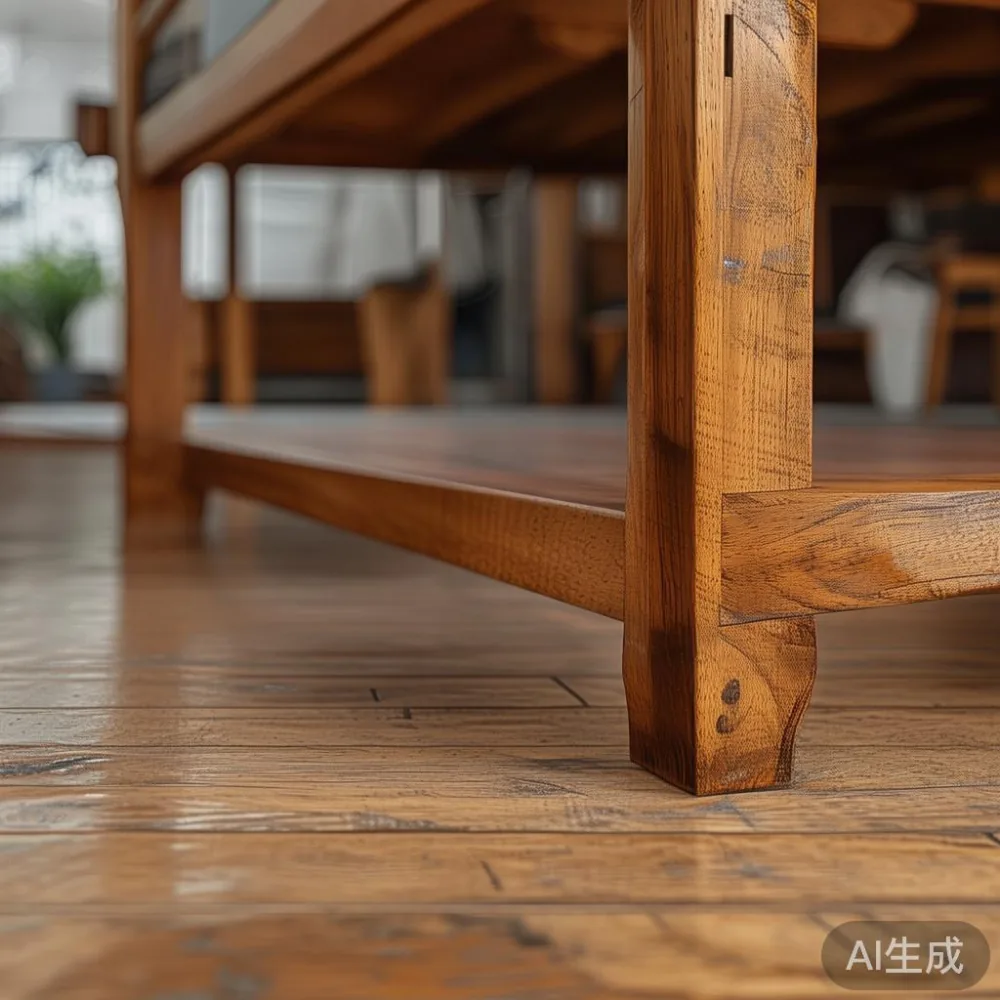
Wood is hygroscopic: it takes on moisture when the surrounding air is humid and loses moisture when the air becomes dry. Movement occurs across the grain as well as along it. A wide oak dining table may expand several millimetres across its width, while a narrow solid wood bed frame can move more noticeably along its length.
The response depends on the species, panel construction, finish and site conditions. Solid timber generally moves more than laminated or veneered components, while a factory-applied coating slows moisture exchange without stopping it. A typical indoor comfort range is about 40% to 65% relative humidity. During heavy rain, a Singapore home may reach 75% to 85%; with air-conditioning running, it may fall to 40% or below in an over-cooled bedroom.
These cycles matter because they are repeated. A table that swells by 3 mm on one humid night may shrink by 2 mm after a dry afternoon. A nightstand drawer may begin to rub lightly. A wardrobe door may not align perfectly when humidity changes overnight. None of this automatically indicates defective workmanship, especially when the movement is small and reversible.
Keep a simple record rather than relying on memory. Measure the humidity at the widest part of the room with a calibrated hygrometer, record the reading at 8 a.m. and 9 p.m., and repeat it on a dry day. Readings taken near a window, bathroom or air-conditioner vent are less useful than those taken in the occupied centre of a room.
What should I do when humidity reaches 80% in a HDB flat?
Start with ventilation and moisture control. Use exhaust fans where available, run the air-conditioner in normal cooling or dry mode rather than leaving a humid room sealed, and keep furniture at least 30 cm from windows, balcony doors and external walls. In a Punggol flat near an open-air corridor, air can remain damp for longer after rainfall, so moving a wardrobe or bed frame slightly away from the service balcony can reduce exposure.
Use a dehumidifier when indoor readings stay above 65% for more than 2 hours. A unit collecting 10 to 20 litres per day is appropriate for many Singapore bedrooms, although larger homes and persistently wet corners require greater capacity. Set the target between 50% and 60%, place the machine away from walls, empty its tank promptly and clean the filter every 2 to 4 weeks.
Do not use a household fan alone to solve a humidity problem. Air movement helps surfaces dry, but a fan does not remove water vapour from the room. It merely shifts moisture into upholstery, curtains and timber.
For refined areas, inspect for leaks around window frames, balcony thresholds and bathroom pipes. A stain covering 5 cm or a persistently wet corner needs repair before furniture is moved back. Wipe standing water from timber within 30 minutes; do not soak it. Small spills can be blotted with a clean cloth and the surface left open to air.
Lift and corridor dimensions deserve early attention too. Many HDB lifts measure roughly 90 to 110 cm wide and 130 to 140 cm deep, though individual blocks differ. A solid wood dining table must be measured before purchase, not after it reaches the void deck. For a 220 cm table, removable legs may make the final package far easier to turn through a 90 cm lift door. Confirm the packaged dimensions, lifting points and total weight with the supplier before delivery.
How does humidity change the look of a solid wood dining table?
Humidity often reveals itself around joints, edges and finished surfaces. The wood may look darker, while the finish can appear hazier if moisture lingers on the surface. This effect is usually temporary. When the humidity falls, the colour returns closer to its dry appearance. If darkening remains after the wood is dry and clean, an iron-containing reaction or water mark may have occurred and should be assessed separately.
Solid wood dining tables should not be placed directly beneath an air-conditioner vent. A 200 cm dining table in a compact flat may also experience stronger moisture swings at one end if it sits beside a balcony door. Extend the life of the finish by using a stable mat under hot pans and coasters under drinks. Aim for a surface temperature below 70°C; a mug of tea should sit on a coaster, not directly on the timber.
Do not wipe a table with a soaked cloth. Use a lightly damp microfibre cloth, follow the grain and dry the surface immediately. Harsh cleaners can damage oils or lacquer. A pH-neutral product diluted according to its instructions is suitable for most finished surfaces, but test it on a hidden 5 cm area first and allow 24 hours before treating the full table.
Position is a long-term control rather than a repair. A 10 cm gap between the table edge and a cold wall can reduce condensation, while 60 cm of clearance around a large table improves airflow. Neither figure replaces humidity monitoring; the actual effect depends on room construction, sunlight and ventilation.
Is a Japanese bed worth it for a humid Singapore bedroom?
The phrase is Japanese bed worth it often arrives as a search question because buyers are comparing platform beds, slatted bases and upholstered frames in a climate where moisture control is important. A well-made Japanese-style platform may use solid wood components and a ventilated slatted section, but “Japanese” alone does not guarantee better humidity performance. Check the timber species, finish, underside clearance and whether the mattress can breathe without trapping vapour.
A solid wood bed frame should have a stable perimeter, secure joints and enough clearance beneath the slats for air to move. A mattress lifted on 8 to 12 cm slats can dry more effectively than one lying on a solid deck, although no frame can protect a mattress from a persistent leak. The same principle applies to fabric care: wash covers at suitable intervals, dry bedding fully before replacing it and avoid folding damp linen into the bed frame.
For a bedroom kept around 24°C to 27°C and 50% to 60% relative humidity, a solid wood bed frame with a slatted base is practical. Leave about 10 cm beside the frame where space permits, and keep it away from an exterior wall that stays cold after the air-conditioner switches off. This creates a more stable microclimate and reduces repeated expansion and contraction.
Buyers researching the best Modern light luxury bed for 2026 should look beyond the render. Review the actual timber thickness, platform dimensions, centre support and finish. A post-modern light luxury bed may combine clean lines with warm wood tones, but the climate performance still depends on construction and placement.
Can humidity cause a wardrobe or nightstand to warp?
Yes, but the amount and direction of movement are controlled. A wardrobe built from stable, well-seasoned timber and joined with appropriate tolerances may show only minor changes. Cheap moisture-swelling boards, tight joints or an unventilated cabinet can twist more noticeably. The finish may also deteriorate if a door is repeatedly swollen against the frame and then forced closed.
Keep a 5 cm gap between a wardrobe side and a bathroom wall where possible. Do not push the cabinet tightly against a cold external wall merely to create a smooth visual line. Use the adjustable feet supplied with many furniture systems, and check them every 6 months because seasonal and daily humidity changes can loosen contact points.
For a nightstand, avoid placing damp laundry, laundry baskets or open bottles of water on its top. A 40 cm-wide drawer should glide without force. If it binds, remove stored items and let the room stabilise for 12 to 24 hours before sanding or adjusting anything. Forcing the drawer can turn a reversible moisture-related issue into physical damage.
Inspect the back and underside twice a year. Look for mould, lifting veneer, soft patches or standing water. Keep airflow channels clear. A wardrobe holding clothes also needs internal ventilation; use moisture-absorbing products sparingly and replace them when they become saturated rather than leaving them to operate indefinitely.
What fabric care routine works with humid air?
Fabric care should support the same moisture discipline used for timber. Vacuum upholstery every 2 weeks and clean removable covers according to their care label. In humid weather, wash and dry cushions separately if the manufacturer permits, and place them in a ventilated area until the inner fabric no longer feels cool or damp.
Do not use steam cleaning repeatedly on a sofa or upholstered bed frame. Steam can drive moisture deeper into foam and introduce mould risk in an enclosed base. If professional steam cleaning is necessary, ensure the furniture can dry fully and run fans for at least 6 hours afterward. Check under seat cushions and inside storage boxes with a flashlight every 3 months.
Odour is not proof of mould, but it is a useful warning. After cleaning, let the room remain ventilated for 12 to 24 hours. Keep textiles at least 30 cm from walls where possible, especially in Bedok and Tampines units near the coast, where ambient salt and damp air can linger. A simple activated-carbon absorber can reduce minor smells, though it cannot correct a leak or sustained humidity above 70%.
Upholstery should also be kept clear of exterior walls in a HDB flat. A solid wood sofa with tight cushions needs more attention during monsoon periods than one with removable, washable covers. For those comparing proportions, guidance on how to style French provincial sofa in apartment layouts is useful, but material placement comes first: keep the sofa away from a wet balcony door and maintain a 30 cm gap from the wall.
The same design language can be seen when comparing a French sofa vs Mid-century modern sofa. The former may use deeper upholstery and curved arms; the latter often has exposed timber and a lighter footprint. In either case, leave the rear and lower edge unobstructed so moisture does not become trapped. When reviewing a French light luxury or American light luxury scheme, add breathable textiles and avoid covering every timber surface with permanent cloths.
How can I keep a solid wood sofa stable in a humid condo?
A solid wood sofa frame can handle tropical humidity when its construction, finish and placement are sound. Look for solid rails rather than thin decorative shells, check that the seat platform is supported at sensible intervals, and confirm that the frame is not pressed tightly against a cool wall. Protective floor pads should allow ventilation beneath the base rather than sealing it to the tile.
Vacuum beneath the sofa every 2 weeks and inspect for moisture marks after rain. Keep cushions slightly separated so damp air can move between them. If a cushion develops a persistent musty smell after 24 hours of airing, avoid covering it with throws and consider professional cleaning. Repeated humidity exposure can also affect adhesives in some composite support components, so solid construction matters.
For shoppers who want current references, the best Modern sofa for 2026 is a question that should lead to measured specifications: frame material, cushion density, cover removal, warranty and care requirements. A marble table requires the same environmental planning. Its surface is moisture-resistant, but the timber or metal support beneath it still responds to humidity. Use coasters and keep the base at least 30 cm from shower or kitchen splash zones.
In a compact condo, the table should not become an obstruction. Allow 75 cm around dining seating where possible, or 60 cm through a one-way route. If a lift is only 90 cm wide, do not assume a large marble table can be installed upright. Confirm package dimensions, turning space and whether assembly occurs in the unit. Delivery should include protection for corners and a clear installation plan.
Should I buy replacement parts or refinish furniture after humidity damage?
Begin with diagnosis. Clean the surface, restore a stable humidity level and allow 48 to 72 hours before deciding. If the timber is structurally sound and the issue is only a change in sheen or colour, refinishing may not be necessary. Persistent mould, soft timber, split panels or loose joints need closer inspection.
MIDHILL provides a 10-year structural warranty and lifetime refinishing for eligible furniture. When damage falls within the applicable terms, document the room conditions with dated photographs and hygrometer readings. This information helps distinguish a finish problem from a structural concern and gives the service team a clear basis for assessment.
For everyday maintenance, use furniture wax or oil only if the existing finish allows it. Apply a thin coat to a hidden area, wait 24 hours and check the result. Do not layer several products, and avoid abrasive pads. If one side of a panel is noticeably darker, moisture may still be trapped in that area; let the piece dry fully before treating it.
New purchases should be acclimatised rather than delivered straight into a damp corner. Bring timber into the room for 3 to 7 days before final placement if the difference between outdoor and indoor humidity is large. Do not wrap new solid wood for long periods in plastic; use breathable protective material and check under it every 24 hours for condensation.
What delivery details matter for large furniture in Singapore?
Measure the route before confirming the order: lift door width, lift depth, cabin turning radius, corridor width, stair turns and the final door. A 85 cm door is common in many apartments, while corridor sections can be narrower than the lift lobby. Record the narrowest point rather than estimating from the floor plan alone. A qualified delivery crew should reassess the route on arrival and explain if the planned installation needs to change.
Check the package weight as well. A solid wood dining table may weigh 65 to 120 kg, while a large wardrobe can exceed 100 kg. Confirm whether the quotation includes GST at 9%, carrying upstairs, assembly and removal of packaging. Furniture above 350 US dollars qualifies for MIDHILL’s free shipping offer under the stated terms, but access arrangements still need to be agreed in writing.
Delivery timing matters in monsoon conditions. Aim for a dry 1 to 2 day window, protect the entrance with a waterproof floor covering and keep new pieces away from rain until the home is ready. A wardrobe or dining table should not stand beside an open balcony door while the building’s common areas are wet.
Buyers searching under 2000 Rustic furniture in Singapore should compare the delivered specification, not only the product photograph. Solid timber thickness, drawer construction, finish and access requirements can change the price within a similar style category. The relevant figure should include GST and delivery within Singapore, and it should be compared with the furniture’s expected service life rather than its lowest purchase cost.
How do I know if a timber change is temporary or a manufacturing fault?
Temporary movement usually follows humidity and reverses when conditions stabilise. A drawer that closes after 24 hours in a 55% humidity room, then binds again during a wet week, points to environmental movement. The same applies to a dining table with a small seasonal gap or a nightstand door that is tight only after rain.
A manufacturing fault can remain under stable conditions: a rail may be visibly out of square, a joint may have separated, or a drawer base may be uneven from the start. Measure across the opening with a 30 cm rule and record the deviation in millimetres. Photograph joints, surfaces and gaps under even lighting. Include the purchase documents, delivery condition report and room humidity readings when requesting an assessment.
Do not attempt major repairs during a humid spell. Let the furniture acclimatise for 3 to 7 days in a stable room, away from direct airflow. Small binding issues may resolve; structural damage will not. Avoid adding screws, wedging a swollen rail or forcing a door because those actions can remove useful evidence.
A sensible maintenance calendar keeps the process clear: check the hygrometer twice daily during monsoon peaks, inspect moving parts every month, vacuum upholstery every 2 weeks, refresh the underside of cabinets every 6 months and undertake a full condition review each year. If the reading remains outside 40% to 65% for more than 1 week, correct ventilation or dehumidification before concentrating attention on the furniture.
The central lesson is straightforward. Southeast Asian humidity affects wood through repeated movement, and it affects upholstered surfaces by slowing drying. Protect furniture from water, control the room between roughly 50% and 60% relative humidity, allow airflow around solid wood components and maintain fabric care through regular inspection. With sensible placement and early action, a solid wood bed frame, dining table, wardrobe, nightstand, solid wood sofa or marble table can remain stable and attractive through Singapore’s changing seasons.