The Art of Spacious Living: Styling Small Singapore Apartments Without the Crowded Feel
Living in Singapore, especially in popular estates like Tampines or Punggol, means appreciating the efficiency of HDB flats and condos. But this efficiency often comes with a spatial challenge: how to create a home that feels open and airy, not cramped. The answer lies not in buying less, but in choosing smarter. The right furniture, selected with an eye for scale and material, can act as a visual anchor that expands a room rather than shrinking it. This guide will walk you through practical strategies, from material choices to layout hacks, all while keeping our local context—from lift widths in older Bedok estates to the 9% GST—in mind.
Why Your Furniture Choices Matter More Than You Think
In a Singaporean apartment, every square centimeter counts. A typical HDB living room might measure 4.2 meters by 4.8 meters, while a compact condo in Tampines could be even smaller. Placing a large, bulky sofa that is 220 cm long and 95 cm deep in this space can immediately make movement difficult, especially when working through the narrow corridor leading from the front door. The goal is to create a sense of flow. Furniture with clean lines, light colours, and a low visual profile achieves this by not obstructing sightlines. When you walk into a room, your eye travels smoothly across the floor and up the walls, creating a subconscious feeling of more space. Conversely, dark, heavy pieces absorb light and stop the eye, making a room feel smaller and more confining. This is where the concept of light luxury, such as American light luxury or French light luxury, becomes relevant. These styles emphasize a balance of comfort and elegance, often using lighter woods, neutral fabrics, and thoughtful proportions that are perfect for smaller living areas.
How to Choose a Sofa That Doesn't Overwhelm Your Space
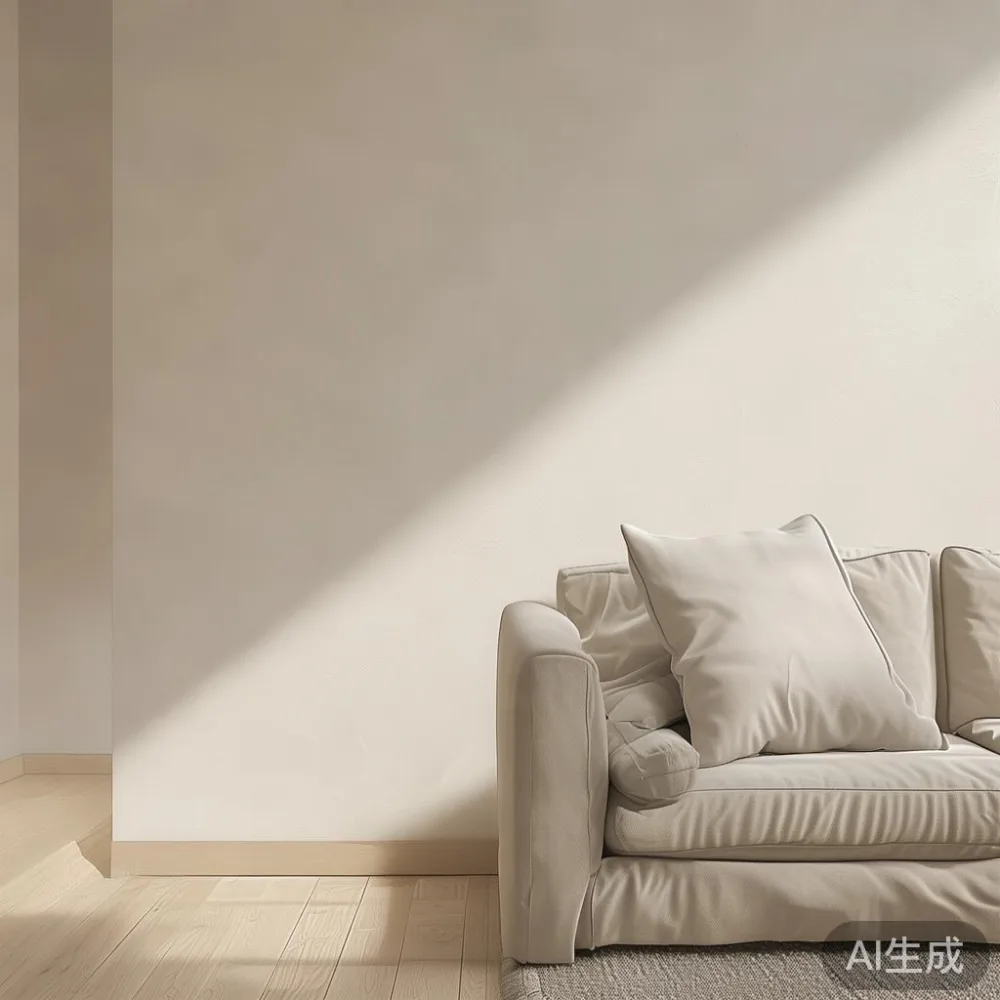
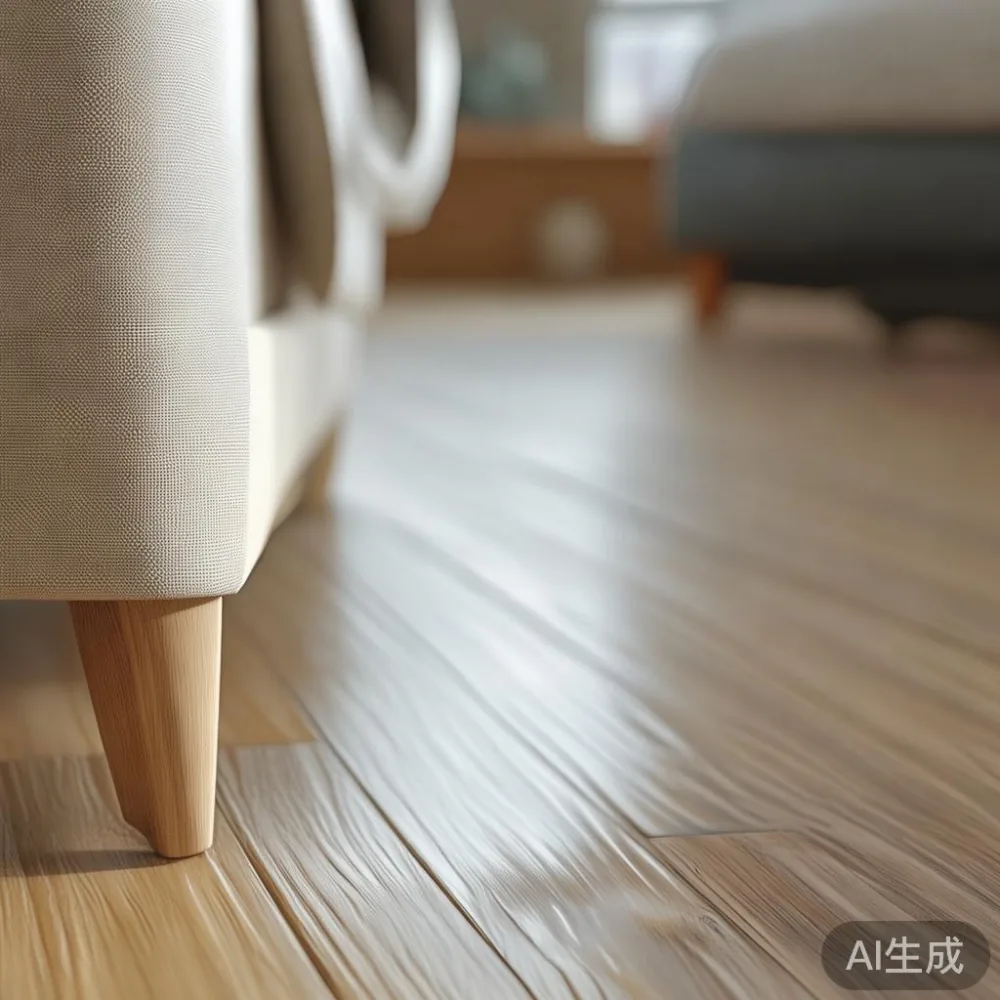
The sofa is often the largest piece of furniture in a living room, making its selection critical. For a small Singaporean apartment, a massive L-shaped sectional is usually a mistake. Instead, consider a two or three-seater solid wood sofa with exposed legs. Legs are your friends; they create a visual gap between the furniture and the floor, which tricks the eye into seeing more floor space. A sofa with a height of 85 cm and a seat depth of 55 cm is a common, well-proportioned size that offers comfort without dominating the room. Last month, I visited a client's apartment in Punggol. Her previous sofa was a deep, dark grey fabric model that felt like a black hole in her 5-meter long living room. We replaced it with a light beige, two-seater solid wood sofa with slender, tapered legs. The difference was immediate. The room felt 30% brighter, and the pathway to her kitchen, which is a common layout in many HDBs, was no longer a tight squeeze.
Is a European Sofa Worth It for a Small Singapore Apartment?
This is a question I hear often from clients who are looking for quality but are worried about scale. The answer depends on the specific design. A classic, overstuffed European-style sofa with rolled arms and deep button tufting can be beautiful but is often too large for our local spaces. However, many modern European designs have embraced minimalism. A streamlined European sofa with a low back, narrow arms, and a slim profile can be an excellent choice. The key is to prioritize form and function. The price for a quality, non-bulky European sofa can start from SGD 3,500 and go up, depending on the upholstery and frame. When making this investment, consider the longevity. A well-made sofa is a long-term purchase, and its value is measured over years, not months. Remember, the initial cost also includes the 9% GST, so factor that into your budget.
Japanese Sofa vs Italian Light Luxury Sofa: A Tale of Two Styles
The choice between these two styles highlights a fundamental difference in approaching small spaces. A Japanese sofa is defined by its simplicity and functionality. Think low platforms, clean lines, and an emphasis on natural materials like light oak or tatami-style fabrics. It is designed to be unobtrusive, almost disappearing into the room. This approach is perfect for creating a Zen-like, spacious atmosphere. On the other hand, an Italian light luxury sofa focuses on sophisticated elegance within a compact form. It uses high-quality, often textured fabrics, like bouclé or linen blends, and features a tailored, structured silhouette. It’s about making a statement of quality without taking up excessive physical space. For a Singaporean apartment, the Italian option might offer more comfort for lounging, while the Japanese option champions a minimalist aesthetic. Your choice should align with your lifestyle: do you prioritize a clutter-free, serene environment, or a plush, inviting one?
Strategic Furniture Placement: Creating Zones in an Open Concept
Many modern Singaporean apartments, especially condos, feature open-plan living, dining, and kitchen areas. This can feel like one giant, undefined space. The solution is to create distinct zones using furniture as a guide. The back of your sofa can act as a subtle divider between the living and dining areas. Position your dining table parallel to the sofa, about 120 cm away, to create a clear path. For the dining table itself, a Scandinavian for dining room style is a fantastic option. These tables are characterized by their light wood finishes, often ash or beech, and simple, tapered legs. A round table with a diameter of 120 cm can be more space-efficient than a rectangular one, as it has no sharp corners and allows for easier movement around it. Placing a small marble table behind the sofa or in a corner can also define a secondary space for a lamp or a decorative object, adding function without clutter.
Storage Solutions That Disguise Themselves
In a small apartment, storage is paramount, and bulky wardrobes can be a major source of visual clutter. The answer is to integrate storage into your other furniture. A bed with built-in drawers underneath is a classic space-saver, providing a place for bedding and seasonal items without taking up extra floor space. For the bedroom, consider a wardrobe with a sliding door instead of a hinged one. Sliding doors eliminate the need for a clearance zone in front of the wardrobe, which is a huge advantage in a narrow bedroom typical of many HDBs. A wardrobe that is 240 cm wide and 60 cm deep offers ample hanging and shelf space. When choosing a wardrobe, you might ask yourself: is Japanese wardrobe worth it? A Japanese-inspired wardrobe often features a handle-less, push-to-open design and a very neutral finish, which contributes to a smooth, uncluttered look. This minimalist approach can make a bedroom feel significantly larger and more serene.
Bed Frames and Nightstands: Maximising the Bedroom
The bed is the centerpiece of the bedroom, and its frame should complement the space, not fight it. A platform bed with a low profile, perhaps only 35 cm from the floor, creates a sense of openness. The area underneath the bed can be used for slim storage boxes, keeping the floor clear. For nightstands, avoid large, bulky pieces. Instead, opt for narrow designs. A pair of nightstands that are 40 cm wide and 45 cm tall provide a surface for a lamp, phone, and book without encroaching on the limited floor space. A marble top on a nightstand adds a touch of light luxury, reflecting light and adding a sophisticated texture. The combination of a light wood frame and a cool marble top creates a beautiful balance that feels both modern and warm.
Accessorising with Intention: The Role of Fabric Care
Once your larger furniture pieces are in place, accessories add the final layer of personality. However, in a small space, less is more. Instead of many small, decorative items, choose a few larger, impactful ones. A large, framed mirror can be placed opposite a window to reflect light and the view, effectively doubling the sense of space. The choice of textiles is also important. Curtains in a light, breathable fabric like linen hung from a rod mounted close to the ceiling can make ceilings appear higher. The importance of proper fabric care cannot be overstated. Clean, well-maintained textiles look better and last longer. Regular fabric care, such as vacuuming upholstery and following care labels for curtains and cushions, prevents fabrics from looking worn and dingy, which can detract from the elegance of your home. This is especially important for light-coloured fabrics used in light luxury styles.
How to Care for Your Upholstered Furniture in Singapore's Climate
Singapore's high humidity is a significant factor in furniture longevity. For upholstered items like a sofa or headboard, proper fabric care is important to prevent mould and mildew. Ensure good airflow around your furniture by not pushing it directly against a wall. If possible, leave a 5-10 cm gap. Regularly vacuum your upholstery to remove dust and allergens that can settle into the fabric fibres. For spills, act immediately. Blot the area with a clean, dry cloth. Avoid rubbing, as this can push the stain deeper into the fabric. For solid wood furniture, like a dining table or bed frame, wipe up spills promptly with a slightly damp cloth to prevent water rings. The natural oils in solid wood can be affected by our humid climate, so applying a suitable wood conditioner once or twice a year helps maintain its lustre and protect it from cracking. This level of care ensures your investment in quality pieces like MIDHILL furniture remains beautiful for years to come.
What About a French Provincial Coffee Table?
A French provincial coffee table is a beautiful statement piece, known for its ornate details, curved legs, and often a marble or light wood top. In a large, airy living room, it can be a stunning centerpiece. However, in a small Singaporean apartment, its ornate nature can make a space feel busy and cluttered. The intricate details break up the visual lines, which can make a room feel smaller. If you love the style, look for a more streamlined version. A coffee table with the characteristic curved legs but with simpler, cleaner lines and a lighter finish can offer a nod to the style without overwhelming the space. A marble top, while elegant, can also show dust and water marks more easily than wood, requiring more frequent cleaning. Consider your lifestyle and the amount of maintenance you are willing to perform when choosing a surface material.
Is a European Wardrobe the Best European Wardrobe for 2026?
The question of what constitutes the best European wardrobe for 2026 is less about a single brand and more about design philosophy that suits modern living. For small apartments, the ideal European wardrobe is one that maximises internal storage while minimising external footprint. Look for designs with clever internal systems, such as adjustable shelves, pull-out trouser racks, and dedicated compartments for accessories. Externally, the finish should be smooth and handle-less, or with integrated handles, to maintain clean lines. Light-coloured finishes, such as matte white or light grey, are preferable as they reflect light and make the wardrobe feel less like a solid block. A wardrobe with these features offers a sophisticated solution to the common problem of limited storage, blending European design sensibility with practical space-saving needs.
Final Thoughts on Creating Your Spacious Sanctuary
Styling a small apartment to feel spacious is an exercise in thoughtful curation. It’s about choosing pieces that serve a purpose and contribute to a harmonious whole. By prioritizing furniture with a light visual profile, integrating smart storage, and paying attention to the details of fabric care, you can transform even the most compact HDB flat or condo into a home that feels open, airy, and undeniably you. Remember, the goal is to create a space that feels calm and uncluttered, allowing you to relax and enjoy your home to the fullest.