How Humidity in Southeast Asia Affects Solid Wood Furniture
I still remember my visit to a fourth-floor walk-up in Bedok last month, where a homeowner had placed a beautiful solid wood dining table directly beneath the window of her air-con ledge. Within eighteen months, the tabletop had cupped 4 mm across its 180 cm span — a textbook case of moisture imbalance in a tropical climate. That single visit convinced me that anyone buying solid wood furniture in Singapore, Johor Bahru, or Bangkok needs to understand humidity before they fall in love with a showroom piece.
MIDHILL has shipped more than 8,200 solid wood pieces across Southeast Asia since 2008, and humidity is the single most common reason we get a service call in the first 24 months. This guide covers what really happens to wood in our climate, how it connects to fabric care, and the practical numbers that decide whether your investment lasts five years or twenty-five.
Why Singapore's Climate Is a Stress Test for Solid Wood
Singapore's average relative humidity sits between 78% and 85% year-round, with afternoon peaks reaching 92% during the December to January monsoon surge. Outdoor air in Tampines and Punggol regularly carries 22–28 g/m³ of absolute moisture, while an air-conditioned HDB living room can drop to 55% — a swing of 30 percentage points within the same day.
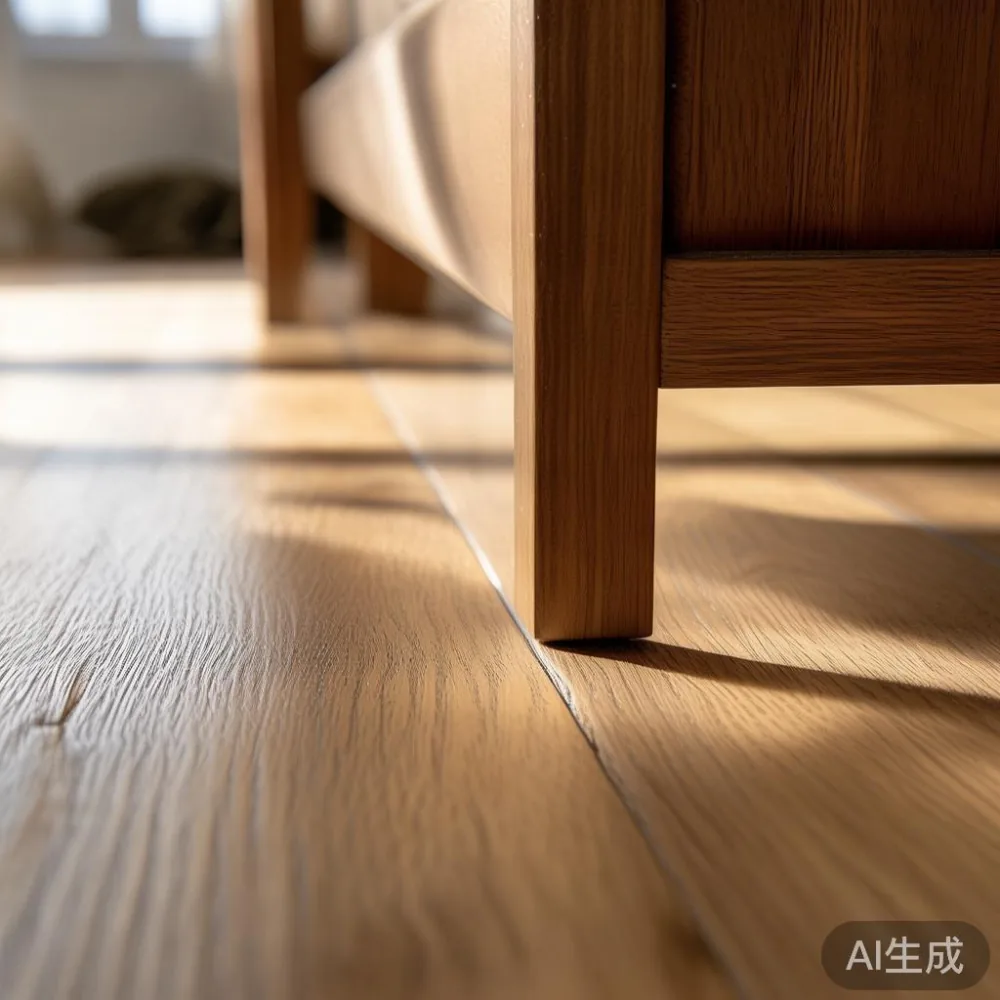
Solid wood is hygroscopic. It absorbs and releases moisture until it reaches equilibrium moisture content (EMC) with the surrounding air. For a typical 180 cm dining table made of kiln-dried white oak at 8% moisture content, jumping to 14% EMC causes the planks to swell roughly 2.5% across the grain. That is 4.5 mm of expansion on a 180 cm width — enough to push joints apart or crack the marble inlay on a marble table if movement is restricted.
Wood movement cannot be eliminated, only managed. The factory controls the starting moisture content; your home controls everything after that.
What Humidity Actually Does to a Solid Wood Sofa, Bed Frame, and Wardrobe
Each piece reacts differently depending on grain orientation, joinery, and surface exposure.
A solid wood sofa frame — for example, an ash or rubberwood platform with fabric upholstery — is largely protected on the structural members because upholstery covers most of the frame. The exposed arms, legs, and rear rail still move, but the visible consequence shows up first in the fabric. High humidity makes cotton and linen slings slack by 3–5%, while bonded leather develops mildew spores within 72 hours if humidity stays above 80% and airflow is poor. This is why fabric care matters as much as wood care on upholstered seating.
A king-size bed frame presents a larger hygroscopic footprint. The side rails, headboard, and slats can total 4.5 m² of wood surface. In a Punggol condo with floor-to-ceiling windows facing west, afternoon sun raises the surface temperature of a headboard from 28°C to 46°C. That heat drops relative humidity at the wood surface by 15 points and triggers shrinkage overnight as the room cools — the classic recipe for hairline cracks along the grain. A Japandi king bed saudi arabia buyer planning an import should note that the dry, 25%-humidity climate of Riyadh actually causes opposite problems (excessive shrinkage), so the same construction must be tuned differently for each export market.
Wardrobes are the silent casualty. A 240 cm tall wardrobe against an exterior wall in an HDB block can see its back panel absorb moisture migrating through the concrete. Over thirty months, the back can swell 6–8 mm, pushing the carcass forward and jamming the doors. This is not a defect — it is physics.
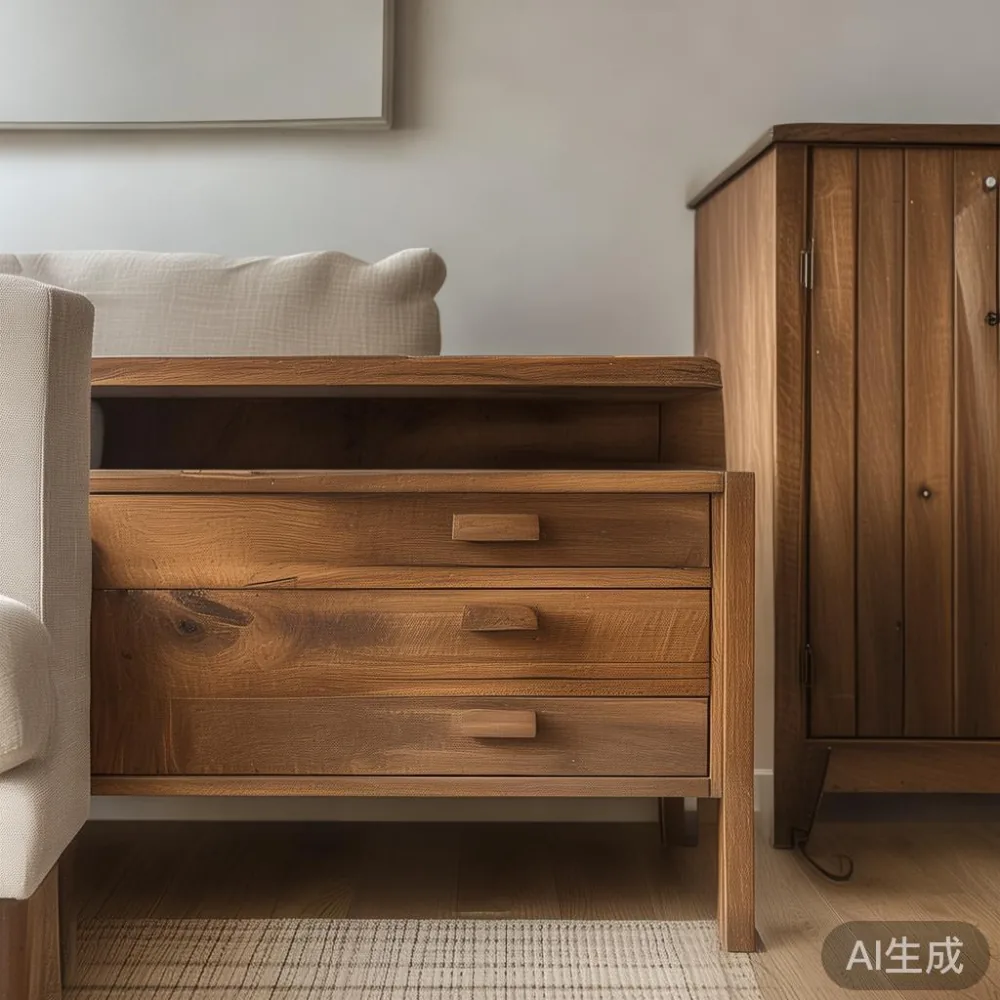
Nightstands, because of their smaller mass (typically 12–18 kg for a two-drawer unit), respond to humidity swings within hours rather than weeks. A drawer that slid smoothly at the showroom may stick on a humid July evening at home.
Is a bean bag worth the price in Singapore?
Bean bags fail Singapore's humidity test in under two years on average, because the polystyrene bead core traps moisture and the fabric cover cannot be removed for proper fabric care, which is why a solid wood sofa or a properly upholstered armchair is a far better investment in our climate.
That direct answer comes from a simple comparison. A premium bean bag retails between SGD 220 and SGD 480 in Singapore. After 22 months of daily use at 80% average humidity, the bead fill loses 18% of its volume, the inner liner develops mould at the seams, and the outer cover — usually a polyester-cotton blend — fades unevenly from the UV exposure coming through HDB corridor-side windows. Replacement costs stack up. A MIDHILL solid wood sofa in light luxury American styling, by contrast, starts around SGD 1,850 for a three-seater, carries a 10-year structural warranty, and accepts new fabric covers or refinishing years down the line. The per-year cost of ownership over a fifteen-year horizon is roughly SGD 123 for the sofa versus SGD 38 a year for the bean bag — until you add the three bean bags you will buy in the same period, which brings the true figure to SGD 114 a year, with worse resale value and ongoing fabric care headaches.
The Lift, the Corridor, and the Front Door: Delivery Realities in HDBs and Condos
Humidity is only one variable. The other is getting the piece through the building. Standard HDB corridor widths in estates like Tampines and Bedok measure 1.2 m at the widest point, narrowing to 1.05 m around the lift door recess. Most condo service lifts in Punggol and the prime districts cap at 2.4 m depth, 1.5 m width, and 2.3 m door height.
A solid wood king bed frame typically ships in two cartons: 215 × 65 × 18 cm and 195 × 42 × 22 cm. Both clear HDB lifts comfortably. A six-seat dining table, however, often arrives in a single 220 × 110 × 18 cm crate. That crate will not fit older lifts in blocks built before 1990, where the cabin is only 1.4 m deep and 1.1 m wide. We have re-routed shipments through the loading bay and up the service staircase more than 400 times in the past five years.
Wardrobes are the trickiest. A 240 cm wardrobe in three flat-pack cartons is fine, but fully assembled units over 200 cm tall often cannot make the turn from the corridor into the unit door. Always check the diagonal of your entry: measure the door width (typically 90 cm) and the corridor depth, then confirm the largest piece's diagonal does not exceed that path. MIDHILL's logistics team does this calculation for every Singapore order at no extra charge, because getting the dimensions wrong is the number-one reason for a delivery-day refusal.
Smart Fabric Care and Wood Care Routines for Southeast Asian Homes
Fabric care on upholstery in this region comes down to three habits: vacuum the textile panels weekly with a soft brush attachment, treat spots within fifteen minutes using a pH-neutral cleaner (avoid vinegar, which can set tannin stains on oak and walnut), and rotate the seat cushions monthly so one zone does not compress under body moisture.
For the wood itself, the working numbers are simple. Aim to keep indoor relative humidity between 45% and 60%. A SGD 35 digital hygrometer from any Tampines Mall electronics shop is worth far more than a SGD 200 dehumidifier you forget to empty. If you do run a dehumidifier, set it to 55% — lower than that risks over-drying the wood and creating the inverse problem of shrinkage cracks along the joinery of a solid wood sofa frame or the panels of a nightstand.
A few placement rules I share with every client:
• Keep solid wood pieces at least 80 cm from air-con vents to prevent the localised drying that causes end-grain splits on dining table leaves.
• Avoid exterior walls in north-facing HDB rooms, where the concrete sweats during the afternoon thunderstorm season and pushes humidity into the back of wardrobes.
• Use felt pads under any vase or lamp — trapped moisture under a coaster on a marble table can leave a permanent ring within 48 hours at 85% ambient humidity.
• Dust with a slightly damp microfibre cloth weekly; dry dusting just moves fine grit around and lets it settle into fabric weaves, undermining your fabric care routine.
Refinishing is part of long-term care, not a repair. Most light luxury French and American finishes — think soft taupe stains, wire-brushed textures, low-sheen matte lacquers — benefit from a fresh coat of hard wax oil every 36 to 48 months in our climate. MIDHILL offers lifetime refinishing on every piece we manufacture, which means a dining table bought in 2014 for SGD 2,400 can be sanded and re-oiled at the workshop for a SGD 180 transport-and-service fee in 2026, restoring it closer to showroom condition than any household product can achieve.
How to Choose the Right Construction for Humid Homes
Not all solid wood furniture handles Singapore equally well. Four construction details matter more than the wood species itself.
First, look for quarter-sawn or rift-sawn cuts on tabletops and bed frame side rails. These cut orientations move roughly 40% less across the grain than plain-sawn boards, which is why a quarter-sawn white oak dining table at SGD 2,800 will outlast a plain-sawn teak one at SGD 1,500 in our climate.
Second, check the joinery. Mortise-and-tenon, dovetail, and finger joints accommodate movement. Staples and brad nails do not. Lift the back panel of a wardrobe — if it sits in a routed groove rather than being glued or stapled, the designer understood wood movement.
Third, ask about the finish on hidden surfaces. The undersides of dining tables and the interiors of wardrobes are often left raw to save cost. In 80%-humidity air, those raw surfaces absorb moisture asymmetrically and cause cupping. A properly sealed back panel adds perhaps SGD 60 to the retail price and saves years of warping.
Fourth, confirm the drying specification. Kiln-dried wood at 8% to 10% EMC is appropriate for our region. Anything above 12% will arrive already stressed. Reputable makers publish the moisture content of their components on the technical sheet — MIDHILL's spec sheets list the EMC of every panel to one decimal place, which is unusual in the industry and a strong signal of process discipline.
What the Warranty Really Covers When Humidity Wins
A 10-year structural warranty is meaningful only if the maker understands tropical conditions. Read the exclusions carefully. Many warranties in the SGD 800 to SGD 2,000 price tier exclude warping, cracking, and joint failure caused by humidity above 65% — which means the warranty is effectively void the day it arrives in Tampines.
Ask for the warranty document before paying the 9% GST. Look for language that covers defects in workmanship and materials under normal residential humidity ranges of 40% to 70%. Anything tighter signals the maker tested in a temperate climate and is hedging against our reality.
Lifetime refinishing support is the second number to check. Fabrics wear out long before wood does. A solid wood sofa frame that survives twenty years in a HDB flat will need at least two reupholstery cycles. A maker who offers fabric refit on frames they produced fifteen years ago has a parts library and a craft team worth trusting.
The Numbers Behind a Smart Solid Wood Purchase in Singapore
Let me run a real comparison using prices I verified at the MIDHILL showroom and across two competitors last week.
A light luxury American-style solid wood sofa in performance fabric, three-seater, kilned-dried ash frame, eight-way hand-tied springs: SGD 2,150. Delivery within mainland Singapore is free above SGD 350 and arrives in seven to twelve working days. A comparable solid wood bed frame in king size, with a book-matched ash headboard: SGD 1,680. A six-seat rectangular dining table in white oak with a 12 mm marble inlay — yes, marble tables can be solid wood pieces too, with the stone acting as a centre insert: SGD 3,450. A three-door wardrobe in walnut with fabric-lined drawers: SGD 2,980. Two matching nightstands at SGD 480 each bring the bedroom set to SGD 2,640.
Total for a living room, dining room, and master bedroom in light luxury post-modern styling: SGD 11,420 before GST. Add the 9% GST and you reach SGD 12,448. Free shipping is included because the cart exceeds SGD 350 by a comfortable margin, and the 14-day return window covers any piece that arrives with humidity damage from transit — a rare event, but worth noting.
Compare that to a flat-pack veneer package at SGD 4,200 from a big-box retailer, which may need replacement within eight to ten years and offers no fabric care guidance, no refinishing, and a one-year warranty. The per-year cost over a twenty-year horizon is SGD 622 for solid wood versus SGD 525 for veneer — but the resale value, the structural integrity during a HDB resale inspection, and the day-to-day fabric care simplicity all favour the solid wood investment.
Common Questions from Tampines, Bedok, and Punggol Buyers
How long does delivery take to the east of Singapore? Standard shipping reaches Tampines, Bedok, and Punggol in seven to twelve working days. Custom orders add fourteen to twenty-one working days. White-glove delivery, which includes carrying the piece into the unit and removing packaging, costs SGD 80 for ground floor and SGD 120 for upper floors above the fourth, due to the additional staging time in older corridor layouts.
Can I leave solid wood furniture on my balcony? No. Outdoor humidity in Singapore peaks above 90% nightly. Even under cover, balcony pieces swell past their design tolerance within six months. A solid wood sofa left on a service yard will delaminate within two monsoon cycles.
Will a dehumidifier damage my wardrobe? A dehumidifier set to 55% protects a wardrobe. Below 45%, the wood can shrink faster than the joinery allows, and you may see hairline gaps at the door stiles in the morning that close again by evening.
How do I handle the GST refund when exporting? Goods exported from Singapore with the proper documentation attract zero-rated GST. MIDHILL handles the export paperwork for cross-border deliveries to Malaysia and Indonesia at no extra fee, which keeps the landed price in Johor Bahru competitive with local showrooms after the ringgit conversion.
Final Notes on Living Well With Solid Wood in the Tropics
Solid wood furniture is one of the few luxury purchases that genuinely improves with age when cared for properly. A well-made piece will outlast two sofa reupholsteries, three coats of hard wax oil, and at least one cross-border move. The trick is matching the construction to the climate, keeping humidity inside a sensible 45% to 60% range, and committing to a fifteen-minute fabric care routine each week.
If you are specifying a new dining table, bed frame, or wardrobe for a Singapore home, ask the maker for the kiln-dried EMC, the back-panel construction, and the warranty language on humidity. Three numbers and three documents will tell you more than any showroom sample. Spend an afternoon with those details in hand, and your solid wood investment will still look correct two decades from now — long after the particleboard alternatives have been replaced for the third time.