The True Cost of Solid Wood: Unpacking the Price
When furnishing a home in Singapore, the choice of solid wood furniture often represents a significant investment. For residents working through the compact spaces of HDB flats in Tampines or the more open layouts of condos in Punggol, the decision is not just about aesthetics but also about long-term value and practicality. The price tags on solid wood pieces can vary dramatically, from a few hundred Singapore dollars for a simple nightstand to several thousand for a comprehensive dining set. Understanding what actually drives this price is key to making a confident purchase that aligns with your budget and lifestyle.

Material Matters: Beyond the "Solid Wood" Label
The term "solid wood" is broad, and the specific type of wood used is a primary driver of cost. Not all woods are created equal. Hardwoods, derived from deciduous trees, are generally denser, more durable, and more expensive than softwoods, which come from coniferous trees. Common hardwoods used in furniture include oak, maple, walnut, and ash. Oak, for instance, is prized for its strength and distinctive grain patterns, often commanding a premium. Conversely, rubberwood, a popular and sustainable hardwood, offers excellent value and durability at a more accessible price point. This is why you might find a set of grey rubberwood dining chairs offered at a different price point compared to a set made from solid American walnut. The weight and density of the wood also factor in; a solid wood bed frame made from a dense hardwood will be heavier and require more solid construction, contributing to a higher price. For those concerned with longevity, the choice of wood is a foundational decision that directly impacts the furniture's lifespan and, therefore, its long-term cost.
Why is a French Provincial Sofa More Expensive Than a Basic Design?
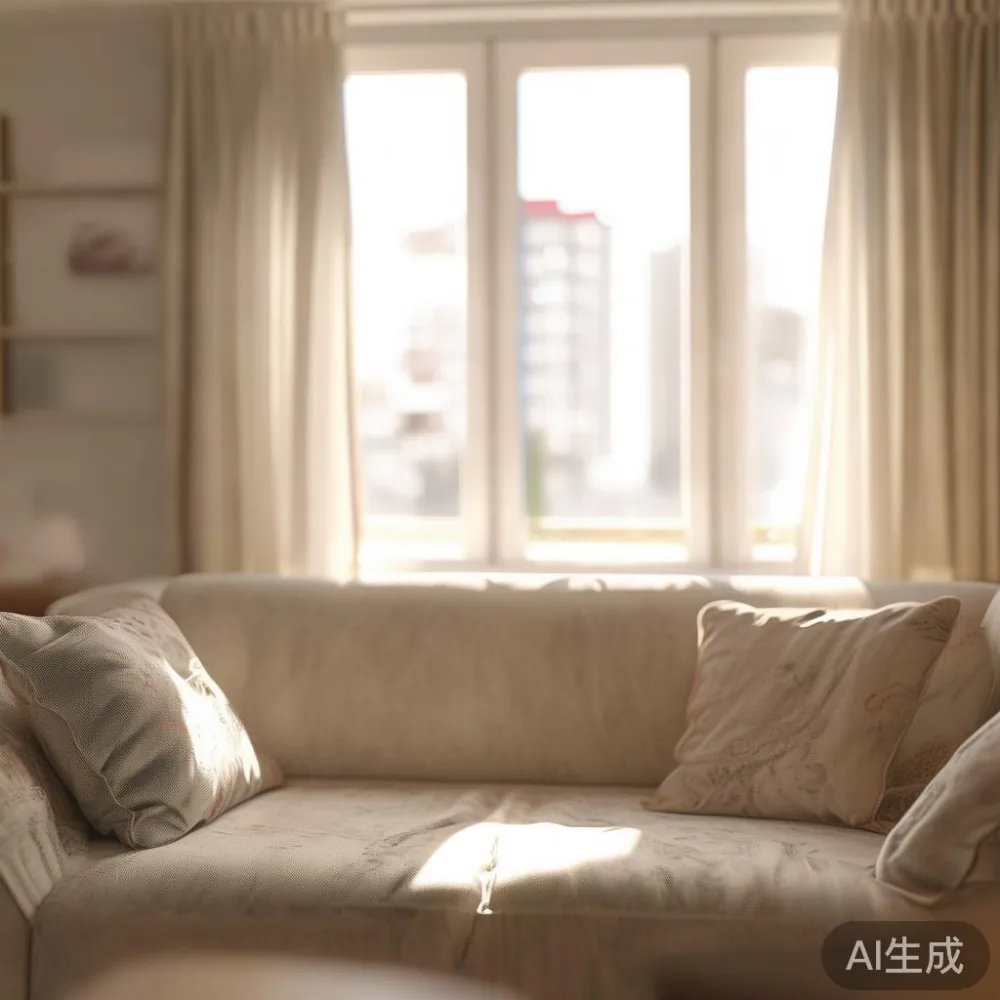
The price of a sofa is determined by the complexity of its design, the craftsmanship involved, and the materials used in its upholstery, which is a critical aspect of fabric care. A simple, minimalist sofa with clean lines and basic cushions will naturally cost less to produce than a French provincial sofa. The French provincial style is characterized by intricate details like carved wooden legs, rolled arms, and tufted upholstery. Each of these elements requires skilled labour and more time to execute. The fabric care for such a piece is also more demanding; the choice of fabric and the construction of the cushions must account for the detailed stitching and potential for more dust to settle in the crevices. A post-modern light luxury sofa, while perhaps less ornate, might use premium, high-performance fabrics with advanced stain protection, which also adds to the cost. The price reflects not just the materials but the artistry and labour invested in creating a specific aesthetic and level of comfort.
How do I style a French provincial sofa in a small apartment?
The key to styling a French provincial sofa in a small apartment lies in proportion and pairing. Choose a sofa with a lower back and slimmer arms to avoid overwhelming the space. Balance its ornate character with simpler, more streamlined furniture pieces. For instance, pair it with a sleek, low-profile marble coffee table and a minimalist wooden nightstand. This creates a light luxury feel without cluttering the room. In a Singapore HDB flat, where corridor and lift widths can be tight, ensuring your sofa can work through these spaces is a practical consideration that also influences the final purchase decision.
The Craftsmanship Conundrum: Handmade vs. Machine-Made
The method of construction is another significant factor influencing price. Handmade furniture, often associated with American light luxury, involves skilled artisans who cut, join, and finish each piece by hand. This process allows for greater attention to detail, customisation, and the use of traditional joinery techniques like dovetail joints, which are exceptionally strong and durable. A handcrafted solid wood wardrobe, for example, will have perfectly fitted drawers and smooth-gliding hardware that is built to last for decades. In contrast, machine-made furniture is produced more quickly and efficiently, often using automated processes for cutting and assembly. While it can be well-made, it may lack the nuanced finishing and precision of a handcrafted piece. The difference in labour hours and skill level is directly reflected in the price. A 10-year structural warranty, like the one offered by some makers, provides peace of mind that the joinery and frame are built to withstand years of use, justifying a higher initial cost for many homeowners.
Finish and Function: The Hidden Costs of Protection
The final finish on a piece of solid wood furniture does more than just determine its colour; it protects the wood from environmental factors like humidity, which is a constant consideration in Singapore. A high-quality, multi-step finishing process involves sanding, staining, and applying multiple coats of a protective lacquer or oil. This labour-intensive process prevents the wood from drying out, warping, or developing cracks. This level of protection is integral to the longevity of the piece and is a key component of proper fabric care for the entire furniture item. Also, functional hardware adds to the cost. A dining table with a self-storing leaf mechanism, or a wardrobe with soft-close hinges and drawer slides, requires more complex and expensive components than their basic counterparts. These features enhance the user experience and durability, contributing to a higher price point. For example, a marble table top must be properly sealed to protect it from stains and etching, an extra step that adds to the cost of the piece.
Understanding Local Market Dynamics in Singapore
The price of furniture is also shaped by local market conditions. In Singapore, factors like Goods and Services Tax (GST) and logistics costs play a role. When you see a price listed, it's important to know whether it's inclusive or exclusive of GST. For international brands, shipping costs and import duties can significantly increase the final retail price. This is where a local manufacturer with a strong export presence, like one established in 2008 with a track record of delivering to 15+ countries, can offer a more competitive price point by managing their own supply chain. They understand the specific needs of the Singapore market, from working through the doorways of older Bedok HDB flats to fitting furniture into the living rooms of modern Punggol condos. Services like free shipping over SGD 350 and a 14-day return policy are not just marketing perks; they are part of a comprehensive value proposition that simplifies the buying process and reduces the hidden costs for the consumer. My colleague visited a showroom last month and noted that the delivery timeline for a custom-made solid wood bed frame was clearly communicated as 14-16 weeks, a detail that is important for planning a home renovation within a specific budget and timeframe.
Is a Lifetime Refinishing Warranty Really Worth the Extra Cost?
A lifetime refinishing warranty is a feature that can justify a higher price for solid wood furniture. This guarantee promises that the manufacturer will refinish the piece for you if the original finish ever fails due to normal wear and tear. This is a powerful statement about the quality of the materials and construction. It means you are not just buying a piece of furniture; you are investing in an asset that can be restored to its original beauty decades down the line. For a family in a Singapore HDB flat, where furniture is used heavily and for many years, this kind of warranty provides immense long-term value. It eliminates the fear of accidental damage and ensures the piece can be passed down or moved to a new home without losing its appeal. While a piece without such a warranty might be cheaper upfront, the potential cost of professional refinishing or the need for a premature replacement can make it a less economical choice in the long run. The warranty is a proof of the maker's confidence in their product and a key factor for discerning buyers.
Conclusion: Investing in Value, Not Just Price
Ultimately, the price of solid wood furniture is a composite of its materials, the labour of its creation, the quality of its hardware and finish, and the value of its accompanying warranties and services. A higher price often indicates a more durable, aesthetically refined, and long-lasting product. When shopping, it's wise to look beyond the sticker price and consider the total value proposition. Think about the weight of a solid wood nightstand, the feel of the fabric on a sofa, the smooth operation of a wardrobe's drawers, and the peace of mind that comes with a 10-year structural warranty. By understanding these drivers, you can make an informed decision that enriches your home for years to come.