5-Year Cost Comparison: Veneer vs Solid Wood Furniture in Singapore HDB Flats and Condos
Buying furniture in Singapore is rarely a one-off decision. With HDB flats in Tampines, Bedok, and Punggol averaging around 90 sqm, and condo units in the city fringe pushing closer to 65 sqm, every metre of floor space is contested. A wardrobe that looks beautiful on launch day but peels in three years quietly drains the household budget. Last month I visited a resale 4-room flat in Simei with a couple who had just replaced a veneer dining table for the second time in six years. The replacement cost, plus a third delivery fee squeezed through a 1.1 m wide lift lobby, prompted a longer conversation about what they should have bought from the start. That conversation is the spine of this piece: a five-year cost comparison between veneer and solid wood, told through the lens of Singaporean floor plans, lift dimensions, GST, and the realities of fabric care for upholstery pieces like a solid wood sofa or bed frame.
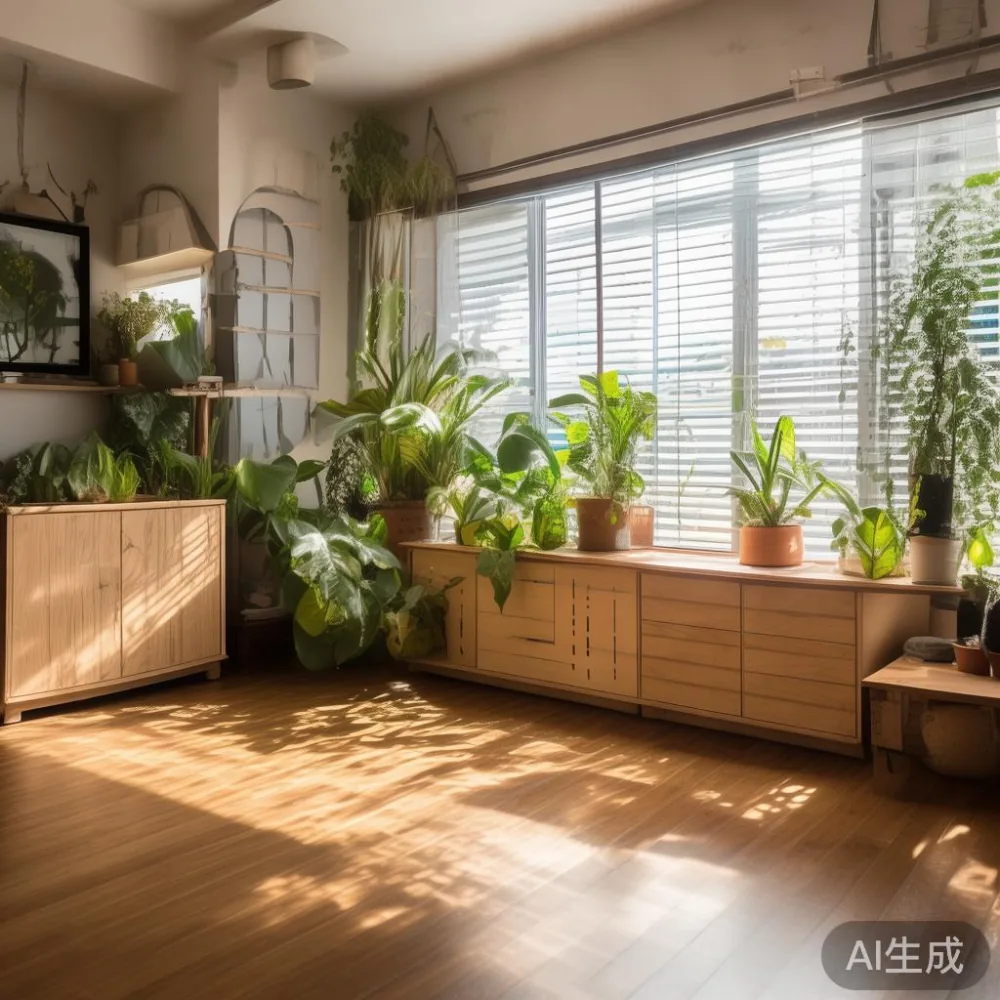
What is the real 5-year cost of veneer versus solid wood in Singapore?
The real five-year cost is rarely the price tag on the showroom floor. A veneer dining table listed at SGD 1,290 in a Jurong East megastore looks like a bargain against a MIDHILL solid oak dining table at SGD 2,450. Multiply the cycle, though, and the picture shifts. Veneer panels typically delaminate in Singapore's 28 to 32°C, 80 percent humidity indoors within 30 to 40 months. Repair is rarely possible because the substrate swells after one humid season. A replacement set then costs another SGD 1,290, plus delivery of SGD 80 to SGD 120, plus another round of disposal at SGD 40 through a Bulky Item Removal booking with the Town Council. Over five years, that single veneer dining table can quietly burn through SGD 2,800 to SGD 3,000.
A solid wood dining table in comparable dimensions (180 cm x 90 cm, seating six) sits in the SGD 2,200 to SGD 3,800 band for kiln-dried oak or ash. Add a one-time delivery of around SGD 120 to a Punggol HDB using a lorry with a tailgate, and the total over five years is roughly SGD 2,320 to SGD 3,920. The gap is narrower than the showroom receipt suggests, especially when you factor in that a solid piece can be sanded and re-oiled in place, which matters when your marble table top or dining surface has to survive wet umbrellas, kopi spills, and a toddler's marker attack.
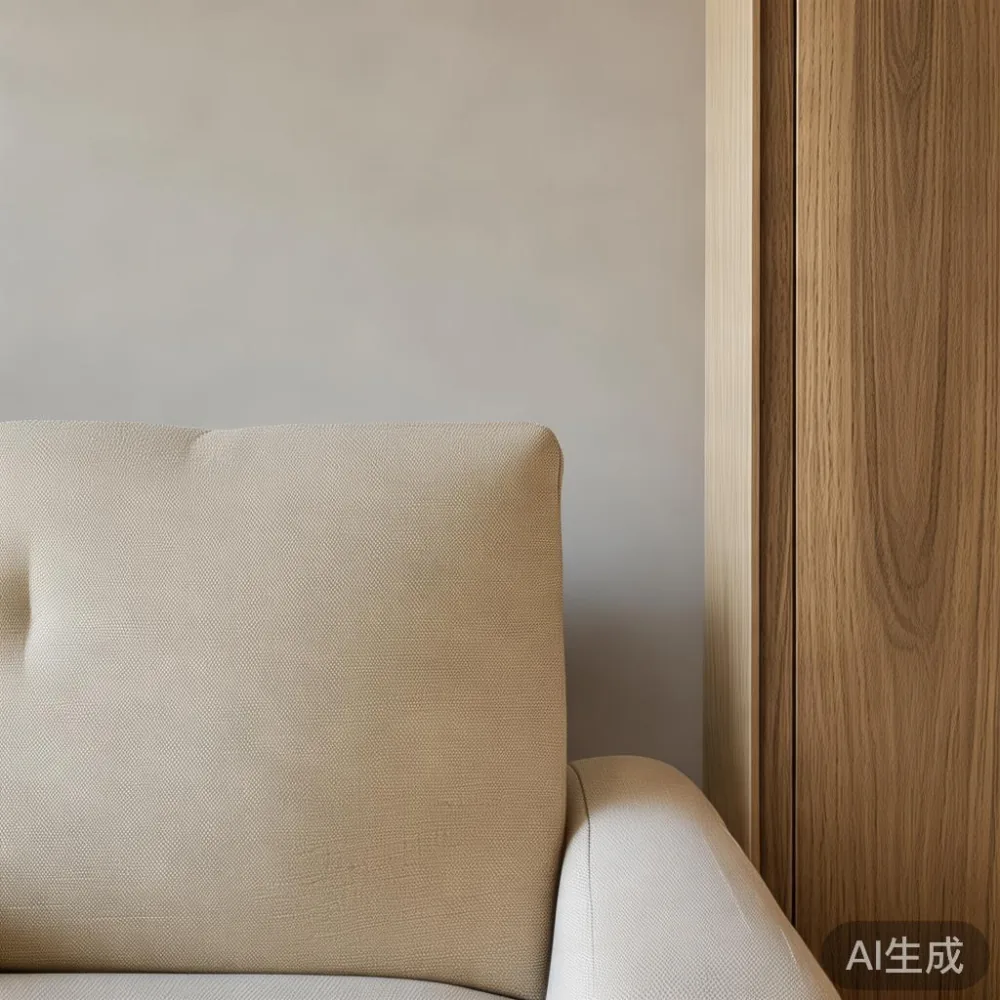
How do I style a wardrobe sg in a modern Singapore home?
Pick a wardrobe that is solid wood, full-height to the cornice, and finished in a light oak or ash tone so the room reads larger than its 12 sqm footprint. In compact HDB bedrooms, a floor-to-ceiling solid wood wardrobe with slim 35 cm depth behaves like a built-in without the renovation paperwork, and the exposed end grain becomes a quiet nod to French light luxury styling, where understated craftsmanship carries more visual weight than ornamentation.
Pair it with a low solid wood bed frame (a platform style in 150 cm x 200 cm, roughly 25 cm off the floor) so the eye travels horizontally, and place a small nightstand in the same species on each side. Use fabric care linen-cotton curtains in oat or clay to soften the timber without competing with it, and anchor the wall above the nightstand with a single piece of framed art rather than a gallery wall. The wardrobe doors can be push-to-open so there is no protruding handle to catch a裤脚 in a tight corridor, and the inside should be planned with two hanging zones, three drawers, and a single 40 cm shelf for folded knits. This kind of wardrobe SG plan reads as post-modern light luxury: restrained, geometric, and engineered for a room where every centimetre is measured.
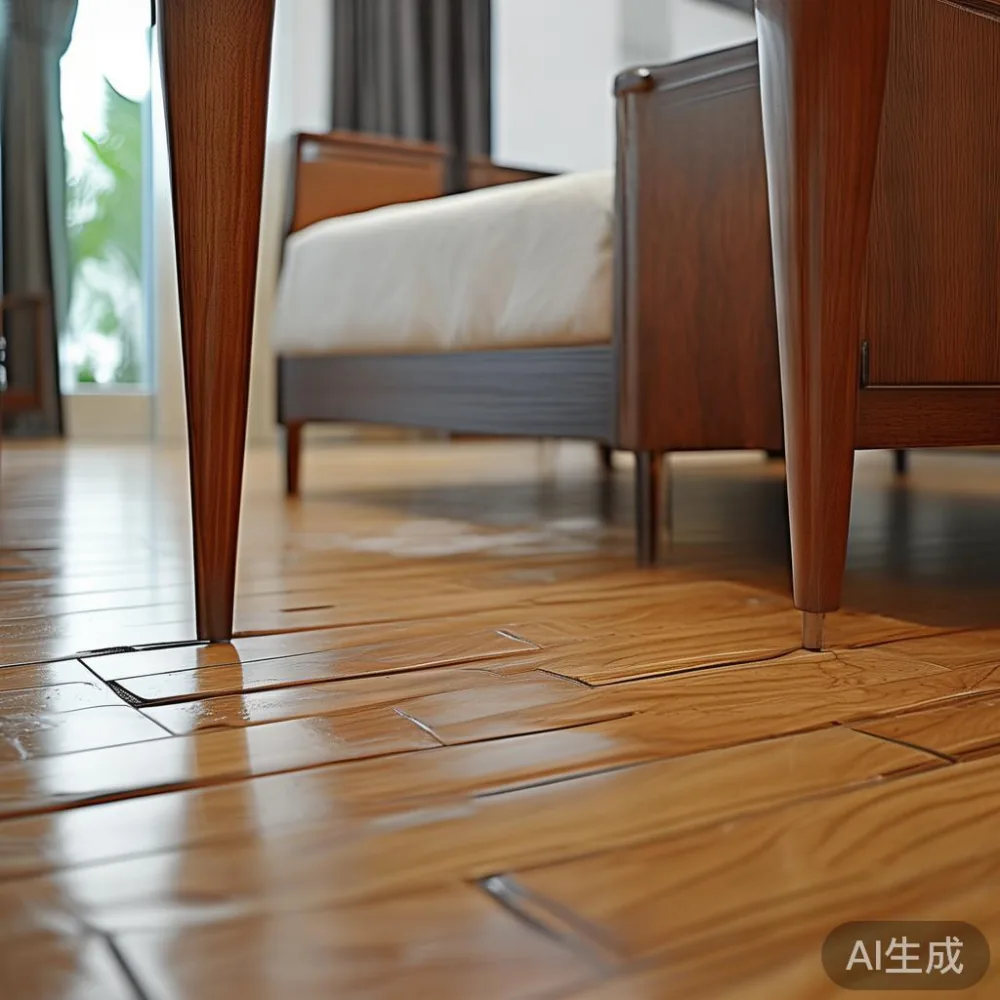
Why does veneer fail faster in HDB and condo conditions?
Singapore is unusually punishing on thin laminates. Even with air-conditioning running 16 hours a day, indoor relative humidity in a corner unit along the East Coast can swing from 55 percent at night to 78 percent when the family opens the windows during a thunderstorm. Veneer is paper-thin, normally 0.5 mm to 0.8 mm, glued onto MDF or particleboard. Once the glue line absorbs moisture and the substrate swells, the surface lifts in sheets you can press with a thumb. I watched this happen on a colleague's wardrobe in a Bedok reservoir-link block: the top panel bubbled within 28 months, and by month 34 the doors would not close because the carcass had warped 6 mm out of true.
Solid wood moves too, but it moves as a single piece. A 200 cm x 60 cm solid oak wardrobe side panel will expand roughly 3 mm across its width over a humid week, and a properly built cabinet leaves expansion gaps of 4 mm to 5 mm behind the back panel to absorb that movement. Furniture makers like MIDHILL kiln-dry their timber to 8 to 10 percent moisture content before assembly, which keeps the in-service movement small enough that door gaps stay consistent through five Northeast monsoon seasons. Veneer, by contrast, is bonded and sealed; it has nowhere to go, so it lifts.
What about the cost of moving and disposal in Singapore?
This is the line item people forget. A standard HDB lift internal dimension is about 1.1 m wide by 1.4 m deep, with a door opening of roughly 0.8 m. A disassembled flat-pack wardrobe can usually fit. A fully assembled solid wood wardrobe at 200 cm tall and 180 cm wide will not fit through the lift door on the diagonal either. That means a mover has to partially dismantle it, which adds SGD 120 to SGD 200 per piece, or you pay for a second trip. Over a five-year horizon, a family that moves once (common in Singapore, where the average tenancy length is about three to four years) pays this cost at least twice on a veneer product and only once on a solid wood product, because the solid piece can often be carried intact by tilting through the lift lobby after removing the doors.
Disposal through the Town Council or a private bulky waste collector runs SGD 30 to SGD 60 per piece for furniture in good condition, and SGD 80 to SGD 150 per piece if the item is broken or needs two men to carry it. Multiplied by the two replacement cycles that a cheap veneer sofa or bed frame usually demands, the disposal line quietly adds SGD 200 to SGD 300 to the five-year bill. A solid wood bed frame in good shape can often be resold on Carousell for SGD 200 to SGD 400, which partially offsets its higher purchase price and makes the net five-year spend even tighter than the gross.
Is solid wood better for upholstery pieces like a solid wood sofa?
The frame inside an upholstered piece matters as much as the fabric on the outside. A solid wood sofa frame in kiln-dried oak or beech lasts 12 to 20 years in a Singapore living room, while a plywood or chipboard frame typically sags at the seat rails within 4 to 6 years. The cushion fill will still compress and the covers will still need fabric care, but the skeleton stays straight. For a family choosing a 3-seater around 220 cm x 95 cm in a Punggol condo living room, a solid wood sofa in the SGD 2,400 to SGD 4,200 band will outlast two cycles of a comparably styled veneer-framed sofa at SGD 1,100 to SGD 1,800, especially when the fabric covers are removable and washable, which keeps the piece serviceable long after cheaper alternatives have been discarded.
Fabric care also extends to the bed frame. A solid wood bed frame with a slatted base, in 150 cm x 200 cm for a queen mattress or 180 cm x 200 cm for a king, costs between SGD 1,400 and SGD 3,000 depending on the species. Linen, cotton-linen, or performance blend upholstery on the headboard will outlast a microfibre or polyester equivalent by a wide margin, and rotating the mattress every three months keeps both the slats and the fabric in shape. Where a wood-frame European dressing table for small apartment sits at 90 cm to 110 cm wide and roughly 75 cm tall, choosing one with removable drawer liners means a coffee spill or makeup stain can be blotted out at the linen stage rather than being absorbed into a particleboard carcass that quietly rots from the inside.
How do GST, warranty, and after-sales change the five-year math?
Since the 9 percent GST adjustment, every furniture invoice in Singapore carries the line item. On a SGD 2,450 solid wood dining table, GST adds SGD 220.50. On a SGD 1,290 veneer dining table, GST adds SGD 116.10. The tax itself is unavoidable, but the warranty is not. A 10-year structural warranty, such as the one MIDHILL attaches to its solid wood bedroom and dining ranges, removes the cost of premature failure from the five-year ledger. Add a lifetime refinishing service, and the piece can be sanded, re-oiled, and re-toned at the workshop for a fraction of replacement cost, usually under SGD 280 for a dining table, which is less than a single delivery fee on a replacement veneer piece.
Free shipping above a stated order value, for example US$350 in international pricing, translates roughly to SGD 480, which a Singapore household easily clears when buying a dining set or bedroom suite together. The 14-day return window covers finish, dimensions, and comfort, so the buyer is not gambling blind. None of these factors change the upfront price of a solid wood piece, but they compress the five-year cost into a more predictable band and remove the panic replacement that drives most of the hidden spend.
What does the realistic 5-year total look like for each material?
For a typical three-bedroom HDB household in Tampines furnishing a dining table, a 3-seater sofa, a queen bed frame, a 3-door wardrobe, two nightstands, and a small marble table for the entryway, the all-in five-year tally looks roughly like this:
Veneer route: purchase around SGD 6,800, replacement of dining table and one sofa frame around SGD 2,400, delivery and disposal across two cycles around SGD 480, fabric cleaning and slipcover replacements around SGD 220. Five-year total approximately SGD 9,900, and the household still owns a wardrobe with bubbling doors and a second sofa whose cushions slope inward.
Solid wood route: purchase around SGD 11,200, delivery and one mid-term re-oil of the dining table around SGD 400, fabric care on the sofa and bed headboard around SGD 180, no replacements. Five-year total approximately SGD 11,780, and the household still owns a wardrobe with tight doors, a sofa with a straight frame, and a dining table that has been refreshed once. The delta between the two routes over five years is around SGD 1,800 to SGD 2,000 for an entire home, which works out to roughly SGD 30 to SGD 40 per month, less than a single family meal at a Tampines hawker centre for four.
Which pieces should Singapore buyers prioritise as solid wood first?
If the budget does not allow everything in solid timber, the priority order is the pieces that take the most punishment and the most movement. A solid wood bed frame and wardrobe first, because bedroom furniture in a HDB has to survive daily use for 10 to 15 years and is the most expensive to replace due to size. A solid wood dining table second, because it sees daily heat, moisture, and weight. A solid wood sofa frame third, because the upholstery will be replaced before the frame. A marble table in the entryway can be a stone-on-timber piece rather than full solid, since the tabletop takes the wear and the timber base is decorative. Nightstands can be solid wood at modest cost (typically SGD 380 to SGD 650 per pair in oak or ash), and they double as a quiet way to introduce the same species used elsewhere in the home so the look reads as American light luxury, where timber tone is repeated across rooms rather than reinvented in each one.
The wider point is that furniture in Singapore is not a decoration choice; it is a humidity, lift, GST, and fabric care decision with a five-year balance sheet. Veneer wins on the first glance and the first month, and loses on the second humid year, the third delivery, and the fourth repair quote. Solid wood costs more on day one, costs less by year five, and tends to still be standing in year ten when the next renovation cycle starts. That is the comparison worth writing down before the next mega sale weekend.