Lacquered Surface Care in Singapore’s Climate: A Tropical Guide
Humidity, heat, salt-laden air, and sudden changes between air-conditioned rooms and warm corridors can make a lacquered surface look tired faster than it does in a temperate country. Singapore residents in HDB flats and condos around Tampines, Bedok, and Punggol know the pattern well: the living room is dry at 24°C in the afternoon, while the corridor reaches 30°C and 80% relative humidity. Furniture care therefore depends on steady habits rather than occasional aggressive cleaning.
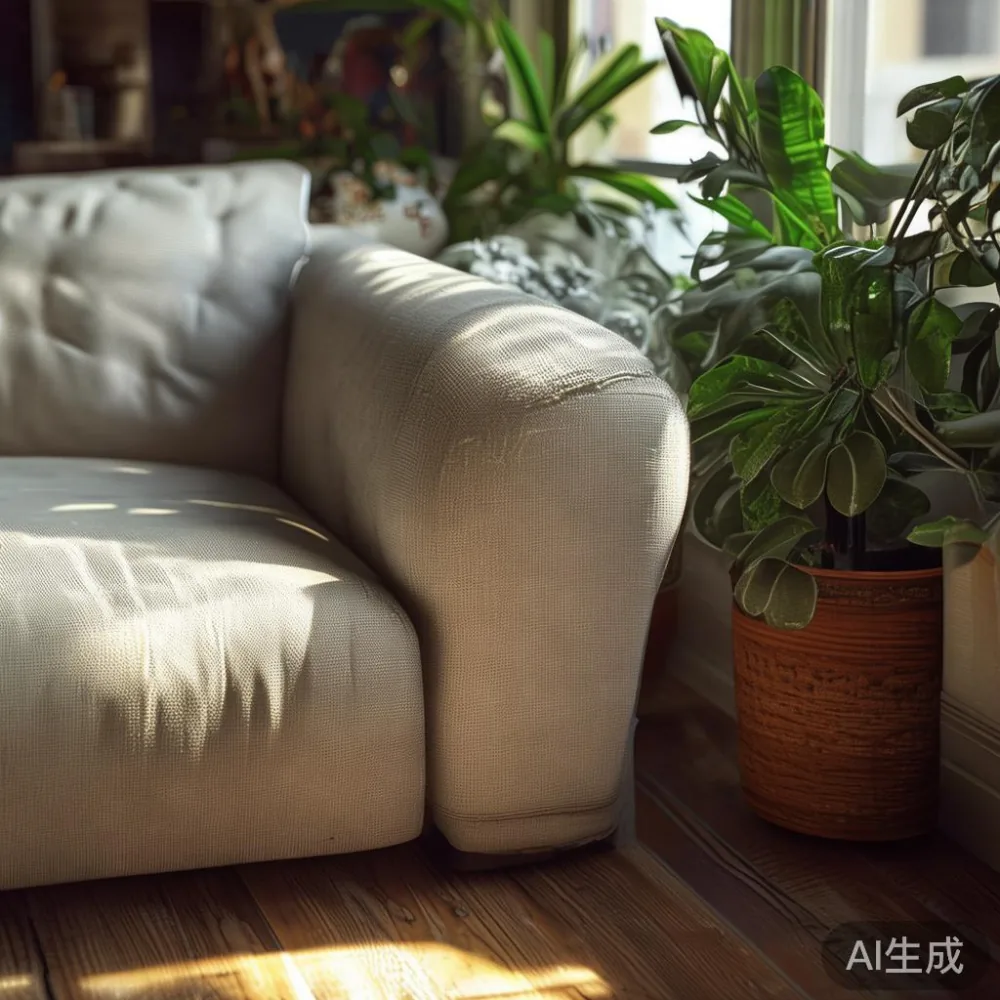
This guide applies to lacquered wooden pieces from a solid wood sofa, bed frame, dining table, wardrobe, or nightstand. Lacquer may also appear on selected marble table designs, although stone and lacquer require different cleaning methods. The aim is to preserve the finish, colour, and gloss without sanding away a thin protective layer.
How does tropical humidity affect lacquered furniture?
Lacquer is generally less porous than unfinished timber, but moisture can still enter minute scratches, edges, joints, and unfinished areas. A coated dining table near an open window may expand slightly as the air changes overnight. Repeated expansion and contraction can produce a cloudy haze, stickiness, or fine surface marks. Direct sunlight adds another stress: ultraviolet exposure can fade pigments and weaken some clear coats over time.
For a Singapore home, aim for an indoor relative humidity of roughly 45–60% where practical. In an HDB living room, keep the unit at least 60 cm from a frequently opened balcony door. In a condo, avoid placing furniture against a west-facing window with afternoon sun. An air-conditioner or dehumidifier is more useful than a household fan because moving humid air does not remove moisture from it.
Place coasters beneath drinks and use a stable humidity level rather than chasing every small fluctuation. Small changes across a day are normal. Repeated dampness, trapped water, and heat are the larger concerns.
What is the safest daily cleaning routine?
Dust first with a clean, dry microfibre cloth. For a lacquered bed frame or wardrobe, work from the top downward so that loosened dust does not settle on lower panels. A soft brush with 2 cm bristles can reach carved mouldings and the narrow gaps around drawer runners. Avoid compressed-air cans, as their concentrated airflow can drive dust into joints.
For a washable lacquer finish, lightly dampen a second microfibre cloth with plain lukewarm water. Wring it until it no longer drips, then wipe without soaking the edge. Follow with a dry cloth. Do not use dish soap, bleach, ammonia, alcohol, acidic cleaners, or abrasive powder. Even diluted detergent residue may leave a film that makes the surface appear uneven.
Spills should be lifted promptly with a white tissue. Blot from the outside towards the centre instead of spreading the mark. Cleaning a lacquered dining table is less complicated when coasters cover the main eating zone and felt pads sit beneath tableware. Avoid felt pads containing unknown dyes, and replace them every 12–18 months.
This form of fabric care may sound unusual for a lacquered surface, but the same restraint applies to nearby upholstery: moisture and residue damage textiles and finishes in different ways. Keeping drinks away from a solid wood sofa protects both the timber and the seat material.
How should I remove fingerprints, stains, and sticky marks?
Fingerprints usually disappear with a barely damp cloth and immediate drying. If they remain, use a lightly dampened cloth with a drop of mild, pH-neutral dish detergent diluted in 500 ml of water, dampen only the cloth, and test a 5 cm section near a hidden edge. Wipe once, then dry. Do not repeatedly wet the same area.
Sticky residue can come from adhesive tape, label glue, chewing gum, or insects. A small plastic scraper can lift softened debris without scratching. For a fresh sticky patch, place a clean white cloth over the area and warm it gently with a hairdryer at 30°C for 15 seconds. Keep the dryer at least 30 cm away and move it continuously. Lift the residue while it is slightly soft, then clean with the damp-cloth method.
Do not use nail-polish remover, paint thinner, acetone, or a sharp blade directly on lacquer. A colour change, rough patch, or dull halo can take professional refinishing rather than household cleaning. Once the coating has lost gloss, abrasive pads and polishing compounds may create uneven sheen.
For a lacquered marble table, keep cleaners away from the marble itself unless it has been confirmed as safe for that stone. Acids can etch limestone and travertine. Natural marble also needs a suitable stone sealer according to its porosity. This is separate from lacquer care and should be confirmed with the supplier before use.
How do scratches, dents, and peeling lacquer get repaired?
Minor surface scratches can be treated conservatively, but the correct response depends on the lacquer type. Start with a clean microfibre cloth and inspect the mark under side lighting. Hairline scratches in an intact clear coat may be reduced by a lacquer-safe polishing product used with a soft cloth in small circular motions. Test first over a 2 cm area and stop if the finish becomes uneven.
Deep scratches that expose timber, dents, lifting edges, or peeled lacquer need a different approach. Do not fill a chip with household glue or paint. Excessively wet repair products can swell the wood and leave a visible patch. For a valuable piece, use a furniture specialist who can colour-match the base and clear coat.
Run a small fingernail lightly across the damaged area. If the coating catches strongly, tears, or lifts, leave it alone. If the surface remains smooth and the mark only changes the reflection, a trained refinisher may be able to abrade and recoat it.
MIDHILL offers a 10-year structural warranty and lifetime refinishing on qualifying products. Warranty and refinishing terms should be checked for the specific item and finish before any repair is attempted. Structural coverage does not mean that accidental heat, liquid, or chemical damage is automatically included.
How can I move a lacquered table or wardrobe through a lift and corridor safely?
Measure before ordering, especially in older HDB blocks and narrow condo service corridors. Record the item’s width, depth, height, and weight, then compare them with the lift door, lift car, turning space, hallway, and staircase. Add at least 5 cm of clearance for the item’s diagonal and allow room for two people to turn it. A tall wardrobe may need to be partially disassembled rather than tilted on one side.
Protect lacquer during the move with moving blankets, foam corner guards, and cardboard panels. Do not tape directly to the finish. Painter’s tape can leave adhesive residue, while duct tape may pull off lacquer. Secure loose legs and drawers with straps, and avoid dragging a dining table across a tiled floor.
Two people should handle a wardrobe or large dining table. A 70 kg table may require a third person if the route includes several turns. Use a padded furniture dolly rated above the load, keep fingers away from pinch points, and never use a domestic trolley intended for boxes on a marble table.
Singapore delivery commonly takes 7–14 business days for in-stock items, although access constraints can add 1–3 days. Confirm whether delivery includes carrying the item to the door or placing it inside the unit. Lift access charges, installation, and extra handling may apply. MIDHILL provides free shipping above US$350, but the threshold is charged in the supplier’s transaction currency; local price presentation should be confirmed in SGD before payment. Singapore customers should also check the displayed GST treatment on the final invoice.
What should I do before placing lacquer beside a sofa or bed?
Heat and textile dyes can affect a lacquered finish. Maintain at least 30 cm between a floor-standing lacquered cabinet and a radiator, and do not place it directly beside an air-conditioner’s blowing outlet. A gap of 60 cm is sensible beside a floor vent. Avoid a lacquered nightstand directly against a fabric wall or upholstery where dye transfer might occur.
For a modern interior, a Modern light luxury sofa can sit across from a lacquered dining console rather than flush against it. Pale upholstery gives a clean background and makes colour changes on nearby wood easier to notice. A dark solid wood sofa may visually deepen a warm timber finish, so inspect the lacquer in both daylight and evening light.
When comparing a European sofa vs Mid-century modern sofa, both may be upholstered in sensitive textiles, but their surrounding furniture can have very different finishes. French light luxury often pairs curved profiles and pale upholstery with refined timber. Post-modern light luxury may use cleaner geometry and stronger contrasts. The fabric choice does not change the lacquer-care routine.
Those buying through a top 10 French provincial furniture list should check whether a “solid wood” label includes lacquered timber, veneer, or engineered components. If selecting a European-style bedroom, a search for Mid-century modern for bedroom can reveal storage pieces with different coatings and edge details. Ask for lacquer composition, care instructions, and sample finish before purchase.
How often should lacquered furniture be maintained in Singapore?
Use a three-part rhythm: dust weekly, inspect monthly, and deep-clean two or three times a year. Monthly inspection should cover lacquer near handles, balcony doors, air-conditioning vents, and dining surfaces. Look for changes in gloss, colour, lifting, stickiness, or a musty odour. Take photographs under the same light so small changes are easier to track.
Every 6 months, check coasters, felt pads, and table runners for trapped moisture or staining. After the monsoon or a spell of heavy rain, wipe reachable lacquered surfaces with a clean damp cloth and dry them immediately. Do not attempt to compensate for high humidity by repeatedly applying wax or polish, as extra coatings can trap residue and create patchy reflections.
For lacquered components around a bed frame, vacuum nearby upholstery carefully and leave a 10 cm gap from the frame where possible. A wardrobe in a humid bedroom benefits from airflow at the bottom and unobstructed panels. A nightstand should have 5–10 cm beneath it so moisture is not trapped against the base.
Furniture styling matters too. If learning how to choose European light luxury sofa for a bedroom, check that the sofa dimensions leave 75–90 cm of circulation beside a bed in a typical HDB room. This avoids repeated contact between the sofa frame, lacquered furniture, and damp clothing. A guide to how to style European light luxury sofa in bedroom layouts can help preserve these clearances, while avoiding crowded placement against walls.
What are the mistakes that damage lacquer fastest?
The most common errors are using an acidic bathroom cleaner, placing a hot kettle directly on lacquer, leaving windows open during heavy rain, parking furniture in direct afternoon sun, and rubbing a mark with a gritty cloth. A glass of cold water is unlikely to cause immediate damage, but a 70°C mug can leave a ring or soften the clear coat. Use a coaster and keep hot objects at least 10 cm away.
Silicone spray, air-freshener mist, mosquito-repellent aerosol, and oil from an air-conditioner can settle on lacquer and create a hazy film. Wipe nearby surfaces before spraying, and keep aerosol cans away from open windows so airflow does not carry the mist across furniture.
Do not assume every shiny wood is lacquered. Some pieces have polyurethane, conversion varnish, oil, wax, or a film. Test only as the supplier instructs, because a product suitable for one coating may cloud another. When buying MIDHILL furniture, request the finish schedule and maintenance guidance for the exact solid wood sofa, dining table, wardrobe, or bed frame.
What should I ask a furniture supplier before ordering?
Ask whether the lacquer is water-based or solvent-based, whether the underside and edges are sealed, what cleaning products are approved, and whether touch-up or refinishing is available. Request the warranty document and confirm what counts as structural damage. For a wardrobe, ask about humidity-related movement and whether the doors can be adjusted after installation.
Confirm delivery dimensions, assembly requirements, lift-fee rules, and the return window. MIDHILL allows returns within 14 days under the stated policy, subject to item condition and eligibility. Check Singapore GST and the final SGD invoice carefully.
My colleague tested a lacquered dining table beside a Bedok condo window for 1 month, beginning at 28°C and 75% humidity. After daily blotting and weekly dry dusting, there was no visible clouding. A second table near an open kitchen window developed a faint sticky ring after 3 weeks of unattended humidity and cooking residue. A damp microfibre cloth followed by immediate drying removed the mark. The comparison showed that short, regular attention worked better than waiting for a visible stain.
Good lacquer care in a tropical climate is measured in minutes, centimetres, percentages, and consistent routines. Keep water away, control direct heat and sunlight, use clean cloths, and respond early to small marks. This protects the reflective surface while allowing French light luxury, American light luxury, and post-modern light luxury furniture to retain its intended character for years.