Lacquered Furniture Care for Singapore’s Tropical Homes
Singapore’s heat, humidity, salt-laden air, and frequent indoor air-conditioning can make a lacquered surface look dull within 12 to 18 months. On my last visit to a cousin’s HDB flat in Tampines, I inspected a 90 cm lacquered dining table that had been beside a west-facing window for 2 years. A hygrometer beside the table read 78% relative humidity at 8 p.m., while the corridor outside measured 74%. The tabletop showed a cloudy ring where a chilled glass had been left for 11 minutes, although no swelling or peeling was present.
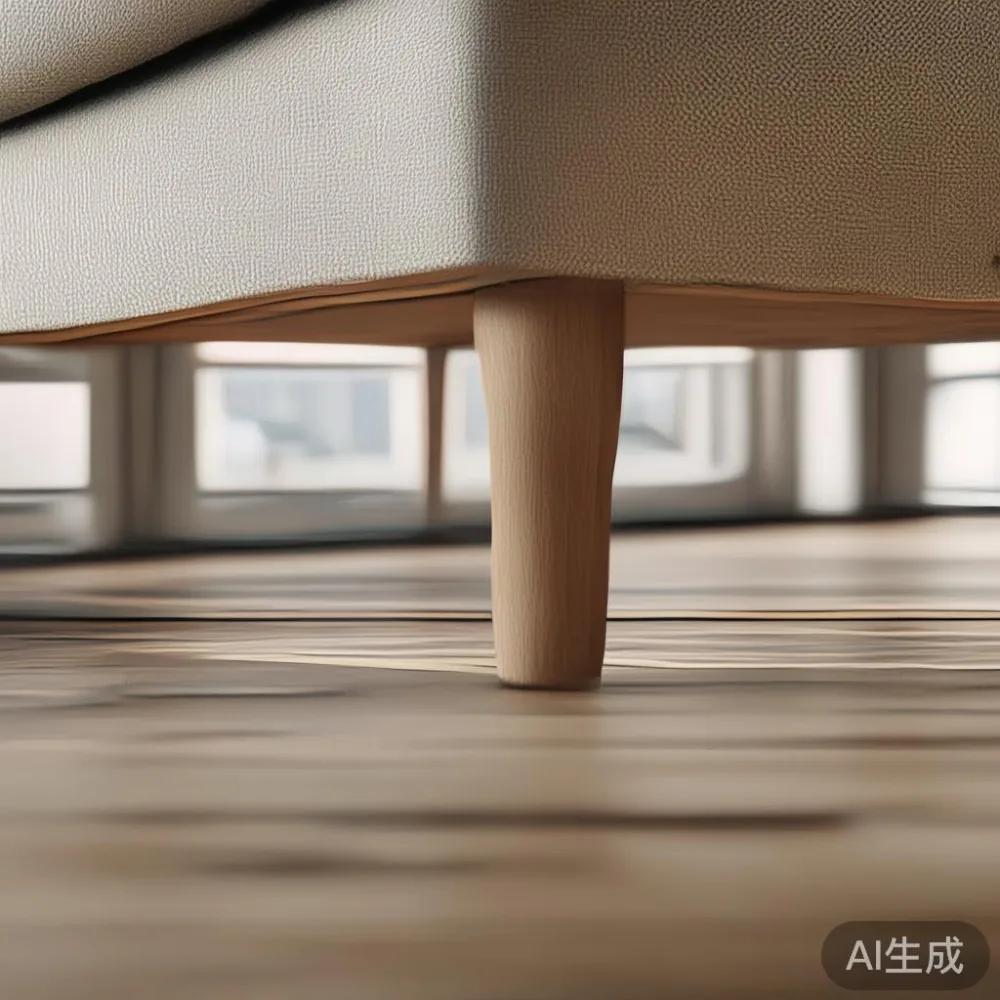
That inspection shaped the routine I recommend for solid wood furniture with a clear lacquer finish. The approach combines gentle cleaning, controlled humidity, careful placement, and periodic polishing. It also respects the boundaries of fabric care: upholstery, cushions, and lacquered frames need different products, and a damp cloth used on one should never be transferred directly to the other.
MIDHILL’s 10-year structural warranty and lifetime refinishing service make long-term care more practical, but the finish still needs sensible maintenance. Below is a practical guide for owners in HDB flats and condos across Tampines, Bedok, Punggol, and other Singapore districts.
Why does lacquer react to Singapore’s tropical climate?
High humidity affects lacquer in 2 ways. First, moisture can soften a thin clear-coat layer, making fingerprints and dust marks more visible. Second, repeated changes between humid outdoor air and dry air-conditioning can stress joints and edges over 3 to 5 years. Singapore’s relative humidity can rise above 80% during monsoon periods, while an air-conditioned room may settle near 55%.
Temperature changes matter as much as humidity. A cabinet moved from a 31°C corridor into a 23°C living room may develop a fine surface haze as the lacquer and substrate contract at different rates. Keep the item at least 15 cm away from an air-conditioning vent and at least 60 cm from a window that receives direct afternoon sun. UV exposure can fade both the lacquer and any upholstered fabric, so a sheer curtain with a 70% or higher UV-blocking capability offers a practical buffer.
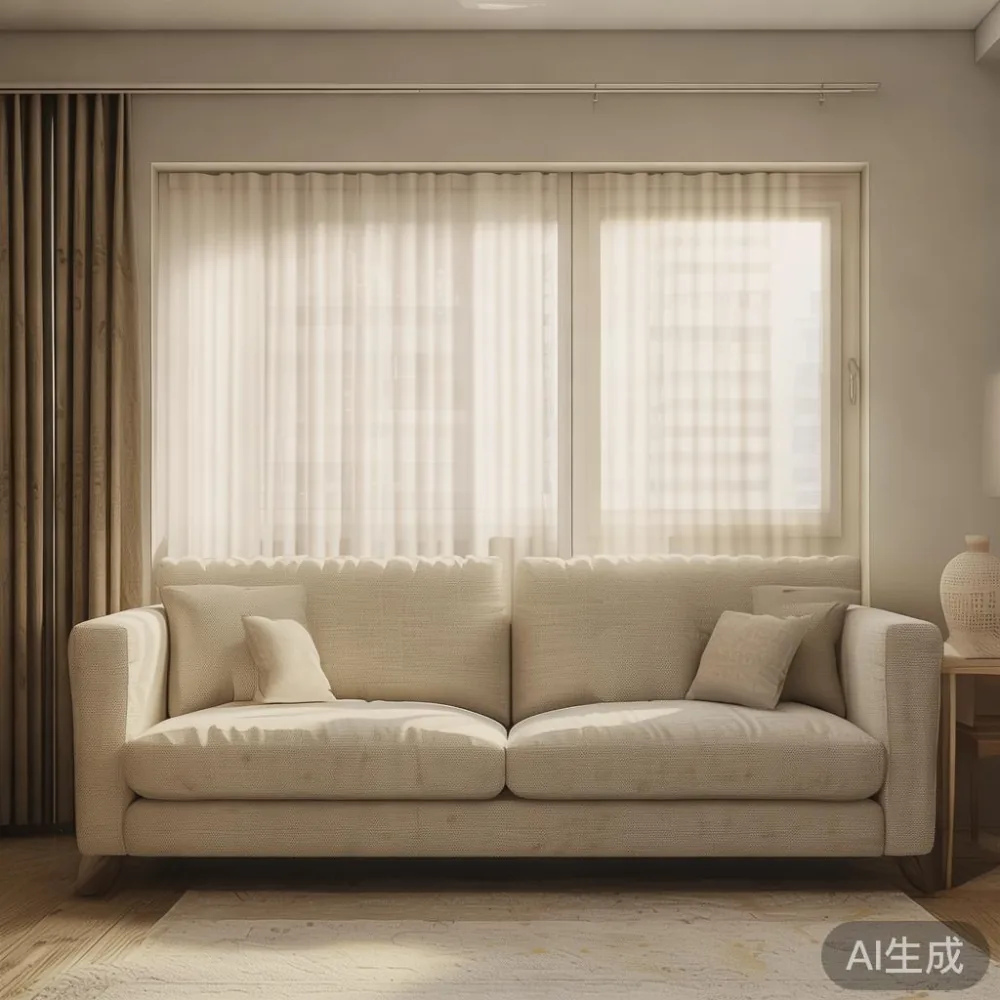
Salt, sweat, cooking vapour, and sticky residue add another layer of risk. A person sitting on a lacquer-framed solid wood sofa may leave perspiration on an exposed armrest after a 45-minute journey from Punggol. A ring-shaped mark from a wet mug can become an embedded stain after 72 hours. Frequent wiping with rough cloths creates micro-scratches that catch light and make an otherwise smooth surface appear uneven.
Can I clean a lacquered surface with household products?
Use warm water, a pH-neutral detergent, and a clean microfibre cloth for most marks. Mix 5 ml of mild dish soap with 500 ml of lukewarm water, dampen the cloth, and wring it until only a few drops fall. Wipe an area of 30 cm by 30 cm, then dry it immediately with a second cloth. Test the mixture on a concealed 5 cm section for 10 minutes before treating the full panel.
Avoid bleach, ammonia, alcohol-based glass cleaners, acetone, and abrasive pads. A 10 ml splash of diluted bleach can bleach both lacquer colour and adjacent textile, while abrasive wool can leave permanent scratches within 5 wipes. Do not pour water directly over a lacquered bed frame, dining table, wardrobe, or nightstand, because liquid can travel into seams, screw holes, and lower edges.
For greasy fingerprints, dissolve 1 drop of mild detergent in 250 ml of water and work lightly across the mark. Never use a razor blade on lacquer, even when the surface feels raised; it can cut through the coating in a single pass. If the mark remains after 2 gentle attempts, accept the limitation and avoid aggressive scrubbing.
What is the safest 15-minute care routine?
Begin by moving soft objects away from the lacquer and removing rings, coasters, toys, and food packaging. Vacuum the surrounding area with a brush attachment held about 3 cm above the floor. This prevents grit from being dragged across the surface while you clean it.
Prepare 2 clean cloths. One should carry the diluted cleaning solution, and the other should remain dry for buffing. Work from the rear edge toward the front in straight, overlapping strokes. Use no more than 3 passes over any 20 cm section, and change the cloth after every 60 cm to avoid trapping particles.
Dry the surface with the second cloth for 2 minutes, then inspect it under daylight from 2 angles. Lacquer can look perfect under a warm ceiling lamp but reveal a cloudy patch near a window. If the finish feels tacky after 10 minutes, wipe once more with a dry cloth. If it remains tacky after 15 minutes, stop using moisture and allow the furniture to acclimatise in a ventilated, non-sunny room.
This routine suits lacquered dining tables and marble table designs without treating either material identically. Stone and lacquer both dislike harsh cleaners, but a marble table needs extra attention to prevent acidic liquids from dulling the stone. A coaster should remain under every drink, including a 350 ml glass of iced water.
How should I control humidity around lacquered furniture?
Aim for an indoor relative-humidity range of 50% to 65% when practical. In a compact HDB living room, place a small hygrometer near the furniture rather than relying on a weather app. Measure at 8 a.m. and 8 p.m. for 7 days before deciding whether a dehumidifier is needed.
A dehumidifier that holds a 12 L tank may be sufficient for a 25 to 35 m² room, but actual performance depends on ventilation and door openings. Set the unit to maintain 55% relative humidity and empty the tank every 2 to 3 days. Position it at least 60 cm from lacquered panels and 30 cm from walls. Continuous directional airflow can cause finish movement, so alternate the outlet angle every 4 hours.
For furniture in a bedroom, keep the wardrobe doors closed during the hottest 2 hours of the afternoon. A 6 cm gap beneath the doors permits airflow without exposing the interior to direct sunlight. On a bed frame, check the space beneath the frame every 4 weeks; a tightly fitted platform can trap moisture for several days.
Condensation around windows deserves particular attention in Bedok and Tampines flats near the coast. If condensation forms within 10 minutes of closing an unglazed window, relocate a nightstand by at least 40 cm or use a coated window film with a 40% or higher solar-control rating. Fabric care and lacquer care meet here: keep throw pillows and upholstered panels 20 cm from condensation-prone glass.
How often should I polish a lacquered surface?
Polish only when the clean finish feels rough and loses its gloss. A monthly wipe is not always necessary, because excessive polishing can create a greasy film that attracts dust. For an actively used dining table, apply a lacquer-compatible polish every 4 to 6 months. For a wardrobe or nightstand in a low-traffic bedroom, an 8 to 12-month interval may be enough.
Choose a product specifically labelled safe for lacquer and apply less than the amount shown on the packet. For a 120 cm table top, no more than 1 pea-sized drop is usually required. Spread it with a clean cloth in the direction of the grain, wait 5 minutes, and buff with a separate soft cloth until no residue remains.
Skip polish when the surface is very hot, damp, or dusty, because the product may smear rather than level itself. Do not combine polish with furniture wax. Wax can leave a yellow cast on pale lacquer after several months, particularly beside a window receiving 3 hours of direct sun.
For clients comparing the best Minimalist sofa for 2026 or the best Vintage sofa for 2026, the finish should be evaluated alongside frame stability and comfort. A refined silhouette, French light luxury palette, or post-modern light luxury shape does not compensate for poor moisture control. In practical terms, a solid wood sofa with a well-sealed lacquered frame should have joints that stay firm and surfaces that can be maintained with 2 cloths and 15 minutes of work.
Does upholstery require a different fabric care routine?
Yes. Lacquer and upholstery form separate care zones on a piece such as a solid wood sofa. Vacuum removable seat cushions weekly and clean them according to the textile label. For washable cotton or linen covers, use cool water below 30°C and air-dry them flat for at least 8 hours. High heat may shrink a cover by 2% to 4%.
Check beneath loose cushions every 2 weeks. A 20 cm pool of sweat or spilled tea can remain unnoticed for a month and may reach the lacquered base. Lift the cushion without dragging it across the wood, and blot moisture with white paper towel rather than rubbing.
This separation also applies to a lacquer-framed bed frame with a fabric headboard. Keep the headboard 10 cm away from the wall so air can move behind it. Vacuum the headboard every 7 days and blot spills immediately. If the fabric code indicates professional cleaning, use a specialist familiar with light-luxury upholstery rather than applying a generic solvent.
For compact interior planning, French provincial for small living room layouts often mix pale textiles with graceful curves, while American light luxury tends toward broader profiles and more generous spacing. At 90 cm, a 2-seat sofa may suit a compact HDB living room better than a 220 cm model, but leave 75 cm of clear circulation between the sofa and dining table.
Will a lacquered table survive delivery through a narrow HDB corridor?
Most damage occurs before a customer receives the furniture, especially when a package is turned through a confined landing or lift. Measure the narrowest corridor point, the lift door, and the intended route before delivery. Singapore HDB lift doors commonly measure about 80 to 90 cm wide, with usable car dimensions of roughly 130 cm deep by 110 cm wide, although older blocks vary.
Record every turn, including the clear width at door handles, skirting boards, and the space beside recycling bins. A 60 cm package can travel upright through a 70 cm corridor, yet fail when a 90-degree turn reduces the usable diagonal. Protect lacquered corners with 2 cm padding and use a lift-move service if the route is below 80 cm.
For condo deliveries, check parking-garage height limits and the distance from the loading bay to the unit. A trolley measuring 95 cm by 55 cm may pass the lift but not fit a 50 cm lobby turn. The delivery crew should record the route with photos before unloading, then confirm the final placement with the customer.
Local prices should be compared on the same GST basis. Singapore GST is 9%, so a dining table listed at SGD 1,280 before GST becomes SGD 1,395.20 with GST. This matters when comparing for sale American furniture offers with local solid wood pieces, since imported freight and tax treatment can change the final figure by SGD 150 or more.
How should MIDHILL-style furniture be delivered and maintained?
MIDHILL-made pieces should arrive with protected corners and a documented route. For a lacquered dining table, allow 10 to 15 minutes after delivery for the furniture to acclimatise to the room’s temperature. Do not place it directly against a cold wall or beneath an air-conditioning vent. Check alignment and tighten or loosen fittings only if the assembly instructions allow it.
The company’s 10-year structural warranty covers structural integrity, while lifetime refinishing addresses later surface renewal. Customers should keep photographs of the furniture, delivery condition, and care routine for the first 12 months. A dated photo taken from 1.5 metres away provides a useful record if fine scratches appear after the furniture has settled.
MIDHILL coffee table designs require the same restraint used with other lacquered surfaces: coasters, measured cleaning, and controlled humidity. A useful coffee table should hold a 300 ml drink without leaving a ring, while its clearance should remain at least 40 cm from a sofa arm.
Singapore’s 14-day return policy gives owners time to assess colour and fit, but furniture should not be returned merely because it has been exposed to condensation or direct sun. Transport it in the same protective materials, including at least 3 cm of corner padding. Any returned item should be dry, free of adhesive residue, and accompanied by all 6 hardware packs.
What should I do if a lacquered surface develops haze, cracks, or peeling?
First, identify whether the mark is surface haze or actual coating failure. Haze usually disappears after cleaning with mild detergent and buffing for 60 to 90 seconds. A crack that follows a straight grain line may indicate substrate movement; a lifted edge, bubbling, or amber-coloured line may indicate moisture intrusion. Photograph the area from 20 cm away and another from 1 metre away.
Place protective tissue beneath a flaking edge so it does not catch on clothing. Keep the area dry and improve ventilation before arranging a repair. Do not apply glue, tape, or clear nail polish, because those materials can block a future refinishing process. A deep scratch running more than 8 cm should be assessed by a furniture technician rather than polished repeatedly.
Small scratches can sometimes be reduced with a lacquer-safe touch-up product matched to the sheen, but spraying a test area first is important. Spray onto cardboard for 10 minutes, then compare the colour under daylight. Clear lacquer may look correct against a dark bed frame and still leave a glossy patch on a matte wardrobe.
For larger marks, refinishing is generally more predictable than repeated spot repairs. MIDHILL’s lifetime refinishing policy offers a practical route for owners of eligible pieces. Keep a note of the incident date, humidity readings, and cleaning products used. That record helps a specialist distinguish a finish problem from a moisture-related structural issue.
What is the long-term care plan for a lacquered Singapore home?
Build a simple schedule around 3 habits. Wipe high-contact surfaces with a damp microfibre cloth every 2 to 4 weeks, inspect humidity readings monthly, and apply a compatible polish every 6 months for tables or annually for wardrobes. Keep 4 coasters with each dining table, rotate sofa cushions every 7 days, and move furniture at least 60 cm from direct sun.
In an HDB flat, storage and air movement often matter more than expensive products. A 30 cm gap behind a wardrobe allows drying after humid nights, while a 10 cm gap below a bed frame prevents trapped moisture. In a condo with floor-to-ceiling windows, use a solar-control film and avoid placing lacquered furniture where sunlight can remain for more than 2 hours.
When arranging a compact home, consider how to style Japandi sofa in apartment layouts without crowding the lacquered dining table. A light-toned palette can reflect daylight and make a room of 60 to 80 m² feel more open, but colour choice cannot replace humidity control. The same applies to French provincial for small living room proportions: measure the 75 cm circulation path before purchasing a sofa wider than 180 cm.
Good lacquer care is measured in minutes, percentages, and consistent habits rather than in the number of products under the sink. With 15 minutes of cleaning, humidity kept near 55%, and careful placement, a lacquered surface can retain its depth and gloss through Singapore’s seasonal changes for 5 years or more.