How Humidity in Southeast Asia Affects Wood Furniture: A Buyer's Guide for Singapore Homes
I still remember the afternoon I walked into a 4-room HDB flat in Tampines with my colleague. The owner had bought a beautiful solid wood dining table two years earlier from a local showroom, and the top had developed a gentle bow across the centre, about 4 mm high at its peak. The air-con was running, but the windows had been open most mornings to let in the breeze. Relative humidity in Singapore sits between 70% and 90% for almost the entire year, and that figure, more than any single purchase decision, is what determines whether a wooden dining table, bed frame, wardrobe, or nightstand will look good for two years or twenty. In this guide I want to walk through the science, the practical symptoms, the price tag in SGD, and the choices you can make so your home stays quiet, calm, and properly dry, even in a Punggol condo that catches the afternoon sun.
Why humidity in Singapore is unusually aggressive on solid wood
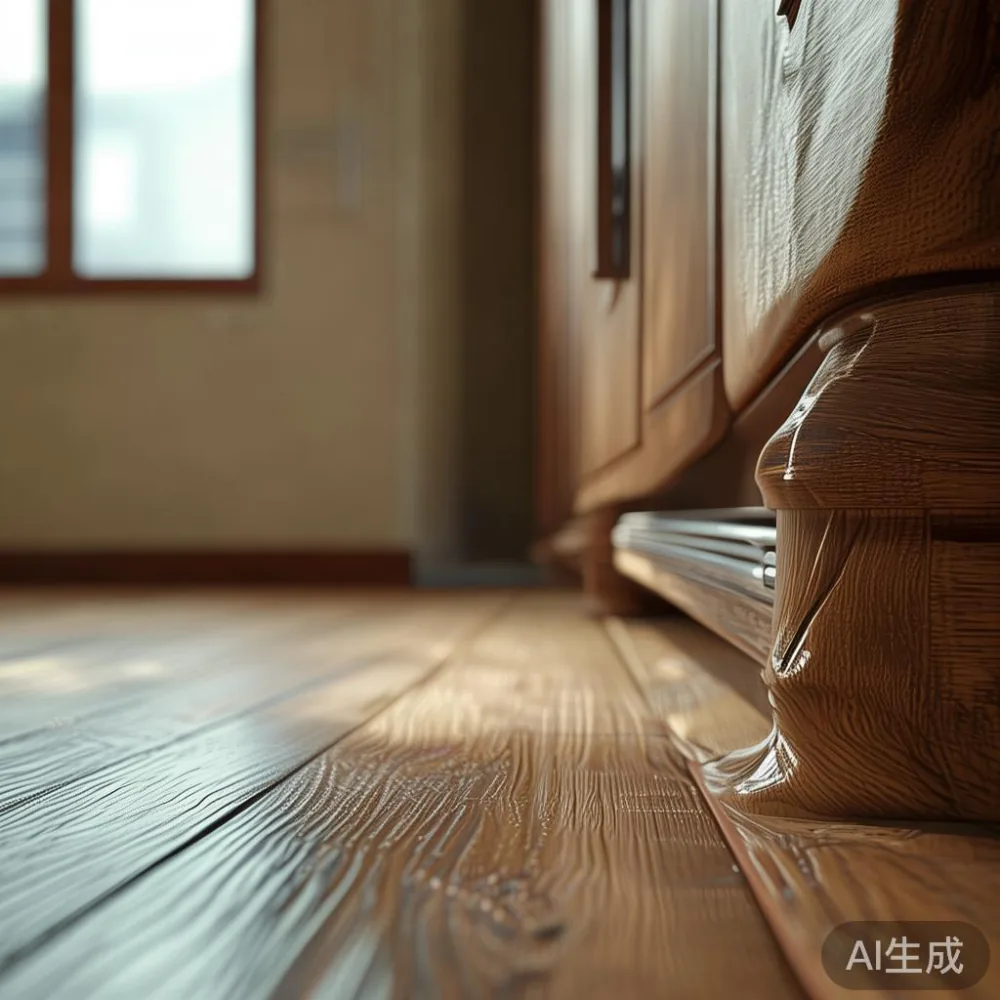
Solid wood is hygroscopic, which means it constantly exchanges moisture with the air around it. The fibres swell when humidity rises and shrink when it drops. Singapore does not really have a "dry season" in the continental sense. Over a 12-month cycle, outdoor relative humidity rarely dips below 65%, and indoor humidity in many HDB flats without a dehumidifier sits between 65% and 80% for most of the year. Compare that to a city like Frankfurt or Vancouver, where indoor winter humidity can fall to 25% to 35%.
For furniture, what matters is not the absolute humidity on a single day but the amplitude of the swing. A 1% change in moisture content translates to roughly a 0.1% change in wood dimensions along the grain and up to 0.25% across the grain. Across a 180 cm dining table top, that cross-grain movement can add up to 4 to 6 mm of seasonal expansion and contraction. Over a year, the wood quietly moves, and you start seeing tell-tale signs: hairline cracks, a sticky drawer that was smooth in January, a wardrobe door that rubs in November.
Five warning signs I look for when inspecting a piece on the showroom floor
Last month I visited a 1,200 sq ft Bedok condo with a homeowner who was considering three different wardrobe options. Here is the checklist I walked her through, and the one I use myself when I evaluate a piece from any maker:
1. Weight and feel. A 1.8 m wardrobe in solid ash or solid oak typically weighs between 90 kg and 140 kg. If the showroom sample feels suspiciously light for its size, the panels are probably MDF with a thin veneer, and that material reacts very differently to humidity than true solid wood.
2. End-grain inspection. Look at the top and bottom edges of each panel. If you can see continuous grain running through the edge into the face, it is solid. If the edge looks like compressed paper, it is engineered.
3. Joinery at the corners. Dovetails, mortise-and-tenon, and tongue-and-groove all tolerate movement. Staples, cam locks, and butt joints held with glue alone do not.
4. Finish thickness. A proper lacquer or oil finish slows moisture exchange but does not stop it. Run a fingernail across a hidden area: if the finish feels paper-thin, expect faster movement.
5. The "flat top" test. Place a long straight edge across the top of the dining table. Anything more than 2 mm of deviation across 150 cm tells you the slab was not dried properly to its final destination climate.
What humidity actually does to a marble table, a sofa, and a nightstand
Wood gets all the attention, but humidity affects everything in the room. A solid wood sofa frame, even one upholstered in performance linen or velvet, can develop a slight creak at the joints after 18 months if the indoor humidity averages above 75%. The frame does not fail; it just shifts a few tenths of a millimetre, and the noise comes from the rub of dry joints against each other. A marble table on a wooden base can also be a quiet trouble spot: the marble itself is stable, but if the wooden plinth underneath absorbs moisture and swells, the whole top sits unevenly and you get the dreaded wobble. Place felt pads and check level every six months.
Nightstands are often the first casualty because they sit against exterior walls that are slightly cooler, encouraging condensation. I have seen a 50 cm cubic nightstand develop a dark tide-mark along the back panel after only eight months in a Punggol corner unit. The fix is rarely expensive: pull the nightstand 5 cm away from the wall, run a small dehumidifier set to 55% RH for two weeks, and the tide-mark usually fades as the wood equalises.
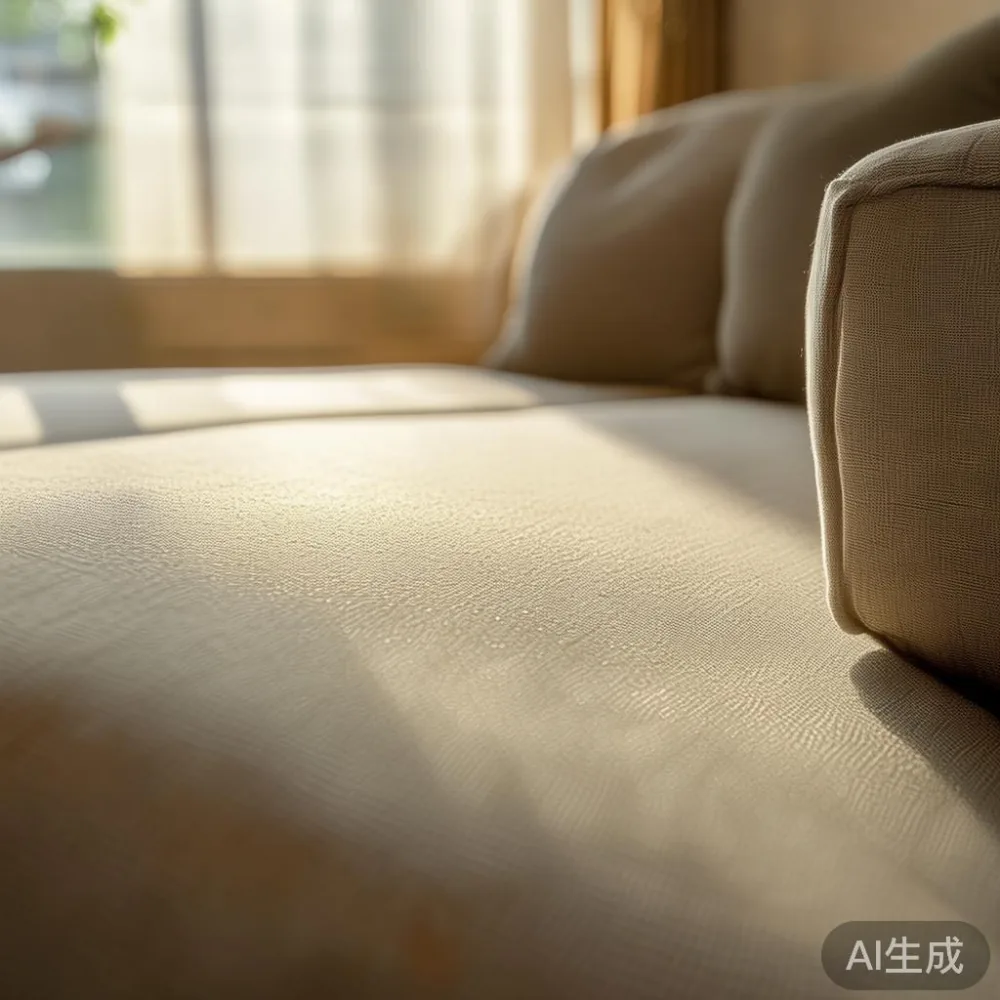
Fabric care matters here too. Linen and cotton slipcovers breathe with the room, but they also absorb ambient moisture. A velvet sofa in a perpetually damp room can develop a musty smell at the seams, and that is a fabric care issue more than a frame issue. Rotate the cushions monthly, vacuum with a soft brush once a week, and keep the humidity between 50% and 60% for the health of both fabric care and the wooden frame underneath.
How much does good humidity-resistant furniture cost in Singapore?
Pricing varies with material, joinery, and shipping method, but here is a rough picture of what a Singapore homeowner is currently paying in SGD for genuinely solid pieces that are built for tropical living:
- A 180 cm solid oak dining table, 4 cm thick top, six-seater: SGD 1,650 to SGD 2,400
- A 1.6 m x 2.0 m solid ash wardrobe with soft-close hinges: SGD 1,950 to SGD 3,100
- A queen-size solid wood bed frame in oak or walnut: SGD 1,250 to SGD 2,150
- A solid wood nightstand, two-drawer, 50 cm wide: SGD 420 to SGD 680
- A marble table with a solid wood base, 110 cm round: SGD 1,400 to SGD 2,800
Adding GST at 9%, plus delivery that often includes lift access in HDB blocks (typical lift opening 80 cm x 210 cm, corridor clearance 120 cm), most pieces from regional makers in Foshan, including MIDHILL furniture ranges, sit in the middle of those bands. Buyers who want free shipping in Singapore usually clear the SGD 350 threshold without much trouble once a dining table or bed frame is in the basket.
Which style families cope best with Singapore humidity?
Over six years of fitting out homes across Tampines, Bedok, and Punggol, I have come to rely on three style families that hold up particularly well. Light luxury in its French provincial for guest room expression works because provincial pieces tend to use thicker panels, more substantial turnings, and slightly distressed finishes that hide the small movements inevitable in tropical air. If you are researching how to style French sofa in bedroom for a 4-room HDB, lean towards washed-oak frames with removable, washable linen covers; the linen breathes, the frame is forgiving, and the look feels curated rather than overly polished.
Post-modern light luxury, with its clean lines and unadorned panels, also performs well, but only if the maker has properly kiln-dried the timber to 8% to 10% moisture content before assembly. Ask the showroom for the moisture meter reading; any reputable brand will produce one. Solid wood sofa frames in this style benefit from a 5 cm gap behind the back cushions so air can circulate.
American light luxury in walnut and ash is my third pick. Walnut is slightly more dimensionally stable than oak, and ash has a tight grain that resists checking. A walnut dining table topped with a hardwax oil will need refreshing every 18 months in Singapore, but the underlying wood will stay calm.
For homeowners searching for something a little more design-led, there are also options for sale Mid-century modern furniture pieces in teak and rosewood that have already lived through decades of tropical humidity in their country of origin, so they have stabilised. A pre-owned 1960s teak credenza from a Punggol estate sale, properly inspected, can outlast almost anything new.
"Will a dehumidifier really protect my solid wood wardrobe?"
This is the question I get asked most often, and the short answer is yes, with one caveat. A dehumidifier set to maintain 55% RH will cut wood movement by roughly 40% to 60% compared with an uncontrolled room. That means a wardrobe door that rubbed in October may stop rubbing entirely. The caveat is placement: do not point the dry air stream directly at any piece of furniture, and empty the tank or check the continuous drain line every week. In a typical 1,000 sq ft HDB flat, a 12-litre compressor dehumidifier running four to six hours a day costs about SGD 12 to SGD 18 per month on the household electricity bill, which is a fair trade for protecting several thousand dollars of furniture.
Practical placement rules for HDB flats and condos
Singapore homes have their own humidity hotspots. The kitchen, the bathroom, and the area near the service yard are obvious ones, but I also watch out for the wall opposite a large window that gets direct afternoon sun. In a Bedok 5-room flat I visited last month, the wardrobe against that wall had bowed inward by 8 mm because solar gain raised the surface temperature of the panels by 6°C to 8°C during the day, dropping humidity on the warm side and pulling the wood toward the cooler, damper interior of the room.
Keep wardrobes at least 3 cm from the back wall, ideally 5 cm. Use anti-tip straps, which double as spacers in this context. Avoid placing a marble table directly under an air-con vent; the cold draft on one side and warm ambient air on the other can cause the marble to feel uneven under a glass. For dining tables, leave at least 90 cm on each side so chairs can pull out without bumping a wall, which also helps air circulate around the legs. And if you are planning a Nordic for small living room layout in a 50 sq m condo, choose pieces with raised legs, not floor-hugging skirts: a sofa on a 12 cm wooden plinth breathes far better than one that sits flat on laminate.
Day-to-day care: a 10-minute monthly routine
I keep a small checklist on my phone, and I run through it on the first Saturday of every month. Dusting with a microfiber cloth, never a wet rag, takes about four minutes per piece. Then I open the wardrobe doors for ten minutes to let air circulate. Finally, I check the hygrometer. Anything between 50% and 60% is fine. Above 65%, I run the dehumidifier for the afternoon.
For fabric care on upholstered pieces, I vacuum the cushions with the soft brush attachment, flip them, and rotate them front-to-back. A slipcover in linen or cotton can go into the wash at 30°C once a quarter. Avoid plastic storage bags under the bed or inside wardrobes; they trap moisture against the wood and create the exact conditions you are trying to prevent.
What to ask the showroom before you buy
Three questions save a lot of regret. First: what is the moisture content of the wood at the time of assembly, and where was it kiln-dried? Second: what is the joinery method on the load-bearing corners of the bed frame or wardrobe? Third: what does the warranty actually cover, and for how long? A maker that is willing to discuss kiln-drying schedules openly, offer a 10-year structural warranty, lifetime refinishing on the dining table, free shipping over SGD 350, and a 14-day return window is signalling that they understand the realities of tropical ownership.
When you are studying how to style light luxury wardrobe in bedroom with these practical constraints in mind, also consider whether the piece can be disassembled for the lift. A wardrobe that breaks down into three or four panels, each under 80 cm wide and 200 cm tall, will fit through a standard HDB lift opening of 80 cm x 210 cm without forcing the installer to remove door frames.
Final thoughts before you commit
Singapore is one of the kinder climates for furniture, despite its humidity, because temperatures stay stable year-round. Wood does not face the brutal freeze-thaw stress of northern cities. What it does face is a long, slow, humid soak, and the pieces that survive it are the ones that were dried properly, joined thoughtfully, and finished with care. A solid wood sofa, bed frame, dining table, wardrobe, nightstand, or marble table chosen with these principles in mind should give you fifteen to twenty-five years of service, with a quick refinish around year ten to bring the top back to life.
If you want to compare pieces across styles, from French provincial for guest room to post-modern light luxury to American light luxury, look at the joinery, the moisture readings, and the warranty language before you fall in love with the colour. The right piece in the right wood, in the right humidity, is the kind of slow, quiet purchase that rewards you every single morning for the next two decades. And if a piece from MIDHILL furniture ranges catches your eye, the same rules apply: kiln-dry verification, solid joinery, and a finish that you can refresh, not replace, when the tropical air has had its say.