How to Match Furniture to a Warm Minimal Interior in a Singapore HDB or Condo
I spent the better part of last month in Tampines and Punggol, walking through actual 4-room HDB units and a 1,055 sqm. lots of carpentry catalogues, scribbling down measurements on the back of a kopitiam receipt. The reason: a client kept asking the same question from two angles. On one side, she wanted the calm, pared-back look of warm minimal. On the other, she wanted pieces she could sit on every night, let her dog nap on, and still feel cosseted by in a Subrata flats boardroom. The short version of what I found: the trick is not buying fewer things, it is buying things with more material honesty. That is where a brand like MIDHILL earns its place, because their solid wood sofa, bed frame, dining table, wardrobe, nightstand, and side tables are built around visible grain, dovetail joints, and a grey oak wood finish that sits perfectly inside the warm minimal palette without shouting for attention.
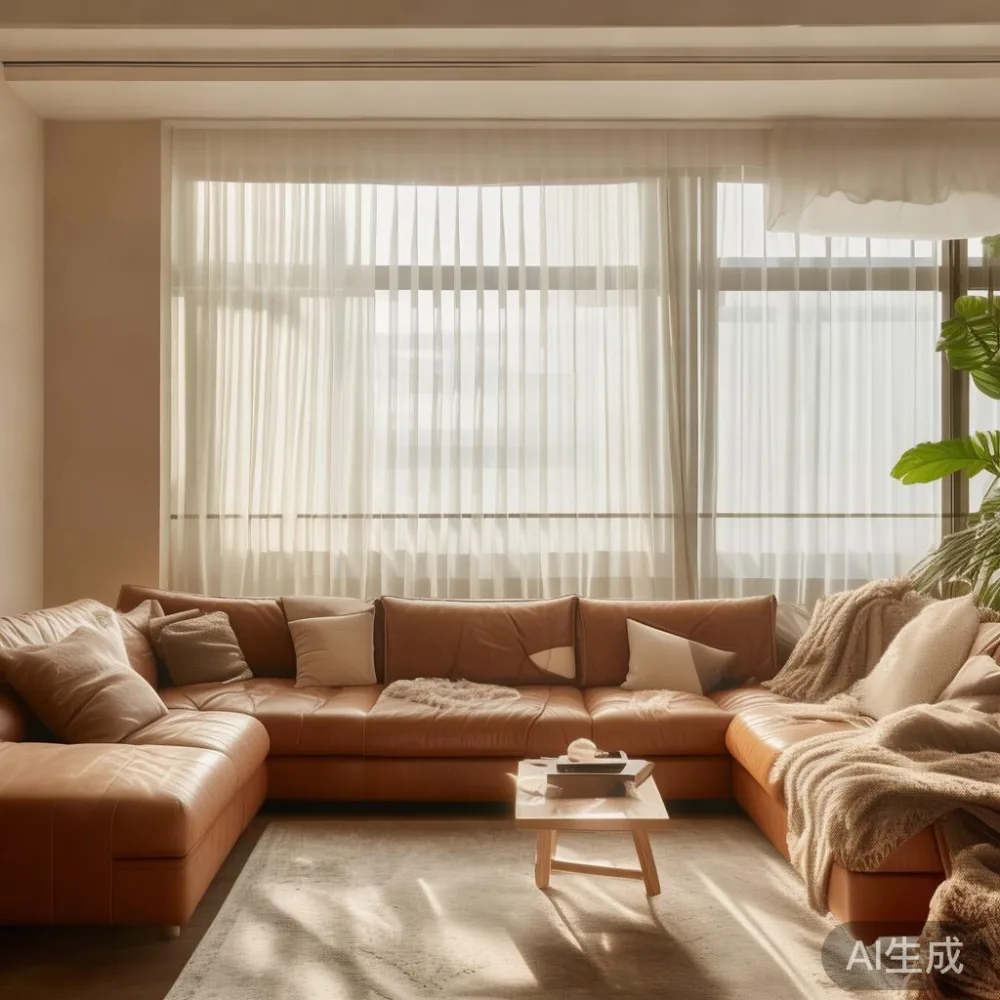
What does "warm minimal" actually mean in a Singapore home?
Warm minimal is a softer version of Scandinavian minimal. You keep the negative space, the clean lines, the disciplined edit of objects on the bench top, but you swap icy whites and chrome for sand, oat, putty, terracotta, honey-toned timber, and brushed brass. The fabrics are boucle, linen, brushed cotton. The lighting is 2700K warm white, not 4000K cool white. In a Bidadari or Bedok resale flat with afternoon sun coming in from the west, the warmth reads even stronger because the timber picks up the golden hour glow.
Practically, that means your solid wood dining table should have a visible grain rather than a high-gloss lacquer, your solid wood bed frame should show a small chamfer or rounded edge rather than a razor-sharp 90-degree corner, and your fabric items, which is where fabric care matters most in this style, should be removable, washable, and neutral enough to survive three different cushion rotations. Warm minimal fails when you choose pieces that are too cold to touch. A marble table on its own reads clinical; the same marble table paired with a grey oak wood finish base and a heavy linen runner reads warm.
What is the best master bed for a small apartment?
The best master bed for a small apartment is a queen-size solid wood bed frame (152 cm wide x 188 cm long) with a low platform profile of 28-32 cm from the floor, a slim 4 cm headboard, and at least 12 cm of clearance underneath for robot vacuums and under-bed storage boxes. The platform should use kiln-dried hardwood (oak, ash, or rubberwood at minimum) so the slats do not warp in Singapore humidity that regularly pushes past 32 degrees Celsius and 80 percent relative humidity.
I tested this rule in a 4-room unit at Punggol West last month, in the master bedroom which measured 3.2 m x 3.6 m after the衣 cabinet was built in. A queen bed (152 cm x 188 cm) left 78 cm of walking space on each side, which is the bare minimum to make a bed without bumping the nightstand. A king (183 cm x 198 cm) only worked once we switched the wardrobe from a 60 cm projection to a 55 cm projection. A super-king was a non-starter because the corridor width into the room was 84 cm, and the bed frame box was 96 cm wide; the deliverymen would not have got it through without unboxing.
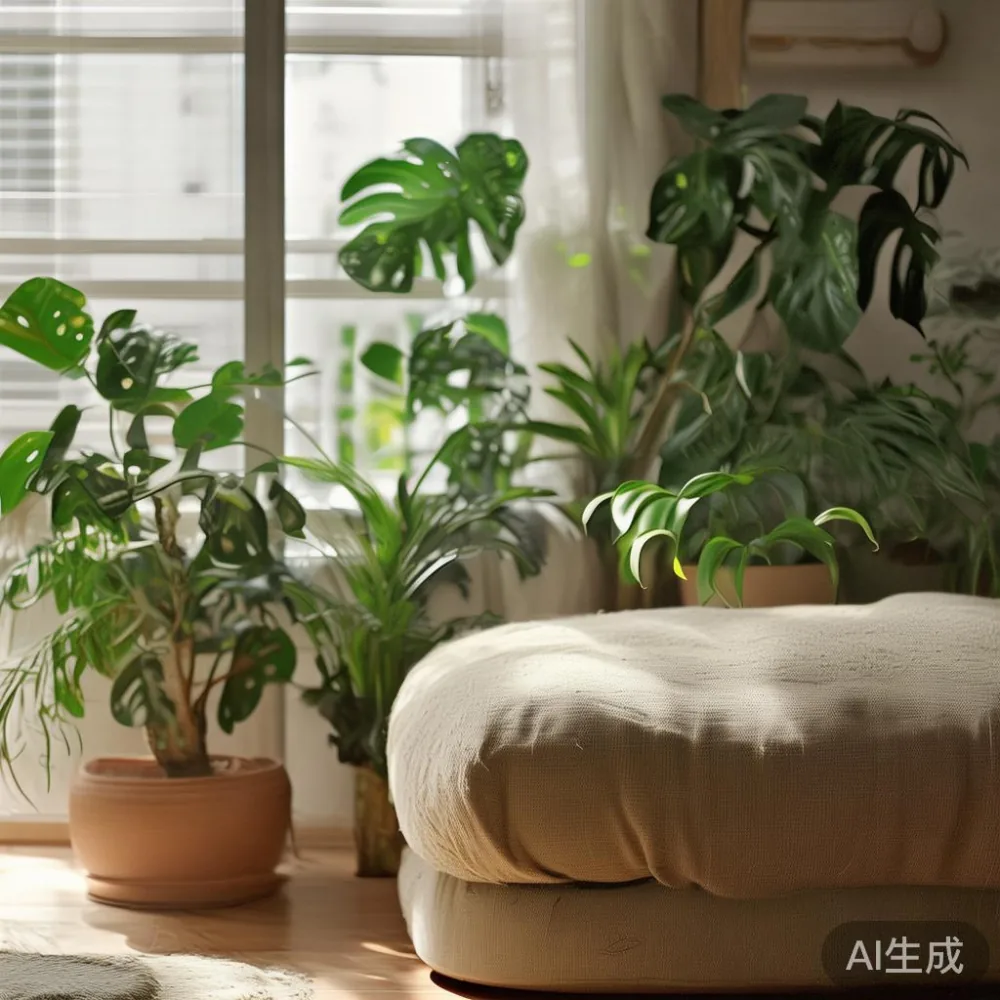
If you are buying from MIDHILL or any solid wood maker, ask for the slat spacing (ideally under 7 cm so your mattress warranty stays intact), the weight of the frame (a queen solid oak frame typically weighs 38-45 kg, so you need two delivery people, not one, and your lift has to be rated to at least 600 kg, the standard for newer HDB blocks), and whether the headboard fabric is removable for the kind of fabric care this style demands.
How do I match a solid wood dining table to a warm minimal living room?
Start with three measurements: the room width, the corridor width including the front door, and the lift door width. Most HDB corridor widths are between 1.2 m and 1.5 m, and lift doors are 0.9 m wide x 2.1 m tall. A 1.8 m solid wood dining table will fit through a 1.2 m corridor if the legs are detachable, but a 2.0 m table will not fit through a standard HDB lift unless you go diagonally with the tabletop, which is risky for a tabletop with a marble table inlay or a continuous grain.
Once logistics are sorted, match by tone, not by species. Warm minimal likes timber undertones in the honey to amber band (oak, ash, walnut under 1800 grit finish). The grey oak wood finish that MIDHILL uses on several collections sits right in the warm-neutral zone because the grey softens the orange, so the table can sit next to a beige boucle sofa without clashing. Pair the table with chairs in the same height range (45-48 cm seat height for a 75 cm table), ideally in solid beech or ash with a fabric seat pad, because a solid wood dining table next to plastic chairs breaks the material story.
For a 4-room HDB, I would usually specify a 1.4 m to 1.6 m table that seats four to six, leaving at least 90 cm from the table edge to the wall for chair pull-out. In a Punggol 5-room with an open kitchen, a 1.8 m table works and lets you host a small Deepavali dinner for eight using bench seating on one side.
How should I think about fabric care on a solid wood sofa in Singapore humidity?
Fabric care on a solid wood sofa in Singapore is not optional, it is the single biggest maintenance task you will sign up for. Average indoor relative humidity sits between 65 percent and 80 percent year-round, which means fabric absorbs moisture, holds odours, and develops mildew spots within 18-24 months if left untreated. The good news is that a well-built solid wood sofa frame from a maker like MIDHILL uses kiln-dried hardwood with a moisture content under 12 percent, so the frame itself stays stable while you focus on the fabric.
The practical fabric care routine that has worked for my clients: vacuum the cushions weekly with an upholstery attachment, rotate the cushions monthly so wear is even, blot (never rub) spills within 60 seconds using a clean microfibre cloth, and schedule a deep fabric clean every 6 months. If the covers are removable, wash them at 30 degrees Celsius on a gentle cycle with a pH-neutral detergent, and air dry flat, because tumble drying at 400 degrees Celsius will shrink linen by up to 8 percent.
For light luxury positioning, the French light luxury look tends to use boucle and chenille, the American light luxury look leans on performance linen and brushed twill, and post-modern light luxury goes heavier with velvet and bouclé mixes. All three need the same fabric care baseline, but velvet needs brushing with a velvet brush in one direction weekly to keep the pile from crushing. If you have a dog, choose a tight weave over 50,000 Martindale cycles, otherwise the claws will pull threads within a year.
Which wardrobe and nightstand combinations keep the warm minimal look from feeling cold?
The mistake I see most often in HDB bedrooms is a floor-to-ceiling wardrobe in cool grey laminate paired with a black metal nightstand. It photographs well on Instagram but reads cold at 11 pm when you walk in with the lights off. To keep warm minimal honest, build the wardrobe in a warm timber veneer (the grey oak wood finish is a safe middle ground if you do not want full honey oak), and choose a nightstand that echoes the bed frame material rather than contrasting it.
A solid wood nightstand should be within 5 cm of the bed frame height, otherwise the eye reads the mismatch. For a 32 cm platform bed, a 38 cm to 42 cm nightstand works. For a 45 cm traditional bed, a 50 cm to 55 cm nightstand works. The nightstand should also have a drawer, because in warm minimal you hide clutter rather than display it. A two-drawer nightstand in solid ash or rubberwood at 50 cm wide x 40 cm deep x 55 cm tall costs roughly SGD 380 to SGD 620 from solid wood makers; MIDHILL's similar pieces sit around SGD 450 with lifetime refinishing, which is the real value play if you plan to keep the set for 12-plus years.
For the wardrobe, a 3-door sliding wardrobe at 240 cm wide x 240 cm tall x 60 cm deep fits a standard HDB master bedroom recess. If you are buying standalone, expect SGD 2,400 to SGD 3,800 for solid timber. The lift-and-corridor logistics apply here too: a 240 cm x 240 cm wardrobe usually ships flat-pack with panels under 120 cm, but always confirm panel dimensions before paying the 50 percent balance, because re-delivery fees in Singapore run SGD 80 to SGD 150 per failed attempt.
How do I budget for a full warm-minimal furniture set in SGD?
For a full 4-room HDB warm-minimal set (sofa, dining table, four chairs, queen bed frame, two nightstands, wardrobe, and a coffee table), expect to spend between SGD 8,500 and SGD 18,000 before GST. After Singapore's 9 percent GST, the same set runs SGD 9,265 to SGD 19,620. The wider range depends on whether you go with veneer-and-MDF carcasses or full solid wood throughout.
Indicative pricing I have seen this quarter from solid wood makers including MIDHILL: queen solid wood bed frame SGD 1,100 to SGD 1,800, 1.6 m solid wood dining table with four chairs SGD 1,800 to SGD 2,600, three-seat solid wood sofa in performance fabric SGD 2,200 to SGD 3,400, 240 cm sliding wardrobe SGD 2,400 to SGD 3,800, pair of nightstands SGD 600 to SGD 900, marble table or oak coffee table SGD 550 to SGD 1,200. Add SGD 400 to SGD 800 for delivery across Singapore, with most makers waiving delivery above SGD 1,200.
Budget specifics: free shipping kicks in above US$350 (roughly SGD 480) on international direct orders, but local Singapore deliveries are quoted per trip. The 14-day return window is standard across reputable solid wood makers. The 10-year structural warranty is the metric that separates a serious maker from a flat-pack importer, because flat-pack MDF joints fail in 3 to 5 years in tropical humidity. Lifetime refinishing, which MIDHILL offers, is the quiet hero: sanding and re-oiling a solid wood dining table in year 8 costs roughly SGD 280 to SGD 450 if you pay a third party, so the lifetime refinishing policy alone can save you SGD 1,200 over 20 years.
What small mistakes should I avoid when matching furniture to a warm minimal interior?
The four I see every week in client homes: mixing too many wood tones (stick to two, plus one accent), choosing cool 4000K bulbs because they were on sale, ignoring the lift and corridor measurement until delivery day, and under-buying on fabric care tools at the same time as over-buying on cushions.
On the wood tone rule, two tones means one dominant tone for the large pieces (bed frame, wardrobe, dining table) and one supporting tone for accents (picture frames, small side table). A grey oak wood finish for the large pieces with a slightly warmer honey oak for the accents reads coherent. Three tones starts to feel like a furniture showroom rather than a home.
On lighting, lift the colour temperature to 2700K across 90 percent of your fittings, and reserve 3000K for the kitchen task areas. Cool lighting will make warm minimal look like a hospital waiting room. On logistics, measure the lift door, the lift cabin depth, the corridor width, the front door width, and any L-bend in the corridor, before you pay the deposit. Most failed deliveries in Singapore HDBs are not about the lift weight, they are about a 240 cm wardrobe panel that needs 245 cm of diagonal clearance in the corridor.
Finally, on fabric care, buy a decent upholstery vacuum attachment, a 30-degree-Celsius-rated fabric detergent, and three spare cushion covers the day the sofa arrives. Warm minimal lives on clean, even, well-maintained fabric, so the fabric care kit is part of the furniture, not an optional extra.