How to Read a Furniture Warranty Without Getting Caught Out
Buying furniture for your Singapore home is a significant investment. Whether you're furnishing a new HDB flat in Punggol, upgrading a condo in Tampines, or refreshing a space in Bedok, the pieces you choose need to last. A warranty is your promise of quality, but a poorly understood one can leave you with unexpected costs and frustrations. The key is knowing what to look for and how to read between the lines. This guide will walk you through the process, ensuring you can confidently assess any warranty and protect your purchase for years to come.
What Exactly is Covered Under a Furniture Warranty?
At its core, a furniture warranty is a manufacturer's guarantee against defects in materials and workmanship. However, the scope of this guarantee varies dramatically. The most comprehensive warranties, like those offered by established makers, often cover the structural integrity of the piece for a decade. This means the frame of a solid wood sofa, the joints of a dining table, or the legs of a bed frame are protected against cracking or breaking under normal use.
Less commonly, warranties cover the finish of the wood. A 'lifetime refinishing' warranty, for instance, promises that if the surface finish degrades over time, the manufacturer will refinish it for you. This is a valuable feature, especially for items like a marble table or a dark-stained wardrobe that see daily use. It is important to note that these warranties almost never cover damage from accidents, misuse, or environmental factors like extreme humidity, which can be a concern in Singapore's climate.
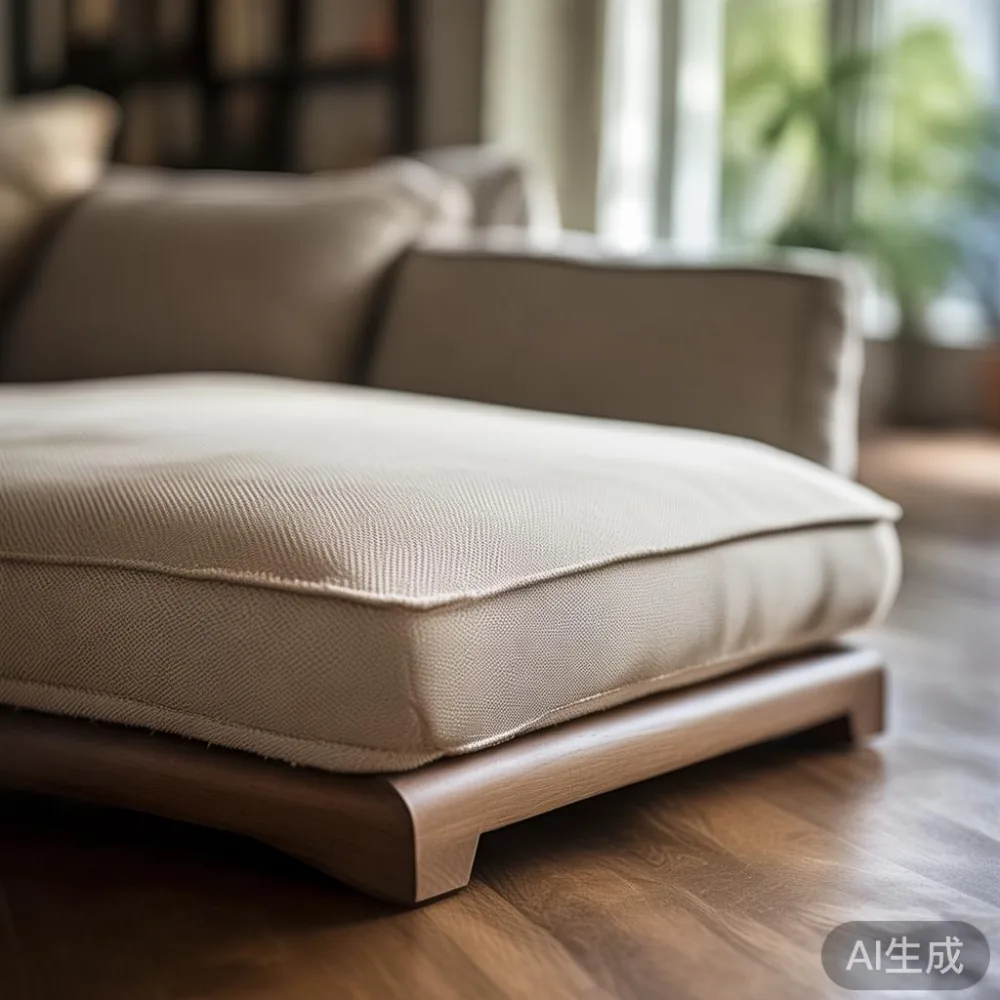
Fabric care is another area where warranties differ. For upholstered items, the warranty might cover the fabric's manufacturing defects, such as seams coming apart or the fabric fading prematurely under normal sunlight exposure. However, it typically does not cover stains, tears, or general wear and tear. Always check if the warranty specifies the type of fabric and its care requirements, as improper cleaning can void the coverage.
What's Usually Not Covered? The Exclusions Clause
Understanding what is *not* covered is just as important as knowing what is. This is where many consumers get caught out. The exclusions section of a warranty is often the most telling part of the document. Common exclusions include damage from moving the furniture, improper assembly, or placing the item in an unsuitable environment.

For example, a warranty for a solid wood wardrobe might be voided if you place it directly in front of an air-conditioning vent, causing the wood to warp due to rapid temperature changes. Similarly, a warranty for a dining table might not cover a heat ring left by a hot plate, as this is considered misuse. In Singapore, where HDB corridors and condo lift lobbies can be tight, be aware that damage incurred during the moving process is rarely covered.
Another common exclusion is 'normal wear and tear.' This is a subjective term, but it generally refers to the gradual deterioration that occurs with regular use over time. A sofa's cushions will inevitably soften, and the fabric may show pilling after years of use. A warranty is not an insurance policy against the natural aging of a product. Always read the fine print to see if the manufacturer provides a clear definition of what constitutes 'normal wear and tear' versus a 'defect.'
What Does a 'Lifetime Warranty' Really Mean in Singapore?
The term 'lifetime warranty' sounds incredibly reassuring, but its meaning can be ambiguous. In the context of furniture, it almost never mean the lifetime of the customer. Instead, it typically refers to the lifetime of the product itself or, more commonly, the lifetime of the original owner. After the product is sold or transferred, the warranty may no longer be valid.
When considering a piece like an Italian light luxury wardrobe with a 'lifetime warranty,' it's wise to ask the retailer for a specific clarification. Does it cover the structural frame for the life of the original purchaser? Does it include the hardware, like drawer slides and hinges? A reputable manufacturer will provide a clear definition. In Singapore, where families might pass down furniture or move homes, understanding the transferability of a lifetime warranty is a practical question to consider before making a purchase.
Last month, I visited a showroom in Singapore to test a new bed frame. The salesperson proudly mentioned its 'lifetime warranty.' I asked for the details, and it turned out the warranty covered the frame for 15 years from the date of purchase, not the owner's lifetime. While still a strong warranty, it highlights the importance of not taking marketing language at face value. Always get the specifics in writing.
How to Choose a French Provincial Wardrobe Without Warranty Surprises
Choosing a statement piece like a French provincial wardrobe involves more than just falling in love with its elegant design. It requires a practical assessment of the warranty that comes with it. When you're looking for how to choose a French provincial wardrobe, the warranty should be a key factor in your decision.
Start by examining the warranty period. A 5-year structural warranty is a good baseline, but a 10-year warranty, like the one offered by some established makers, provides greater peace of mind. Pay close attention to the coverage details. Does it cover the wood, the finish, the internal shelving, and the door hinges? A comprehensive warranty will list these components explicitly.
Also, consider the process for making a claim. A warranty is only as good as the service behind it. Look for clear instructions on how to report a defect and what the expected response time is. For instance, if a drawer on your Italian light luxury wardrobe stops functioning, will the manufacturer send a replacement part, or will a technician be sent to your home in Singapore? Understanding this process can save you a lot of hassle down the line.
Are Singapore's Delivery and Return Policies Part of the Warranty?
While not technically part of the product warranty, delivery and return policies are inextricably linked to your purchase protection. These policies address the risks associated with getting the furniture into your home and what happens if you are not satisfied.
For HDB dwellers, logistics are a critical consideration. A reputable company will offer free shipping over a certain purchase amount, for example, over SGD 1,500. This saves you the cost of hiring a separate mover. They should also provide clear information about delivery times, with a typical window being 14 to 21 business days for custom or imported pieces. Knowing this helps you plan your renovation timeline effectively.
Return policies are your safety net if the item is damaged upon arrival or if it simply doesn't fit your space. A 14-day return policy is standard, but the terms matter. Is the return free? Do you need to repack the item yourself? For a large piece of furniture like a solid wood sofa, the cost and effort of a return can be significant. A good policy will handle these logistics for you. Also, consider the size of your lift and corridor. A wardrobe that is 220 cm tall might not fit in a standard HDB lift, so confirm the delivery service can handle it before you commit.
What About Fabric Care and Maintenance After the Warranty Expires?
A warranty provides protection for a specific period, but the life of your furniture extends far beyond that. Proper fabric care is the key to maintaining the beauty and longevity of your upholstered pieces long after the warranty has lapsed.
For a light-luxury sofa, fabric care starts with regular vacuuming using a soft brush attachment to remove dust and prevent it from settling into the fibres. For spills, always blot the area immediately with a clean, dry cloth. Avoid rubbing, as this can spread the stain and damage the fabric's texture. Check the manufacturer's care label; some fabrics may be spot-cleanable with a mild detergent, while others may require professional cleaning. Following these instructions will help preserve the fabric's integrity and appearance for years.
When shopping, consider fabrics that are inherently durable and easy to maintain. For instance, a tightly woven linen or a microsuede might be more practical for a family home with children than a delicate velvet. For sale Rustic furniture often features durable, natural fabrics that are forgiving and easy to care for, making them a smart long-term choice. Think of fabric care as an ongoing investment that protects your furniture well into the future.
Is a Japanese Bed vs Italian Light Luxury Bed Warranty a Fair Comparison?
The warranty is a reflection of a brand's confidence in its product and its business model. Comparing warranties can be very useful, but it's most effective when you're comparing similar products. For example, asking about the warranty for a Japanese bed vs Italian light luxury bed highlights different priorities.
A Japanese bed frame, often minimalist and focused on functionality, might come with a straightforward 5-year warranty covering the frame and basic hardware. The focus is on simplicity and reliability. An Italian light luxury bed, on the other hand, is often a more complex piece with intricate upholstery, premium leather, and sophisticated mechanical features. Its warranty might be longer, perhaps 10 years, and cover more components, reflecting the higher level of craftsmanship and materials involved.
The price difference between these two beds in Singapore can be substantial, with the Italian piece costing several thousand SGD more. The warranty should be viewed in this context. A longer, more comprehensive warranty on a more expensive product provides greater assurance that the investment is protected. It's not necessarily about which warranty is 'better,' but which one is more appropriate for the specific product and its price point.
Practical Tips for Claiming Your Furniture Warranty in Singapore
If you encounter an issue with your furniture, the process of claiming your warranty should be as smooth as possible. Here are some practical tips to ensure a successful claim.
First, document everything. Take clear, well-lit photos of the defect from multiple angles. If there's a crack in the frame of your MIDHILL bed, for instance, photograph it clearly. Keep all original documents, including the purchase receipt, warranty card, and any communication with the retailer. Having a paper trail is important.
Second, report the issue promptly. Most warranties have a time limit for reporting defects, often 30 days from when you first notice the problem. Contact the retailer or manufacturer's customer service as soon as possible. Provide them with all the necessary information: your order number, the nature of the defect, and your photos. Be clear and concise in your description of the problem.
Third, understand your responsibilities. The warranty company will likely ask you to demonstrate that the defect is not due to misuse. This might involve a home inspection. Be prepared to show them how the furniture is used and maintained. For example, if you're claiming an issue with a marble table, they might want to confirm that hot items were not placed directly on its surface without a coaster.
What Does a Warranty for Industrial for Small Living Room Furniture Entail?
The style of your furniture can influence the type of warranty you receive. A piece designed for 'Industrial for small living room' use, like a metal and wood coffee table, will have a warranty focused on its specific materials and construction.
An industrial-style warranty will heavily feature coverage for the metal components, such as the frame, legs, and hardware. It will protect against issues like rust (if not properly treated), welding failures, or warping of the metal. For the wood elements, the warranty will cover defects like cracking or splitting, but it's important to note that the natural imperfections of reclaimed or live-edge wood are often not considered defects.
Similarly, a warranty for 'European for small living room' furniture, which might feature more delicate details like carved legs or inlays, will place a strong emphasis on the structural integrity of those intricate parts. It will ensure that the craftsmanship holds up over time. The key is to match your expectations to the style of the furniture. A warranty for a rugged, industrial piece will be different from one for a finely detailed European piece, even if they serve the same function in your home.
Final Checklist: Your 5-Step Warranty Verification Process
To avoid getting caught out, use this simple checklist when reviewing any furniture warranty before you buy.
1. Check the Duration and Scope: How many years does the structural warranty last? Does it cover the frame, finish, and hardware? Is the fabric care policy clear? Look for a minimum of 5 years for structural coverage, with 10 years being a strong indicator of quality.
2. Read the Exclusions Thoroughly: Make a list of what is not covered. Pay special attention to exclusions related to moving, misuse, and environmental factors like humidity or sunlight. Understanding these boundaries prevents future disputes.
3. Verify Delivery and Return Policies: Confirm the cost of delivery (free over SGD 350 is a good standard) and the estimated delivery time (14-21 days is typical). Check the 14-day return policy to ensure it's manageable and cost-effective for the item's size.
4. Understand the Claim Process: Ask the retailer to walk you through the steps of making a warranty claim. Who do you contact? What documentation is needed? How long does the process typically take? A clear, simple process is a sign of good customer service.
5. Compare Like for Like: If you are comparing a Japanese bed vs Italian light luxury bed, don't just compare the warranty length. Compare what is covered within that warranty. A 10-year warranty on a complex Italian piece is different from a 10-year warranty on a simple Scandinavian design. Ensure you're comparing the level of protection for the specific features and materials of each product.