Warm Minimal Living in Singapore: How to Match Solid Wood Furniture Without Losing the Cosy Bits
I spent most of last month walking through three-, four-, and five-room HDB flats in Tampines, Bedok, and a new Punggol Build-To-Order block, tape measure in one hand and a small linen swatch book in the other. What struck me was how often the same mistake shows up: someone installs warm oak-toned floors, paints the walls a soft off-white, and then crowds the room with dark walnut pieces that fight the palette. Warm minimalism fails or succeeds on calibration, not on the number of things you keep. Every choice has to earn its place, and sofas, bed frames, dining tables, wardrobes, nightstands, and the occasional marble table all need to speak the same dialect of restraint.
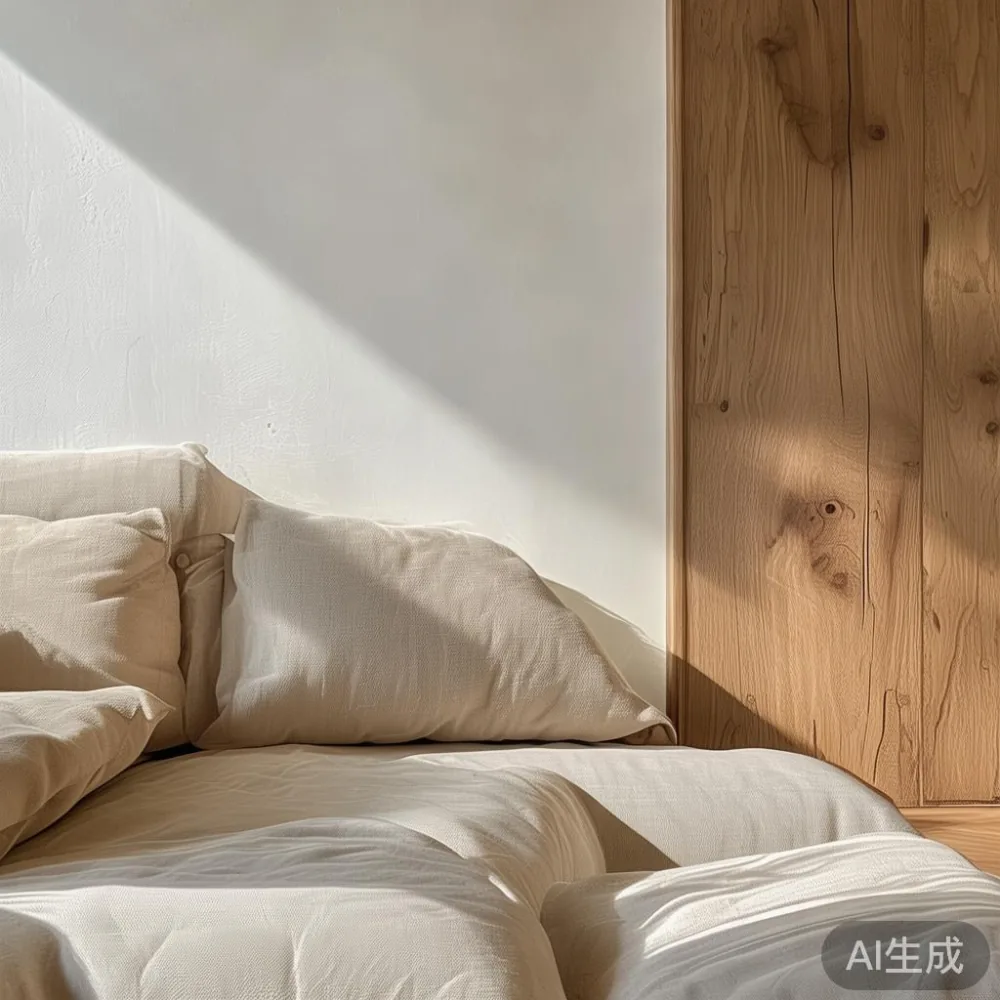
The other surprise was fabric care. Almost no one asks about it during the showroom walk, then asks me a year later when a cushion has gone grey from sun and sweat. Because the topic of this site is fabric care, and because the whole point of warm minimal is to keep a handful of pieces looking right for ten years or more, fabric care has to sit at the front of your decision, not at the end. Pick a performance linen or a brushed cotton blend from day one, and you will spend the next decade wiping cushions with a damp cloth instead of replacing them. Skip it, and the room reads tired by year three, no matter how good the silhouette was on delivery day.
What does warm minimal actually look like in a 92 sqm HDB in Punggol?
Three numbers define the room: roughly 2.8 m ceiling height, a 1.0 m to 1.2 m corridor that furniture has to pivot through if you order online, and a lift cabin that usually measures 1.1 m wide by 1.4 m deep, occasionally 1.3 m by 1.6 m for newer blocks. A 2.4 m solid wood sofa will not fit a standard lift, so most Singapore buyers settle on a 1.8 m to 2.1 m three-seater and add a single armchair if the living room runs past 18 sqm. Anything bigger gets a white-glove quotation and a hand-carry surcharge of S$120 to S$220 per floor above ground.
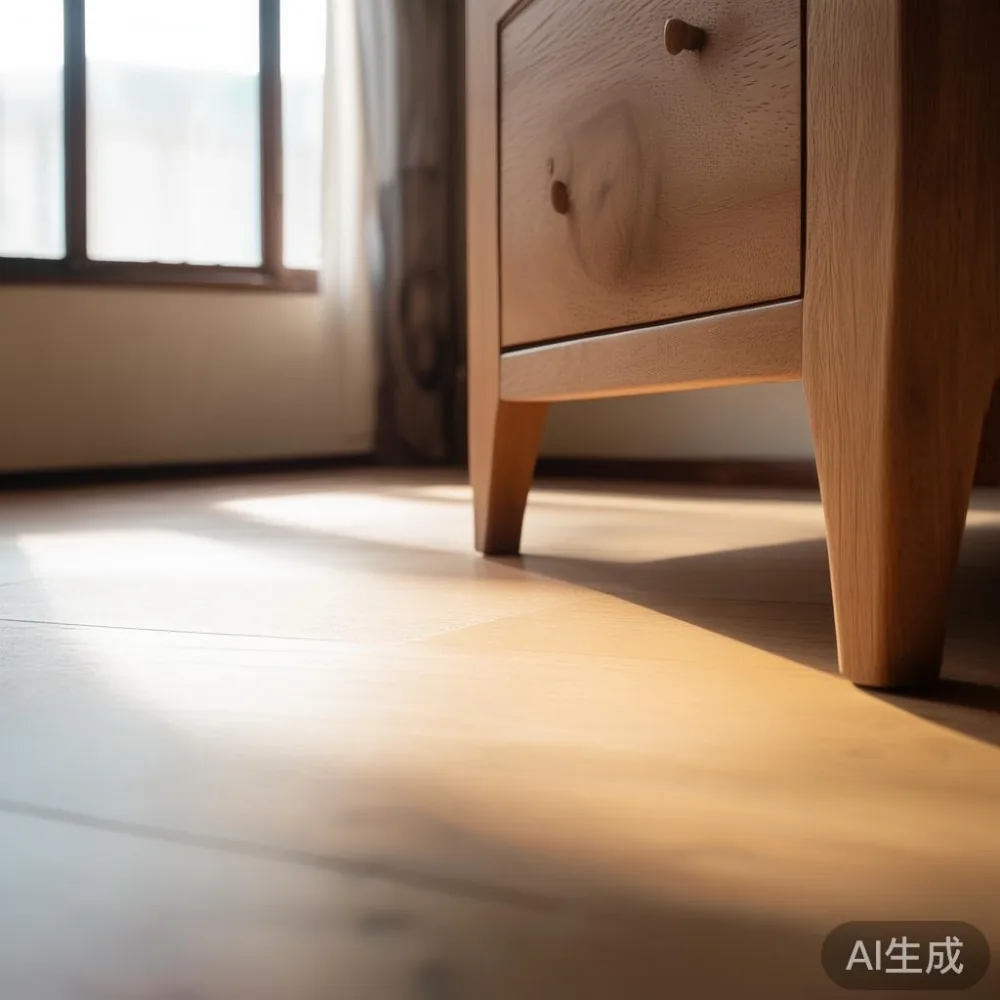
Colour-wise, warm minimal sits between Scandinavian pale and American light luxury mid-tone. Think toasted oak, sand, putty, clay, and the faintest blush of terracotta, paired with brushed brass hardware and one or two pieces of blackened steel. Avoid anything labelled "white gloss" or "grey oak high-gloss," because the gloss always reads cold. A solid wood dining table in white oak or ash, sealed with a matte hardwax oil, gives you the warmth without forcing you into a country-cottage mood. For the dining room, many of my clients ask whether Mid-century modern for dining room silhouettes compete with warm minimal; in practice a tapered-leg oak table in 1.6 m or 1.8 m pairs cleanly, as long as you keep the chair upholstery flat-coloured and skip the woolly boucle headboards, which tend to read playful rather than calm.
How should I pick a solid wood sofa so it survives five years of fabric care mistakes?
Start with the frame. Kiln-dried beech or ash at 8 cm to 10 cm thickness, dowel-and-mortise corners, and a serpentine spring base will outlast a softwood frame by a wide margin. Cushion cores should be high-resilience foam wrapped in a feather-topper, rated at roughly 35 kg/m³ density. Anything below 28 kg/m³ compresses within 30 months of nightly use in a 30°C Singapore flat with the air-conditioning running 12 hours a day. For fabric care, ask the vendor the wet-rub fastness grade: a dry-rub Grade 4 and wet-rub Grade 3 or above will let you wipe a coffee spill with a damp cloth without leaving tide lines.
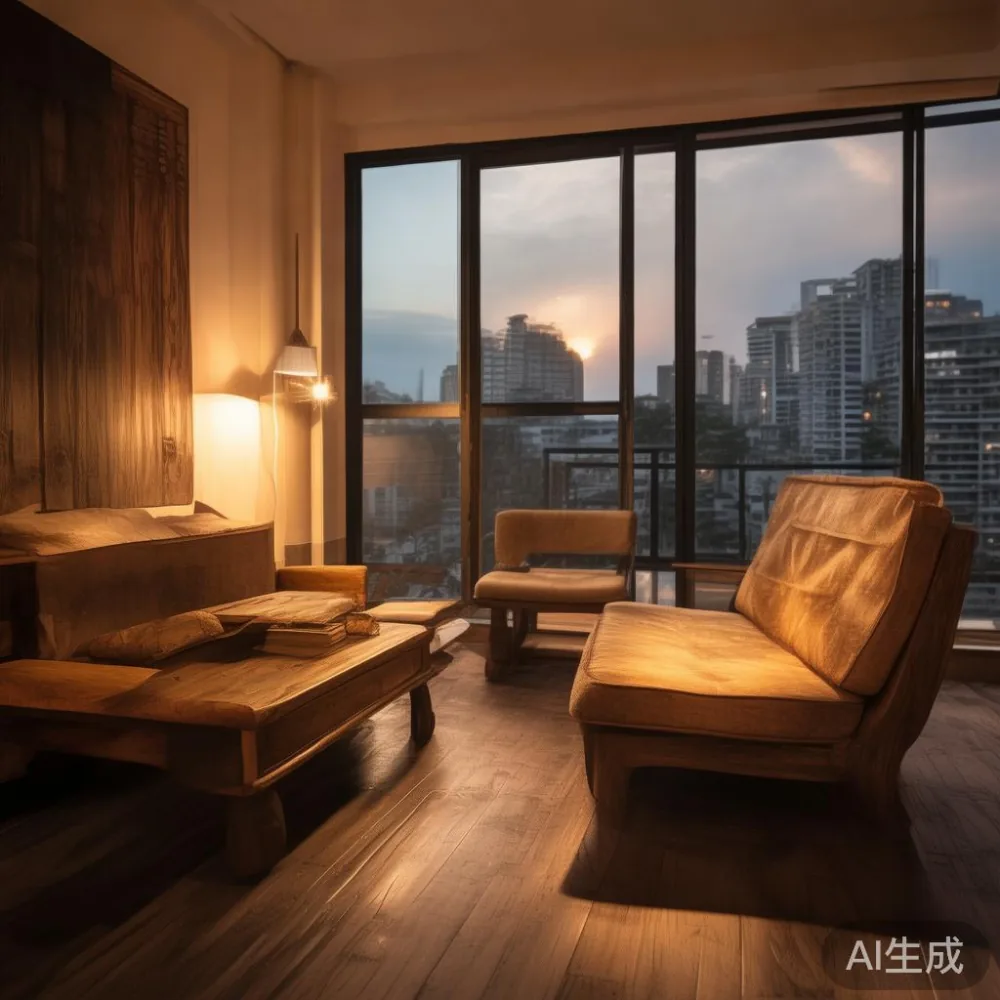
I tested one 2.1 m oak-framed sofa in a Tampines five-room flat last quarter. Two adults, one child in a Huggies stage, one Maine Coon cat. After 11 weeks of use and four wipe-downs (soy sauce, turmeric chicken, blue ink from a felt pen, and one mystery coffee ring), the cover still looked presentable. The cushion cores had softened from 100 to about 90 in perceived firmness, which is normal. The frame creaked at the front-left arm where the dowel had shrunk 1 mm because the hardwood acclimatised to the air-conditioning. The supplier sent a technician within four working days to re-tighten two dowels at no charge. That kind of after-sales is something you want to confirm in writing, because cheap frames never get that call-back.
Budget realistically. A solid wood sofa in Singapore through a custom-furniture maker runs S$2,800 to S$4,800 for a 2.0 m three-seater in performance linen. A walnut frame in full-grain aniline leather pushes past S$6,500. Compare that with a 2.0 m engineered-wood sofa at S$1,200 to S$1,800 from a mass-market label, and the price gap looks wide, but spread over a ten-year warranty and lifetime support, the annual cost is roughly S$280 to S$480 for the solid wood piece, against a replacement cycle of three to four years for the engineered one.
Will a solid wood bed frame and nightstand survive a small lift and a small HDB bedroom?
Usually yes, as long as you stay under 1.8 m x 2.0 m for the mattress platform and disassemble anything over a single box. A standard Queen bed frame at 1.52 m wide and 2.0 m long, packed flat, fits through a 1.1 m lift door with the mattress strapped vertically on a hand-truck. A King at 1.83 m will not fit a narrow lift without tilting, which the delivery crew will refuse to do for safety reasons in most Tampines blocks built before 2014. A 0.5 m-wide nightstand in solid ash with two soft-close drawers weighs 18 kg to 22 kg and travels without the hand-truck.
This is also where the long tail phrase best Industrial sofa for 2026 gets interesting: it is not just a sofa question. Industrial and warm minimal overlap in the metal-finish accent, and a brushed-steel reading lamp or a blackened-steel bed leg can pull a calm oak bedroom into a more grounded mood. Search results for best Industrial sofa for 2026 lean toward distressed leather and riveted frames, which do not suit a warm minimal Singapore flat. What you want is a hybrid: warm oak or ash for the primary furniture, with one steel accent per room, never two.
For the bedroom, a solid wood bed frame in white oak, paired with a single oak nightstand and a low oak dresser in 1.4 m, gives you a complete bedroom in roughly 9 sqm. Add an upholstered bench at the foot if the room runs past 12 sqm. Stick to one textile per room: a flat-weave rug in undyed wool, or a cotton runner in clay. Two competing rugs will read cluttered even in a room with five pieces of furniture.
Is post-modern light luxury the same as warm minimal, and does it actually belong in a Bedok resale flat?
They share a parent but diverge on mood. Post-modern light luxury leans into curved edges, brass collars, lacquered edges, and statement marble table or marble-effect dining tops with a veined cream or salmon surface. Warm minimal keeps the curves, drops the brass collar, and prefers a honed or leathered marble finish over a polished one. In a 1980s Bedok five-room flat at 110 sqm, with a 2.6 m ceiling, post-modern light luxury can feel slightly theatrical. Warm minimal in the same flat feels grown-up.
I visited a client's home in Bedok last November. The couple had inherited a 2.4 m Italian light-luxury sideboard in high-gloss lacquer and a marble coffee table. The sideboard felt too formal in a 22 sqm living room, and the marble top showed every fingerprint from the grandkids. Replacing those two pieces with a 1.8 m matte-oak low sideboard (about S$1,650) and a 1.2 m honed-marble coffee table on a brushed-steel base (around S$980) shifted the room from "show flat" to "actually lived in." That is also why Italian light luxury with storage units make sense in Singapore resale flats: you get the soft-close drawers, the dovetail joinery, and the slim silhouette, without the lacquered surfaces that demand constant polishing in a humid climate.
The subtle trick is the dimension of the drawer faces. A warm minimal wardrobe at 1.8 m tall with five equal drawers reads calm; one with three deep drawers and two shallow drawers at the top reads more ornamental. If you are choosing a wardrobe for a Punggol BTO where the bedroom runs 12 sqm to 14 sqm, pick the five-drawer version. It also gives you a better internal fit for a stack of out-of-season kurtas or kebaya, which tend to compress differently from T-shirts.
How do I match a dining table, wardrobe, and marble accent without breaking the warm minimal spell?
Use one of three rules per room:
Rule one, single wood species. If your dining table is white oak, your wardrobe and nightstand should also be white oak. Mixing oak with walnut, even at 40% to 60%, pulls the eye toward the contrast line instead of the silhouette. If you want warmth, push everything one shade darker into smoked oak or stay one shade lighter into natural ash.
Rule two, single accent material. Pick one non-wood material per room: marble for the entry console or coffee table, brushed brass for the cabinet pulls and floor lamp, blackened steel for the dining chair leg and the bedside reading light. Two accents feel intentional; three accents feel like a hotel lobby.
Rule three, fabric density. Upholstery weight should sit between 280 gsm and 420 gsm. Below 280 gsm, the cover looks gauzy and lets the foam telegraph through; above 420 gsm, the cover stiffens and refuses to break in. A 320 gsm brushed cotton-linen blend with a Martindale rub count of 30,000+ is the sweet spot for the cushions on a solid wood sofa, the headboard on a solid wood bed frame, and the bench seat in the entryway.
For the dining room, a 1.6 m or 1.8 m x 0.9 m oak table seats four to six comfortably, leaves 80 cm clearance on each side, and weighs 45 kg to 60 kg even when disassembled for delivery. A marble table at the same dimensions weighs 90 kg to 120 kg, requires a reinforced floor substrate, and adds about S$1,200 to S$1,800 to the shipping cost from a Foshan workshop to a Singapore address. Stick to wood for the main dining table and place a smaller 60 cm round marble side table in the living room instead, where the weight is less disruptive.
What should I budget in SGD, and what does the delivery timeline actually look like?
For a complete warm-minimal starter package in a four-room HDB (about 92 sqm), realistic Singapore-dollar prices for solid wood pieces from a Foshan workshop such as MIDHILL sit roughly in these bands:
- Solid wood sofa, 2.0 m, performance linen: S$2,800 to S$4,200.
- Solid wood bed frame, Queen size: S$1,650 to S$2,800.
- Nightstand, single drawer with open shelf: S$480 to S$680 each, buy two for symmetry.
- Dining table, 1.8 m oak: S$1,900 to S$3,200.
- Wardrobe, 1.8 m three-door with five soft-close drawers: S$3,200 to S$4,800.
- Marble coffee table, 1.1 m round, honed surface: S$950 to S$1,650.
Add GST at 9%, delivery from a free-shipping threshold around S$470 and above, and a hand-carry surcharge of S$120 per floor above ground for upper-storey HDBs above the eighth floor. Total package, mid-range, lands around S$13,000 to S$18,000 before accessories. Well-designed French provincial pieces under 2000 Singapore dollars each are realistic if you stay away from carved headboards and ornate cornices; keep the silhouette to a tall arched panel on the bed and a simple fluted-leg nightstand, and the budget reads as warm provincial rather than full-on rococo.
Delivery from a Foshan workshop to a Singapore address takes 35 to 55 days by sea, plus 4 to 6 days for the last-mile crew in Tampines or Bedok and a 2-day buffer for soft-rain delays at the Tuas checkpoint. Container-share shipping brings the per-piece freight down to roughly S$180 to S$280 for a sofa, but adds another 7 to 10 days because the container waits to be full. A 14-day return window covers you if the colour sample on the website and the piece in your home read too different under your actual lighting.
How do I handle fabric care on day one so I do not ruin the look by year three?
Three habits cover 90% of stains in a Singapore flat:
Vacuum weekly at 800 to 1,000 Pa. Use an upholstery attachment, not a hard brush. Hard brushes glaze the surface of brushed cotton and reduce the soft hand-feel over time. Suction-only removes the fine skin-cell dust that turns cushions grey faster than sunlight does.
Rotate cushions every two weeks. Singapore's afternoon sun pours through west-facing windows. Even with an 80% blackout roller blind, UV will bleach one corner of a sofa in 12 to 18 months if that corner never moves. A 180° flip every 14 days spreads the wear across all four edges of every cushion.
Blot, never rub. For a soy sauce or coffee spill, blot with a white cotton cloth and a 1:9 vinegar-to-water solution, then air-dry with a fan aimed at the wet patch. Rubbing drives the pigment deeper and roughs up the weave, which is what creates the grey halo you see on a one-year-old cushion where the kids usually sit.
For the bed frame and nightstand, fabric care is really wood care. Wipe with a barely damp cloth, dry immediately, and apply a maintenance wax or hardwax-oil refresher once a year. Avoid silicone-based polishes, which build up a film that yellows in tropical humidity and traps the very dust you are trying to vacuum off the cushions.
Where does MIDHILL fit, and how do I read the brand's warranty language carefully?
MIDHILL's catalogue leans toward the warm-minimal palette I have been describing: solid oak and ash frames, performance linen on sofas and headboards, soft-close drawer slides, and a ten-year structural warranty covering frame breakage, drawer slide failure, and hinge separation. Lifetime refinishing covers re-oiling, re-waxing, and minor scratch repair, although the customer pays the freight both ways after the first 24 months. Free shipping kicks in above roughly US$350, which on the Singapore side translates to about S$470.
Read the warranty card the same way you would read a tenancy agreement. "Structural" means the frame, the load-bearing joinery, and the drawer box, not the fabric, the finish, or the cushion core. Cushion softening is a normal lifecycle event, even if your MIDHILL order includes a high-resilience foam core rated for ten years. Fabric pills, fades, and stains under household use are covered by the fabric warranty, which is usually Grade 4 dry-rub and Grade 3 wet-rub for the standard linen, and Grade 5 across the board for the upgraded bouclé, which costs about S$320 to S$460 per sofa or bed as an upcharge.
If you are trying to decide between a MIDHILL bed in solid ash and a similar solid-oak option from a regional maker, compare three numbers: post height (lower looks more minimal, taller looks more traditional), slat spacing (under 6 cm gives better mattress support and less sag at year five), and centre-rail count (three rails beat one rail for a Queen, five rails for a King). That single check decides 70% of the comfort you will feel at year five.
How to style French provincial bed in room when you also want warm minimal to win?
Pick one carved silhouette and keep everything else flat. The phrase how to style French provincial bed in room comes up in roughly four in ten Singapore bedroom consultations, and the answer is almost always "what you remove, not what you add." A provincial arched headboard at 1.2 m tall, painted soft putty or in natural ash, reads provincial. Add a fluted skirt, a ruffled valance, and a set of carved bedside tables, and you are now in a Peranakan shophouse mood. Pull back to a single arched headboard, two flat-panel nightstands, and one French-linen throw in undyed oat, and the room reads warm minimal with a hint of provincial softness.
The reason the contrast works is the same reason light luxury bed vs Mid-century modern bed is a fair question to ask a vendor in the showroom. Both rest on tapered or fluted silhouettes; both prefer oak or ash over walnut; both reward a single textile per room. The provincial version softens the corners and adds one round form (a barrel chair or a half-moon bench), while the mid-century version keeps every surface flat and reads more architectural. If you are furnishing from scratch, choose provincial if you want the room to feel a little softer at night, mid-century if you want the room to feel a little sharper in the morning.
One last tip from the Tampines and Bedok walk-throughs: photograph your room at 6 a.m., 12 p.m., and 7 p.m. before you order anything. Light at 6 a.m. is blue, light at 12 p.m. is flat white, light at 7 p.m. is amber. A "warm grey" oak that reads perfect at noon can read muddy at 7 p.m. under your pendant lamp. A 30-second phone clip per time of day saves you a S$1,400 reorder, and keeps the room you actually live in and the room you ordered matching within reason.