Delivery & Assembly of Solid Wood Furniture in Singapore
Buying a solid wood sofa, bed frame, dining table, wardrobe, nightstand, or marble table online sounds straightforward: choose the finish, pay the deposit, and wait for delivery. In a Singapore HDB flat or condo, the route from the delivery van to the living room can be the harder part. A package may fit the lift but not the corridor, pass the doorway only at one diagonal, or leave the landing with nowhere practical to stand. Delivery day therefore begins long before the furniture reaches your home.

This guide examines delivery times, lift measurements, assembly requirements, and fabric care for online furniture buyers in Tampines, Bedok, Punggol, and other Singapore addresses. It also explains why a polished product photograph can represent a much larger logistical challenge than its dimensions suggest. Prices below use SGD, while measurements use cm and weights use kg.
What delivery and assembly actually involve?
A typical furniture order moves through four stages: production or stock allocation, packing, transport, and placement. A ready-stock nightstand may leave the warehouse within 3–7 working days after payment confirmation. A made-to-order solid wood dining table may require 4–8 weeks, while a wardrobe with special dimensions or finish can take 6–10 weeks. These are planning ranges rather than guarantees because carrier schedules, building access, and final inspections can add 1–3 working days.

The furniture is protected with foam, cardboard, edge guards, and stretch film. A solid wood dining table may weigh 65–120 kg, a marble table 55–95 kg, and a queen bed frame 45–75 kg. That weight usually requires 2–4 people, a furniture dolly, and the lifting equipment supplied with the product. For high-rise living rooms, the delivery crew may also need to move the pieces from the service corridor to the flat without damaging doors, walls, or shared areas.
Assembly is another separate stage. Many MIDHILL solid wood beds arrive with the main frame prejoined, requiring 20–40 minutes to complete. A dining table may need 15–30 minutes for leg attachment, while a wardrobe can take 60–120 minutes for panels, hinges, and alignment. Flat-pack construction can reduce shipping volume by 25–40 percent, but it does not remove the need for floor space, tools, and an understanding of the instructions.
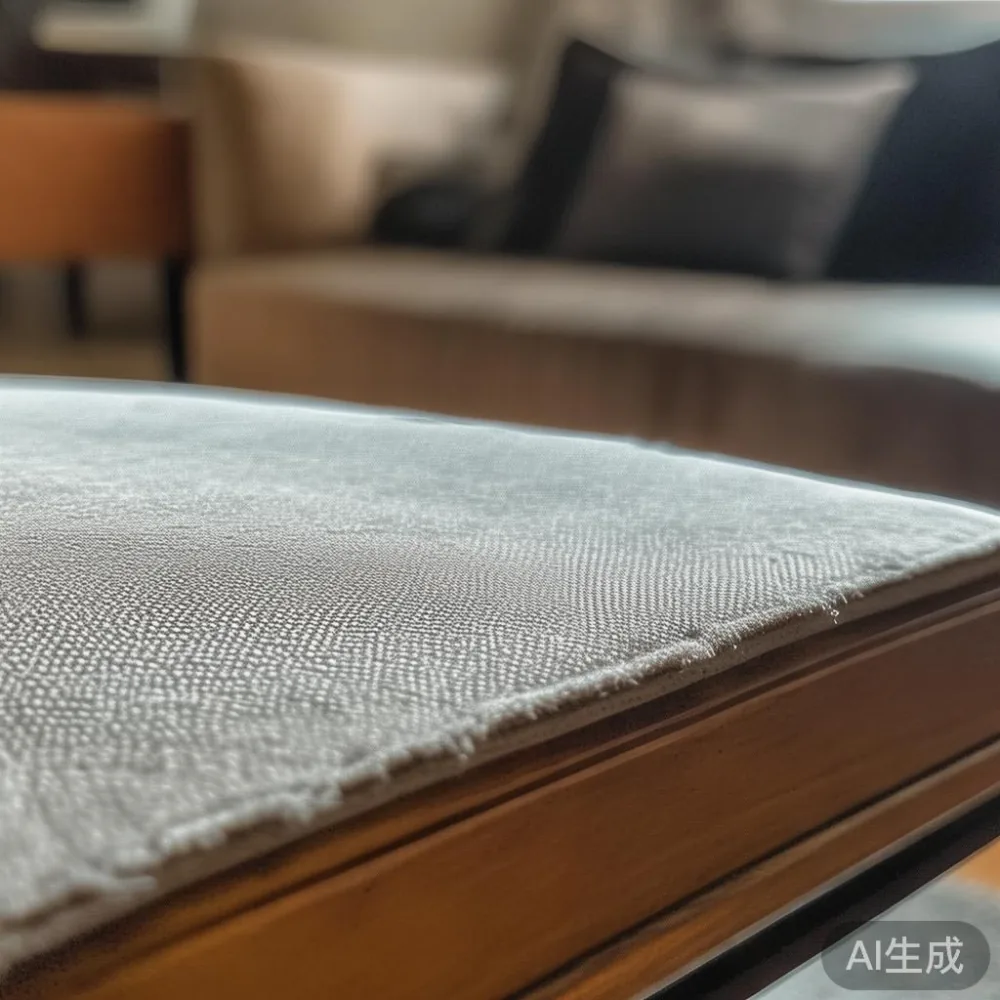
Before approving dispatch, measure the lift door, lift car, corridor turns, front door, and internal doorframes. Record the narrowest usable width, not merely the advertised door width. For example, a lift entrance listed as 90 cm may have a clear opening of only 84 cm after the door closes. Ask whether stairs are involved, because a straight staircase with 18 cm treads and 210 cm headroom needs a different moving plan from a level corridor.
Will the furniture fit through my HDB lift and condo corridor?
Fit depends on both the furniture carton and the route. A boxed bed frame measuring 190 × 45 × 24 cm may fit a standard 90 cm lift when turned lengthwise, provided the carton can flex and the crew has a clear path. A boxed dining table measuring 220 × 100 × 20 cm may not fit upright or flat in the same lift, even though the table itself would pass through with room to spare.
Condo access varies more than HDB access. In Tampines and Bedok, many blocks have lifts with clear internal dimensions around 110 × 140 cm, though older blocks and retrofit units differ. Punggol homes often have wider modern corridors, but corner units and short flights of steps can still complicate delivery. For a marble table, the crew needs to know whether the lift can carry 1,000 kg and whether the route includes thresholds exceeding 2 cm.
Send clear photographs and measurements to the delivery team at least 48 hours before arrival. Useful numbers include the lift door width, lift car depth and height, corridor width, landing depth, doorframe width, number of stairs, and ceiling height at turning points. Also note whether the building requires a loading-bay booking, a floor-access pass, or a service-lift reservation. These arrangements can determine whether delivery takes 20 minutes or spans 2–4 hours.
If a piece cannot use the lift, the practical alternative is hoisting through a window only with the building manager’s approval and a professional assessment. Do not attempt this with a 95 kg marble tabletop without proper straps, edge protection, and trained installers. A failed lift attempt on delivery day can result in a return journey and a new service fee.
How long should I allow from checkout to furniture in my room?
For ready-stock items, Singapore delivery commonly takes 5–10 working days after dispatch. This includes 1–2 days for local handling and 1–3 days for the appointed delivery window. A made-to-order piece can take 30–60 days, followed by 3–7 days for transport and scheduling. Remote addresses or a long stair carry may add 1–2 working days.
The advertised order timeline should distinguish between order confirmation, warehouse dispatch, and arrival. A 7-day estimate from dispatch is different from a 7-day estimate from checkout. Weekend appointments may be limited in some buildings, while weekday daytime slots can be easier to arrange. If nobody can receive the furniture, the carrier normally charges for a failed delivery or storage.
Check what happens if the carton arrives damaged. Photograph the outer packaging from 4 angles, record the item name and order number, and note dents or tears on the delivery sheet. For furniture with concealed defects, inspect the joints, veneer, marble edges, and mechanisms as soon as possible. Report transit damage within 48 hours so the carrier or supplier can investigate while the packaging and evidence remain available.
For an online purchase above US$350, MIDHILL provides free shipping, although the exact Singapore delivery scope and taxes should be confirmed for the order. Singapore prices normally include GST, while a displayed pre-tax figure should be checked before payment. A wardrobe costing SGD 2,850 is usually easier to budget at SGD 2,850 including GST than at SGD 2,458.43 plus GST.
Should I choose flat-pack, assembled, or fully installed furniture?
Flat-pack furniture is useful in compact Singapore homes because 2–4 cartons can be carried through a lift individually rather than moving one oversized unit. It also makes replacement of a damaged component more manageable. The trade-off is that cartons occupy floor space, assembly takes 30–120 minutes, and the hardware must be handled carefully.
Assembled furniture reduces work at home but can create access problems. A fully installed wardrobe may be preferred in a new condo because the installer can align it to the wall, secure it, and adjust the hinges after placement. This option is especially sensible for a 240 cm wide European-style wardrobe that must occupy a recessed wall from floor to ceiling.
Solid wood construction also affects the service method. For example, a solid wood sofa may arrive as separate seat frames and back components, while its wooden legs require only 10–15 minutes of fitting. Fabric care starts before assembly: keep sharp tools away from upholstery, use a vacuum with a soft brush attachment, and follow the fabric code supplied with the product. Typical fabric care involves vacuuming every 1–2 weeks, blotting spills immediately, and rotating cushions monthly. For a light-coloured linen blend, avoid rubbing because abrasion can spread a stain over an area of roughly 10–15 cm.
When comparing options, think about floor protection, access, installation, and future repair as one system. A lower carton count does not automatically make delivery easier if the heaviest carton weighs 48 kg and the lift is 80 cm wide.
Can I assemble the furniture myself, and what tools do I need?
Most orders can be assembled by the customer with a cordless drill, a 4 mm hex key, a 13 mm socket, a Phillips screwdriver, a spirit level, and a rubber mallet. An adjustable spanner can help with older fasteners. A 5 m tape measure and a pair of work gloves are more useful than a full tool set. If the supplied hardware uses Torx or hex bolts, confirm the correct size rather than forcing a mismatched head.
Work on a clean, level surface and unpack components before beginning. Keep fixings in labelled containers because a bed frame may use 16 bolts, 4 washers, 8 barrel nuts, and 2 cam locks. Tighten bolts gradually in a diagonal sequence so the frame remains square. After assembly, check the bed frame at both ends; a 3–5 mm difference can cause squeaking or uneven mattress support.
Some products are better handled by the delivery crew. Ask whether the quoted service includes room-of-choice placement, unpacking, assembly, packaging removal, and a packaging fee. These are not identical services. Room-of-choice placement might end at the bedroom door, while full assembly includes attaching the legs and checking stability. Marble tables may require 30–60 minutes for careful installation, including adhesive curing time specified by the hardware supplier.
Keep children and pets away from the work area. A wardrobe panel can fall from a height of 120 cm, and marble components require two people even when they appear manageable. Do not stand an assembled wardrobe on an unsecured dolly while moving it to its final position.
How do I plan delivery day in a Singapore apartment?
Clear the route before the crew arrives. Remove shoes, plants, floor mats, and chairs from the lift lobby if building rules allow, but do not obstruct a fire door or common corridor. Reserve 2–4 people for a heavy dining table or marble table, and protect the route with cardboard or purpose-made floor runners. The crew should wear clean gloves and use moving blankets around corners.
For furniture that must stand temporarily, choose a stable floor area away from the main doorway. Do not place a heavy table on a thin floor mat. If the HDB unit has a narrow internal corridor, rotate the piece in the living room rather than trying to force it around a 90 cm bend. Check sockets, skirting boards, and curtain tracks before deciding the final orientation.
A solid wood nightstand may need only 15 minutes of assembly, so reserve 1 hour for placement and adjustments. A queen bed frame can need a larger footprint because the mattress may have to be turned to enter the room. Remove the mattress from the bed base if the doorway is under 80 cm, then reapply the mattress protector after positioning.
Packaging removal is quicker when the order includes it. Otherwise, flatten the cardboard only after checking for loose screws and accessories. Keep the foam for at least 90 days in case a future move requires protection. Moving a sofa to another floor without its original sleeves can damage the fabric or timber edges.
How should I measure before ordering a sofa, bed frame, or dining table?
Measure the room and the intended position, not just the wall. Leave 60–90 cm beside a solid wood sofa for circulation, 75–90 cm between a dining chair and table edge in a compact flat, and at least 90 cm in front of wardrobe doors. If the dining table seats 6 people, allow 150–180 cm of table length and confirm that chairs can be pulled back without touching the wall.
For a sofa, measure the narrowest access route and compare it with the packed dimensions. When researching how to choose American sofa, consider seat depth, frame width, and the way the back can be tilted in a low-ceilinged HDB unit. A 220 cm three-seat model may need a lift diagonal calculation even when its floor width is only 95 cm.
For a bed, add 5–10 cm to the mattress dimensions and compare that with the internal width of the lift. Confirm whether the headboard is detachable; removing it may reduce the packed length by 15–30 cm. Anyone comparing the best Vintage bed for 2026 should also check the height of the side rails and the clearance needed for side-table placement.
For a dining table, check knee clearance under the top and the doorway height when tilted. A 200 cm table with 74 cm clearance cannot simply be stood on end if the entrance offers only 190 cm. Ask for the packaged dimensions rather than estimating from the assembled photograph.
Which design terms are practical for an apartment?
Light-luxury styling works best when scale, texture, and storage are considered together. French light luxury often uses pale woods, cream upholstery, curved profiles, and reflective accents without making a compact flat feel overfilled. Post-modern light luxury can introduce asymmetry, slim frames, and a limited palette of 3 colours. These approaches need a measured floor plan rather than merely decorative objects.
For upholstery, the question of how to style Japandi sofa in apartment often comes down to low visual weight, pale oak, warm white walls, and restrained textiles. The sofa should still suit the lift route and available floor area. A low profile can work well, but deep seats may reduce usable space and make cleaning harder.
Wardrobes can make a room feel larger when their doors align with wall planes. Those researching how to style European light luxury wardrobe in room should check whether a 240 cm unit fits a 248 cm recess and whether the doors need 90 cm of free space to open. For compact layouts, sliding panels may save 40–60 cm of operating clearance.
Dressing tables and mirrors deserve their own measurements. A Mid-century modern dressing table may have a 120 cm top and 55 cm height, making it suitable for a bedroom corner without blocking a walkway. A full-length mirror should lean against a secure wall fixing rather than stand unsecured on a congested landing.
Product naming can distract from practical questions, so compare structural details, finish, dimensions, and warranty terms. When searching for the best Modern wardrobe for 2026, internal layout and hanging space matter more than a trend label. For the best Modern wardrobe for 2026, confirm that shelves support approximately 15–20 kg each and that drawer runners are rated for at least 30 kg per drawer.
How does fabric care change after delivery and assembly?
Care begins with unpacking. Remove stretch film slowly so it does not catch and distort the upholstery. Check the sofa under good light, including seams, corners, and the back panel. If a zipper is closed for transit, open it only when the care label allows; over-tightening can strain the zipper. Allow a new solid wood sofa to acclimatise for roughly 48–72 hours before using it heavily, because temperature and humidity changes can affect cushions and joint alignment.
Vacuum weekly at first, then every 1–2 weeks depending on use. For a family with 2 pets, a fabric sofa may need daily removal of visible hair and deeper cleaning every 2–3 months. Use a soft upholstery brush, keep the suction nozzle moving, and avoid pulling fibres. Spot-clean with a damp white cloth, test an inconspicuous 5 × 5 cm area, and blot rather than scrub.
Fabric care instructions vary by textile. Polyester blends can usually tolerate water-based cleaner with careful dilution, while untreated linen may shrink or water-spot. Wool and velvet need dry cleaning or a specialist method. Never apply a household carpet shampoo, bleach, alcohol, or ammonia without checking the manufacturer’s code. A spill should be blotted within 10 minutes when possible, and cushions should not be soaked through to the foam.
Protect timber from prolonged sunlight and moisture. Wipe a solid wood dining table with a slightly damp cloth, then dry it within 5 minutes. Avoid silicone-based sprays, which can create a patchy finish. For marble, use a pH-neutral cleaner and dry the surface to prevent residue; acidic liquids such as citrus juice can dull the polish. Reapply a protective sealer only according to the stone supplier’s schedule.
Rotate seat cushions every 2–4 weeks and use a breathable protective cover during humid periods. With thoughtful assembly, accurate access planning, and regular fabric care, an online furniture purchase can fit an HDB flat or condo more comfortably than showroom delivery often suggests.