How Southeast Asian Humidity Affects Wood Furniture—and How to Protect It
Singapore’s warm, humid climate can change the dimensions, finish and appearance of solid wood furniture faster than many homeowners expect. In HDB flats and private condos across Tampines, Bedok and Punggol, indoor relative humidity may sit between 60% and 80% for much of the year. Air-conditioning lowers that figure temporarily, but doors opening onto humid corridors, compact kitchens and bedrooms without cross-ventilation allow moisture to settle around timber joints, drawers, fabric upholstery and storage areas.
This guide explains how humidity affects wood, why fabric care matters even when the visible surface is timber, and what Singapore households can do to protect a dining table, wardrobe, bed frame or other solid wood piece. It also considers the practical limits of lift access, corridor turns and frequent GST-inclusive purchases.
What happens to solid wood when humidity changes?
Wood is hygroscopic: it absorbs atmospheric moisture and releases it when the surrounding air becomes drier. In a stable environment at 20°C and 50% relative humidity, many furniture-grade timbers perform well. During Singapore’s wetter months, a piece placed near an open window or an air-conditioning vent may expand by roughly 1–3% across its width. Oak, ash, beech and similar woods can move enough to stress glued joints, make drawer runners tighter and cause doors to catch.
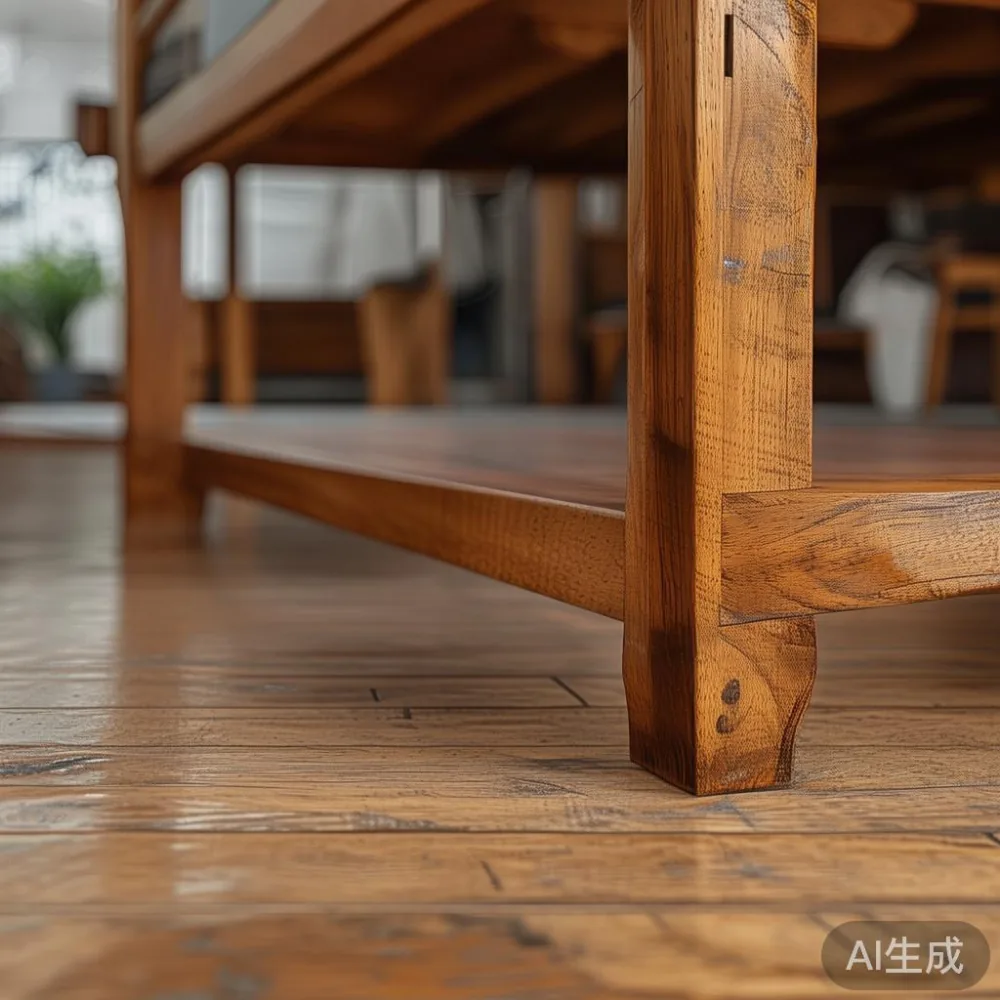
Seasonal movement is not automatically a manufacturing fault. A dining table with a top measuring 180 × 90 cm may change by several millimetres. The greater risk comes from rapid fluctuations: opening a dehumidifier in a room at 78% humidity and then switching it off can make timber contract repeatedly over 24–72 hours.
Finished surfaces are affected too. A water-based lacquer may show haze or fine surface marks if moisture remains on it. Oiled finishes can look patchy when the wood takes up water unevenly. Direct sunlight adds another stress factor, especially on a dark walnut-toned finish: a surface temperature of 55°C can accelerate finish deterioration, so furniture should remain at least 1.5 m from an unshaded window.
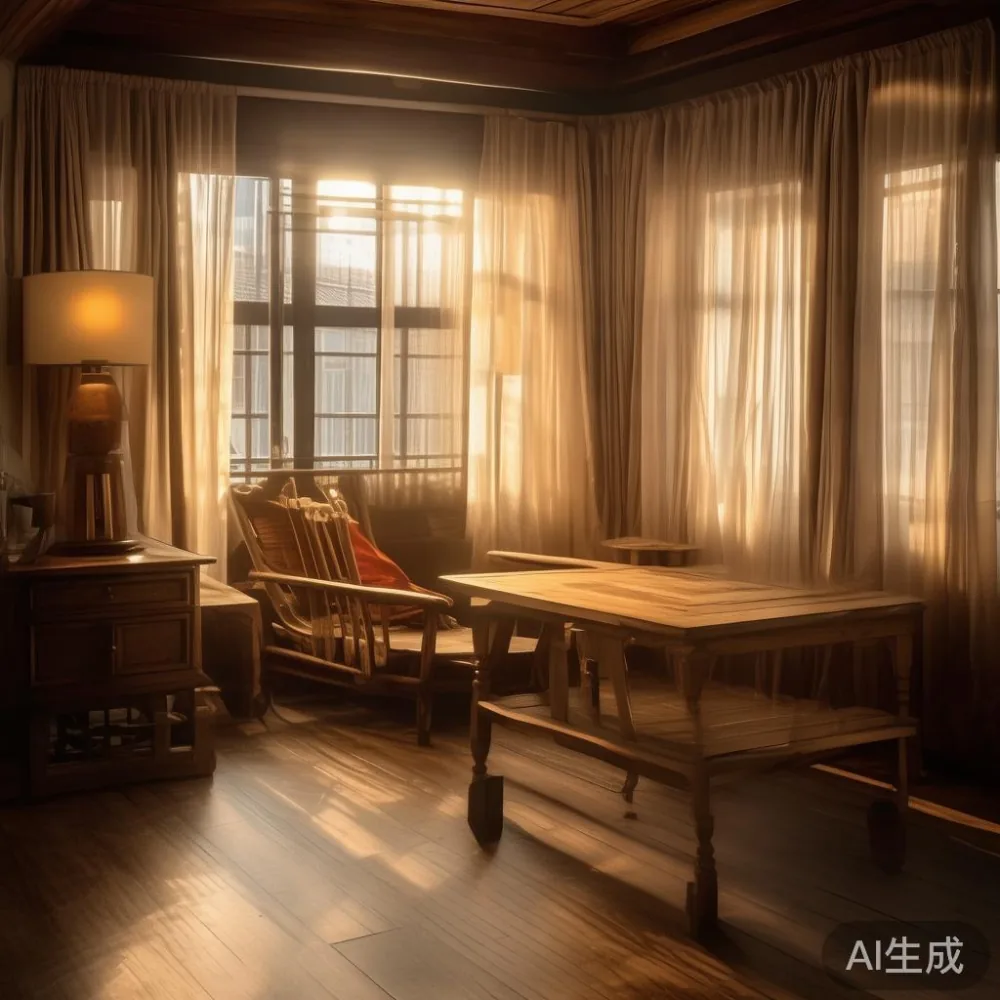
Humidity can also encourage mould around cushions, curtains and hidden cabinet bases. Spilled water, sweat and cooking vapour are often the bigger concern in a compact HDB kitchen than occasional condensation. Keep standing moisture away from timber legs, and use coasters, trays or mats beneath glasses and damp objects.
Does humidity affect fabric upholstery on a solid wood sofa?
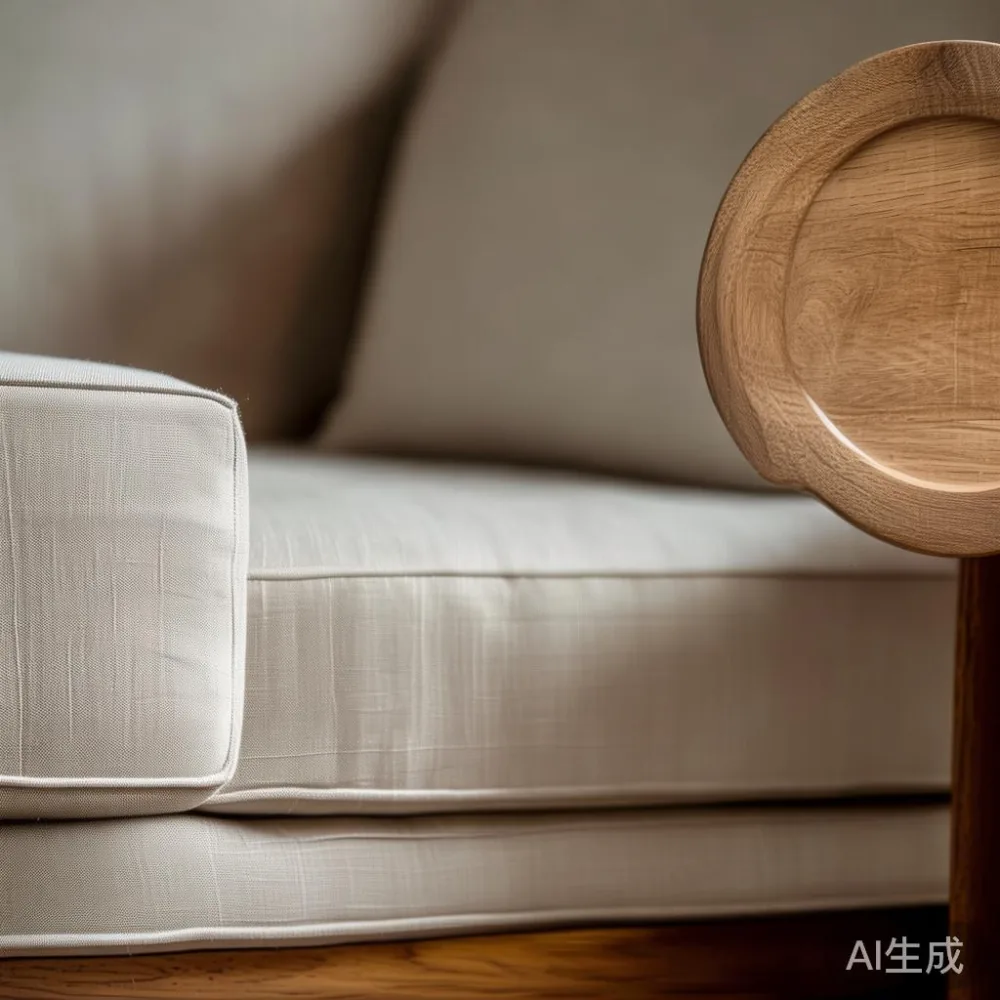
Yes. Although the frame of a solid wood sofa is timber, its cushions and back panels may contain foam, fibre fill and woven or knitted fabric. High humidity can make fibres swell, soften and wrinkle. Constant moisture can also support mildew, odour and discoloration, particularly in a poorly ventilated unit.
Fabric care should focus on controlled cleaning rather than soaking. Vacuum upholstery every 1–2 weeks with a brush attachment held about 5 mm above the surface. Blot liquid immediately with a clean, dry cloth; do not rub, because repeated friction can spread a stain over an area of roughly 20 × 20 cm.
For weekly maintenance, check cushion seams, under-seat edges and the junction between the upholstered body and timber feet. A hygrometer placed near the sofa should ideally read between 45% and 65%. In practice, Singapore homes may need a dehumidifier rated for approximately 20–30 m². Set it to maintain 55–60% rather than chasing an unrealistic low reading.
Leather and performance fabrics have different needs, so confirm cleaning instructions before applying water. Never use bleach, ammonia or steam on an unapproved textile. A professional extraction treatment may cost around SGD 120–300 for a dining chair or SGD 80–180 for an upholstered seat section, depending on travel and stain severity.
For a small HDB living room, light colours and raised legs also help. A solid wood sofa with a seat height of 42–45 cm and clearance of at least 15 cm beneath the frame allows better air movement and makes moisture inspection easier. This approach fits light luxury for small living room layouts where furniture must look refined without crowding the space.
How should I protect a dining table in a humid Singapore home?
A dining table receives moisture from serving dishes, wet hands, open windows and kitchen ventilation. Place it away from the nearest window by at least 1 m, and leave a gap of 10 cm from a humid wall where practical. Do not place a cold glass or metal bowl directly onto warm timber; the temperature difference can create condensation.
Use a placemat under hot pots and coasters beneath cold drinks. A dining table with a sealed, smooth finish is easier to wipe than an open-grain or heavily textured surface. Wipe with a slightly damp cloth, then dry within 10 minutes. Avoid silicone-based polish, which can trap moisture and leave a film.
Under the tabletop, inspect the end-grain edges and joint lines twice a year. Small movement is normal, but a split wider than 2 mm, a hinge that has pulled away or a persistent musty smell needs attention. Dehumidify the dining area to around 55–60%, especially during the more humid 9–12 month period.
Compact kitchens make placement especially important. A 160 cm table leaves 75–80 cm clearance on each side in a 240 cm room, but pushing it against a wall reduces ventilation. Consider extending leaf storage on a wall-mounted rail with spacing of at least 5 cm from the surface, provided the fixing is suitable.
How do lifts and corridors affect furniture delivery in HDB flats?
Humidity protection begins before the furniture reaches the unit. A solid wood dining table may weigh 55–95 kg, while a queen bed frame can weigh 40–80 kg. Older HDB lift doors may measure only about 80–90 cm wide and 210 cm high, with interior depths around 130–140 cm. These measurements can exclude a long table top even when the table fits through the apartment door.
Check whether the lift has a booked service pad, moving-hour restrictions and a maximum load marked by the managing agent. If a table cannot enter the lift, it may need to be disassembled and carried up a stairwell. Corridor turns of less than 90° can make a curved bed frame or broad wardrobe difficult to rotate, even if individual panels fit through the entrance.
Measure the route before ordering: door width, lift height, lift depth, corridor width and the tightest turn. Allow at least 5 cm of maneuvering clearance, and protect handrails and corners with moving blankets. Delivery to a Singapore address is typically completed in 7–14 days for in-stock configurations, though made-to-order pieces may require 4–8 weeks.
MIDHILL’s 10-year structural warranty addresses failures in the frame or construction, while normal seasonal movement and surface moisture are a separate maintenance matter. Asking for a moisture-care instruction sheet with delivery gives the household a useful reference for care, returns and finish renewal.
Which humidity controls work without making a home feel stuffy?
A digital hygrometer is the most useful first purchase. One costs about SGD 15–40 and should be placed at approximately 1 m above floor level, not directly beside a dehumidifier or air-conditioner. Record readings at 8:00 am and 8:00 pm for 7 days. That simple log reveals whether a room regularly crosses 65% humidity or changes abruptly between night and daytime air-conditioning.
Run the air-conditioner in a closed room during the day, then allow a gentler transition rather than switching immediately between strong cooling and open-window ventilation. A dehumidifier with a drain hose is convenient for long periods of use. Models suited to bedrooms or living rooms commonly handle 20–35 m² and may consume 250–500 watts. A unit costing SGD 250–650 can help if it is large enough for the room; a small 12-litre model will work more slowly in an open-plan HDB flat.
Use natural ventilation during drier hours, usually when outdoor relative humidity is below indoor humidity. Cross-flow is preferable to opening only one side of a room. Keep fabric curtains away from radiators and air-conditioning vents, because they can transmit moisture into nearby timber or upholstery.
For cabinets and wardrobes, maintain airflow around the carcass. A Modern light luxury with storage design works well when the interior has adjustable shelves, ventilated backing or a discreet gap from the wall. Do not overfill a wardrobe: tightly packed clothing retains moisture and makes inspection difficult.
How do I choose a wardrobe that tolerates a humid climate?
Choose the construction and finish before considering only the facade. Solid timber panels should be straight, with joints that remain tight when lightly tapped. Plywood or engineered components may offer useful dimensional stability, but all exposed edges and moving parts still need moisture protection. For a bedroom near an ensuite bathroom, position the wardrobe on the side farther from the door and leave at least 10 cm behind it where the layout permits.
To learn how to choose Japandi wardrobe, compare the joinery, handle projection, shelf spacing and finish with the actual room. Japandi styling often uses pale oak or ash, clean lines and restrained hardware. A wardrobe 120–180 cm wide and 210–240 cm high is common for an HDB bedroom, but door swing and drawer opening must be included in the plan. Soft-close runners are useful because they reduce impact on joints.
For a lighter, more contemporary appearance, Modern light luxury wardrobe designs often combine pale timber, warm neutrals and concealed storage. Check that the finish can be maintained locally: oiled surfaces may require reapplication, while lacquered surfaces are usually easier to wipe. Ask whether a single replacement panel or handle is available in the same finish, since matching parts can take 2–6 weeks.
Do not install a wardrobe directly against an exterior wall if condensation appears there. Use a moisture meter reading about 8–12% as an initial screen for sound timber, then inspect periodically. Large movement, mould-like spotting or swollen particle-board edges should be reported before more furniture is enclosed around them.
How should beds, nightstands and other timber pieces be maintained?
Bed frames need airflow beneath them. Leave 15–20 cm between the frame and the floor where possible, and avoid pushing solid wood bed frame sections tightly against walls. A European light luxury bed with a timber headboard can work in a compact condo, provided the headboard is at least 5 cm from a cold surface and the mattress does not trap moisture against the timber.
A nightstand should have a stable top that can be wiped quickly. Keep liquids in a coaster or tray and check the underside every 3 months. For a marble table, use a mat beneath vases and separate wet glassware from the stone; acidic liquids can etch marble, and trapped moisture around a metal fixing may affect its seating.
To understand how to choose French bed, assess the proportion, mattress support, headboard clearance and lift access rather than styling alone. French-style beds often use generous upholstery and carved or shaped timber, so allow extra depth for movement and cleaning. A queen mattress commonly measures 152 × 191 cm, and the complete bed may be 210–225 cm long.
MIDHILL also offers refinishing support for eligible pieces, useful when a dining table, wardrobe or solid wood sofa has developed marks that cannot be removed with routine care. Refinishing can restore colour consistency, but it does not correct a room that repeatedly sits above 70% humidity. Correct the environment first.
What fabric care routine should a Singapore household follow?
Create a simple weekly and seasonal routine. Weekly, vacuum fabric surfaces, wipe timber with a soft cloth and check under cushions for dampness. Monthly, inspect hygrometer readings, test dehumidifier drainage and look at wardrobe interiors. Before the more humid months, renew any protective finish recommended by the maker and move furniture slightly away from walls.
For stains, blot rather than scrub. Treat the affected area within 30 minutes when possible. Do not saturate timber with a wet cloth, and dry the area with good airflow. If the fabric-care label permits water-based cleaning, use only a lightly dampened cloth; if it specifies solvent or professional cleaning, follow that instruction exactly.
Move or lift removable cushions instead of dragging them, as the bottom edge can collect grit and abrade the timber frame. Keep pets away from damp outdoor paws and use washable throws below SGD 60 where practical. If replacing fabric later, select a tightly woven, moisture-resistant textile and ask for samples measuring 10 × 10 cm.
Can air-conditioning alone prevent humidity damage?
Air-conditioning controls temperature and reduces moisture while running, but it is not a complete long-term humidity solution. Doors and windows leak, and a room rewarms quickly after cooling ends. During heavy rain, an unconditioned bedroom can return to 75–85% humidity within a few hours.
A sensible target is 50–65% relative humidity, with no visible condensation and gradual rather than abrupt changes. Combine sensible air-conditioning, a correctly sized dehumidifier, food hygiene, measured ventilation and careful fabric care. This protects timber without creating an unnecessarily dry environment.
For major purchases, confirm delivery timing, assembly requirements, warranty coverage and return terms before payment. Singapore prices should be shown in SGD and include applicable GST; a dining table at SGD 2,480, for example, becomes SGD 2,728 with 6% GST. Check that the quoted figure is the actual payable total rather than a pre-GST reference. MIDHILL provides free shipping on qualifying orders over US$350 and a 14-day return window, subject to the stated product and condition requirements.
Humidity does not make solid wood furniture unusable in Southeast Asia. It does require attentive placement, stable indoor conditions and regular fabric care. Record moisture levels, inspect vulnerable edges and joints, and address dampness before it becomes a finish or structural issue. With a measured routine, a dining table, bed frame, wardrobe, nightstand, marble table or solid wood sofa can remain useful and attractive through Singapore’s changing seasons.