Solid Wood Furniture Pricing: What Really Drives the Price?
A solid wood dining table may retail for SGD 1,290 on one website and SGD 3,800 on another. Both listings can use words such as “solid wood,” “premium,” and “handcrafted,” yet the actual products may be very different. The true price is usually determined by the timber species, construction method, hardware, surface finish, dimensions, and delivery terms—not by the style label alone.
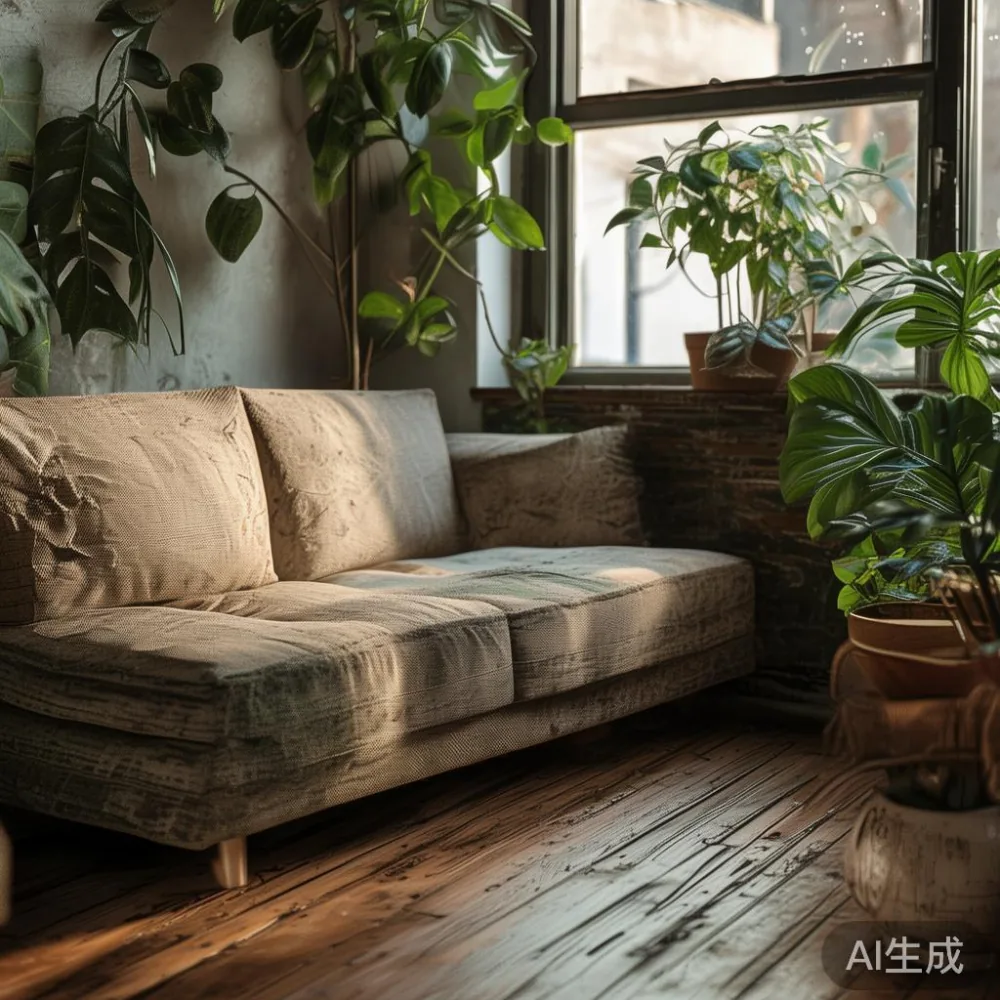
For Singapore homes, those details also interact with practical constraints. A bed frame may have to pass through an HDB lift opening measuring roughly 90 cm, while a dining table may need to turn through a condominium corridor only 120 cm wide. A beautiful wardrobe could be expensive but impractical if its largest carton cannot fit the route from the service lobby to the bedroom. This guide explains how to compare furniture value without relying on vague claims.
What determines the cost of solid wood furniture?
The starting point is the timber itself. Solid wood differs from engineered wood in how it is manufactured, but “solid wood” can still cover several species with very different prices. Common choices include rubberwood, oak, ash, beech, walnut, and teak. The board thickness matters too: a 20 mm top is normally less material-intensive than a 25 mm or 40 mm top, while a 32 mm frame offers a heavier, more substantial appearance.

Price is also affected by defects and grading. Clear boards with fewer knots, tighter grain transitions, and consistent colour may command more than rustic pieces with natural variation. A solid oak dining table may therefore cost SGD 2,400, while a visually similar piece made from lower-cost timber and stained to resemble oak may cost SGD 1,500. The discount is not automatically poor value; the important question is whether the construction and finish are sound.
Construction is the next factor. Mortise-and-tenon joints, dowelled joints, corner blocks, and well-fitted joinery generally require more work than simple screw assemblies. They can improve resistance to movement over a 10- or 15-year span, although no joint is maintenance-free in Singapore’s humid conditions. Ask for photographs of the underside, joint locations, and the fasteners used rather than relying only on a material description.
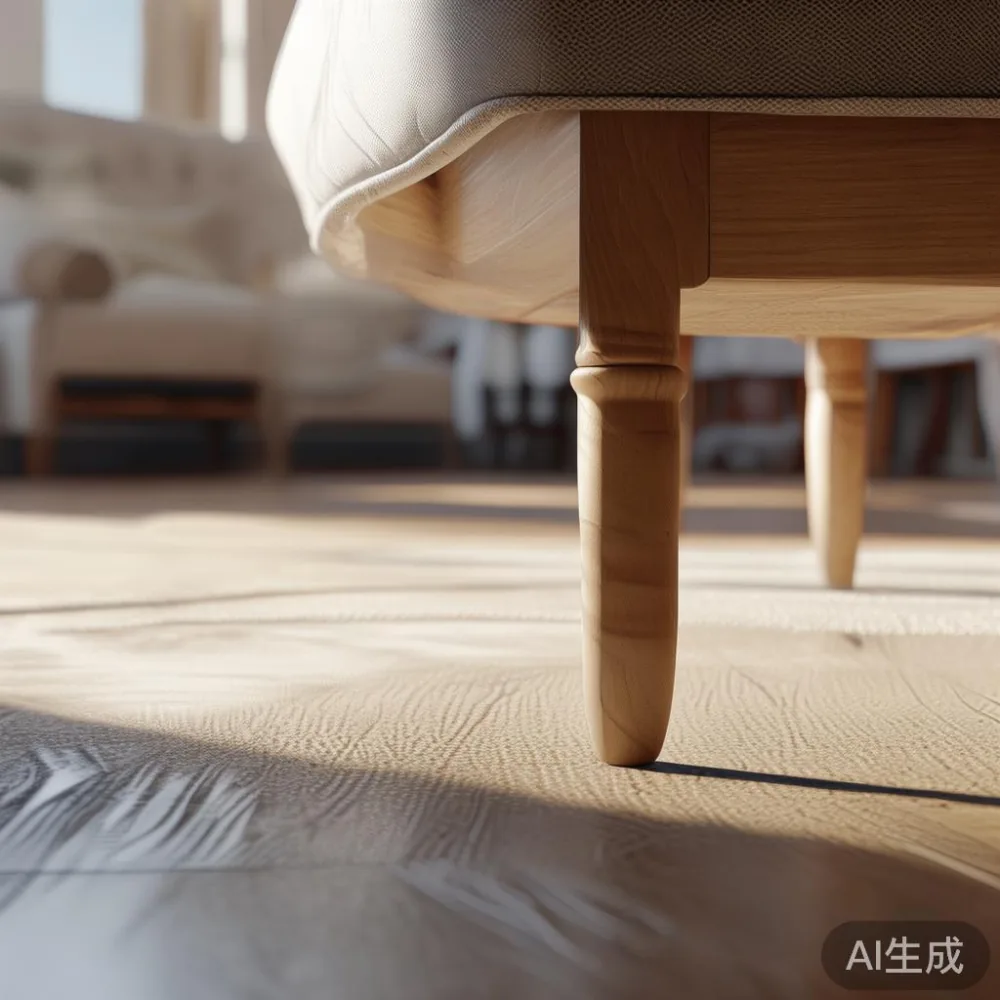
For upholstered pieces, the internal frame and fabric-care requirements add another layer. A solid wood sofa may use hardwood rails, plywood or solid-wood panels, webbing, foam, fibre, and a removable cover. The frame might cost more while the seat may use a 3-density or 4-density foam. A fabric sofa with a tightly woven, removable cover may be more practical for a family than a delicate pale weave, especially in a humid HDB flat.
How much do wood species and board thickness change the price?
As a general Singapore retail guide, a simple rubberwood or beech dining table may begin around SGD 800 to SGD 1,500. Better-grade timber, thicker boards, and more involved joinery can move a comparable design to SGD 1,800 to SGD 3,500. Solid oak or walnut pieces often sit above SGD 2,500, depending on size and finish. A marble-top dining table can reach SGD 3,000 to SGD 8,000 because the stone slab, support structure, packaging, and weight handling add cost.
These are market ranges, not promises. A 180 cm table with four legs and a standard finish will usually cost less than a 240 cm table with thick trestle supports and hand-applied paint. A dining table also needs enough clearance: ideally leave 90 cm behind each seated person and 90 to 120 cm between the table edge and nearby furniture. In a compact Tampines dining area, an oversized top may look expensive but reduce usability.
Bed frames follow similar logic. A basic queen bed frame may range from SGD 700 to SGD 1,600, while a 180 cm solid oak model with a slatted base, shaped headboard, and more detailed finish can reach SGD 2,500. Slats spaced around 5 to 8 cm apart provide useful support, but mattress compatibility still matters. The outer frame may be 30 to 45 mm thick, while decorative panels can vary considerably.
Wardrobes are priced partly by cubic volume and partly by fittings. A 180 cm-wide wardrobe may cost SGD 1,800, while a 240 cm fitted wardrobe with drawers, hanging rails, LED lighting, and mirrored panels may cost SGD 4,500 or more. Check the internal depth—around 55 to 60 cm is useful for long garments—and confirm that doors can open within the room. In a Bedok condo bedroom, wall-to-door measurements should be taken before ordering.
Japanese wardrobe styling can be highly space-sensitive. Searching how to style Japanese wardrobe in bedroom will often bring up sliding doors, low storage, and restrained proportions. That aesthetic does not require a custom room-size system; it can work with a 120 cm wardrobe if the panels slide rather than swing outward. The price then depends more on the timber, surface treatment, and hardware than on decoration.
What is the difference between solid wood and veneer furniture?
Solid wood uses timber through the visible component, while veneer uses a thin layer of attractive wood bonded to a core material. Veneer is not automatically inferior. A well-made veneered panel can be stable, light, and visually consistent, and it may be a sensible choice for large wardrobe doors. The distinction matters because a veneer wardrobe should not be described as though it has the same repair and refinishing options as solid timber.
Ask where solid wood appears. A wardrobe may have solid-wood face frames and drawer fronts but engineered panels inside. A bed frame may use solid wood for the rails and feet while the centre panel is plywood. A nightstand may have a solid top with a back panel made from another material. Transparency about each part allows a more accurate comparison than a single “wood furniture” label.
Finish adds cost because it protects the surface and changes the visual result. Hardwax oil, water-based lacquer, stain, paint, and open-pore treatments require different preparation and application methods. A deeper matte finish can conceal minor marks but may be harder to repair. A clear finish that can be spot-repaired may be more convenient for a household with children or pets. Good fabric care is also relevant if a solid wood sofa has removable cushions, though upholstery should never be sprayed directly without checking the manufacturer’s instructions.
Why do hardware, joinery, and labour make two similar tables cost more?
Hardware is easy to overlook. Hinges, drawer runners, wardrobe rails, locks, and sofa mechanisms may account for a visible share of the final price. A soft-close wardrobe hinge may cost several times more than a basic hinge, and a full-extension runner can improve daily use in a narrow bedroom. A dining table with concealed fasteners and carefully shaped edges requires more routing, sanding, and finishing than a straight, minimally detailed model.
Joinery and labour determine whether the piece will resist movement. Look for rails that are properly joined to legs, not merely held by short screws. For a dining table, check the apron, underside supports, and the way the top is attached. For a nightstand, test drawer movement and inspect the back panel. For a solid wood sofa, look at the frame corners, seat support, and suspension system. A stronger frame may weigh more—perhaps 70 kg for a three-seat model—so delivery and stairs become important.
Design can also increase price through proportion and repetition. French provincial styling may involve curved arms, carved details, and shaped legs. American light luxury often balances a substantial frame with cleaner lines. Post-modern light luxury can combine traditional construction with simplified forms. These influences are stylistic descriptions, not proof of higher quality. A table with detailed edges but weak joinery should not outrank a simpler piece with sound engineering.
MIDHILL’s identity as a Foshan factory is relevant to understanding production: factory pricing can reflect direct manufacturing relationships rather than a single retail showroom margin. Since 2008, the company has exported to more than 15 countries, and its stated 10-year structural warranty and lifetime refinishing policy are useful points of comparison. They are not substitutes for checking dimensions, species, and delivery terms.
How do Singapore delivery, lifts, corridors, and GST affect the final amount?
Shipping is part of the furniture price, not a minor detail after checkout. For Singapore, delivery may cost SGD 80 to SGD 250 within a standard zone, while larger items, two-person handling, or difficult access may cost more. Confirm whether the quoted amount includes carrying, unpacking, and assembly. A 90 cm lift may accept the carton but not allow it to turn inside the car; a wider condominium corridor may create another constraint.
Measure the complete route before a large purchase: the HDB parking area, lift door, lift car, corridor, staircase, bedroom door, and final position. Allow at least 10 cm of maneuvering room where possible, but do not assume that extra space solves every turn. A long solid-wood bed frame may need to be disassembled. A wardrobe may arrive as flat panels, while a marble table may require separate stone handling because of its weight.
GST is normally included in displayed Singapore retail prices, but check the invoice carefully. If a product is quoted at SGD 2,000 before tax, the 9% GST would make it SGD 2,180. A retailer may advertise a pre-GST figure for trade buyers, so the final payable amount should be the basis for comparison.
Return and warranty terms also affect value. A 14-day returns policy gives time to inspect a dining table or nightstand, but damage caused by incorrect assembly may not qualify. A 10-year structural warranty should state what is covered, how a claim is made, and whether moving or modifying the item changes coverage. Free shipping over US$350 is a useful threshold for international customers, but Singapore buyers should request a local all-in quote because currency conversion and destination charges may differ.
What makes a French light-luxury wardrobe different?
French light-luxury wardrobes usually rely on proportion, moulding, hardware, and a controlled finish rather than excessive decoration. Shaker-style doors, warm natural wood, slim brass-coloured pulls, and antique-inspired edges can work in a condo without making the room feel heavy. The relevant comparison is not simply the name of the style but the width, door mechanism, interior fittings, and quality of the timber.
For a 2026 purchase, a neutral finish may be easier to maintain than a very pale one, especially where pets, dust, and hand oils are concerns. Ask whether the wardrobe can be refinished later and whether the lifetime refinishing policy applies to the solid-wood sections only. Search results for the best French wardrobe for 2026 can be misleading if they ignore panel construction or local delivery costs.
European-inspired rooms require similar attention to scale. If you are considering how to style European wardrobe in room, start with the door clearance and ceiling height. A 240 cm wardrobe may dominate a 260 cm wall, while a 180 cm unit can leave useful breathing space. Cream, taupe, and muted oak tones can coordinate with a bed frame and nightstand, but samples should be viewed in daylight before a large order.
For solid wood sofas, the fabric-care decision is just as practical. Vacuum loose dust weekly, rotate cushions monthly, and blot spills rather than rubbing. Keep a sofa away from direct air-conditioning vents where possible, because rapid moisture changes can affect textiles and wood. A removable cover may add SGD 100 to SGD 400 to the sofa price but makes cleaning easier over a 5- to 10-year ownership period.
What should a buyer compare before paying more?
Create a short specification sheet rather than comparing photographs alone. Record the species, whether each major panel is solid timber, board thickness, dimensions, internal dimensions, joint type, hardware model, finish, weight, warranty, delivery time, and return period. For example, compare a 200 cm dining table at SGD 1,690 with a 200 cm table at SGD 2,690 using the same checklist. The difference may be explained by 25 mm versus 18 mm boards, better joinery, and a more repairable finish.
Ask for a physical sample whenever possible. Wood colour changes under Singapore’s daylight and air-conditioning conditions. A marble table should be checked for veining, slab alignment, edge profile, and whether the base is stable. A solid wood sofa should be sat on for at least 10 to 15 minutes, if permitted, rather than judged only by firmness. A wardrobe should be opened and closed several times to check alignment.
Look at the small details that affect daily use. Dining chairs should tuck beneath the table without scraping. Bed slats should support the mattress evenly. Wardrobe drawers should close without hitting the adjacent panel. A nightstand should have a stable top and accessible power arrangement. These tests often reveal more than a decorative finish.
Delivery timing is another concrete comparison. A local Singapore order might arrive within 7 to 14 days, while a made-to-order piece may take 30 to 60 days. Check whether the stated period is a production estimate or a firm delivery window. Ask what happens if the item is delayed by 7 days and who handles a damaged carton.
Is a more expensive solid wood furniture piece always a better investment?
No. Price rises when a product uses more timber, better timber, more labour, finer hardware, or a more demanding finish. Each increase can be justified, but the buyer should match it to use and space. A compact HDB dining area may benefit from a 160 cm table with a durable finish, while a larger family home may justify a 240 cm table with stronger supports. The most expensive option is not automatically the most suitable one.
For practical ownership, consider maintenance over 10 years. A sealed tabletop may need fewer repairs than an open-pore surface, but a repairable finish can still be valuable. Upholstery requires fabric care, and solid wood requires protection from prolonged moisture and direct sunlight. A warranty is helpful, yet annual cleaning, sensible loading, and careful moving remain part of the furniture’s service life.
Ultimately, solid wood furniture pricing is a balance between material, construction, design, logistics, and after-sales support. Compare like with like, measure the Singapore route, include GST and delivery, and ask what the supplier will repair over time. Those answers usually provide a clearer picture than a large number, a fashionable style label, or a dramatic discount.