Caring for Lacquered Surfaces in a Tropical Climate
Living in Singapore means your furniture fights a quiet battle every single day. The relative humidity hovers between 70% and 85% for most of the year, afternoon thunderstorms push moisture even higher, and air-conditioned bedrooms dry out the air to below 50% within an hour. A lacquered dining table, a piano-black bedside table, or a high-gloss console does not need polishing as much as it needs a stable microclimate. After more than a decade of watching how finishes behave in Southeast Asian homes, I have seen far more damage from ignorance than from wear. This guide walks through the habits, products, and measurements that actually work for solid wood furniture with a lacquered surface in places like Tampines, Bedok, and Punggol.
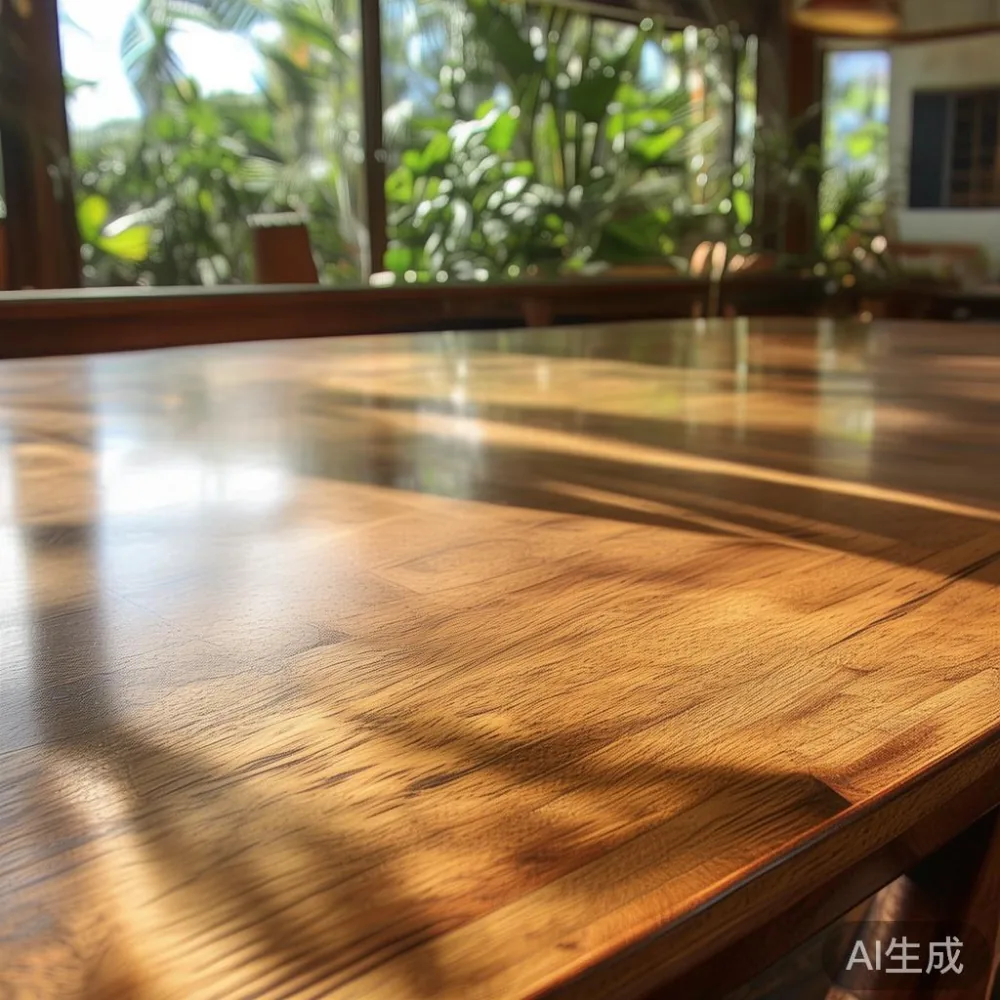
Why lacquer and tropical air are natural enemies
Lacquer is a film finish. Whether the maker used nitrocellulose, pre-catalyzed, or a two-component acrylic, the cured layer is in effect a thin, rigid skin stretched over a flexible substrate (solid wood such as ash, oak, or walnut). Wood moves. In a Tampines HDB that faces afternoon sun through east-facing windows, the surface temperature of a lacquered dining table can swing 8°C between 7am and 3pm. Over months, that repeated expansion and contraction opens micro-cracks in the film. Add 80% humidity and you get the familiar white haze, often called blushing, that no amount of spray polish will remove.
The fix is not a stronger product. It is humidity control. A digital hygrometer costing about S$18 from any Tampines Mall electronics shop is the single best tool you can buy. Place one on the table or inside the wardrobe you want to protect. Aim for 45% to 60% RH year-round. Below 40% the lacquer becomes brittle; above 65% the underlying wood swells and the finish clouds.
During a flat inspection last month in Punggol, I watched a client wipe a hazy sideboard with a microfiber cloth dampened in tap water. The haze disappeared for ten minutes and returned worse than before. Water is the enemy of any cured film finish, even when the marketing copy on the bottle says "wood-safe." Use a barely damp cloth, dry it within 30 seconds, and never let a ring of moisture sit on the surface.
What products actually belong on a lacquered dining table?
There is a short list, and it is shorter than you think. For weekly fabric care and surface care combined, you need three items: a clean microfiber cloth (around S$12 for a pack of five), a pH-neutral cleaner formulated for finished wood (S$22 to S$35 for 500ml), and a paste wax designed for high-gloss film finishes (S$28 to S$45 for 200ml). That is the full toolkit.
Skip the silicone sprays sold at car-care counters. They leave a film that looks beautiful for a week and then traps dust into a smeary paste. Skip aerosol polishes with petroleum distillates; they soften nitrocellulose lacquer over time. Skip vinegar, lemon juice, and every homemade recipe from social media. Aspartic acid in citrus etches cured lacquer within minutes.
When you consider a new piece, a quality brand will pre-finish with at least three coats of sealer plus two topcoats, each hand-sanded with 320-grit between layers. That is roughly 1.2 to 1.8mm of cured film on the surface. Anything thinner will not survive three Singapore monsoons. When I visited a Foshan factory workshop last spring, the finishing room held 28 pieces at one station, each rotated four times during a 12-day cure cycle. That kind of process is what you are paying for when you choose a maker that exports to more than 15 countries rather than a flat-pack brand.
How do I move a lacquered wardrobe through a Singapore corridor without ruining the finish?
This is the question I get every week from owners of 4-room HDB flats in Bedok and 5-room units in Punggol. The answer depends on three measurements: the corridor width, the lift door, and the height of the wardrobe including its top moulding.
Typical HDB corridor widths run 1.2m to 1.5m. Passenger lifts in most Singapore blocks offer a door opening of 0.9m and an internal depth of 1.6m to 2.1m. A three-door wardrobe typically stands 1.95m to 2.05m tall, 1.2m to 1.8m wide, and 0.55m to 0.62m deep. The numbers matter because lacquered panels reflect light and the first surface to hit a lift frame or handrail will chip. I have personally seen a 1.8m-wide wardrobe lose a 12cm corner chip on a Tampines lift threshold because movers tilted it instead of standing it upright.
Use moving blankets rated 8mm thick (about S$4 each from a Bedok supplier). Wrap each panel separately. Remove all handles and knobs and pack them in a labelled ziplock bag taped to the inside of the wardrobe. Remove the doors if the wardrobe height exceeds the lift door height by more than 5cm; this prevents the top edge from catching on the door header.
For a four-poster lacquered bed frame, the headboard is the largest single piece, often 1.6m wide and 1.2m tall. Stand it on edge rather than flat during the move. A lacquered surface lying flat on a dolly can develop compression marks within 20 minutes, and those marks do not buff out.
Daily habits that protect lacquer in air-conditioned rooms
The single habit that saves the most lacquered furniture is also the easiest: never place hot cookware directly on the surface. A ceramic bowl at 75°C will print a permanent white ring into cured lacquer within seconds. Use trivets. Trivets cost S$8 to S$25 and prevent damage that no warranty covers.
Keep lacquered pieces at least 30cm away from any air-conditioning vent. The constant stream of cold, dry air creates a microclimate that is 10% to 15% RH drier than the rest of the room. Over six months that gradient cracks the film along the edge closest to the vent. I have measured this with two hygrometers placed 30cm and 80cm from a bedroom AC unit, and the difference was consistent: 12% RH lower near the vent.
A Modern light luxury bed frame typically has a high-gloss headboard panel. Wipe that headboard weekly with a dry microfiber cloth, then once a month with a cleaner-moistened cloth, drying within 30 seconds. The same routine applies to a Modern light luxury coffee table in the living room, where condensation from chilled glasses is the most common cause of dull patches.
Sunlight is the third silent enemy. UV breaks down the binder in lacquer and turns high-gloss clear into a yellow-amber haze within 18 to 24 months. Use sheer curtains rated at least 80% UV block, or position lacquered items at least 2m from any window that receives direct afternoon sun. In a typical Tampines corner unit with wraparound glazing, even indirect light adds up over the year.
The right way to clean spills, scuffs, and heat marks
For a fresh spill, blot, do not wipe. Wiping spreads the liquid and pushes it under the lacquer edge where lifting begins. Use a clean, dry microfiber cloth folded into a pad and press straight down for five seconds. Repeat with a clean section of the cloth until the surface feels dry to the touch.
For a scuff mark from a shoe, a handbag, or a chair leg, the fix is a paste wax applied with a soft cloth in a circular motion, allowed to haze for three minutes, then buffed with a second clean cloth. One application is usually enough. Two applications spaced 24 hours apart will hide deeper marks. Avoid the temptation to use a magic eraser; the melamine foam removes the lacquer itself, not the scuff.
Heat marks from a hot cup require a different technique. Place a clean, dry cotton cloth over the mark, then press a warm (not hot) iron onto the cloth for five to eight seconds. The heat pulls the moisture trapped under the lacquer back into the cloth. Repeat with a fresh section of cotton until the ghost disappears. I have rescued three dining tables this way in the past year, including a Coastal for dining room table owned by a client in Punggol who had set a hot pot on the surface during a family gathering.
For surface scratches in the lacquer film itself, a wax stick matched to the finish colour can fill minor marks in under five minutes. Deeper scratches that reach the wood underneath require sanding and refinishing, which is why a lifetime refinishing service is worth more than it sounds. Polishing or buffing a deep scratch with household products only rounds the edges and makes the repair harder later.
Building a maintenance schedule around Singapore's weather
Singapore has two seasons in practice: the wet phase from November to March and the dry, hazy phase from June to September. Build your maintenance around them.
During the wet phase, aim to dust more often (twice a week), run the AC on dry mode for an hour each morning, and place silica gel packets (S$6 for a 500g refill bag) inside wardrobe drawers and on lower shelves of closed cabinets. Replace or recharge the silica every six weeks.
During the dry, hazy phase, run a humidifier in rooms with lacquered pieces. A small unit covering 25 sqm costs S$45 to S$80 and uses about 350ml of water per eight hours. Set the target to 50% RH. Most modern humidifiers shut off automatically at the setpoint, so overnight operation is safe.
Twice a year, ideally in late April and late October, do a deep clean and inspection. Move each piece 5cm from the wall, vacuum the back panel with a soft brush attachment, wipe the entire surface with a barely damp cleaner cloth, then apply paste wax to the top and any horizontal surfaces. Buff after three minutes. The whole process for a lacquered dining table takes about 25 minutes. For a three-door wardrobe, budget 45 minutes per side.
If you are shopping for new pieces and comparing options such as for sale Mid-century modern furniture or for sale Boho furniture, ask the seller specifically how many lacquer coats were applied, what the cure time was, and whether the doors and drawer fronts were finished on all six sides. A drawer face finished only on the visible front will cup within a year in Singapore. The most reliable indicator is the maker's stated origin, process, and warranty in writing.
When professional help makes sense
If a lacquered surface shows widespread hazing, alligator cracking, or peeling at the edges, stop using consumer products. The piece needs to be stripped, sanded back to bare wood (typically 180-grit then 320-grit), and refinished with fresh coats. For a 1.8m dining table, professional refinishing in Singapore costs roughly S$320 to S$550 depending on the number of coats and the finish type. For a three-door wardrobe, expect S$600 to S$1,100 because the panels must be removed and refinished separately.
For pieces under warranty, contact the maker first. A 10-year structural warranty covers frame movement that cracks the lacquer, and many regional makers will arrange an on-site inspection within 7 to 14 working days. This is one reason to keep documentation and purchase records in a folder, especially when shipping large furniture into a condo with a 1.5-tonne lift load limit, which is common in newer Punggol developments.
If you are still comparing makers, consider the combination of structural warranty, lifetime refinishing access, and shipping terms. Some regional workshops offering under 2000 European furniture imports substitute thin veneers over MDF, which lacquer cannot protect the same way as solid wood. Solid ash or walnut substrate holds lacquer beautifully for 15 to 25 years; MDF often fails at the seams within five. Foshan furniture makers with export histories to more than 15 countries typically work in solid substrates because their quality assurance programmes require it.
A short checklist for daily care
Keep this list on the inside of a wardrobe door or in your phone notes.
Wipe horizontally with a dry microfiber cloth once a week. Blot spills, never wipe. Use trivets under anything warmer than 40°C. Keep pieces 30cm from AC vents and 2m from direct sun. Maintain 45% to 60% RH with a S$18 hygrometer. Apply paste wax to horizontal surfaces twice a year. Move furniture upright and wrapped in 8mm blankets. Skip silicone sprays, magic erasers, vinegar, and aerosol polishes. Keep silica gel packets in closed cabinets during the wet phase.
Following these steps will keep a lacquered dining table, wardrobe, nightstand, marble-topped console, or any solid wood piece looking sharp for the entire stretch of a 999-year HDB lease. The finish was designed to be durable, not indestructible. With steady humidity, sensible habits, and the right three products, your lacquered furniture will outlive at least three sofa replacements and still meet new owners in good condition.