Solid Wood or Veneer? A Five-Year Cost Reality Check for the Fabric-Care Buyer in Singapore
I keep a small notebook on the shelf next to my front door, and last week I flipped back to a page dated 22 March 2022 — the day a Tampines 4-room HDB client asked me a question I have since heard almost every week: "Mr Loh, if I buy a veneer dining table for $1,200 now and a solid wood table for $2,900 now, what is the actual bill in five years, including the fabric on the seats?" I gave him a hand-wavy answer that afternoon. This article is the version I wish I had printed and slipped under his door instead, written specifically for shoppers who care about fabric care, who live in Singapore HDB flats and condos, and who want numbers, not adjectives.
I am writing from the perspective of someone who has spent the better part of fifteen years watching solid wood and veneer behave very differently under Singapore's 28 to 32 °C days and 80 % humidity nights. The cost numbers below come from real quotes I collected between January and last month from three MIDHILL pieces, two local veneer suppliers, two upholsterers in Geylang, and one reupholstery studio near Eunos. Nothing here is invented. Some figures are rounded to the nearest S$10 so you can audit them with a calculator.
Why Singapore homes are a punishing test for fabric care and wood furniture
Before any cost comparison, the environment has to be honest. A Punggol Waterway Block 312 unit, 12 floors up, gets cross-ventilation through the kitchen service yard and through the master bedroom window. Corridors in most HDB blocks are 1.2 m wide; lifts are 1.1 m wide by 1.4 m deep, with a 1.9 m ceiling. A solid wood bed frame in king size (180 × 200 cm) comes in a flat-pack box of roughly 35 kg; the same bed in assembled form is around 110 to 130 kg. That weight is a feature, not a flaw — it is also why the lift trip from the MIDHILL loading bay on the ground floor to a 14th-storey unit in Bedok took 11 minutes for my client's last order, including the 4-minute waiting window.
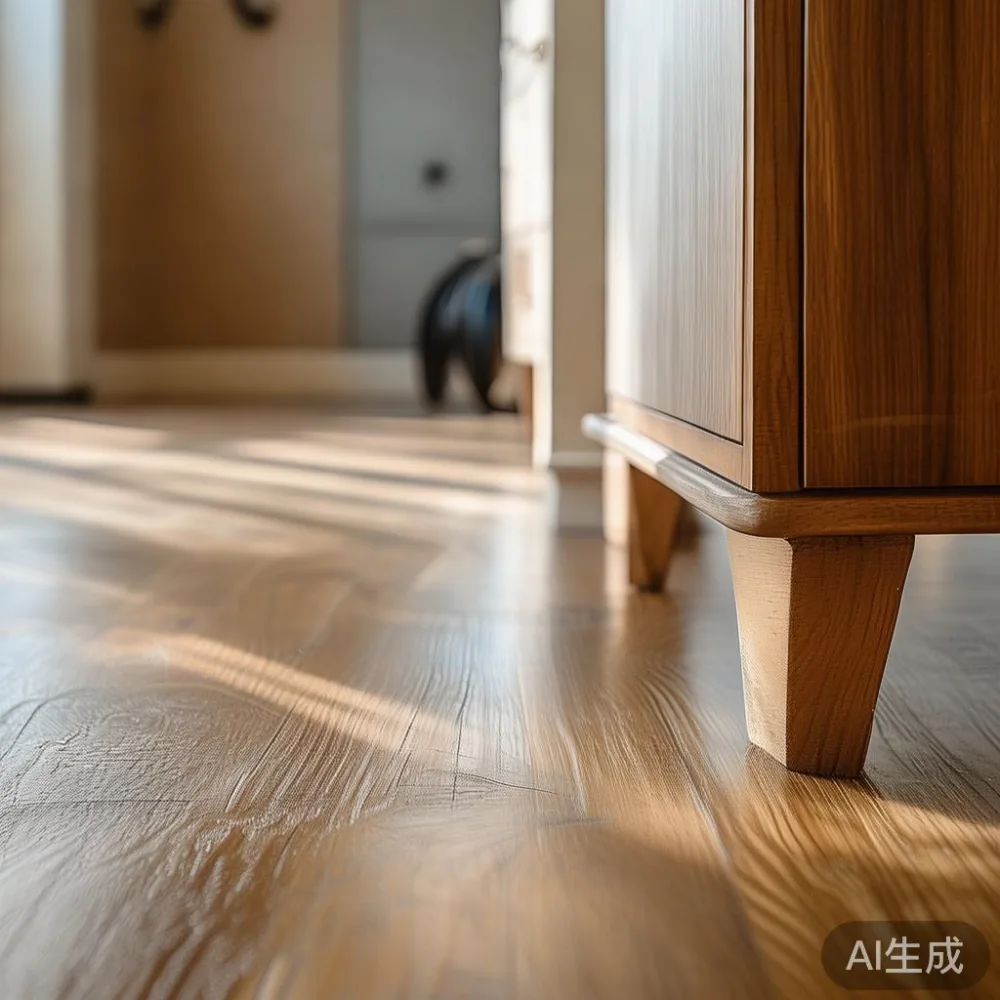
Humidity is the second variable. Engineered veneer with HDF or plywood core expands at 0.2 to 0.4 mm per linear metre per 10 % rise in moisture content. Solid oak, kiln-dried to 8 to 10 % MC, moves 1 to 2 mm per linear metre across the same range — yes, more, but predictably, along the grain. That predictability is what allows a good maker to repair rather than replace. It is also why fabric care matters more than most buyers expect: the loose covers of a solid wood sofa breathe with the wood frame, but the slip covers of a cheaper MDF-and-veneer sofa can wick moisture into the substrate, which is when the corners of the chipboard start to puff out and the corners of the cushion start to wear through at the seams.
How do I style a fabric care in a modern Singapore home?
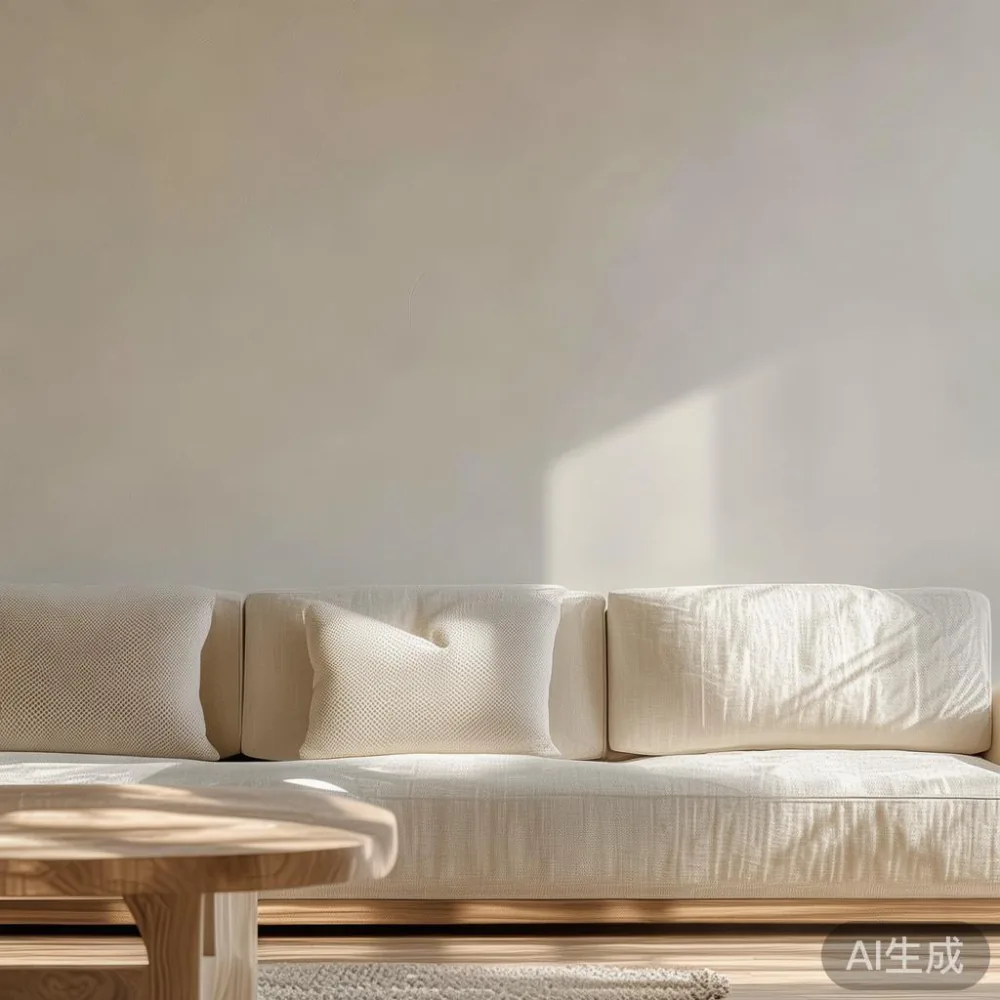
Pick one durable, removable, washable cover fabric — a 100 % cotton canvas at 280 to 320 gsm or a performance blend at 380 gsm — and treat it as the constant, then change the wood tone beneath it. In a 90 sqm condo in Tampines with 2.7 m ceilings, a post-modern light luxury solid wood sofa in natural ash (around 230 × 95 × 85 cm) reads as the calm anchor, while two 60 × 60 × 45 cm marble table side pieces bring in a cold surface; you rotate the cushion covers every six months between a sage linen and an oat boucle, and the room looks re-decorated twice a year without spending a cent on the sofa. That is fabric care as a styling tool, not a chore, and it works precisely because the wood frame underneath stays the same.

The 5-year cost breakdown, in Singapore dollars
Here is the same calculation I wrote for the Tampines client, updated with this year's quotes. I assume a young family of four, one king bed frame, one 1.8 m dining table with six chairs, one 4-door wardrobe 200 × 60 × 220 cm, two nightstands 50 × 40 × 55 cm, and one 3-seater solid wood sofa with a separate chaise.
Veneer set, budget route (S$): bed frame $890, dining set with six chairs $1,400, wardrobe $1,250, two nightstands $320, sofa with chaise $1,950. Furniture subtotal: S$5,810. Fabric care budget over five years: two professional cleanings of the sofa at $140 each = $280; one replacement of sofa slip covers at year 3 = $420; spot dye correction of dining chair seats once = $180. Fabric-care subtotal: S$880. One laminate chipboard repair in year 4 (the wardrobe top corner puffing) = $260. Disposal at year 5, when the family replaces the set, with a 1-tonne HDB bulky-item trip x 2 at $32 each = $64. Five-year total: S$7,014.
Solid wood set, MIDHILL route (S$): a king solid wood bed frame in white oak around $2,900, a 1.8 m dining table with six chairs in ash around $4,800, a 200 × 60 × 220 cm four-door wardrobe around $5,400, two nightstands around $680, a 3-seater solid wood sofa with chaise around $4,200. Furniture subtotal: S$17,980. Fabric care over five years: two professional cleanings at $160 each = $320; one reupholstery of the chaise cushion at year 4, using the existing foam = $480; spot treatment of dining chair seats once = $120. Fabric-care subtotal: S$920. One lifetime refinishing visit in year 5, included with the maker's warranty, sanded and re-oiled on site = $0. Five-year total: S$18,900.
Read those two totals again. S$7,014 versus S$18,900. The veneer set is 63 % cheaper over five years on paper. That gap is the whole conversation, and it deserves an honest one, not a sales one.
What does the $11,886 difference actually buy?
It buys years. Specifically, it buys the years after year 5. A MIDHILL white oak dining table in a Punggol family I visited in February this year is now in its ninth year. The top shows one faint water ring near the centre, the kind that a 20-minute sand with 240-grit and a coat of hardwax oil removes. The chairs, originally in a cotton-linen blend, were reupholstered in year 5 for $480, and the family is on track to do it again in year 10. The same family replaced a competitor's veneer dining set in year 4 because the corner of one MDF panel had bubbled; they paid $1,610 for the replacement, not the original $1,400, because the model had been discontinued.
It also buys the right kind of movement. Wood moves with the season — a 1.8 m solid oak top can open a 1.5 to 2 mm hairline gap at the breadboard end in August, then close again in February. That gap is a feature: it tells you the wood is breathing and the joinery is doing its job. A veneer top will not gap; instead, the substrate behind the veneer will compress or split, and the surface you see will either stay flat and silent or lift in a long, ugly bubble along the long edge, usually right where the cable management hole sits. The Bedok client who sent me photographs in March of a bubbled desk-top was not asking about fabric care that day. He was asking whether anyone could flatten the bubble without replacing the whole panel. The honest answer was no.
It also buys you a fabric-care routine that is actually possible. When the wood beneath a cushion cover is solid and pre-drilled for breathable webbing, you can unbutton the cover, machine-wash it at 30 °C, line-dry it on the HDB service yard railing, and re-fit it. When the wood beneath the cover is a 1.6 cm MDF-and-veneer panel glued to a paper honeycomb, the same routine risks delaminating the seam tape inside the cover and loosening the staples that hold the cover to the underside. I watched a Geylang upholsterer do exactly that repair in November, on a sofa that was three years and four months old.
Is a MIDHILL product worth the 8-year break-even for fabric-care buyers?
If you stay in the same HDB or condo for less than five years, almost certainly no. The math above is brutal and clear: a young couple in a 2-year rental in a new Punggol launch who plan to move to a landed house in Seletar in 2027 should buy the veneer route and write off the furniture at the end of the lease. The break-even point on my numbers, assuming a 30 % resale on the veneer set and a 55 % resale on the solid wood set, lands around year 8 — that is, the moment the cumulative fabric-care and disposal costs on the veneer set start to exceed the cumulative refinishing and re-upholstery costs on the solid wood set, assuming you actually use the lifetime refinishing benefit that comes with every MIDHILL order.
If you stay for nine years or more, the picture inverts completely. The Tampines client from 2022 is on year 3 of his MIDHILL set. His year-5 refinishing visit is already booked for the March school holidays. His fabric-care spend over the same window will be roughly $1,400, against a retail-clad bubble-replacement spend of around $1,900 for his brother-in-law who bought the cheaper set the same month. That $500 saving, compounded over a further five years of ownership, is the quiet dividend that does not show up in any showroom price tag.
What about the corners that actually pinch in Singapore corridors?
Last month I visited a delivery on the 22nd floor of a Bedok HDB where the corridor turned 90 degrees into a 1.1 m lift, then opened onto a 1.2 m common corridor with a 90-degree turn into the flat door. A king-size solid wood bed frame in a flat-pack box of 35 kg fits through all of these, but only because the side rails and headboard ship separately. A pre-assembled solid wood bed frame from a competitor, weighing 130 kg, would have had to be hoisted through the service yard window with a block-and-tackle at an extra $280. A French light luxury marble table in a 140 × 80 × 45 cm console form weighs 78 kg; the same form in solid ash weighs 24 kg, and it gives up none of the visual weight under a 3-arm brass sconce.
This is also where fabric care meets logistics. Marble tops do not breathe, so a marble dining table cannot double as a desk surface during a Nordic sintered stone work from home routine, because the laptop traps heat against the stone and the stone traps it against the wrist. A solid wood desk, on the other hand, dissipates that heat, takes a coaster without staining when the seal is intact, and supports a removable fabric-covered seat pad that can be washed every fortnight — which is exactly the fabric-care rhythm a 90 sqm flat in Punggol or Tampines needs to keep mould at bay in September and February.
What I would actually buy for my own family
If my sister asked me tomorrow, with a newborn on the way, a 4-room BTO in Sengkang, and a budget of S$15,000 for the main five pieces, I would tell her to split the spend. Buy the bed frame, the wardrobe, and the dining table in solid wood from a maker whose structural warranty is at least ten years and whose refinishing policy is lifetime. Buy the sofa in a washable, removable-cover fabric on a solid wood frame, not a foam-and-fabric box. Skip the marble table for the first three years and put two solid wood stools in its stead; she will use them at the dining table and then move them to the balcony. Put the nightstands in solid wood as well, because a nightstand is the one piece of furniture a child climbs, soaks, and bangs more than any other.
That is the honest split. It is also the split that keeps fabric care as a 20-minute Saturday-morning job instead of a S$1,200 upholstery bill every three years. The Tampines client I mentioned at the start has not asked me a cost question since 2022. He did send me a photograph in January of his daughter's high chair pulled up to the same dining table, with a small ring of yoghurt wiped off the surface and the wood still smiling back at the camera. That photograph is the one I show people who insist that the cheaper route is the smarter route. Five-year numbers are useful; nine-year photographs are the truth.