How Southeast Asian Humidity Affects Solid Wood Furniture and Fabric Care
Singapore’s warm, humid climate can change solid wood furniture faster than many owners expect. Relative humidity may rise above 80% during rainy periods, while air-conditioned HDB flats and condos can become very dry after midnight. In one HDB flat, the daily swing may be 25 percentage points; in a high-rise home near the coast, salt-laden moisture can add to the stress placed on timber, upholstery and finishing materials.
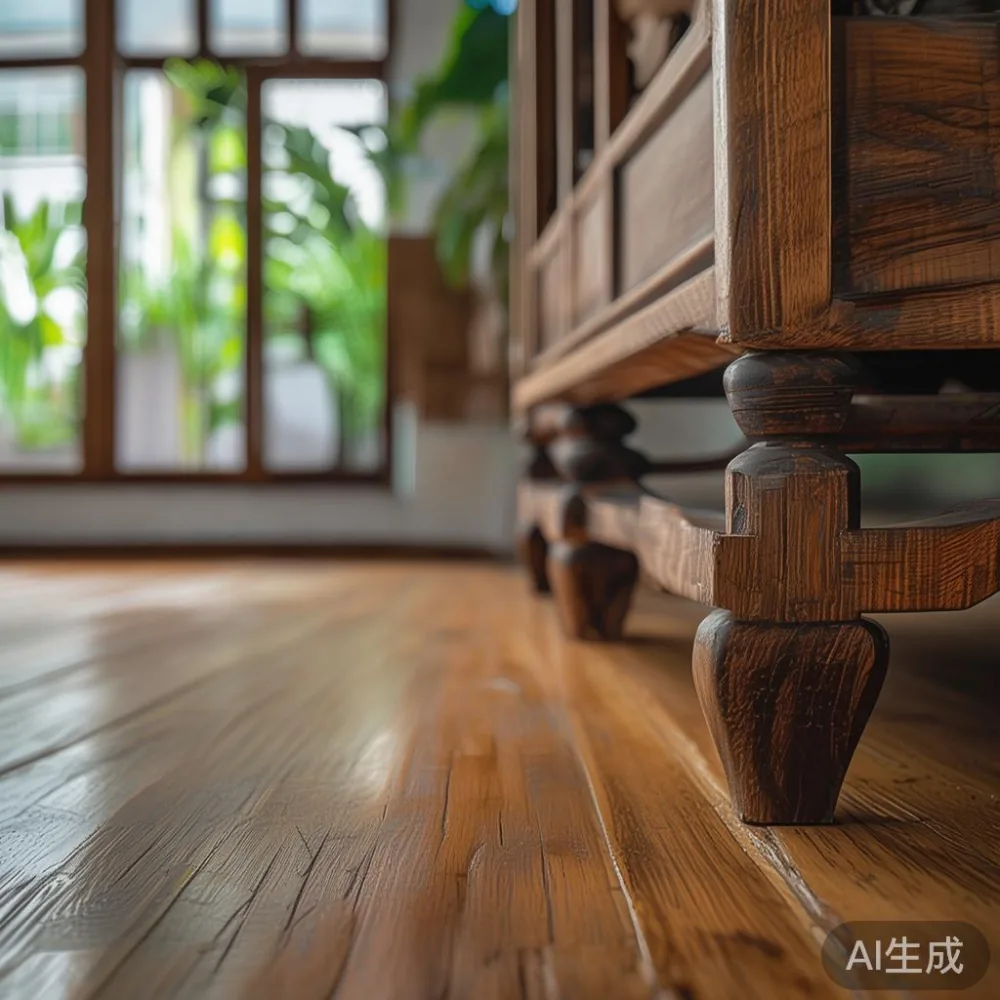
For furniture owners in Tampines, Bedok and Punggol, the practical issue is not simply whether wood survives Singapore humidity. It is how to limit warping, mould growth, musty odours and fabric damage while preserving the proportions, grain and colour that make solid wood furniture desirable. Good fabric care also protects the cushions and soft surfaces around a solid wood sofa, bed frame, wardrobe or nightstand.
MIDHILL designs solid wood furniture for export to more than 15 countries, including humid Southeast Asian markets. Its 10-year structural warranty gives buyers confidence in the frame and joinery, while lifetime refinishing supports long-term maintenance. Each order over US$350 qualifies for free shipping, although Singapore orders are shown in SGD and include GST where applicable.
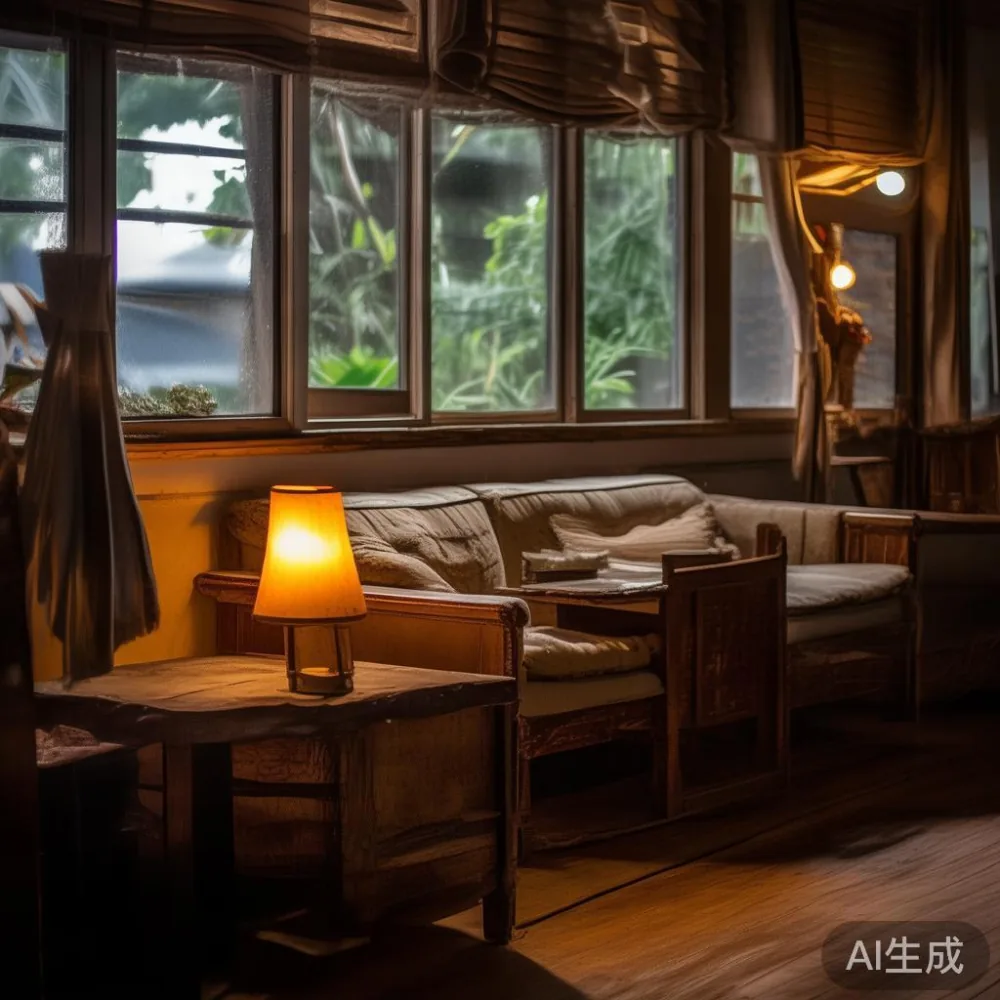
This guide explains how moisture affects wood and upholstery, what to measure, and how to adapt care routines to local homes. It also considers narrow lift doors, narrow lift lobbies, condominium corridors, air conditioning and the limited ventilation found in many apartments.
How does humidity affect solid wood furniture?
Wood is hygroscopic: it absorbs moisture when the surrounding air is humid and releases it when the air is dry. That movement changes the dimensions of boards, rails and legs. A solid wood dining table may expand by 2–4 mm across its width during a sustained humid spell. A 180 cm bed frame may shift by 1–3 mm, enough to bind a sliding door or prevent a wardrobe door from closing evenly.
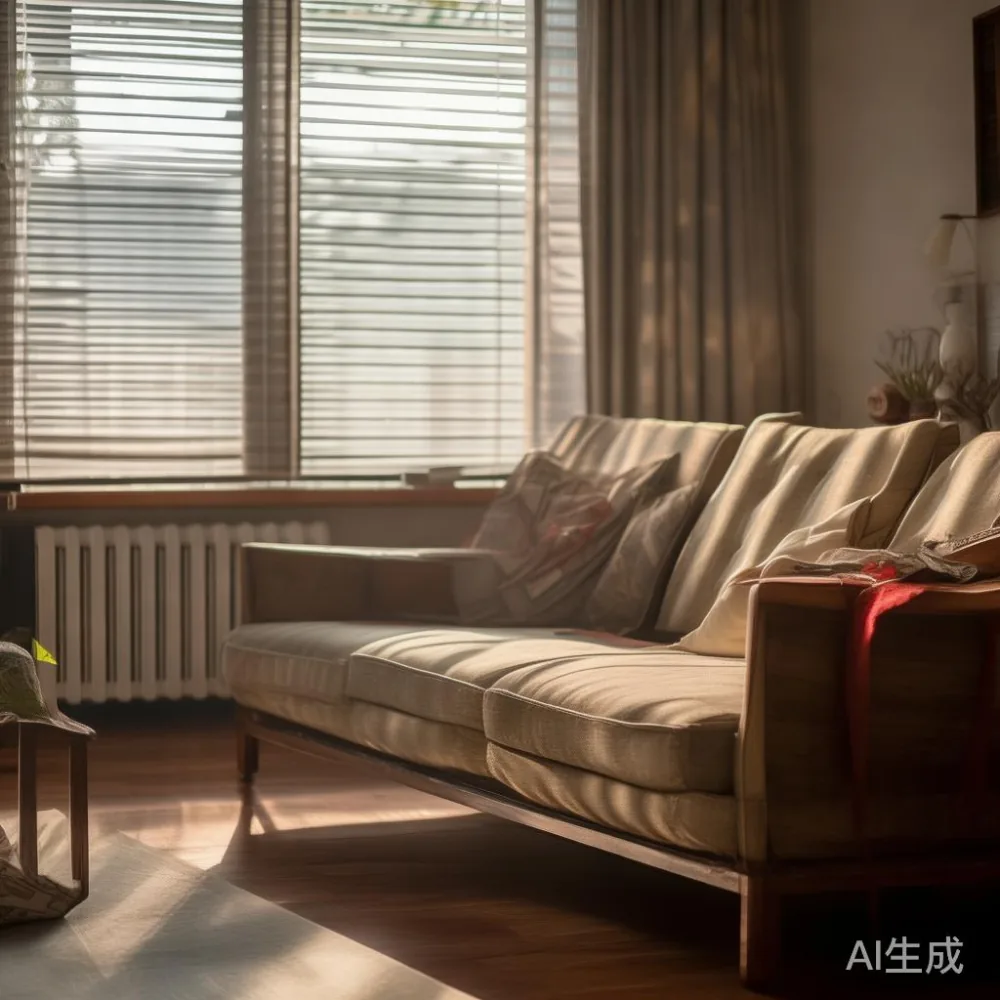
Seasoning reduces but does not remove this movement. Properly dried timber reacts more gently than green lumber, yet it still requires stable indoor conditions. An ideal relative humidity range for most wooden furniture is roughly 40–60%. Singapore frequently sits above 60%, and some ground-level or west-facing homes can experience 75–85% for several hours each day.
Rapid change matters as much as high moisture. A timber surface sitting beside a running air conditioner may dry from 70% to 40% within 24 hours. Repeated swelling and shrinking can loosen joints, open small checks in lacquer and make veneer-backed panels look rippled. Solid wood usually shows movement in a more honest way, but the correct fitting still matters: leave about 5–10 mm of clearance where a bed frame meets a wall, and allow approximately 10–15 mm between a tall wardrobe and a sharply changing air-conditioning vent.
Local delivery access deserves planning too. A common HDB lift interior may be about 100–120 cm wide and 140–210 cm deep, while some condo service lifts measure only 90–100 cm across the door. Corridor turns can be similarly tight. Check the packaged dimensions before collection, and keep the route clear for at least 2 people and a furniture trolley rated for 100–150 kg.
What should I measure inside my Singapore home?
Use an inexpensive digital hygrometer rather than guessing from the weather forecast. Place it near the furniture but not directly against an exterior wall, inside a wardrobe or beneath a sink. Record readings at 8 a.m., 3 p.m. and 10 p.m. for 7 days. Note the temperature beside each reading because relative humidity changes with heat.
A useful target is 40–60% relative humidity and a temperature difference of less than 5°C over 24 hours. If the display reads 72% for more than 6 hours, improve ventilation or run a dehumidifier. A compact unit that treats a 20–35 m² room should maintain useful moisture control, but capacity must match the room size and ceiling height. In a 90 m² HDB flat, operating one bedroom dehumidifier is often more economical than trying to condition the entire home.
Position furniture away from direct air-conditioning airflow. A bedside solid wood nightstand placed 30 cm from a vent may dry faster than a piece across the room. Keep heavy furniture at least 20 cm from exterior walls when space permits, and do not place a solid wood bed frame where damp laundry is regularly dried. Bathrooms and enclosed balconies are especially unsuitable unless humidity is consistently controlled.
For new purchases, record the delivery date, wood species, finish and product dimensions. A dining table might measure 200 × 100 × 76 cm, while a sofa may arrive in separate sections weighing 25–90 kg per section. Confirm that the lift can hold the combined weight and that the largest package fits through the door diagonally, not merely by its upright width.
How does humidity change fabric care routines?
Humidity does not only affect timber. Upholstery, cushions, mattress covers and textile panels can absorb airborne moisture. If that moisture remains trapped, mildew may develop and a musty smell can persist even after the surface appears dry. Fabric care in Singapore therefore includes airflow, regular washing and controlled drying.
Vacuum upholstery every 7–14 days with a soft brush and an upholstery attachment. Keep the suction below 1,000 W where the care label permits, and avoid saturating foam with steam. For washable covers, use cool or lukewarm water at 30–40°C, a mild detergent and the prescribed gentle cycle. Do not assume that a label reading “spot clean” means the entire cover can be soaked.
After cleaning, dry textiles in a ventilated area rather than against solid timber. A damp cotton sheet left on a sofa seat for 18 hours can transfer moisture into the foam and timber frame. Hang removable covers over a broad rack with 10–15 cm of spacing between items, and turn them every 2–3 hours. If weather is humid, use a filtered dryer on a low-temperature setting or a fan with a dehumidifier nearby.
Fabric care also involves checking hidden areas monthly: beneath seat cushions, under a bed frame, along wardrobe corners and around piping. Treat a suspected mould patch promptly. Wear gloves, isolate the area and follow the textile manufacturer’s instructions. If the growth extends more than 20 cm², returns through the surface or has a strong smell after cleaning, have the upholstery assessed rather than applying more household product.
Leather and faux-leather surfaces need a different routine. Wipe with a lightly damp cloth, condition only when the maker recommends it, and keep leather at least 30 cm from a humid bathroom doorway. A cream-coloured cushion can reveal water rings quickly, so test cleaning methods on a concealed 5 × 5 cm area for 24 hours.
Which furniture styles work well in humid HDB flats and condos?
Style does not change the physics of moisture, but visual design affects how spacious and adaptable a piece feels. A low-profile solid wood sofa works well in a compact living room because it preserves sightlines across a 10–12 m² space. Narrow arms can reduce the footprint by 10–20 cm compared with a broad continental design.
For shoppers comparing French sofa vs Mid-century modern sofa, both can suit Southeast Asian interiors if the frame is stable and the upholstery can be serviced. French light luxury styling often suits a more layered room, while mid-century forms suit compact urban apartments. In either case, choose removable, washable covers where possible and avoid dense velvet in persistently humid, sun-facing rooms.
Those looking for the best Nordic sofa for 2026 should examine frame construction, cover removal and cushion compression rather than style labels alone. A kiln-dried hardwood frame, tight stitching and breathable foam support are useful indicators. The phrase does not promise universal suitability; a sofa with excellent joinery still needs sensible fabric care.
In a bedroom, Mid-century modern for apartment layouts can make a 35–55 m² room feel less crowded through tapered legs and modest visual weight. Pair the bed frame with a slim nightstand no taller than 50 cm if the space is narrow. For a compact guest room, the Modern for guest room approach often combines a 90–120 cm bed, wall-mounted storage and a narrow console.
There is also demand for for sale Japandi furniture layouts that combine pale timber with restrained upholstery. Light finishes show dirt and moisture marks easily, so sealed lacquer and replaceable covers offer practical advantages. For a larger wardrobe, a search for MIDHILL European light luxury wardrobe can lead to options with framed doors, adjustable shelving and smooth-running hinges designed around long service periods.
What causes warping, mould and joint movement in local furniture?
The first culprit is an unsealed or damaged finish. A dining table near an open balcony may absorb moisture through an exposed end grain or a scratched tabletop. Inspect lacquer for whitening, peeling or fine cracks every 3 months. Clean with a pH-neutral product, dry with a soft cloth and avoid silicone-based polishes that create a greasy build-up.
The second cause is poor contact with the floor. Solid wood legs should not stand in a thin film of water. Use felt or cork pads under every leg, replace them every 12 months, and lift the piece rather than dragging it across tile. Carpet is not automatically a moisture solution; thick carpet can prevent the floor from drying beneath a wardrobe.
The third cause is trapped air. A fully packed built-in wardrobe may be stable, but freestanding units placed against exterior walls need ventilation behind them. For a 60 cm wardrobe, maintain 5–10 cm of rear clearance where access permits. Keep bedding off the floor in a 4–6 cm gap if the room regularly exceeds 65% humidity.
White powder on a surface may be mould residue rather than sugar from the timber. Test it with a damp white cloth: if the area clears temporarily, treat the surface and investigate the moisture source. Never bleach wood, and never mix cleaning chemicals. A marble table has a different moisture profile because stone does not move like timber, although its cabinet base and metal fittings still need protection. Avoid placing a marble table beside a bathroom or directly under an air-conditioning vent.
How can I protect a solid wood sofa, bed frame, dining table and wardrobe?
For a solid wood sofa, remove cushions twice a week, redistribute use and inspect the underside monthly. Keep soft furnishings 10–20 cm from exterior walls and avoid leaving wet towels over the back rail. Rotate seat cushions every 2 weeks so one area does not remain compressed and damp. When the cover is removable, wash according to the label and dry fully before refitting.
For a bed frame, check the centre support and fastener positions every 6 months. Maintain 30–40 cm of ventilation below an refined frame if the room is humid. If one side sits 3–5 mm higher, use a level, not a wedge improvised from folded card. A dining table should have coasters and trivets; place hot dishes on a heat-resistant mat rated for at least 80°C.
For a wardrobe, clean the top, corners and base every 3 months. Adjust the doors if seasonal movement causes a gap larger than 3 mm. Use door stops and soft bumpers so frames do not strike one another. Refinishing should address moisture damage rather than simply masking it with a thicker layer of paint.
For a nightstand, keep liquids in a separate tray and check beneath it after cleaning. For a marble table, wipe spills promptly and use a pH-neutral stone cleaner. Apply a suitable sealer according to the marble type and use coasters for damp glassware. These simple habits cost less than repairing swollen drawer boxes or replacing mould-damaged foam.
What should I do when a piece arrives after delivery?
Allow new timber to acclimatise for 7–14 days before making close adjustments. Do not place a solid wood bed frame against a cold wall immediately. Open the carton where safe, inspect for impact marks and photograph the furniture from 4 angles. Check bolts after 48 hours and again after 30 days, because transport vibration can slightly loosen fasteners.
Confirm that the packaging has not trapped moisture. Smell the timber and textiles before covering the piece with plastic. If there is a damp smell, increase airflow for 24–48 hours and check the hygrometer. Do not return or refuse a piece solely because the timber feels different in humid weather; minor temperature-related surface changes are normal, but standing mould, delamination or structural cracks require attention.
MIDHILL provides a 14-day return window and free shipping on qualifying orders over US$350. Singapore prices are shown in SGD, with GST applied as required. Delivery usually takes 7–21 days after dispatch, depending on production and Singapore access. Buyers should ask for the packaged dimensions before a scheduled vehicle is assigned.
Collection in HDB buildings may require a loading-booking slot, while condos may need a loading bay reservation, protective floor coverings and a lift booking. Reserve at least 60–90 minutes for a large wardrobe or dining table. Keep the route at least 80–90 cm wide where possible, measure the lift door and note the turning radius of corridors. These details can prevent damage to walls and much larger delays than a 10-minute extra inspection.
How can I build a practical monthly humidity-control routine?
A short routine is easier to maintain. Once a week, read the hygrometer and inspect one furniture zone: the sofa cushions, under the bed frame, the dining table edge or the wardrobe base. Every 2 weeks, vacuum upholstery and check beneath removable cushions. Every 3 months, clean high and low surfaces with a damp cloth, inspect finishes and verify that ventilation gaps remain open.
Run a dehumidifier when readings exceed 60–65%, especially overnight. Close windows and curtains during heavy rain, then ventilate once the rain ends. Use fans to move air across damp textiles and timber edges. Do not aim a strong fan directly at a freshly cleaned cover, as rapid surface drying can leave the inner fabric wet.
Light, steady control is more useful than occasional extremes. A room kept between 45–60% relative humidity is easier to maintain than one cycling between 35% and 85%. Portable hygrometers can cost SGD 15–40, while a suitable dehumidifier for a small bedroom may range from about SGD 250–600. An air purifier alone may remove particles, but it should not be treated as a moisture-control device unless its specifications expressly state that function.
Solid wood furniture can remain attractive and serviceable in Singapore when moisture, airflow and cleaning are managed together. Protect the timber finish, keep fabric dry, respect expansion gaps and check delivery access before the furniture reaches the building. These measures support the piece’s proportions and joints while making daily care less demanding across the 15–20 years many owners expect from a well-maintained solid wood dining table, bed frame or wardrobe.