Price Dynamics of Solid Wood Furniture in Singapore's Market
I bought my first solid wood dining table back in 2014 from a clearance outlet in Geylang. It cost me S$280, and within eighteen months a crack had opened along the centre plank wide enough to slot a credit card into. Twelve years later, the solid oak dining table sitting in my Tampines kitchen is heavier than my wife, costs more than a flight to Bangkok, and is built to outlast me. That gap between a S$280 disappointment and a S$2,400 keeper is what this article is about.

Is solid wood furniture actually worth more than engineered alternatives?
Solid wood is not a marketing label. A solid hardwood bed frame built from kiln-dried white oak or North American ash will weigh between 60 and 90 kg for a queen size, against roughly 25 to 35 kg for a comparable engineered frame. That weight is not vanity, it is a direct read-out of material density, and density governs both longevity and stability. Hollow doors, veneer chipboard, and MDF panels absorb Singapore's humidity very differently from a kiln-dried timber core. In my own flat, the engineered wardrobe I fitted in 2019 has visibly delaminated along one corner by my balcony door; the solid ash wardrobe in the bedroom is unaffected.
That difference shows up on the price tag, and there are honest reasons for it. A kiln-dried ash plank at 5 cm thickness might cost the maker S$90 to S$140 per running metre depending on grade. A 1.8 m dining table uses roughly 0.25 to 0.4 cubic metres of timber. Multiply that through, add mortise-and-tenon or domino joinery, and a 600-hour hand-finish routine, and the workbench number climbs fast. None of that money is being wasted on a logo, it is paying for the material that will sit in your HDB for twenty-five years.
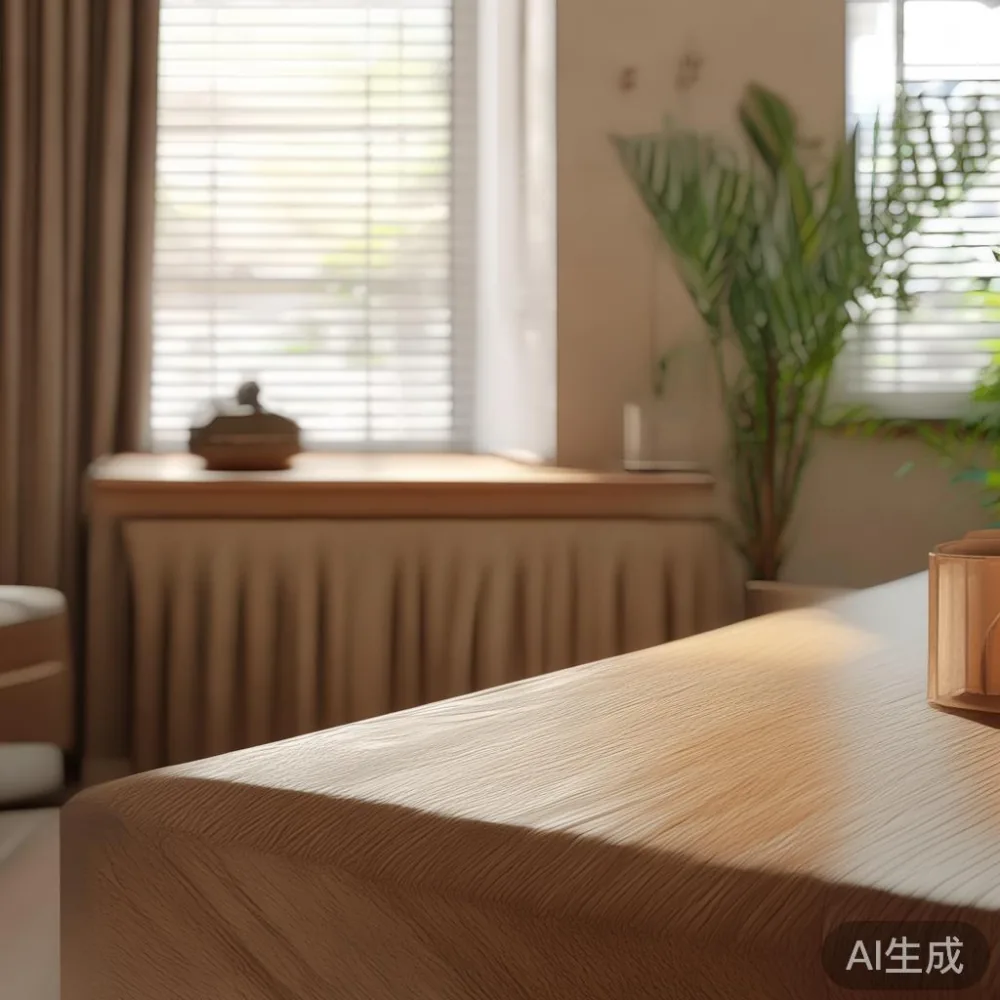
What is fabric care and why does it appear on a wooden furniture article?
Fabric care belongs on this page because none of your solid wood pieces arrive naked. A solid wood sofa is a hybrid: hardwood frame inside, woven textile outside. A bed frame carries linen-cotton upholstery on the headboard. A dining chair set ships with removable fabric cushion pads. Even a wardrobe and nightstand pairing includes felt-lined drawers and fabric-protected compartments. The fabric component can quietly swallow 30 to 45 percent of your outlay, and it is the layer that buyers damage fastest.
Fabric care, in my routine, is a five-minute Sunday habit. I vacuum the sofa cushions on low suction with an upholstery head, blot spills with a 1:4 white-vinegar-and-water solution, rotate the seat pads every two months so the foam does not bottom out on one side, and keep the set three to four feet away from the window so direct UV does not bleach the weave. A family in Bedok who bought their 3-seater from MIDHILL in 2022 told me last month their cushions still look new because they followed those four rules. That is the simplest fabric care protocol that actually works on Belgian linen and cotton-velvet blends.
Which wood species actually justify the price jump?
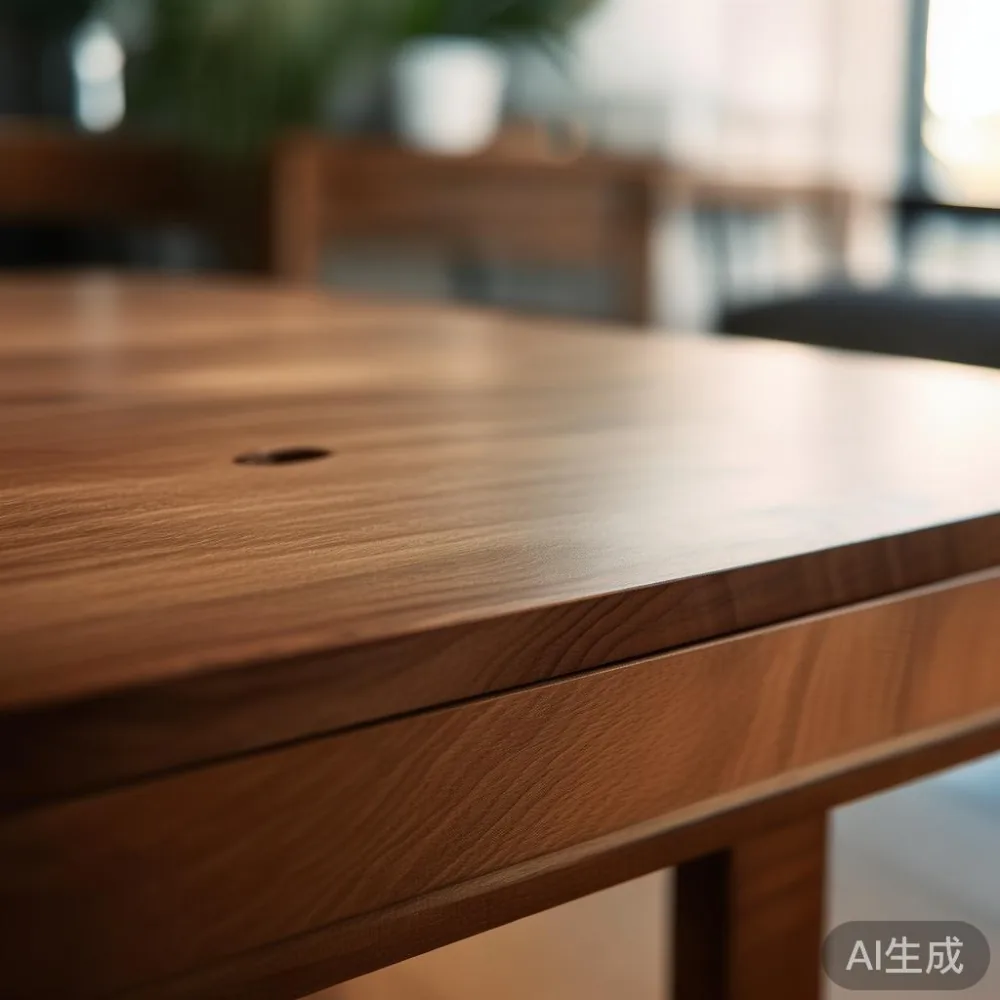
The bulk of price variance inside the solid wood category comes from species, not craftsmanship. Rubberwood sits at the bottom of the stack at roughly S$1,200 to S$1,800 for a queen bed frame, European beech climbs to the S$2,200 to S$2,800 band, and North American white oak or black walnut pushes past S$3,800. A French light luxury look tends to anchor on beech or ash with a soft limed finish; American light luxury favours straight-grain oak with brass-tone hardware; post-modern light luxury leans into walnut with matte black accents. These three design vocabularies use the same word ("luxury") for very different material philosophies.
If you are comparing a solid wood sofa in walnut against one in ash, ask the showroom which plantation the timber came from and how it was dried. A solid wood sofa frame in kiln-dried ash will be lighter to move on delivery day, easier to refinish five years from now, and gentler on your wallet. Walnut carries deeper grain drama but adds 40 to 60 percent to the price. Last month I visited a supplier workshop in Foshan and watched two identical sofa frames roll off the same line, one in ash at S$2,100, one in walnut at S$3,400, both with identical ten-year structural warranties.
How wide is your HDB lift, and why should you measure it before paying a deposit?
Singapore furniture buyers underestimate packaging and access. A standard HDB passenger lift is roughly 1.0 to 1.2 m deep by 1.4 to 1.6 m wide, with a door opening of about 0.9 m. A king-size solid wood bed frame in its shipping crate can run 2.1 m long by 0.65 m wide. That crate physically fits the lift, but you must also check the diagonal of the doorway, which for a 0.9 m opening means anything longer than 1.27 m on the diagonal will not slide through.
Worse, several Tampines and Punggol blocks have only 0.8 m doors on the service lift on certain levels. A solid wood wardrobe with crown moulding packed flat might still hit 2.3 m in length. We measured a Queenstown condo last quarter where the only viable route was through a bathroom window with a boom lift, an extra S$480 the customer had not budgeted for. Always send the maker your block number and floor so they can specify the right crate dimensions on the quote. MIDHILL's Singapore logistics partner confirms the lift and corridor widths before the truck leaves the warehouse, and that pre-flight check has saved customers in Punggol and Bedok hundreds of dollars in idle delivery fees.
Does the joinery type actually move the price?
Yes, and it is the easiest line item for a buyer to verify. A bed frame joined with dowels and pocket screws can be assembled in twenty minutes by one person. A bed frame with through-tenons, mortise-and-tenon corner blocks, and bed-bolt hardware takes two people a full afternoon. A dining table with breadboard ends, hand-planed top, and hidden cable management for desk conversion adds another 18 to 30 hours of bench time, all of which appears somewhere in the invoice. That labour cost is the silent driver of price differences between two pieces that look identical on Instagram.
For a marble table top, the stone grade is a hidden multiplier. Italian Carrara at 2 cm thickness sits in the S$1,800 to S$2,500 bracket for a 1.6 m top, Calacatta gold at the same thickness climbs past S$3,500. A solid wood base with hand-carved aprons underneath will cost more in labour than the stone above it. Ask whether the marble is book-matched, sealed on all six sides, and whether the substrate is plywood or solid timber. Plywood substrate on an Italian light luxury with storage piece, say a TV console, will delaminate within ten years in our humidity. MIDHILL TV console builds ship with sealed solid wood frames under sealed marble, and the price reflects that substrate choice rather than the showroom styling.
How does Singapore's GST and delivery cost change the final number?
Singapore charges 9 percent GST on imported furniture, and the freight cost from a Foshan factory to a Singapore warehouse has shifted meaningfully in the last three years. Sea freight out of Nansha port hit roughly US$3,200 per 40-foot container in 2022 and is closer to US$1,800 now, so older quotes may not match current landed cost. A solid wood bed frame that lands at the warehouse for US$420 will reach your Tampines flat at around S$820 including 9 percent GST, last-mile delivery, and lift access fee.
Free-shipping thresholds matter more than they look. A maker that ships free over S$350 versus one that ships free over S$1,200 changes how many smaller items you bundle. Buyers in Punggol who are furnishing a new BTO often end up pairing a nightstand with a dining table so they clear a single delivery threshold. Last-mile to a Punggol or Bedok HDB typically runs S$60 to S$120 above the standard rate if the lift cannot fit the items and a stair-climb is needed. Refinishing services are worth pricing in: a round of full refinishing for a 1.8 m dining table typically costs S$280 to S$420 on top of the pickup and redelivery, which adds up if you plan to maintain three or four pieces over their lifetime.
What light-luxury categories actually matter for a smaller Singapore home?
Three categories from the light-luxury world translate cleanly to compact HDB and condo layouts. The first is the European light luxury wardrobe, which is not a single shape but a design language: tall crown moulding, fluted glass panels, soft-touch matte lacquer, and brass-tone handles that read warm rather than chromy. In a 4-room HDB these wardrobes are usually custom-fit from 1.2 m to 2.4 m wide, with the back panel pre-ventilated for our humidity. A 2.4 m run in beech or ash fits most master bedroom walls between door and window.
The second is the light grey luxury sofa in an ash-and-linen construction, which keeps the room calm visually and forgives lint, pet hair, and the dust haze that follows a day of air-conditioning cycling. A 3-seater configuration around 2.1 m to 2.4 m long tends to dominate but not overwhelm a 22 sqm living room. Third, the French provincial wardrobe aesthetic deserves its own check-list when you shop: for buyers researching how to choose French provincial wardrobe, the three signals of authenticity are soft-close cabinetry, a curved rather than straight cornice, and decorative carved corbels that are mechanically attached rather than moulded in. Last-quarter I've seen imported pieces cut all three corners, which is why a price tag alone is unreliable.
Which other light-luxury decisions come up again and again in Singapore?
A few comparisons keep recurring in buyer conversations. Japanese sofa vs Nordic sofa is a frequent question in Punggol EC showrooms: the Japanese take on a sofa is lower to the ground (28 to 32 cm seat height), harder in cushion feel, and friendlier to a small living-dining layout where you want clear sight-lines between zones. The Nordic take is taller, plusher, and built for longer lounging sessions. Neither is wrong, but they shape the rest of the room. A Japanese-minimalist room usually pairs with a low-profile solid wood bed frame and a wide bench seat. A Nordic room tends to anchor on a deeper, fully upholstered light grey luxury sofa and matching armchairs.
A second recurring decision is light luxury for office, which in a WFH context means a 1.4 m to 1.6 m solid wood desk with a felt-lined cable trough, a low bookcase, and a credenza that doubles as a printer station. The same Italian light luxury with storage language used for kitchen cabinetry translates well here: a desk with two file-drawer cabinets, a credenza with sliding doors, and a finished back panel so the furniture can float in the room without looking unfinished from the corridor. Finally, the nightstand is the easiest piece to over-spec. A single-drawer nightstand with a 40 cm to 50 cm top in the same solid wood species as the bed frame keeps a room visually quiet and matches the warranty cycle of the larger piece.
What should a realistic Singapore budget for solid wood look like?
Tier your expectations by room so the total spend stays sensible. For a queen-size solid wood bed frame in ash or beech, anchor at S$1,900 to S$2,800. Add two nightstands at S$420 to S$600 each and a six-drawer wardrobe at S$2,800 to S$4,200 for a 2.0 m run. The living room is the heavier line item: a 3-seater solid wood sofa in upholstery sits at S$2,400 to S$4,500, a marble table coffee unit at S$1,200 to S$2,400 depending on stone, and a TV console at S$900 to S$1,800. Dining picks up the rest: a six-seater solid wood dining table at S$2,800 to S$4,800 and matching chairs at S$280 to S$520 each.
Built across three rooms, that puts a realistic three-piece starter package at around S$8,500 to S$14,000 with delivery and GST included, and a fuller four-room set at S$18,000 to S$28,000. Buyers who stretch past those bands are usually paying for premium wood species, book-matched marble, or custom dimensions rather than the basic solid-wood promise. Buyers who land well below those bands are usually buying engineered-wood pieces being sold as solid in some fashion. Ask for a 200-gram shavings sample from the maker if the price looks suspiciously low. Genuine solid hardwood shavings bend before they snap and release a fresh timber scent, both of which are quick to verify at the showroom.