Perfect Scale for Singapore HDB Living Room Furniture
Living in a Singapore Housing and Development Board (HDB) flat presents a unique set of challenges and opportunities for furnishing your living room. The space is often compact, with specific architectural constraints like standard door widths of 80 cm and narrow corridors in older estates like Tampines or Bedok. A common mistake is purchasing furniture that looks good in a showroom but overwhelms the home, or conversely, pieces that are too small, leaving the room feeling sparse and disconnected. The key is not just about aesthetics, but about achieving a harmonious balance between form and function. This guide will walk you through the process of measuring your space, understanding furniture dimensions, and selecting pieces that fit perfectly, ensuring your living room is both stylish and livable.
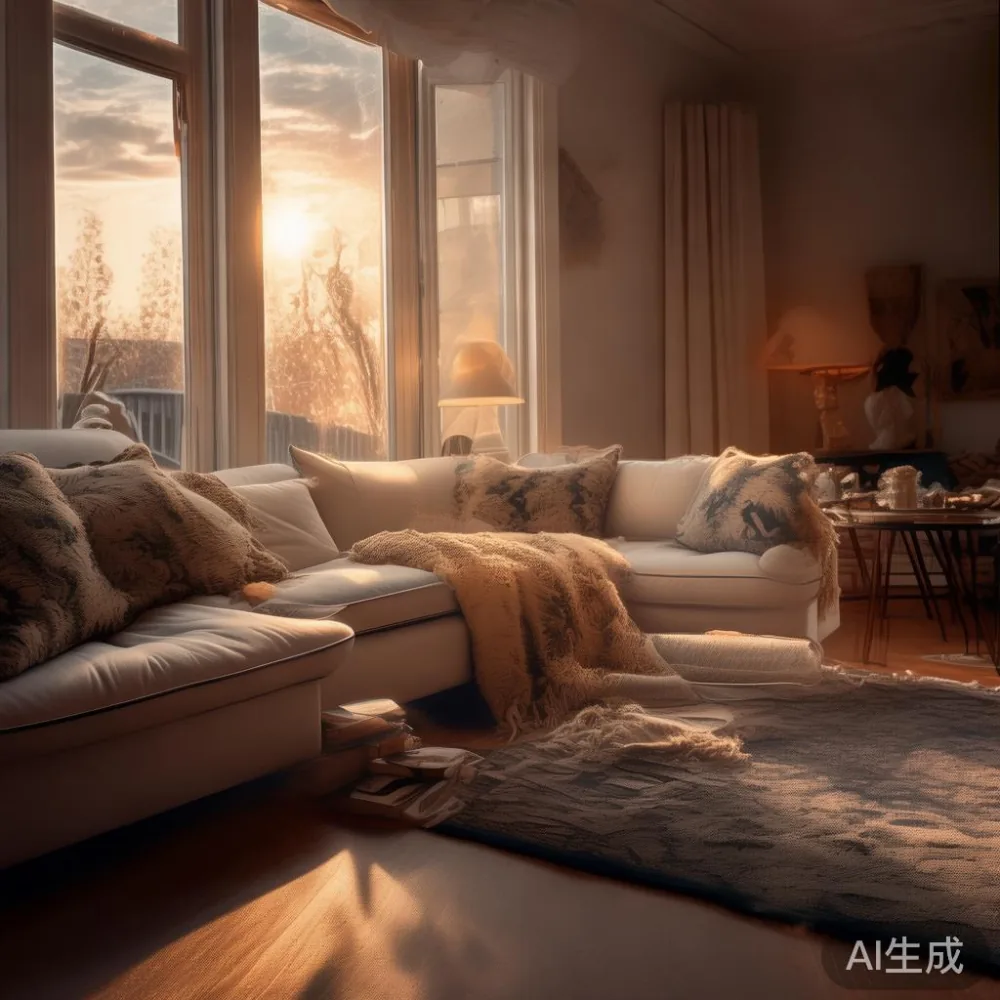
What are the Standard Dimensions of a Singapore HDB Living Room?
Before you can choose furniture, you must understand the canvas you are working with. HDB living rooms vary in size depending on the flat type. For a standard 4-room flat, the living room typically measures around 4.6 meters by 4.2 meters, providing approximately 19.3 square meters of space. In newer developments like those in Punggol, living rooms in 5-room flats can be larger, sometimes reaching 5 meters by 4.5 meters. However, it is the layout that often dictates furniture placement. You must account for the width of your entrance door, which is usually 80 cm, and the space required to work through around the sofa and other pieces. A common clearance path should be at least 60 cm wide to allow for comfortable movement. This means you cannot simply place a sofa against one wall and expect to have a clear walkway. Visualising the room's traffic flow is the first step towards making informed furniture choices.
How Do I Measure My Living Room Accurately?
Grab a measuring tape and a notepad. Accurate measurements are non-negotiable. Start by measuring the length and width of the room from wall to wall. Next, measure the dimensions of any permanent fixtures like built-in cabinets, the television console, or the air-conditioning compressor unit. These elements take up floor space and must be factored into your layout. After noting the room's total dimensions, subtract the space needed for pathways. As mentioned, a 60 cm clearance is a good rule of thumb. This will help you identify the maximum dimensions your sofa and other large items can occupy without creating a cramped environment. For example, if your living room is 4.6 meters long and you need a 60 cm path in front of the sofa, the sofa itself can be a maximum of 4 meters long. Always measure your doorways and hallways too. A beautiful solid wood sofa is useless if it cannot be carried through your 80 cm front door. Last month, I visited a client in a Bedok flat who had purchased a sofa online without checking its dimensions. The delivery team spent two hours trying to angle it through the door before realising it simply wouldn't fit, resulting in a costly return and a very unhappy customer.
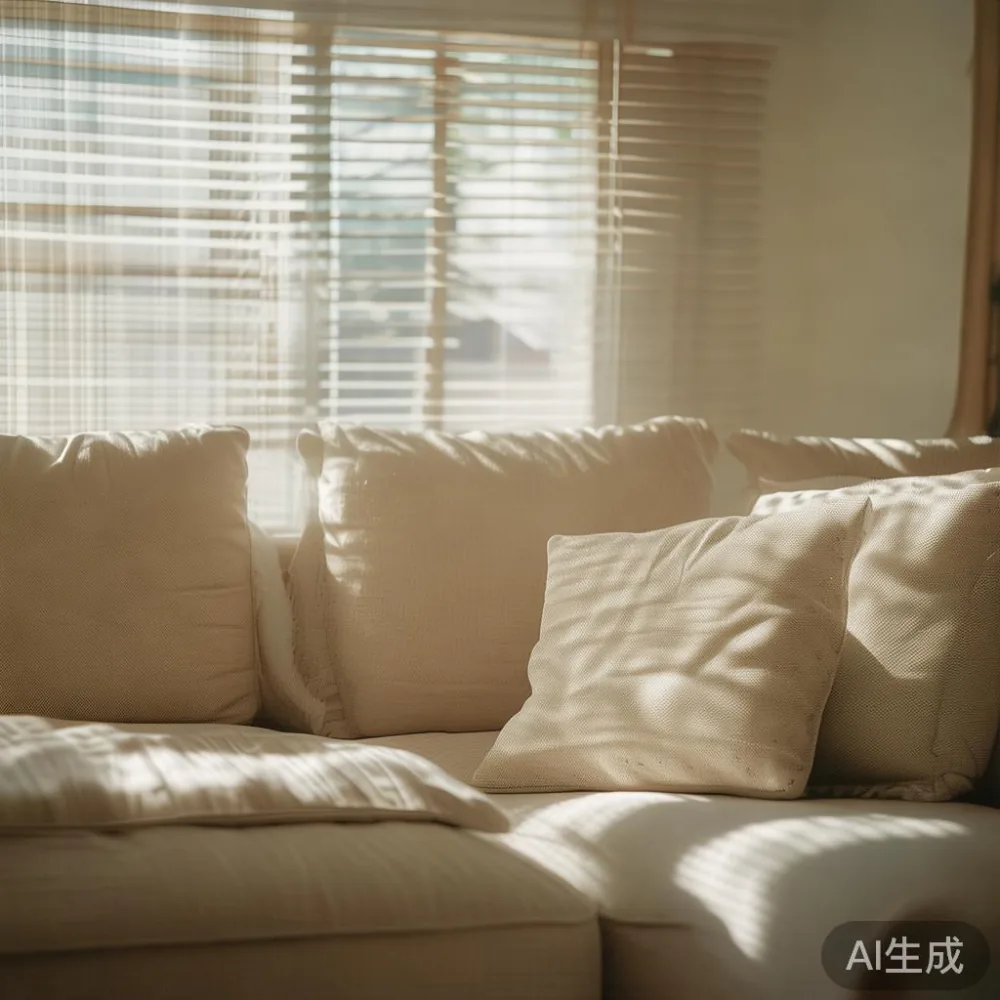
What Size Sofa is Right for My Space?
The sofa is the anchor of any living room, and its size will heavily influence the rest of your furniture arrangement. A common question is: how to choose Japanese sofa for a small HDB living room? The answer lies in considering modular or loveseat options. A standard 3-seater sofa typically measures between 180 cm and 210 cm in length. For a 4.6-meter room, this can work well if placed against a long wall. However, for rooms under 4 meters, a 2-seater loveseat (around 140-150 cm) or a compact 3-seater might be a better fit to preserve floor space. The depth of the sofa is equally important. Most sofas are 85 cm to 95 cm deep. Ensure there is at least 40-50 cm of space behind it to prevent it from dominating the room and to allow for easy cleaning, which is a key part of good fabric care. For a light luxury feel, consider an American light luxury style sofa with clean lines and low arms, which can make a room feel more spacious than a bulky, traditional design.
How Do I Arrange a Sofa and Coffee Table in a Small Room?
The relationship between your sofa and coffee table is critical for both function and flow. The coffee table should be proportional to the sofa. A good rule of thumb is to choose a coffee table that is about two-thirds the length of your sofa. For a 180 cm sofa, a 120 cm coffee table is a balanced choice. The height should be similar to the sofa's seat height, typically around 45-50 cm, making it easy to reach for a drink or a book. The distance between the coffee table and the sofa should be about 40-50 cm. This provides enough legroom while keeping items within easy reach. If you are looking for a statement piece, a marble table can add a touch of elegance, but ensure its weight is manageable for moving during cleaning. A common mistake is placing the coffee table too far away, creating a disconnect, or too close, making the area feel cluttered. For those who prefer a more minimalist approach, a small side table or Ottoman can serve the same purpose without taking up as much space. If you are wondering, where to buy coffee table from MIDHILL, their collection offers a range of sizes perfect for HDB layouts, from compact round tables to longer rectangular designs.
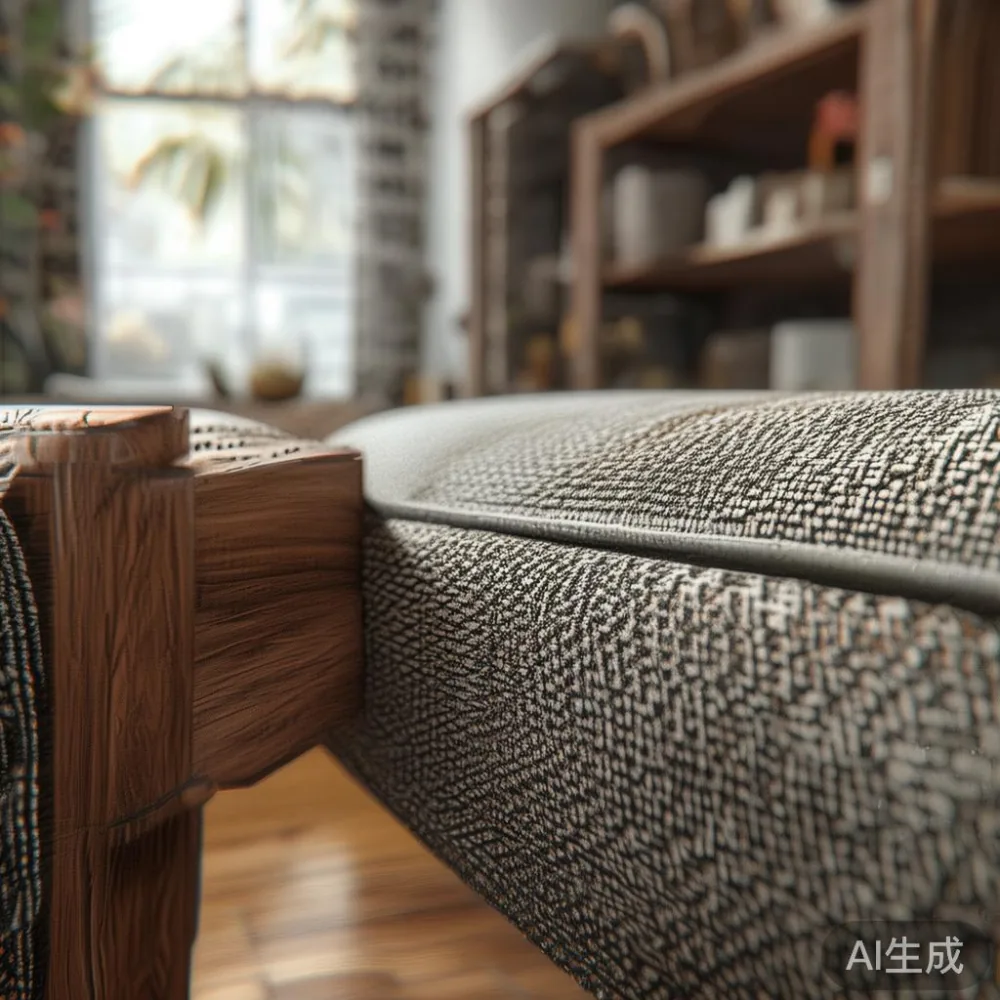
What Other Furniture Should I Consider for My Living Room?
Once your sofa and coffee table are sorted, consider the secondary pieces. A TV console is often necessary. Measure the width of your television and add at least 20-30 cm on either side for a balanced look. The console should not be wider than the sofa. For storage, a credenza or a low cabinet can be a great alternative to a bulky TV unit. Accent chairs are another option. A single, well-designed accent chair can provide extra seating without overwhelming the space. Look for styles with open frames to maintain a sense of airiness. If your living room also serves as a dining area, a dining table for 4-6 people is needed. A drop-leaf table can be an excellent solution, expanding when you have guests and folding down to save space daily. Remember, every piece should have a purpose. Avoid filling the room with decorative items that serve no function. A solid wood sofa paired with a marble table creates a beautiful focal point, but ensure the surrounding pieces complement this central arrangement without competing for attention.
How Can I Ensure My Furniture Lasts and Stays Looking New?
Purchasing quality furniture is an investment, and proper maintenance will ensure it lasts for years. This is where fabric care becomes paramount. For upholstered pieces like sofas, regular vacuuming with a soft brush attachment will prevent dust and dirt from embedding into the fabric. Spills should be blotted immediately with a clean, dry cloth. For deeper cleaning, always check the manufacturer's care label. Some fabrics may require professional cleaning, while others can be spot-cleaned with a mild detergent solution. For solid wood furniture, dusting with a soft, lint-free cloth is sufficient. Avoid harsh chemical cleaners that can strip the natural oils from the wood. Instead, use a wood polish or conditioner every few months to maintain its lustre. Protecting your furniture from direct sunlight is also important, as UV rays can fade both fabric and wood finishes. A little preventative care goes a long way in preserving the beauty and integrity of your furniture, ensuring it remains a stylish part of your home for a decade or more.
What is the Best Way to Shop for Furniture in Singapore?
With so many options, from local furniture stores to online retailers, knowing where to start can be daunting. When shopping, always bring your room measurements with you. Many stores have showrooms, but visualising a piece in your own space is key. Online shopping offers convenience, but you must rely on detailed product dimensions and customer reviews. Look for retailers who offer flexible delivery and return policies. For instance, some brands provide free shipping for orders above SGD 1,000 and a 14-day return window, which is very helpful if a piece doesn't fit as expected. Price is another factor. Furniture in Singapore ranges from a few hundred SGD for basic pieces to several thousand for high-end, designer items. Set a budget before you start shopping to avoid overspending. It's also wise to consider the long-term value. A slightly more expensive solid wood sofa or dining table might be a better investment than a cheaper, lower-quality alternative that needs replacing in a few years. Remember to factor in the Goods and Services Tax (GST) at 9% when calculating the final cost.
How Do I Achieve a Light Luxury Look on a Budget?
Light luxury style is about creating an atmosphere of understated elegance, not about filling your home with expensive items. You can achieve this through careful selection and styling. Focus on a neutral colour palette, such as beige, grey, and off-white, which forms the foundation of a light luxury aesthetic. Introduce texture with materials like linen, velvet, and natural wood. A French provincial style, for example, often features curved lines and soft upholstery, which can be incorporated through a single accent chair or a set of nightstands. You don't need to furnish the entire room at once. Start with a key piece, like a bed frame or a dining table, and build the rest of the room around it. Mixing and matching styles can also work well. For instance, a post-modern light luxury wardrobe with clean lines can look stunning in a bedroom with more traditional elements. The key is cohesion. Accessories like cushions, throws, and artwork can tie the look together. Remember, MIDHILL offers pieces that embody this philosophy, focusing on quality materials and timeless designs that bring a sense of calm and sophistication to a home.
What Final Checks Should I Make Before Purchasing?
Before you commit to a purchase, run through a final checklist. First, re-confirm all your measurements against the product dimensions. Second, consider the material. Solid wood furniture is durable but requires more care than engineered wood. Think about your lifestyle; if you have pets or young children, more durable fabrics might be a better choice than delicate silk or velvet. Third, check the warranty. A good warranty, like the 10-year structural warranty offered by some established brands, provides peace of mind. Fourth, consider the delivery process. Will the furniture fit in the lift? If you live in an older HDB block with a smaller lift, you may need to arrange for dismantling and reassembly. Finally, trust your instincts. If a piece feels too big or doesn't quite match your vision, it's better to keep looking. Your living room is a personal space, and the furniture should reflect your taste and meet your practical needs. Taking the time to make thoughtful, informed decisions will result in a living room that you love for years to come.