The Art of Spacious Living: Styling a Small Singapore Apartment Without the Crowded Feel
Living in a Singaporean apartment, whether a compact HDB flat in Tampines or a streamlined condo unit in Punggol, presents a unique design challenge: how to create a home that feels open, airy, and luxurious without sacrificing functionality or personal style. The average new HDB flat measures around 90 to 100 square metres, but effective use of every centimetre is what separates a cramped space from a comfortable sanctuary. The key lies not in buying fewer things, but in making smarter, more considered choices about your furniture and its arrangement. This guide explores practical, tangible strategies to help you master the art of small-space living, focusing on furniture that enhances rather than diminishes your environment.
What is the Golden Rule for Furniture in a Small Singapore Apartment?
The single most important principle for furnishing a small Singaporean home is to think vertically. In a country where floor space is a premium commodity, the wall is your most underutilised asset. This means prioritising tall, slender pieces over wide, low ones. For instance, a wardrobe standing 200 cm tall with a depth of 60 cm will occupy the same floor footprint as a low, wide dresser but provides exponentially more storage. When choosing a wardrobe, look for models with full-height hanging rods and adjustable shelves to maximise every cubic centimetre of internal space.
Similarly, consider tall bookshelves or display cabinets that draw the eye upwards, creating an illusion of height and grandeur. This is particularly effective in apartments with standard 2.6-metre ceiling heights. A tall bookshelf placed against a wall can serve as both a storage unit and a decorative feature, holding books, plants, and cherished objects. This approach directly combats the claustrophobic feeling that can come with low furniture, making the room feel taller and more expansive. It's a foundational shift in thinking that applies to every room, from the living area to the bedroom.
How Can I Choose the Right Sofa for a Compact Living Room?
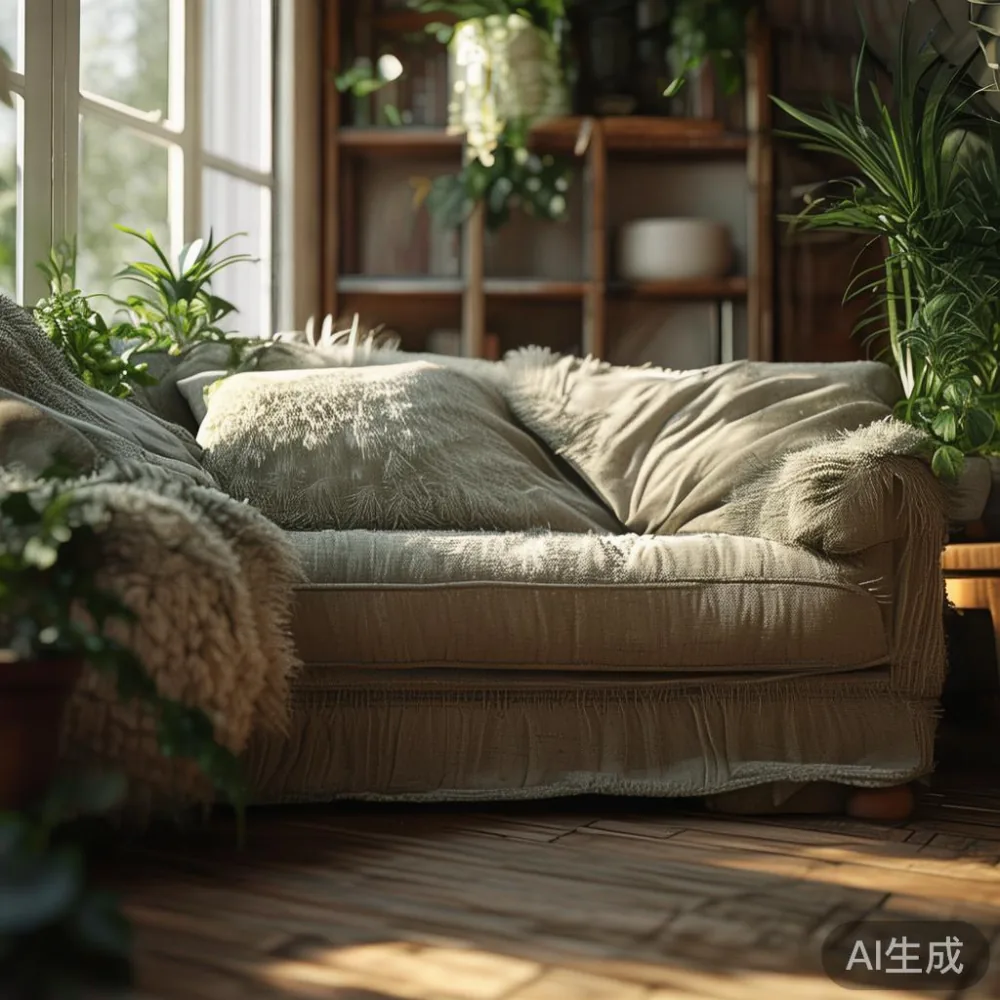
The living room sofa is often the largest piece of furniture in any home, and in a small apartment, its size and shape can make or break the room's flow. The first rule is to avoid oversized, bulky sectionals that consume an excessive amount of floor space. Instead, opt for a smaller, more refined sofa. A standard two-seater sofa is typically around 150 cm wide, while a three-seater might be 180 cm wide. For a truly small living room, even a loveseat measuring 120 cm wide can provide ample seating without overwhelming the space.
The choice of a solid wood sofa frame can be a brilliant investment for small spaces. Unlike metal or plastic frames, solid wood offers a timeless, high-quality aesthetic that feels substantial without being visually heavy. The clean lines of a well-designed wooden sofa can anchor a room elegantly. When selecting one, consider legs. A sofa with visible legs, raised at least 15 cm from the floor, allows light to pass underneath, which tricks the eye into seeing more floor space and makes the room feel less cluttered. This is a simple yet effective trick borrowed from professional interior design.
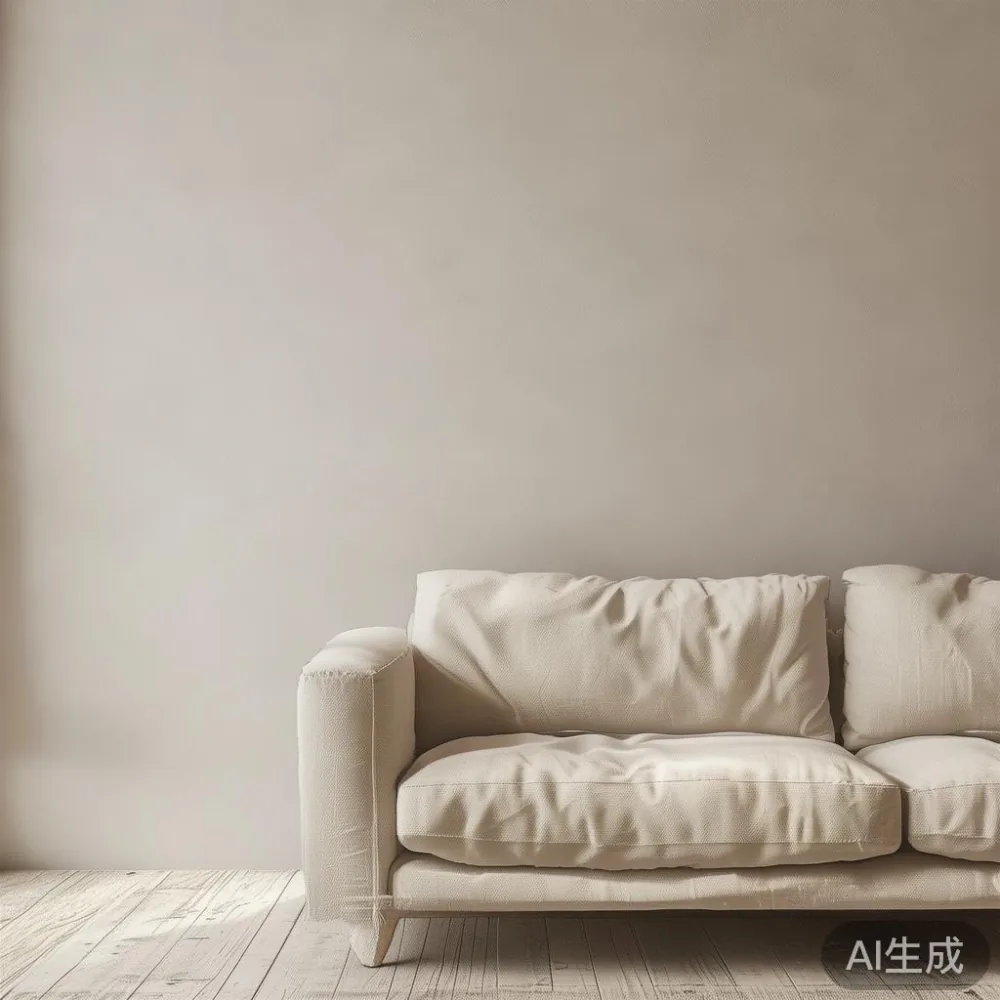
Last month, I visited a colleague's newly renovated apartment in Bedok. Her living room was only 20 square metres. She chose a low-profile, two-seater solid wood sofa with slender, tapered legs in a light oak finish. The sofa was positioned against a wall, perpendicular to the window, which created a clear path through the room. The result was a space that felt incredibly open and uncluttered, proving that a smaller, thoughtfully chosen sofa can be just as comfortable and stylish as a larger, more imposing one.
What Dining Table Options Work Best in a Narrow Kitchen or Living Area?
In many Singaporean apartments, especially older HDBs, the dining area is not a separate room but a designated zone in the living room or kitchen. This makes choosing the right dining table critical for maintaining a sense of space. A large, round table that seats eight is a non-starter. Instead, look for options that are either extendable or have a small footprint. A square table measuring 90 cm x 90 cm is a great choice for four people, as it fits neatly into a corner without protruding too far into the walkway.
For a more contemporary look, a marble table top on a slender base can create an illusion of lightness. The cool, reflective surface of marble adds a touch of light luxury while the thin legs minimise visual bulk. An extendable dining table is another excellent solution. You can use it in its smaller configuration for daily meals and expand it only when guests arrive. Many modern extendable tables can expand from 120 cm to 180 cm, offering significant flexibility without permanently taking up space.
Placement is also key. If you have a narrow corridor leading to your kitchen, ensure at least 80 cm of clear width for comfortable passage. A dining table placed perpendicular to a wall can create a more intimate dining nook, while a table placed parallel to a wall can define the space without blocking the view. The goal is to create a dedicated dining area that feels intentional and integrated, not like an afterthought that disrupts the room's flow.
Why is Fabric Care Important for Small Space Furniture?
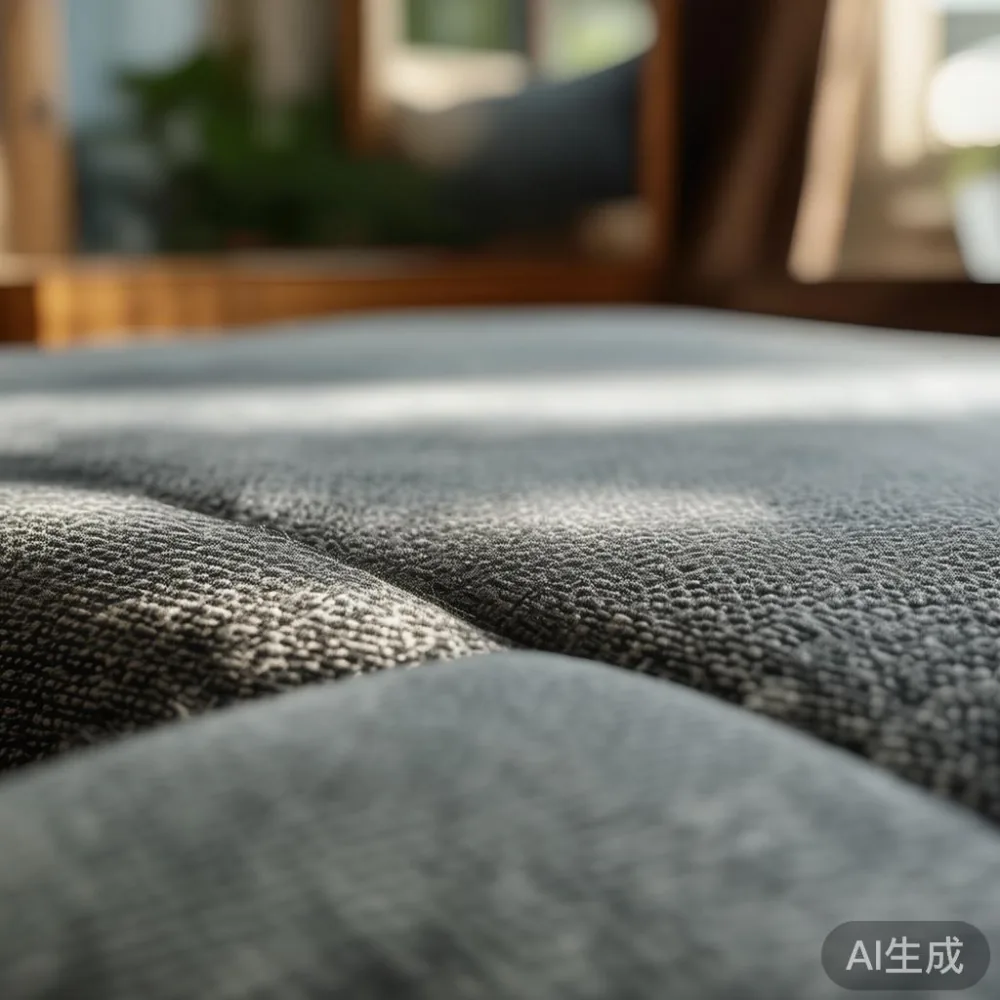
In a small apartment, every surface is visible, and every piece of furniture is under constant scrutiny. This makes the condition of your upholstery a critical element of the aesthetic. Proper fabric care is not just about keeping your sofa clean; it's about preserving its appearance, texture, and colour, ensuring it continues to contribute to a light, airy feel rather than looking worn and dated. Stains, dust, and faded fabric can make a small space feel tired and unkempt.
For a sofa in a small living room, where it might be the focal point, maintaining its fabric is paramount. Regular vacuuming with a soft brush attachment removes dust and prevents it from settling into the fibres. For spills, immediate action is required. Blot the area gently with a clean, dry cloth—never rub, as this can push the stain deeper. For deeper cleaning, always refer to the manufacturer's care instructions. Using the wrong cleaning product can permanently damage the fabric, defeating the purpose of keeping it looking fresh. Investing in a good quality fabric protector spray can also help prevent stains from setting in the first place.
This focus on upkeep extends to other fabric elements like cushions and throws. Rotating cushions regularly ensures even wear and prevents them from looking flat on one side. A well-maintained sofa and soft furnishings contribute significantly to the sense of order and quality in a small space, reinforcing the light luxury feel you're aiming for. It’s a small detail that makes a big difference.
How Can I Maximise Storage in a Small Bedroom?
p>The bedroom is a sanctuary, but in a small apartment, it can quickly become a storage battleground. The key to a serene bedroom is hiding your clutter effectively. A wardrobe with sliding doors is a fantastic option for a small bedroom. Unlike hinged doors that require clearance to swing open, sliding doors operate along a track, saving precious floor space—typically 60 to 80 cm of space that would otherwise be unusable.
Consider a wardrobe with internal organisers. Drawers for folded clothes, shoe racks, and dedicated compartments for accessories can dramatically increase the usable space within the unit. A wardrobe with a depth of 60 cm is standard, but ensure the internal hanging rod is positioned correctly to avoid wasted space at the top or bottom. For smaller items, a chest of drawers or a tallboy can provide additional storage without taking up too much floor area.
p>The placement of other bedroom furniture also matters. A bed frame with built-in drawers underneath is an excellent space-saving solution, offering a place to store linens, seasonal clothing, or spare bedding. If you prefer a simpler look, a standard bed frame raised on legs allows for under-bed storage containers to be slid in and out easily. On each side of the bed, a narrow nightstand, perhaps just 40 cm wide, provides a surface for a lamp and a book without encroaching on the limited walking space around the bed. Every piece should earn its place by offering both function and a clean, uncluttered aesthetic.
What About Lighting and Decor to Enhance the Sense of Space?
Once your core furniture is in place, lighting and decor are the finishing touches that can dramatically enhance the sense of space. Good lighting is non-negotiable. A single, harsh overhead light can create unflattering shadows and make a room feel smaller. Instead, use a layered lighting approach. Start with ambient light, like a stylish floor lamp with a fabric shade that diffuses the light softly. Add task lighting, such as a bedside lamp or a focused reading light next to a sofa.
Decor should be intentional and uncluttered. Mirrors are a classic trick for making a room feel larger, as they reflect light and create the illusion of depth. Place a large mirror opposite a window to maximise the effect. When choosing decor items, opt for a few, high-quality pieces rather than many small, cheap ones. A single, elegant vase, a piece of abstract art, or a carefully chosen sculpture can add personality without creating visual noise. The goal is to create a curated, sophisticated environment that feels calm and expansive.