Lacquered Surface Care in Singapore’s Climate
Singapore’s warmth, humidity, rain, and strong daylight can age a lacquered surface faster than many owners expect. Constant sheen does not mean constant protection: moisture can enter tiny scratches, ultraviolet light can fade pigment, and a damp cloth can leave a cloudy ring. Good fabric care starts with keeping liquids, dust, and heat away from upholstery, while lacquered timber needs its own wiping, drying, and inspection routine.
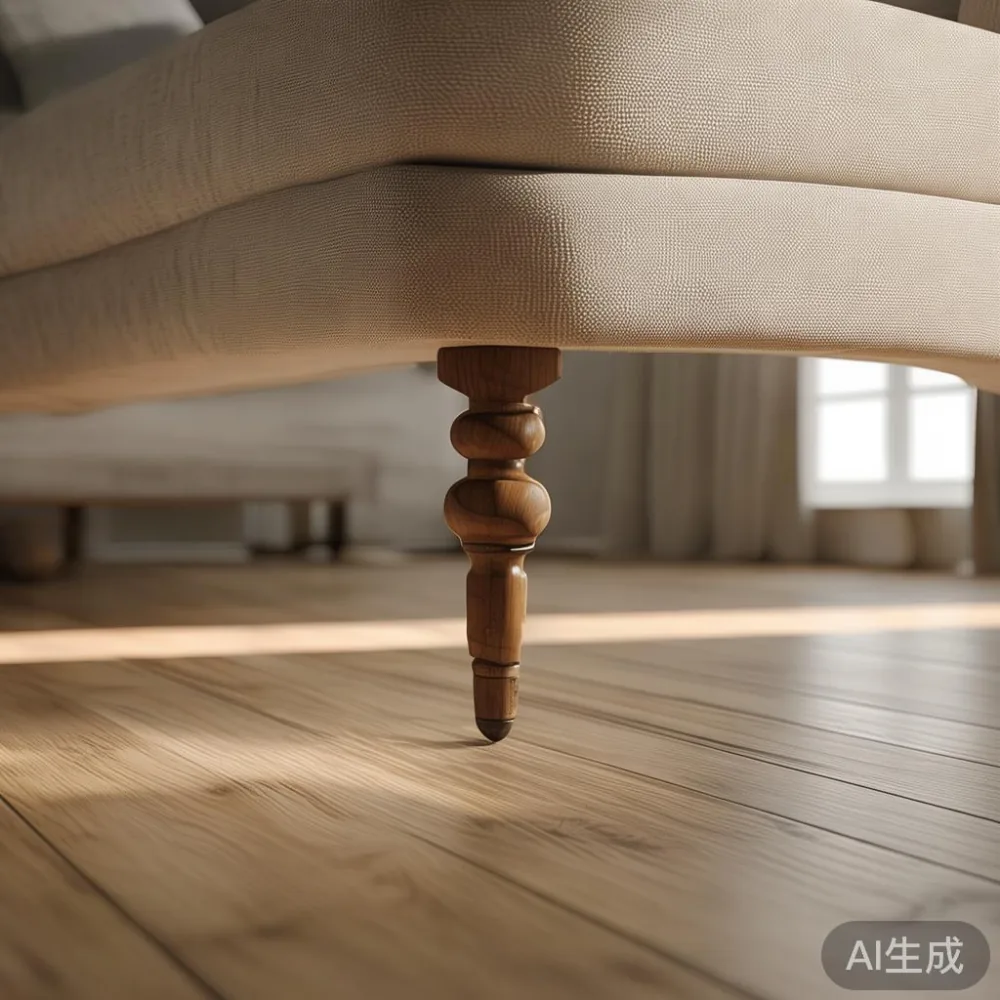
This guide focuses on lacquered solid wood furniture for Singapore homes: a solid wood sofa with fabric seating, a lacquered bed frame, a lacquered dining table, a wardrobe with lacquered doors, a lacquered nightstand, and a marble table beside a lacquered cabinet. The advice suits HDB flats and condos in Tampines, Bedok, and Punggol, where compact corridors and shared lifts make practical care especially useful.
Why does lacquer need special care in Singapore’s humidity?
High relative humidity encourages wood movement. A lacquered solid wood dining table may expand by roughly 2–4 mm across a 120 cm width as its moisture content changes. The lacquer is more stable than the timber beneath it, so repeated swelling and shrinking can eventually produce fine cracks, lifting edges, or a dull finish.
Air-conditioning helps. Keep indoor relative humidity near 50–60% where possible, and avoid leaving furniture against an exterior wall that remains damp. A hygrometer costing about SGD 18 can provide a useful reading, although the more important habit is to wipe spills promptly.
Heat and sunlight create a separate problem. Direct afternoon sun can raise a lacquered surface above 40°C, accelerating colour change and making the finish uneven. In a Tampines flat with west-facing windows, place a dining table away from the glass or use a blind that reduces direct exposure. UV-filter film can block around 90–99% of UV rays, depending on its specification.
Salt and airborne particles also matter near windows and open balconies. Fine grit can scratch lacquer when rubbed across it. Dust with a clean microfibre cloth before cleaning, and never use a dry brush on the lacquered face.
What should I use to clean a lacquered surface?
Use a soft, white microfibre cloth, a pH-neutral diluted detergent, and clean lukewarm water. Mix about 5 ml of mild dish soap with 500 ml of water, dampen the cloth, and wring it until it is only slightly moist. Wipe in the direction of the grain or along one continuous panel, then dry with a separate cloth within 2 minutes.
Keep water away from joints, veneer edges, scratches, and any furniture with integrated marble or stone. A lacquered dining table beside a marble table may collect a fine abrasive dust where the surfaces meet. Lift the small marble side table about 2 cm during cleaning, or wipe the meeting line with a separate cloth rather than sweeping grit across both materials.
For the upholstered components of a solid wood sofa, vacuum the fabric every week with a 150–200 W upholstery attachment held about 2 cm above the surface. Treat marks according to the textile code, usually “W” or “S” for water- or solvent-based cleaners. Do not assume that a cleaner safe for lacquer is also safe for fabric care; test upholstery in a hidden 5 cm by 5 cm area for 24 hours.
Avoid silicone furniture polish, abrasive pads, alcohol, acetone, nail-polish remover, ammonia, and household oil. These can strip the lacquer, leave a sticky film, or swell the finish. If the surface develops a persistent mark, use a lacquer-compatible cleaner approved by the furniture maker rather than experimenting with stronger chemicals.
How often should I wipe and inspect lacquered furniture?
Begin with a light dusting every 7 days. Follow with a damp cleaning every 2–4 weeks in a typical air-conditioned home, or every 1–2 weeks near an open balcony or in a humid corner that dries slowly. Dry lacquered surfaces immediately after mopping, and do not place a damp cloth overnight on a wardrobe or nightstand.
Inspect the finish monthly for 2–3 mm scratches, lifting at edges, bubbles, or dull patches. Look under table leaves, around handles, behind wardrobe doors, and beneath the front rail of a bed frame. Singapore’s high humidity makes small defects easier to miss because they can appear after rain rather than immediately.
Use coasters and felt pads. A coaster should be at least 8 cm by 8 cm beneath a mug, while a dining plate needs a pad around 25 cm by 25 cm. Felt pads reduce scratches but should be replaced when compressed or dirty. Lift a marble table rather than sliding it across a lacquered floor or cabinet, because its weight can bruise the lacquer or leave grinding marks.
For a lacquered wardrobe, inspect top and side edges every 3 months. For a lacquered bed frame, check the headboard and footboard before the monsoon months. Small lacquer repairs can cost around SGD 45–SGD 120 per scratch, while a refinishing service depends on the piece, its size, and the access requirements.
What should I do if a lacquered surface gets scratched or stained?
First identify whether the mark is on lacquer, fabric, marble, or a fitting. A mark that wipes away may be dust or moisture residue. A mark that feels rough needs immediate attention because grit remains trapped in the finish.
For a fresh fingerprint or water ring, use the mild detergent method and dry immediately. A nail-polish-remover stain requires professional advice because acetone can dissolve lacquer. A deep scratch that catches a fingernail may need sanding and recoating rather than a home touch-up kit.
Do not press harder or use a toothbrush on lacquer. For fabric seating, blot with a white cloth, working from the outside of the stain toward the centre. Avoid scrubbing, which can spread oil and damage the weave. Allow the upholstery to dry fully before using the solid wood sofa again.
I tested a lacquered sample panel in our workshop last month. After 14 days at 80% relative humidity, one exposed edge developed a visible 3 mm coating crack, while a sealed panel stored at 55% humidity showed no cracking. I also left a damp coffee ring on the lacquered face for 20 minutes. It came away with one pass of the diluted detergent and a dry cloth, but the same ring left on an unsealed timber sample took 2 days to disappear. That comparison reinforced the need for steady humidity control and quick wiping.
Can lacquered furniture fit into a compact Singapore home?
Yes, provided dimensions are checked before delivery. HDB lift doors are commonly around 80–90 cm wide, although building-specific measurements vary. Measure the lift car, turning space, corridor width, and the furniture’s diagonal length before ordering. A bed frame should be checked both assembled and in its packed form because a 180 cm wide model may fit diagonally through one landing but not around a tight corridor turn.
For a solid wood sofa, a 180–200 cm width can suit a living room with at least 250 cm of clear frontage, leaving 25–30 cm on each side for circulation. A lacquered dining table around 120 cm by 70 cm seats 4, while 150 cm by 80 cm usually seats 6. Keep 75–90 cm between the table edge and a wall or bed for chair movement.
Compact storage is no excuse to neglect care. A wardrobe should stand about 5 cm from a wall where the maker allows it, with air able to circulate behind the top. A nightstand needs only 40–50 cm of width beside a bed frame, but its top should not be placed against a cold condensation-prone wall.
For design references, searches for for sale Italian light luxury furniture can reveal how pale lacquer, walnut, and marble are combined. Searches for top 10 American furniture often highlight broad silhouettes and performance fabrics, while how to choose Italian light luxury sofa is useful for comparing proportions rather than copying an imported style. If your interest is lighter, more restrained interiors, searching how to style Japandi sofa in room can show a solid wood sofa with simple lines and a balanced gap around the seat.
A search for European bed vs Modern bed helps clarify carved profiles and upright forms, although both can be made with a lacquered finish. Likewise, how to style French provincial bed in apartment points towards curved headboards, soft textiles, and lighter wall colours that can work in a 3-room HDB flat.
How do I protect lacquer when moving, cleaning, and using the room?
Move furniture with enough people for its weight. A solid wood dining table weighing 55–80 kg should not be dragged by one person. Remove the marble table top if the design permits, and carry it separately in its protective covering. Before lifting a lacquered wardrobe, empty the doors and shelves; the empty unit may weigh 90–160 kg depending on its size.
Wrap lacquered corners with 5–10 mm foam and a soft blanket, never directly with adhesive tape. Secure loose panels for transit. If a furniture lift in a condo requires advance booking, confirm the service charge and reserve at least 2 delivery days ahead.
During house cleaning, move a nightstand before mopping, or place a waterproof mat beneath it. Keep a solid wood sofa at least 30 cm from an air-conditioning vent where possible; direct cold air can create repeated temperature changes, while dust from the vent settles on the fabric and requires more frequent fabric care.
Use trays for keys, cosmetics, and damp items. Keep perfume and hand sanitiser in a closed container, as repeated exposure can create permanent lacquer marks. Wipe the surface after cooking rather than waiting until evening, especially on a dining table where oil and steam settle.
For shoppers comparing design references, contact MIDHILL with the room measurements, access details, and preferred finish. MIDHILL offers a 10-year structural warranty and lifetime refinishing, which can be valuable for solid wood furniture that must adapt to humid conditions. A finished piece may take 15–30 days to produce and another 5–12 days to deliver to Singapore, depending on specifications and stock.
What is the safest 10-minute care routine?
Use this routine once a week:
Minute 1–2: Check the hygrometer and aim for 50–60% relative humidity. Open a nearby door or adjust the air-conditioner if the room is above 70%.
Minute 3–5: Vacuum the solid wood sofa and other upholstery. Hold the nozzle 2 cm above the fabric and use a low suction setting.
Minute 6–8: Dust lacquered surfaces with a clean microfibre cloth. Use separate cloths for the lacquered bed frame, wardrobe, dining table, and nightstand.
Minute 9–10: Inspect for spills, scratches, edge lifting, and damp patches. Treat any spill immediately and leave the area dry before closing a wardrobe or returning a book to a shelf.
For fabric care, blot marks instead of rubbing, vacuum weekly, and clean according to the textile label. For lacquer, use mild soap, lukewarm water, and immediate drying. For a marble table, use a stone-safe cleaner and a separate cloth, since acidic spills can dull the stone even when the adjacent lacquer remains intact.
These steps suit American light luxury, French light luxury, and post-modern light luxury interiors because disciplined care preserves clean profiles, pale tones, and carefully matched materials. They also protect the practical details that make a Singapore home comfortable: a smooth wardrobe door, a stable bed frame, a dining table without water rings, and upholstery that remains presentable after humid seasons.
With consistent wiping, controlled humidity, and prompt spill removal, a lacquered finish can retain its clarity for years. Schedule a more detailed check before the monsoon period, document any existing scratches with photographs, and contact the maker before applying an unfamiliar product. That simple discipline is far more effective than harsh chemicals or infrequent rescue cleaning.