Warm Minimal Interiors in HDB Flats: How to Match Solid Wood Furniture Without Losing the Cosy Feeling
Walk into a Tampines 4-room flat on a Sunday afternoon and you will notice something subtle: the homeowners have white walls, a beige sofa, and one solid wood dining table, yet the space feels warm instead of clinical. That is the warm minimal look — restraint in colour, generosity in material. After sixteen years of building solid wood pieces and shipping them to HDB corridors that measure 1.2 m at the lift lobby and 1.05 m inside the lift car, I have watched Singapore buyers wrestle with the same three questions: which wood tone, which fabric, which proportions fit a 90 sqm layout without looking sparse. This guide answers all three, with local measurements, SGD pricing, and fabric-care notes woven into every section because a warm minimal interior lives or dies on how the textiles age.
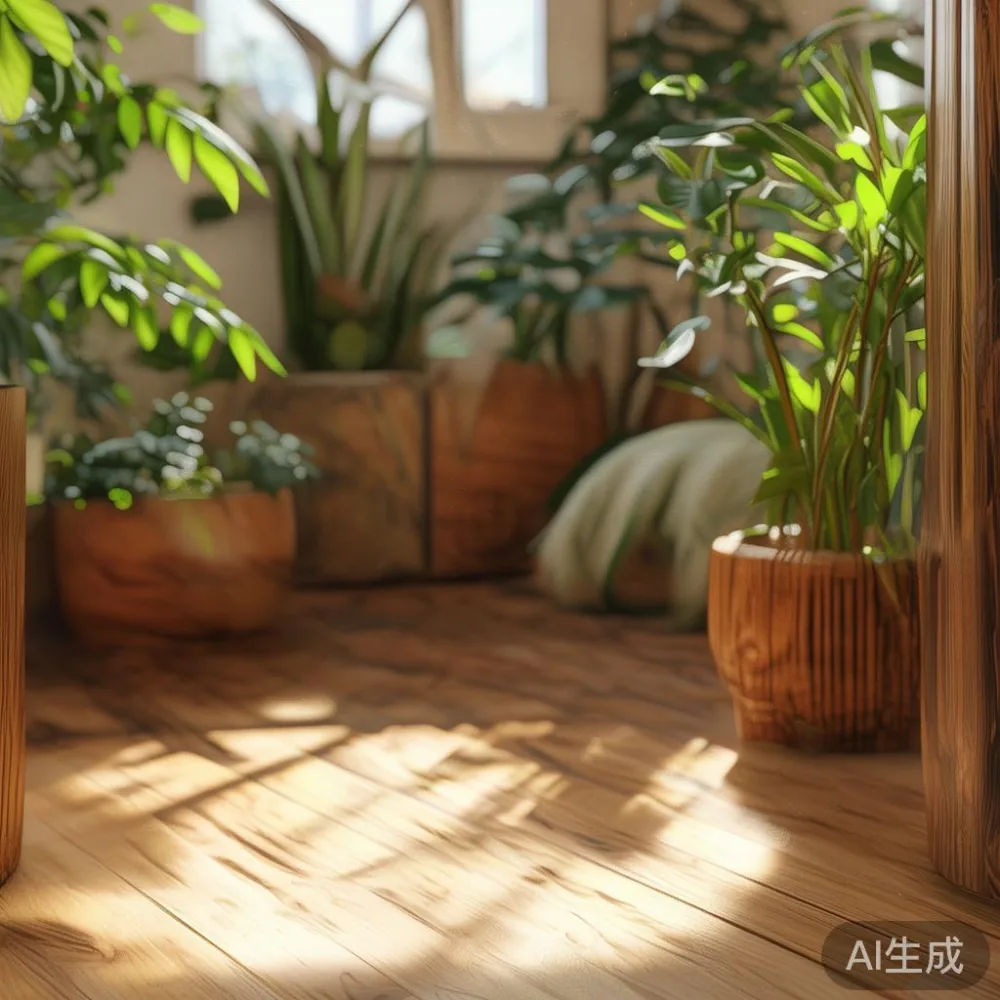
What exactly is a warm minimal interior, and why does it suit HDB flats so well?
Warm minimal is not the cold, white-gallery minimalism you see in magazine shoots. It keeps the clean lines — no skirting-board clutter, no busy cabinet handles, no more than three finishes in one room — but swaps stark white for bone, oat, sand, and clay. The walls in most newer BTOs from Punggol and Sengkang already ship in off-white (Dulux 5YY83/029 is a close match), so the warm minimal palette rarely demands a repaint. A single 2.4 m sideboard in light oak, a beige linen sofa cover, and one travertine accent table will read warmer than the same room in pure white and chrome.
For a 90 sqm HDB, the discipline matters. I visited a client in Bedok Reservoir last month whose 1.6 m solid wood dining table had been squeezed against a wall because the original 1.8 m version blocked the corridor to the kitchen. The fix was simple: we swapped to a 1.4 m table that still seated four, leaving the standard 90 cm walkway that Singapore building guidelines expect in a dining passage. Warm minimal rewards this kind of measurement-led editing.
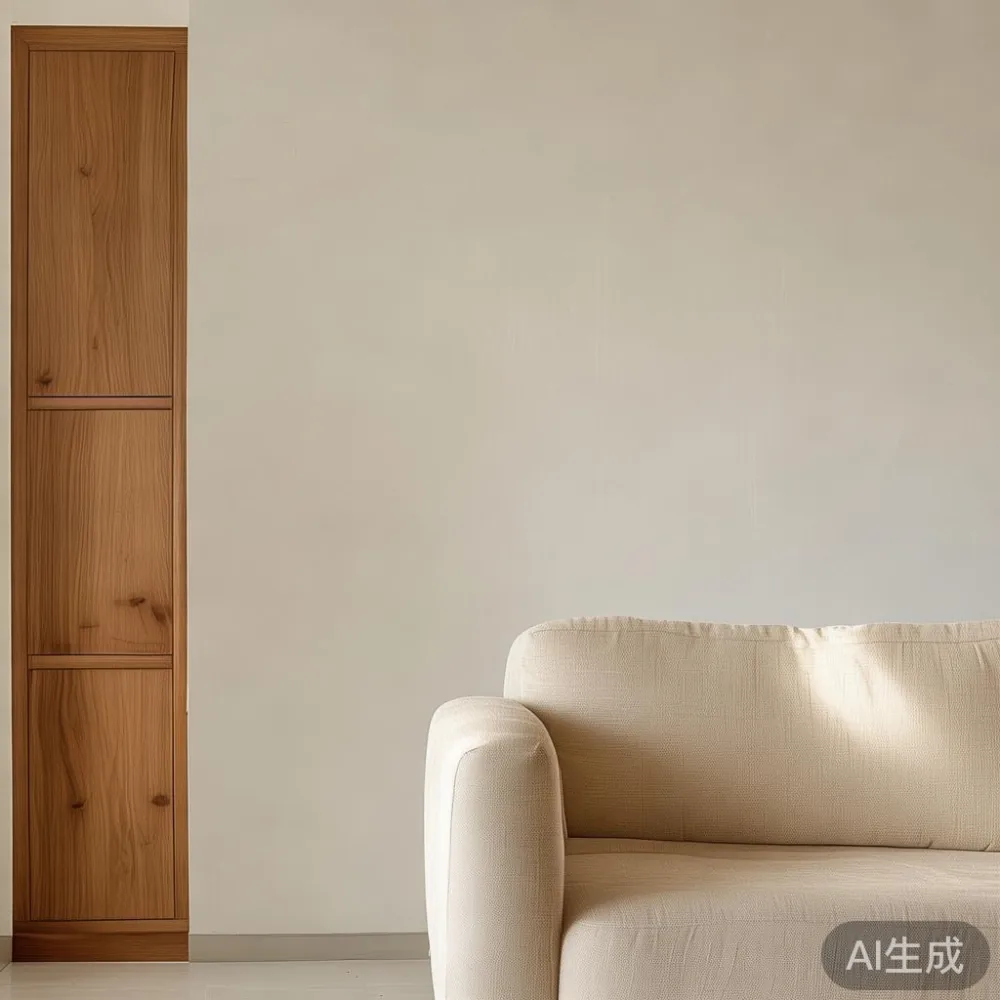
Which solid wood tone should you anchor the room with?
Two families dominate Singapore solid wood showrooms: light oak / ash (think 1800–2200 SGD per dining set) and warm walnut / teak (2400–3400 SGD). Light oak tends to disappear into the warm minimal scheme — a 1.8 m oak dining table reads as a soft beige line rather than a focal block. Walnut, by contrast, anchors the room and demands calmer fabrics around it. If your HDB has north-facing windows and afternoon sun like many Punggol units, walnut will darken further and feel cave-like; light ash with a satin oil finish keeps the room bright.
Bed frames follow the same logic. A Japanese-style low ash bed frame (around 1200–1600 SGD, mattress base sits 22 cm off the floor) pairs with linen bedding in oat and a single bouclé throw. If you want a Japandi bed in room with more presence, go walnut at 140 cm width — wide enough for couples, narrow enough to leave 60 cm walkway on either side inside a 3.2 m master bedroom.
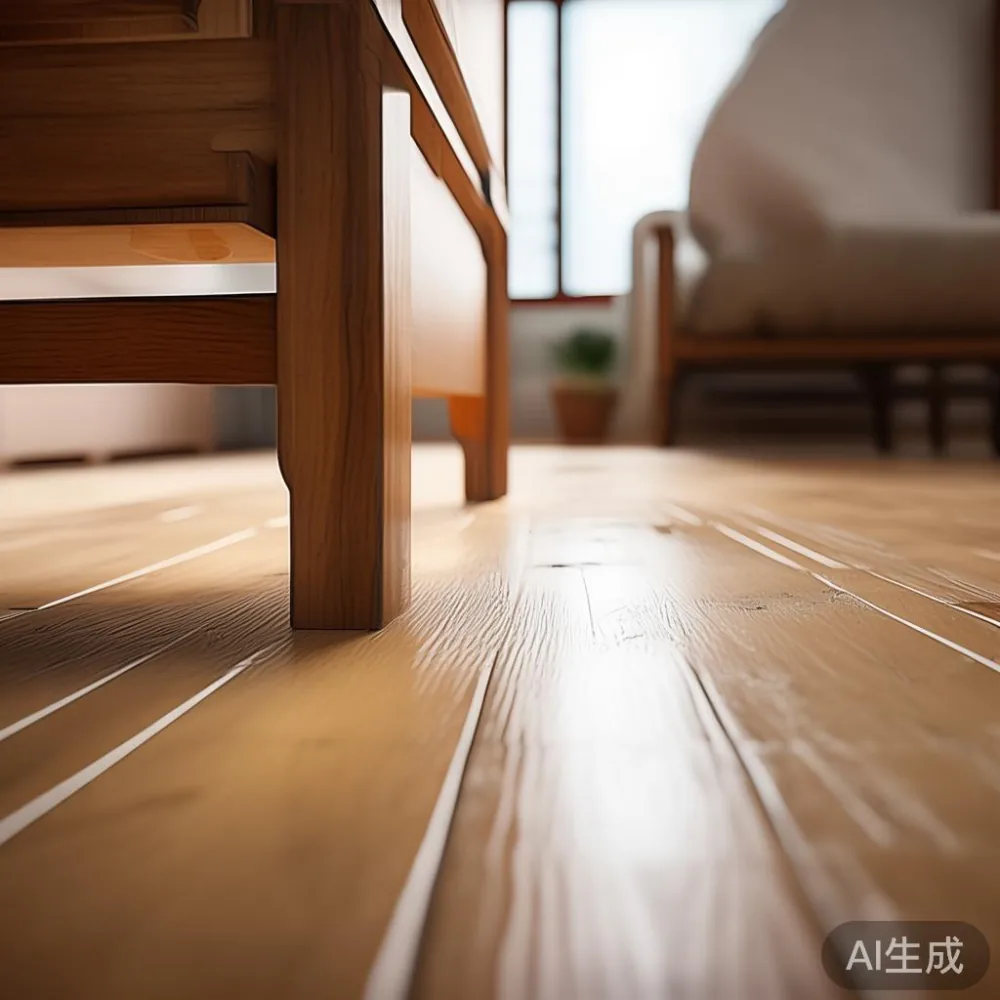
For wardrobes, the rules change. A 2.0 m × 0.6 m × 2.4 m ash wardrobe with flush push-to-open doors keeps the wall quiet. Anything deeper than 0.6 m will eat into the typical 2.8 m HDB bedroom wall, leaving less than 40 cm bedside clearance — a measurement mistake I have watched too many homeowners make in their first renovation.
How do you pick upholstery fabrics that age well in Singapore's humidity?
This is where fabric care earns its place in a furniture article. Singapore sits between 70% and 90% relative humidity for most of the year, and a 90 sqm HDB with daily air-conditioning still hovers around 60%. Linen, cotton-linen blends, and performance boucle handle this range; pure silk and untreated velvet do not. For a solid wood sofa, I test the slipcovers by breathing on them — a quick fog test tells you whether the weave breathes or seals in moisture. Good linen releases the moisture within a few seconds. Cheap polyester holds it for thirty seconds, which is how mould starts on a sofa cushion within twelve months.
Rotating cushions every fortnight, vacuuming on a low-suction setting with an upholstery tool, and avoiding direct sunlight through east-facing windows will extend cover life by two to three years. Spot-clean with pH-neutral soap (around 8 SGD for 500 ml at any Tan Chong provision shop) and lukewarm water below 30°C — hot water sets protein stains like sweat or soy sauce, a problem on light beige sofas in open-plan dining-living layouts.
If you want peace of mind on long-term care, free lifetime refinishing offered by MIDHILL covers the wood frame, while the 10-year structural warranty covers joinery. The fabric itself is the buyer's responsibility, which is why the right starting choice matters more than the aftercare.
What are the concrete measurements for fitting a warm minimal look into an HDB?
Numbers save spaces. Below is the working list I share with clients measuring up in Tampines and Bidadari showrooms before delivery day.
- Lift car: 1.05 m wide × 1.6 m deep × 2.2 m tall. Any dining table longer than 1.5 m must be flat-packed or delivered vertically with legs removed.
- Corridor turning radius: 1.8 m minimum, so L-shaped marble accent tables over 1.4 m on the long side need two delivery personnel.
- Door opening: typical HDB main door is 0.9 m × 2.1 m. A 1.8 m wardrobe panel will not pass assembled — confirm with the maker that panels come under 0.85 m wide.
- Sofa depth: keep under 95 cm for a 3-seater in a 3.0 m living room, leaving a 45 cm walkway behind the sofa to the dining zone.
- Coffee table height: 38–42 cm sits level with most sofa seat heights of 42 cm. A marble table 1.0 m × 0.6 m at 40 cm tall reads warm rather than stark because the cream vein softens the white ground.
- Nightstand width: 45–55 cm pairs with a queen bed frame 1.5 m wide, leaving a 15–20 cm gap — tight enough to feel intentional, wide enough to set down a phone and lamp.
Standard delivery for items under 1.5 m flat-packed to ground floor takes 18–25 working days from Foshan to Jurong or Changi consolidation hubs, then 3–5 days to your flat. Above the US$350 free-shipping threshold (about SGD 475 at current rates), freight is waived. Below it, expect 60–120 SGD for a single nightstand delivery. Plan a 14-day returns window for fabric and wood colour verification once the pieces arrive — natural light at different times of day will catch tone shifts that showroom bulbs hide.
Which furniture styles actually count as light luxury in a warm minimal apartment?
Light luxury is a translation of the Italian and French concept of lusso leggero: plush materials, restrained colour, refined detail. Three regional versions float through Singapore showrooms, and only one or two suit HDB proportions cleanly.
French light luxury leans into curves, brass-capped legs, and cream bouclé — a single accent chair, not the whole sofa, since bouclé traps humidity on a tropical afternoon. American light luxury swings to chocolate-brown leather and chunky walnut bases, again as accents: one leather ottoman at 1.0 m × 0.8 m gives a warm minimal room a grounding weight without darkening the whole scheme. Post-modern light luxury in this market refers to geometric silhouettes, fluted glass cabinets, and travertine — at 4800 SGD for a 1.2 m sideboard, it sits at the top of a single-room budget, so I usually recommend fluting one piece, not four.
If you are browsing for sale light luxury furniture specifically, filter by solid wood frames and ash or walnut tops rather than chasing a label. A 1.8 m ash dining table with a 4 mm stone inlay reads as light luxury without breaking a 3000 SGD budget. A marble table at the same footprint doubles the price because of shipping weight — 95 kg versus 42 kg for solid wood alone, which matters when stairs and lifts are involved.
How do you style a light luxury sofa in apartment layouts of 70–110 sqm?
The sofa is usually the largest fabric expense in the room, so its style carries the warm minimal palette. How to style light luxury sofa in apartment layouts of this size comes down to three moves: pick a depth under 95 cm, choose a slipcover fabric over a bonded leather, and limit accent cushions to two. A 2.2 m three-seater in oat linen with two 45 cm cushions in burnt sienna and stone sits well against a 2.4 m ash media console. Avoid loose blankets on top — they read as clutter in a minimal scheme and increase fabric-care load by 30%.
If the room is smaller than 75 sqm, drop the three-seater to a 1.8 m two-seater and add one accent chair. A barrel chair in cream bouclé at 75 cm wide fits the 90-degree corner between sofa and window without crowding foot traffic.
How do you pick a Japanese sofa or Japandi bed without importing from Japan?
Most pieces sold locally as Japanese sofa are low-profile ash or oak frames at 32–38 cm seat height with cotton-linen cushions. The trick is checking the cushion fill: high-resilience foam at 32 kg/m³ density holds shape for 5–7 years in Singapore humidity. Lower densities collapse within two. If you are working out how to choose Japanese sofa options specifically, ask the showroom for the foam density spec — anything under 28 kg/m³ is hospitality-grade and will sag by month eighteen.
How to style a Japandi bed in room proportions also relies on height and frame thickness. A 12 cm side rail and 22 cm floor clearance reads Japanese; a 20 cm side rail reads European country. Both work in warm minimal, but mix only one style language per room. Pair the bed with one nightstand — 45 cm wide in ash — and one ceramic table lamp, not two matching tables, to keep the asymmetric calm that defines Japandi.
How should you approach the guest room for friends and relatives during Chinese New Year?
Singapore HDBs often double the third bedroom as a guest room plus study. Treating it as Post-modern for guest room styling lets you introduce the geometric accents elsewhere in the flat without over-spending. A 1.2 m ash daybed with a 10 cm trundle drawer, one fluted glass nightstand, and a single framed line drawing covers four sleeping configurations — single, twin, day-bed lounging, and study desk — in a 9 sqm room. Keep the wardrobe to a 1.2 m open hanging rail with a curtain front rather than a full 2.0 m cabinet: at 850 SGD versus 2400 SGD, you save budget for better bedding.
Where can Singapore buyers compare these pieces before committing?
Showroom visits remain useful for testing fabric hand and wood grain under local light. I tested marble side tables at three Jurong outlets last quarter and the same batch showed very different cream tones under 4000 K versus 3000 K bulbs. Bring a 1 m strip of off-white paint chip as reference. Ordering direct from factories with consolidated freight — a path that includes makers like MIDHILL — usually trims 25–35% off showroom retail because warehouse-to-door replaces three rounds of margin. The savings cover GST on a single dining set, and the 14-day returns policy still applies once the crate is opened.
Order lead times of 18–25 working days allow a six-week buffer before any major festival, including the Hari Raya hosting window when guest rooms shift into heavy use. Plan the guest room first, then the master bedroom, then the dining area — that order matches furniture arrival with renovation schedule and avoids storage fees at self-storage units in Tuas or MacPherson, which run 120–220 SGD per month for a 2.4 m × 1.8 m locker.
What ongoing care do warm minimal pieces need after the first year?
Fabric care for warm minimal homes is gentler than for traditional layered interiors. Fewer objects means each piece gets handled more often, so cleaning intervals shrink. Vacuum the sofa weekly, rotate cushions monthly, air the mattress protector every fortnight, and wipe solid wood frames with a damp microfibre cloth — never furniture polish, which yellows oil finishes within twelve months.
Wood frames benefit from a once-yearly oil refresh, a service that lifetime refinishing covers for frames bought through the maker. Plan a 30-minute session on a Sunday morning: oil, wipe, dry, flip cushions. That single hour a year keeps a 2000 SGD ash dining table looking fresh for a decade, against a five-year fade on pieces left without maintenance.
Are light luxury pieces worth the premium for a starter HDB in Punggol or Sengkang?
Start with one light luxury anchor — usually the sofa or the dining table — and build the rest of the room around solid basics. A 1.8 m ash dining table at 1800 SGD paired with four linen-seat chairs at 220 SGD each totals 2680 SGD for the dining zone, leaving roughly 4500 SGD for the living room sofa and accent pieces. Stretching one light luxury splurge across every item dilutes the impact and turns the room into a budget showroom. Concentrate the spend, edit hard, and the warm minimal look will carry itself for years without a single renovation cycle.
One last note for anyone weighing import versus local showroom: any piece built from solid wood will move slightly with humidity. Gaps between table leaves in January and June are normal and not a defect. Knowing this saves a needless warranty claim during the second monsoon cycle.