Sofa Buying Checklist for Singaporeans
For many homeowners in Singapore, especially those working through the compact layouts of HDB flats in Tampines or the stylish corridors of Punggol condos, choosing a new sofa is a significant decision. The challenge is familiar: you find a design you love online, perhaps from a french sofa gallery photos collection, but you can't physically test its comfort. This situation is more common than you might think, and with the right approach, you can make a confident purchase without ever sitting on the showroom floor. This guide will walk you through the critical details to inspect, ensuring your new sofa fits your space, lifestyle, and budget perfectly.
Understanding Your Space: Dimensions and Logistics
The first and most practical step is to measure your available space with precision. In Singapore, where living areas can be modest, a sofa that is even a few centimetres too large can throw off the entire room's balance. Before you even start browsing, grab a measuring tape. Note the exact width, height, and depth of the area where the sofa will live. Also, measure the width of your main corridor and the lift in your apartment building. A standard Singapore HDB lift is typically 110 cm wide by 210 cm deep, while a condo lift might be slightly larger. A sofa that is 180 cm wide will fit, but one that is 220 cm wide will require a specific angle to work through the turn, a detail often overlooked.
Consider the sofa's dimensions in centimetres, not just as a vague 'large' or 'small'. A typical three-seater sofa might be 180 cm wide, 90 cm deep, and 85 cm tall. Knowing these numbers allows you to create a simple paper cutout or use masking tape on your floor to visualize its footprint. This prevents the nightmare of a beautiful sofa arriving that simply cannot be moved into your home. For those in older HDB blocks with narrower doorways, this step is non-negotiable.
What is the Fabric Composition and How Does it Relate to Fabric Care?
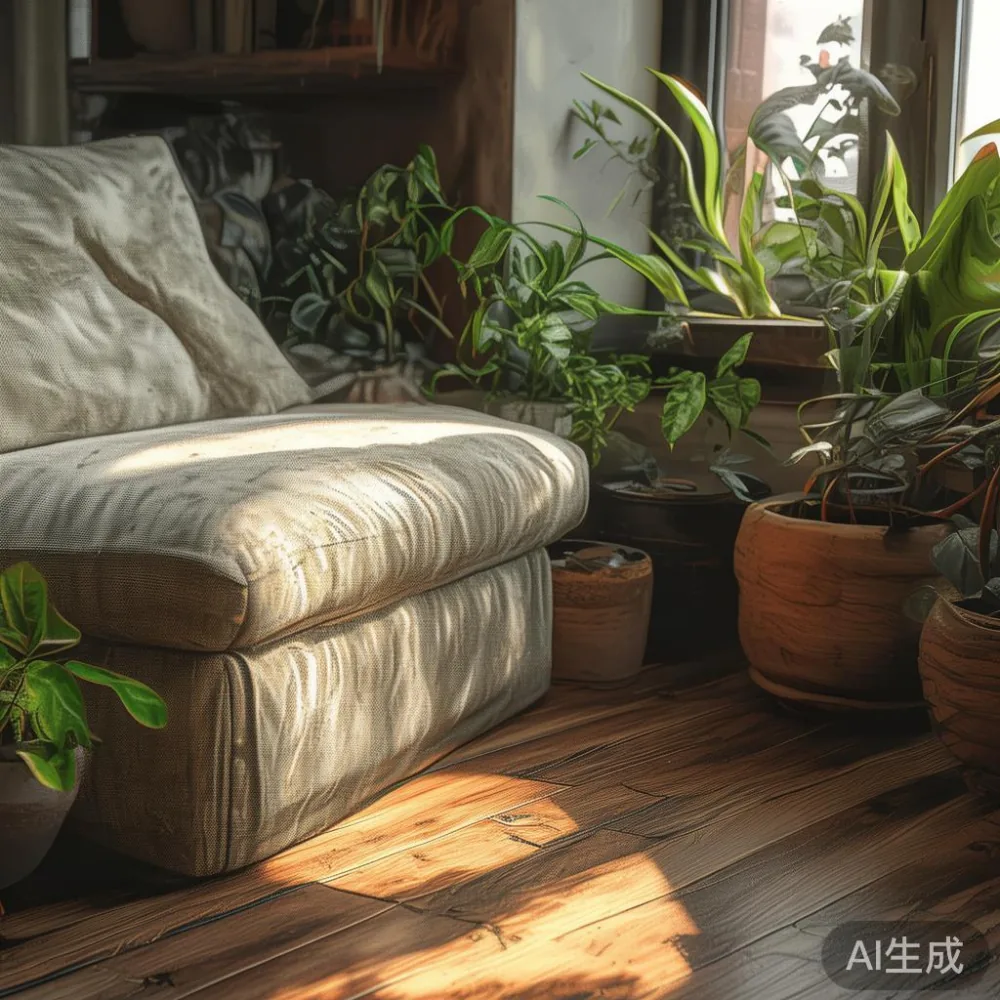
Since you cannot feel the fabric, understanding its composition is your best proxy for predicting comfort and durability. Sofa fabrics are typically blends of natural and synthetic fibres. A common blend is 80% polyester and 20% cotton. Polyester adds durability and resistance to stains, while cotton provides a soft, breathable feel. Another popular option is 100% polyester microfibre, which mimics the texture of suede but is much easier to clean. The specific blend directly impacts how you will need to care for it over the years.
This is where fabric care becomes a key consideration. A high-performance blend like 60% polyester and 40% nylon is often treated with a stain-resistant finish, making it ideal for homes with children or pets. On the other hand, a 100% linen or cotton fabric offers a beautiful, natural aesthetic but requires more diligent care to prevent wear and tear. Ask the retailer for a fabric sample card. You can examine the weave, check for colour consistency, and even test a small, hidden area with a damp cloth to see how it handles minor spills. This small act of due diligence can save you significant effort in long-term maintenance.

Frame and Construction Quality: The Hidden Foundation
A sofa's comfort is not just about the cushions; it's about the frame that supports them. A well-built sofa should have a solid wood frame, such as kiln-dried oak or beech. This type of wood is less likely to warp or crack over time compared to cheaper alternatives like particleboard or rubberwood. The frame's construction should feature corner blocks and dowel joints, not just staples and glue. These details ensure the sofa remains sturdy for years, even with daily use.
When inquiring, ask about the frame's warranty. A reputable manufacturer, like one that also produces a solid wood sofa or a bed frame, often offers a structural warranty. For instance, a 10-year structural warranty is a strong indicator of confidence in the product's build quality. This warranty covers the frame's integrity, so if a leg or arm support were to fail, you would be covered. This is a critical detail that separates a disposable piece of furniture from a long-term investment in your home.
What Kind of Sofa Fills the Void When You Can't Test It?
This is a question many online shoppers ask: how can you be sure you're getting the right level of comfort without a physical test? The answer lies in understanding the specifics of the cushioning and the sofa's intended design aesthetic. Are you looking for a plush, sink-in experience or a more firm, supportive seat? The sofa's style provides strong clues. A French light luxury sofa, for example, often features deep, soft cushions and a relaxed, inviting silhouette, perfect for creating a chic yet comfortable living space.
Conversely, an American light luxury or post-modern light luxury sofa might have a more tailored look with firmer cushions that offer excellent back support. Ask the retailer about the cushion's density, measured in kilograms per cubic metre (kg/m³). A high-density foam (around 30-35 kg/m³) will feel firmer and retain its shape longer, while a lower density (around 25 kg/m³) will feel softer and more cloud-like. By matching the sofa's described style to your desired comfort level, you can make an informed choice even without sitting on it.
Delivery, Returns, and After-Sales Support
The purchase doesn't end when you click 'buy'. Understanding the delivery and return policy is important, especially for a large item like a sofa. In Singapore, delivery times can vary. A local manufacturer might promise delivery within 7-10 business days, while an international order could take 4-6 weeks. Factor this timeline into your planning. Also, confirm the delivery cost. Many brands offer free shipping for orders above a certain value, such as SGD 1,500. Ensure the quoted price includes delivery to your specific floor, as some companies charge extra for HDB flats without a lift.
A clear return policy provides a safety net. A 14-day return window is standard, allowing you to inspect the sofa in your home. If it doesn't fit or you're not satisfied, you can return it. However, be aware that return shipping costs can be high, sometimes amounting to several hundred Singapore dollars. This is where a brand's reputation for customer service becomes important. A company that stands behind its products will make the return process as smooth as possible. For example, my colleague last month ordered a marble table and found a small, unnoticeable chip upon arrival. The company sent a replacement immediately without any hassle, which speaks volumes about their after-sales support.
Matching Your Sofa to Your Existing Furniture
A new sofa should complement your existing furniture, not clash with it. Consider the style of your other pieces. If you have a dining table with clean, modern lines and a wardrobe with a minimalist finish, a post-modern light luxury sofa with its sleek profile and geometric forms would be a natural fit. If your home features more classic elements, like a nightstand with intricate woodwork, a French light luxury sofa with its elegant curves and soft upholstery would create a harmonious look.
Think about the aesthetic you want to achieve. Are you aiming for a cohesive, unified look? Or do you prefer a more eclectic mix of styles? The key is to ensure the new sofa feels like a deliberate part of your home's design story. This is particularly relevant for those exploring different furniture styles. For instance, understanding the difference between a European light luxury bed vs French provincial bed can inform your choice of sofa, as the same design principles of elegance and comfort apply across different furniture pieces. Making these connections helps in creating a thoughtfully curated space.
How to Make an Informed Decision Without a Physical Test
So, how do you pull all this information together to make a final decision? Start by creating a shortlist of 2-3 sofas that meet your dimensional, style, and budget requirements. For each one, gather detailed information on fabric composition, frame warranty, and cushion density. Read customer reviews, but focus on comments about durability and fabric care rather than subjective feelings of comfort. Look for reviews from Singapore-based customers who can comment on delivery and assembly in a local context.
Finally, request fabric and finish samples. Having a physical sample of the fabric in your hands allows you to see how it looks in your home's lighting and how it feels against your skin. You can test its stain resistance by dropping a small amount of water on it and blotting it away. This hands-on approach with the samples bridges the gap between online shopping and in-store experience. By combining meticulous research with physical samples, you can eliminate the guesswork and choose a sofa you will love for years to come.