Cost-Effective Furniture Choices for Singapore
Choosing furniture for a Singapore HDB flat or condo often comes down to two familiar words: veneer and solid wood. Both can suit a compact Tampines home, a high-rise bedroom in Bedok, or a Punggol family unit, but their costs develop differently over 5 years. The sticker price is only the starting point. Scratches, moisture, lifting edges, refinishing, replacement parts, and disposal can shift the comparison well beyond the showroom.
This comparison treats a typical dining table, bed frame, wardrobe, nightstand, and upholstered piece as long-term household assets. Prices are expressed in SGD and include a simple Singapore delivery scenario. They are planning estimates rather than fixed quotations, since timber grade, dimensions, finish, hardware, and fabric all affect the final figure.
What is the real difference between veneer and solid wood?
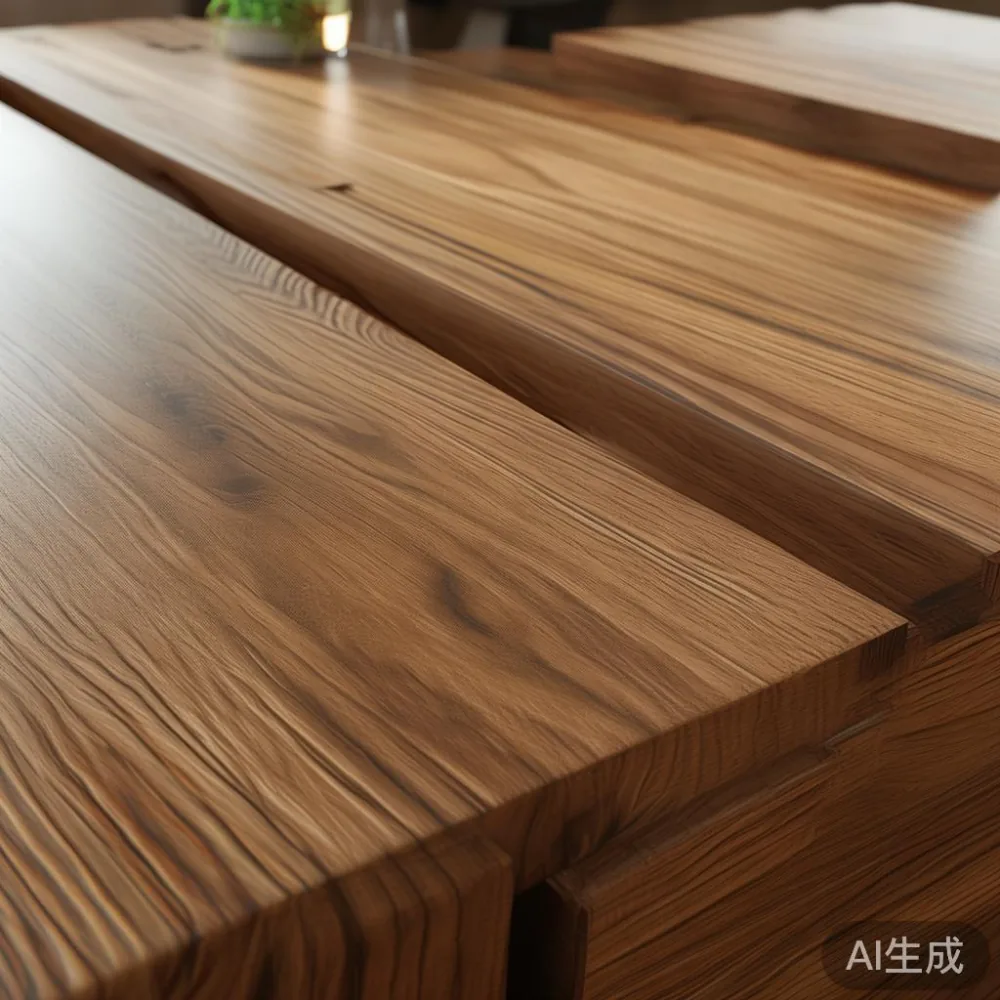
Veneer is a thin layer of timber, usually about 0.6 mm to 1.2 mm, bonded to a panel such as MDF, plywood, or particleboard. A dining table might use a veneered top 18 mm to 25 mm thick, with a core below it. Solid wood uses timber through the visible board, with parts such as a 20 mm table top, a 25 mm bed rail, or an 18 mm wardrobe panel cut from lumber.
That construction affects weight, repairability, and movement in Singapore humidity. A solid wood dining table may weigh 45 kg to 85 kg, while a comparable veneer table may weigh 28 kg to 60 kg. The difference matters when moving into a lift with a 90 cm doorway, turning through a 120 cm corridor, or carrying pieces up to a 12th-floor unit.
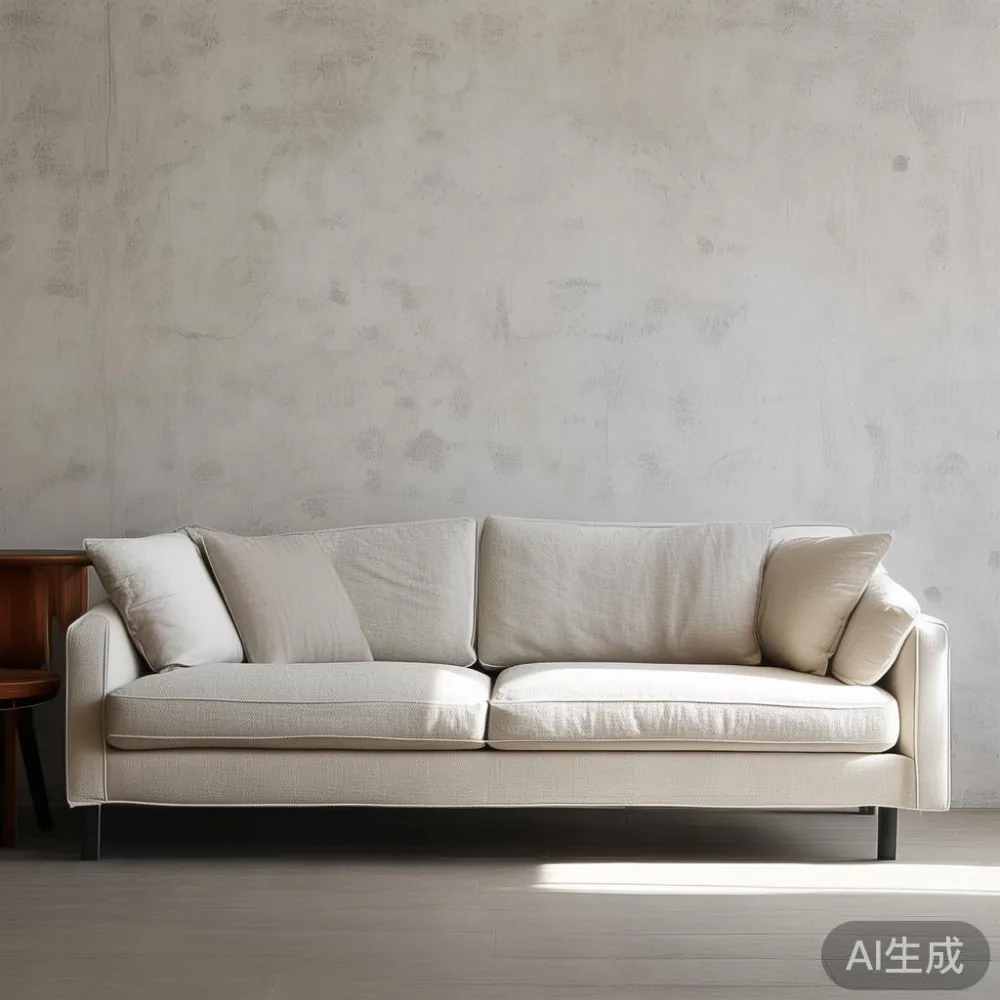
The phrases “solid wood sofa” and “solid wood bed frame” can also be ambiguous. A sofa cannot be built entirely from timber; its frame may be solid wood while cushions, covers, and padding use other materials. A bed frame can have solid wood rails and legs with a plywood or MDF headboard. Ask for a component-by-component specification rather than relying on one product label.
What does a realistic 5-year cost comparison look like?
For a family dining setup, assume a 180 cm by 90 cm table, four chairs, and delivery within Singapore. A mid-range solid wood table might begin near SGD 1,850, compared with SGD 980 for a similar veneer table. Over 5 years, allow SGD 210 for solid-wood refinishing and SGD 240 for veneer edge repair, then include labour or collection fees at SGD 80 to SGD 180 per incident.
The table below models a range rather than pretending every home has the same needs. It uses a representative solid-wood purchase of SGD 2,350 and a veneer purchase of SGD 1,280. Freight within Singapore is estimated at SGD 90 and SGD 70 respectively. The model includes one major repair in year 3, routine fabric care, and end-of-life disposal.
| Item and cost | Veneer | Solid wood |
|---|---|---|
| Initial furniture cost | SGD 1,280 | SGD 2,350 |
| Delivery to Singapore home | SGD 70 | SGD 90 |
| Fabric care and spot treatment over 60 months | SGD 70 | SGD 70 |
| One repair in year 3 | SGD 240 | SGD 210 |
| One protection or maintenance visit | SGD 120 | SGD 150 |
| End-of-life collection | SGD 140 | SGD 60 |
| Estimated 5-year cost | SGD 1,920 | SGD 2,930 |
That places the solid-wood option about SGD 1,010 higher in this scenario. It does not mean veneer is always more economical. If the veneered panel delaminates twice, or if a water spill reaches the core, one damaged table can cost SGD 500 to SGD 900 to restore. Solid wood can scratch, split, or swell, but visible marks are often easier to treat.
A useful rule is to divide the 5-year cost by the years of expected use. A SGD 2,930 table used daily for 5 years equals SGD 586 per year, or about SGD 49 per month. A SGD 1,920 table used twice weekly equals SGD 384 per year, or SGD 32 per month. The appliance should suit the household, not simply carry the higher material label.
How do Singapore conditions change the calculation?
Singapore’s outdoor humidity commonly ranges from about 74% to 89%, while air-conditioned interiors may sit near 48% to 65%. Veneer edges can open when moisture cycles weaken the adhesive. Solid timber can expand around 3% to 6% across the grain, depending on species and range. Neither material is moisture-proof, but the failure mode matters: veneer may chip along an edge; solid wood may cup or split.
For a condominium dining room beside a west-facing window, request a moisture-resistant finish and leave 10 mm to 20 mm of expansion allowance where the design allows it. Keep the table at least 30 cm from open windows and use coasters with a 10 cm diameter or larger. Mop spills within 2 minutes rather than leaving them for 20 minutes.
Upholstery adds another layer. If a dining chair has a fabric seat, fabric care includes vacuuming each week, rotating the cushion monthly, and cleaning spills with a damp cloth. Test an approved cleaner on a 10 cm by 10 cm hidden area for 24 hours. Avoid soaking the cover, which can loosen seams or cause dye migration. A removable cover can lower cleaning costs by roughly SGD 80 to SGD 160 over 5 years.
Freight also affects the balance. A disassembled wardrobe may need 4 to 6 cartons, each under 25 kg, while a solid wood bed frame may arrive in 2 cartons of 32 kg to 48 kg. Lift dimensions should be checked at least 3 days before delivery. If the lift door is 80 cm wide and the corridor turns at 90 degrees, a 92 cm solid wood wardrobe door may not clear the route.
Is a solid wood dining table cheaper after 5 years?
Not necessarily. Solid wood becomes attractive when it can be refinished, resanded, and repaired without replacing the core. MIDHILL offers lifetime refinishing on eligible solid wood furniture, which can protect value, but the saving depends on workmanship and whether the service covers the customer’s location. In Singapore, an in-home service visit may add SGD 100 to SGD 250, so confirm travel terms before booking.
Compare the cost of replacing a veneer dining table at SGD 1,200 to SGD 1,800 with the cost of refinishing a solid wood table at SGD 300 to SGD 600. If replacement occurs once during 5 years, solid wood can move ahead financially. If both remain in good condition, the cheaper purchase usually remains cheaper.
The same logic applies to a marble table. Marble is heavy, often 90 kg to 180 kg for a dining top, and its transport cost can exceed the material difference. A marble table may need specialist handling, while a solid wood dining table can be serviced more routinely. Marble also stains and chips differently; it is not automatically the premium choice for a family with children.
How do beds, wardrobes, and nightstands affect the 5-year total?
A queen bed frame is a major cost in an HDB bedroom. Assume a 152 cm by 190 cm frame with a slatted base and a 90 cm-wide upholstered headboard. A veneer bed frame may start at SGD 880, while a solid wood bed frame may start at SGD 1,480. Add SGD 80 to SGD 140 for delivery and assembly in a Singapore high-rise.
Over 5 years, budget SGD 90 for hinge and fastener checks on either option. Allow SGD 250 to SGD 500 if veneer panels lift, compared with SGD 180 to SGD 350 for solid wood scratches, joint adjustments, and refinishing. Bed slats should remain supported at intervals no more than 8 cm apart, and fabric care around the headboard should be gentle rather than saturating the timber edge.
A wardrobe has more hidden costs. A 120 cm-wide modular veneer wardrobe may cost SGD 1,350, while a solid wood version may cost SGD 2,600. Soft-close hinges can add SGD 220 to SGD 520, and custom internal fittings may add SGD 300 to SGD 900. For a narrow bedroom, sliding doors can save 60 cm to 90 cm of clearance compared with hinged doors, although they need more track maintenance.
Consider off-gassing, loading, and floor protection as measurable expenses. Give new furniture 7 days to acclimatise before loading clothes into a wardrobe. Keep electronics and damp towels away from a nightstand. For a small room, a 45 cm by 40 cm nightstand may cost SGD 260 in veneer or SGD 490 in solid wood; the solid version can support a 3 kg lamp and books more securely, but both need a 2 mm felt pad under each foot.
For design research, the comparison between a French sofa vs Italian light luxury sofa often centers on timber framing, silhouette, and upholstery rather than timber alone. Likewise, how to choose French bed involves checking joint construction, slat spacing, and headboard stability. Buyers searching under 2000 Coastal furniture should note that “Coastal” describes a visual direction, not a guarantee of solid wood construction.
How should I choose between veneer and solid wood for my home?
Start with the room’s use. A low-traffic study in a Punggol condo may suit veneer because the surface experiences fewer spills and impacts. A dining table used every evening deserves a stable top with repairable edges, especially if children are around. A bed frame and wardrobe benefit from sturdy joinery and hardware that can be replaced, while the visible panels still depend on personal budget and appearance.
Check the construction in person or through clear drawings. For veneer, ask for the substrate, veneer thickness, edge banding, and adhesive type. For solid wood, ask for species, moisture range, joint type, and finish thickness. A finish of 0.3 mm to 0.8 mm may be common, but the exact figure should be stated. For furniture under warranty, obtain written terms covering 10 years of structural coverage and what counts as a structural failure.
My colleague tested a veneered side table and a solid wood bedside table during a supplier visit last month. The veneered sample reached a surface temperature of 31°C after a 45-minute hot-mug test, while the solid wood sample reached 29°C. More importantly, the veneer edge lifted slightly after repeated damp-cloth treatment. The solid piece kept its profile but showed a 12 cm scratch that could be filled and refinished. That experience reinforced the point: material category matters less than the quality of the build and the care given to it.
Singapore consumers often search top 10 American furniture for scale and solid timber references, though imported delivery can take 14 to 45 days. A local or regional maker with a shorter lead time may reduce freight and replacement risk. Check whether returns are accepted within 14 days, whether packaging is reusable, and whether a replacement part can arrive within 7 days.
How much should I set aside for fabric care and maintenance?
Create a 5-year maintenance fund of roughly 3% to 5% of the furniture value. For a SGD 2,350 solid wood dining set, that means about SGD 70 to SGD 118 per year. For a SGD 880 veneer bed frame, allow SGD 30 to SGD 45 annually. This fund can cover professional fabric care, oiling, refinishing, hinge adjustment, and one minor repair without sudden household spending.
Vacuum upholstered surfaces every 7 days, rotate cushions every 30 days, and treat a fresh stain within 10 minutes. Keep pets off fabric seating where possible, or use a washable throw sized 140 cm by 200 cm. For a solid wood sofa, check that the frame joints remain tight every 6 months and that seat covers can be removed. For veneer seating, protect the edges from direct contact with belts, buckles, and pet claws.
Light-luxury design can work with either material. French light luxury often relies on refined upholstery, curved profiles, and pale timber tones. Post-modern light luxury can pair clean lines with warmer solid wood grain. American light luxury tends toward generous proportions and durable, repairable frames. The correct choice is the one whose maintenance routine fits your household, not the one with the most fashionable label.
For a guest room, Vintage for guest room searches may surface solid oak or walnut-look veneer. A real solid wood nightstand can carry a vintage appearance more convincingly because small marks can be renewed, but careful sourcing and a realistic maintenance budget remain necessary.
Which option offers better long-term value in Singapore?
Veneer usually wins on the initial purchase and can offer excellent appearance for less money. Solid wood usually wins on repairability and longevity when it is properly made, maintained, and refinished. Over 60 months, the difference may be SGD 600 to SGD 1,800 for a dining set, SGD 350 to SGD 900 for a bed frame, and SGD 500 to SGD 1,400 for a wardrobe, depending on use and repair frequency.
Choose veneer for controlled, lower-impact spaces where appearance and budget dominate. Choose solid wood for daily-use pieces, heirloom-style furniture, and homes prepared for periodic maintenance. In either case, measure the route from the loading point to the room, confirm the delivery window in days, and record the finish and fabric care instructions on the same day the furniture arrives.
MIDHILL’s 10-year structural warranty, lifetime refinishing option, 14-day returns, and free shipping over US$350 give Singapore buyers a practical framework for comparing lifetime cost, though GST, local freight, and service visits should still be confirmed. A 5-year budget should reflect not only what the furniture costs on delivery day, but also how gracefully it responds to heat, humidity, accidents, and daily family life.