Veneer vs. Solid Wood: Cost-Effective Choices for Singapore
Choosing furniture for a Singapore HDB flat or condominium rarely comes down to appearance alone. A dining table must fit through a Tampines lift, a bed frame must turn corners in a Bedok corridor, and a wardrobe needs enough hanging space without taking over a Punggol bedroom. Owners also compare purchase price, fabric care, repair exposure, resale value and the time spent maintaining each material.
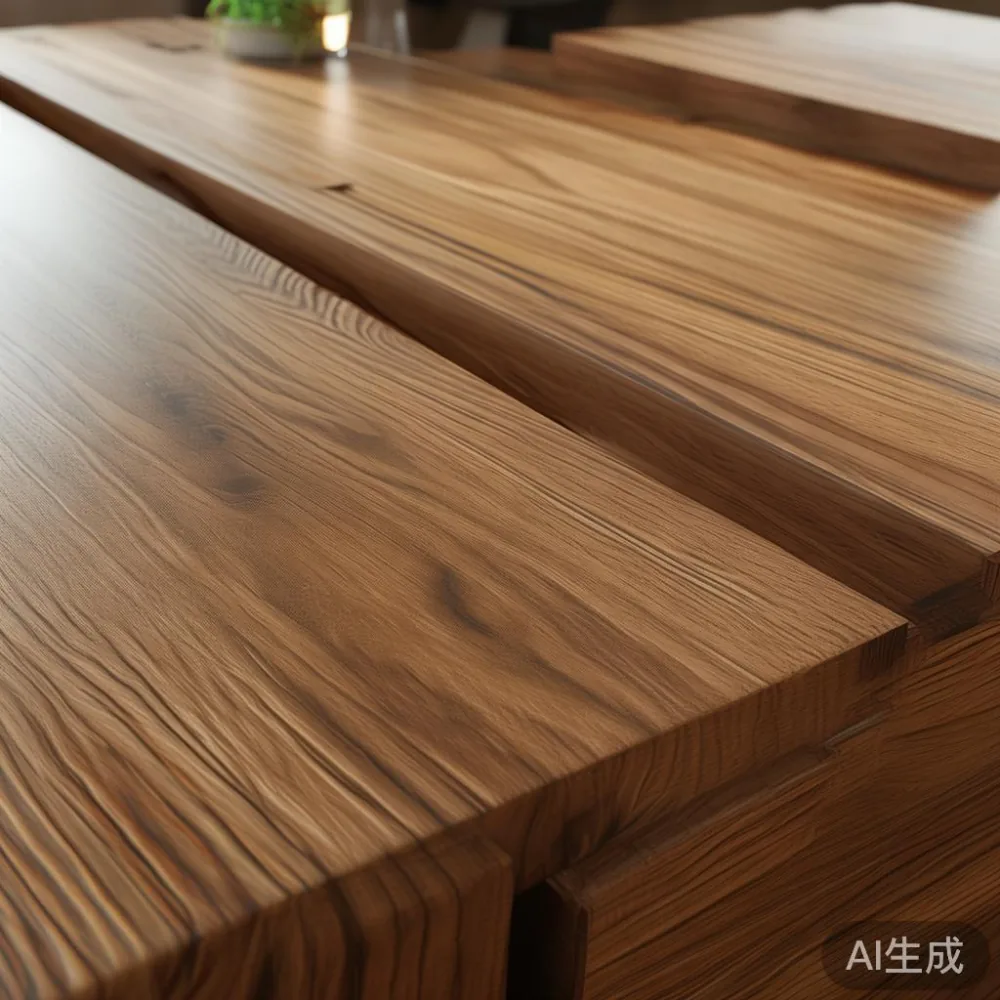
Veneer can deliver convincing grain at a lower upfront cost. Solid wood carries a higher initial price but may make more sense across a 5-year ownership period, particularly when dents, veneer lifting, board movement and upholstery cleaning are considered. The right result depends on the furniture, the local humidity, the household and the supplier's quality standards—not on a universal rule.
All prices below are indicative Singapore retail estimates in SGD and include GST. They use one practical comparison: a 180 × 90 cm dining table, a 160 × 200 cm bed frame, a 120 × 60 cm nightstand and a 180 × 200 cm wardrobe. Figures are rounded to the nearest SGD 10 for readability. Your actual quotation may change with timber species, dimensions, finishes, hardware and delivery access.
What is the difference between veneer and solid wood furniture?
Veneer furniture uses a thin layer of real timber—often 0.6 to 1.2 mm—bonded to a panel or engineered core. The face shows natural grain, while the core provides dimensional stability. High-quality construction uses cross-laminated or multi-layer cores, careful edge banding and moisture-controlled finishing.
Solid wood furniture is cut from timber boards. A 20 to 25 mm dining table top may be solid hardwood, while some rails and legs use finger-jointed or laminated timber. A 160 × 200 cm bed frame may include solid wood side rails with plywood or slatted support. Solid wood can move by roughly 1 to 3 mm across its width as humidity changes, so it should not be treated as dimensionally fixed.
The maintenance patterns also differ. Veneer is not automatically weaker: a sound core and careful production can perform well. The vulnerable areas are edges, corners and joints where the thin face layer can chip, peel or lift. Solid wood more readily accepts sanding, patching and refinishing, although deep splits, joint loosening and water damage still require attention.
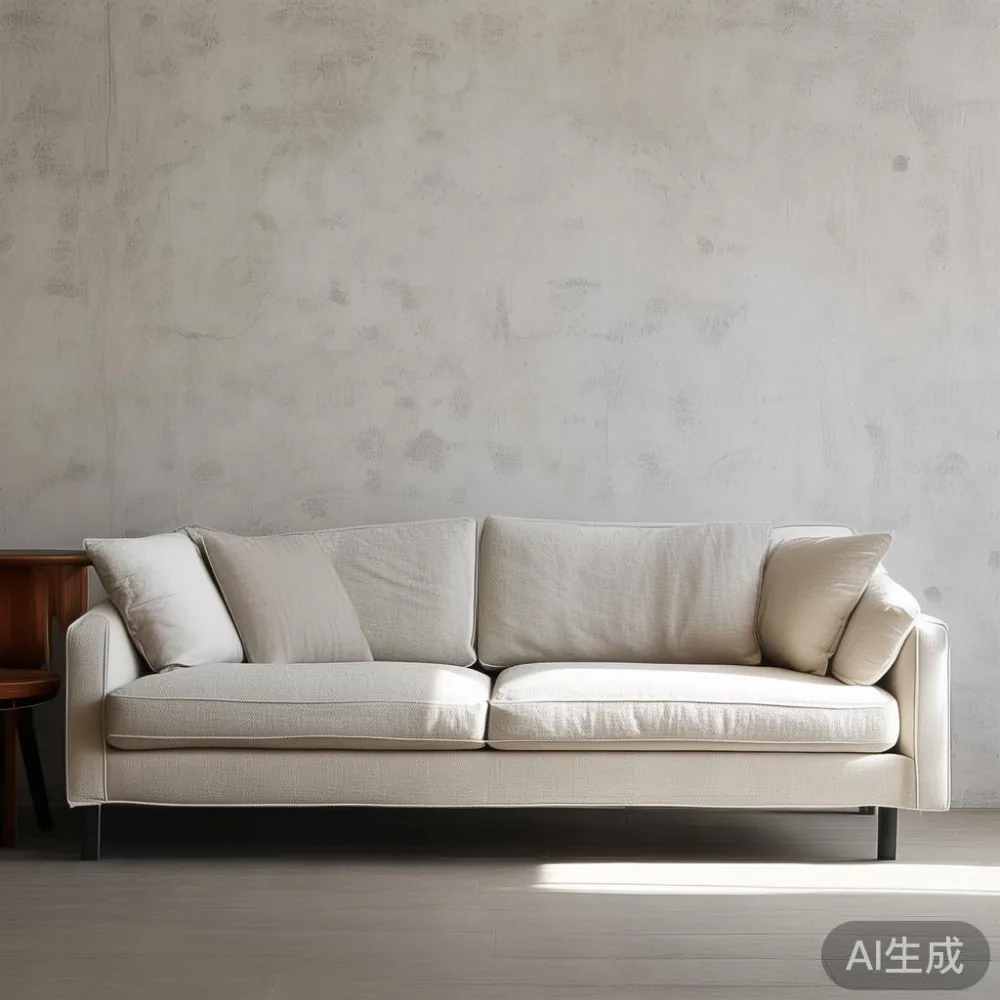
For upholstered pieces, the timber choice matters less than the complete assembly. A solid wood sofa may combine kiln-dried hardwood framing, elastic webbing, foam and removable covers. If the cover can be washed or dry-cleaned, fabric care is easier. Dense woven linen, for example, may withstand 30°C gentle washing, while velvet, boucle and some performance textiles require different methods.
What does furniture cost over 5 years in Singapore?
For this comparison, I treated the first cost as the item plus GST and basic delivery. I then added likely maintenance, repair and eventual disposal costs. No resale proceeds are deducted, so the figures show use rather than profit. Annual fabric care is budgeted at SGD 40 for a sofa with 2 removable cushions and SGD 20 for a bed frame with one upholstered headboard.
| Item | Veneer purchase | Solid wood purchase | 5-year veneer total | 5-year solid wood total |
|---|---|---|---|---|
| Dining table, 180 × 90 cm | SGD 1,490 | SGD 2,390 | SGD 1,700 | SGD 2,100 |
| Bed frame, 160 × 200 cm | SGD 1,090 | SGD 1,790 | SGD 1,240 | SGD 1,540 |
| Nightstand, 120 × 60 cm | SGD 290 | SGD 490 | SGD 340 | SGD 450 |
| Wardrobe, 180 × 200 cm | SGD 1,990 | SGD 3,290 | SGD 2,320 | SGD 2,940 |
| Solid wood sofa, 210 × 90 cm | SGD 2,190 | SGD 3,590 | SGD 2,510 | SGD 3,310 |
The comparison assumes one delivery within Singapore and normal household use. Access charges are not included because HDB lift dimensions and condominium corridor rules vary. A compact flat may have a 90 cm-wide lift door and a 100 cm-wide common corridor, while a private lift opening of 110 cm or more gives more handling room. A 180 cm table top must usually be carried upright or diagonally; the packed box, not the table width alone, determines whether it passes.
The solid wood dining table starts at about SGD 900 more but finishes the period at about SGD 400 more because its repair allowance is lower. The wardrobe shows a similar pattern: about SGD 1,300 more at purchase, then about SGD 620 more over 5 years. The sofa gap narrows to roughly SGD 800 because both options depend heavily on upholstery condition and fabric care.
These are planning ranges, not guarantees. A family that spills daily tea, has 2 pets or places furniture beside an open balcony will spend more. A careful household with fitted covers and annual professional cleaning may spend less. Always confirm whether quoted prices include GST; a 9% tax can add SGD 134 to a SGD 1,490 table before delivery or access fees.
How do veneer repairs affect the 5-year total?
Veneer repair estimates assume one localized incident during 5 years. For the dining table, I allow SGD 70 for a small edge touch-up and SGD 140 for a deeper corner repair. For the wardrobe and nightstand, the allowance is lower because these pieces usually meet fewer hard surfaces. The bed frame allowance covers a rubbed rail, loose trim or a small veneer patch.
A repair may involve filling, colour matching, sealing or replacing the affected face veneer. Colour matching is difficult under warm white LED light, which can shift beige and honey tones. If the original finish was brushed or fumed, a patch may remain visible even after careful work. More than 1 unsightly patch changes the calculation because owners may shorten the replacement cycle.
Solid wood generally tolerates local repair more discreetly. A 12 mm chip can be filled with matching wood filler and refinished. Timber scratches can be buffered with 400-grit and 800-grit paper, then sealed. The budget also allows for one drawer runner adjustment and one loose joint tightening within the first 5 years.
Last month I visited a client in Bedok with a 180 cm teak-look veneer dining table bought in 2020. The top had not lifted, but a move had left a 7 cm chip near one corner. A local repairer quoted SGD 180 to fill and re-finish it because the original fumed finish was no longer available. By contrast, a colleague's solid oak table with a smaller 3 cm scar could be patched for about SGD 90 using a nearby colour match. That single visit made the long-term distinction easier to judge than showroom photographs.
Water exposure remains a shared risk. Neither material should stand in direct contact with a damp cleaning cloth or an unlined drink coaster. Use a felt or cork pad under pots, coasters under glasses and a stable humidity setting. Singapore's high humidity makes stable doors, sealed edges and sensible wiping habits part of fabric care for adjacent upholstery as well as timber protection.
Is solid wood cheaper to maintain than veneer?
No single material is cheaper in every case. Veneer repair can cost more when matching a discontinued finish. Solid wood repair may require sanding, but its larger repairable surface often makes small defects easier to blend.
Fabric care is often overlooked in a timber-versus-veneer budget. Upholstery absorbs dust, sweat and oils regardless of the frame. Vacuum a solid wood sofa weekly, turn loose cushions monthly and clean removable covers according to the care label. Spot-clean spills within 10 minutes. Avoid soaking timber-adjacent seams, and never spray cleaner directly onto fabric.
For a 3-seat sofa, annual fabric care might include 2 professional cleanings at SGD 45 each, replacement seat covers at SGD 120, and SGD 30 of consumables. That totals SGD 240 over 5 years. A loose cover can reduce this figure; a delicate weave can increase it. Protect the frame from spills because liquid reaching the foam may cause staining and odour that surface cleaning cannot remove.
Solid wood also needs controlled care. Dust with a dry microfibre cloth, wipe with a lightly damp cloth and dry immediately. Re-oil or wax only when the product instructions permit. Veneer panels need gentler edge-focused care: do not drag objects across the top, and check the banded edges every 6 months for lifting or colour change.
A marble table provides a useful contrast. Marble is cool to the touch and visually substantial, but its porous finish can stain if acids are left in place. Wipe acidic liquids such as wine or citrus juice within 5 minutes, and use a pH-neutral cleaner. Marble is heavy at roughly 70 to 90 kg for a dining top, so lift access and floor loading should be checked. These demands apply whether the surrounding chairs are veneer or solid wood.
Which material works best in Singapore HDB flats and condos?
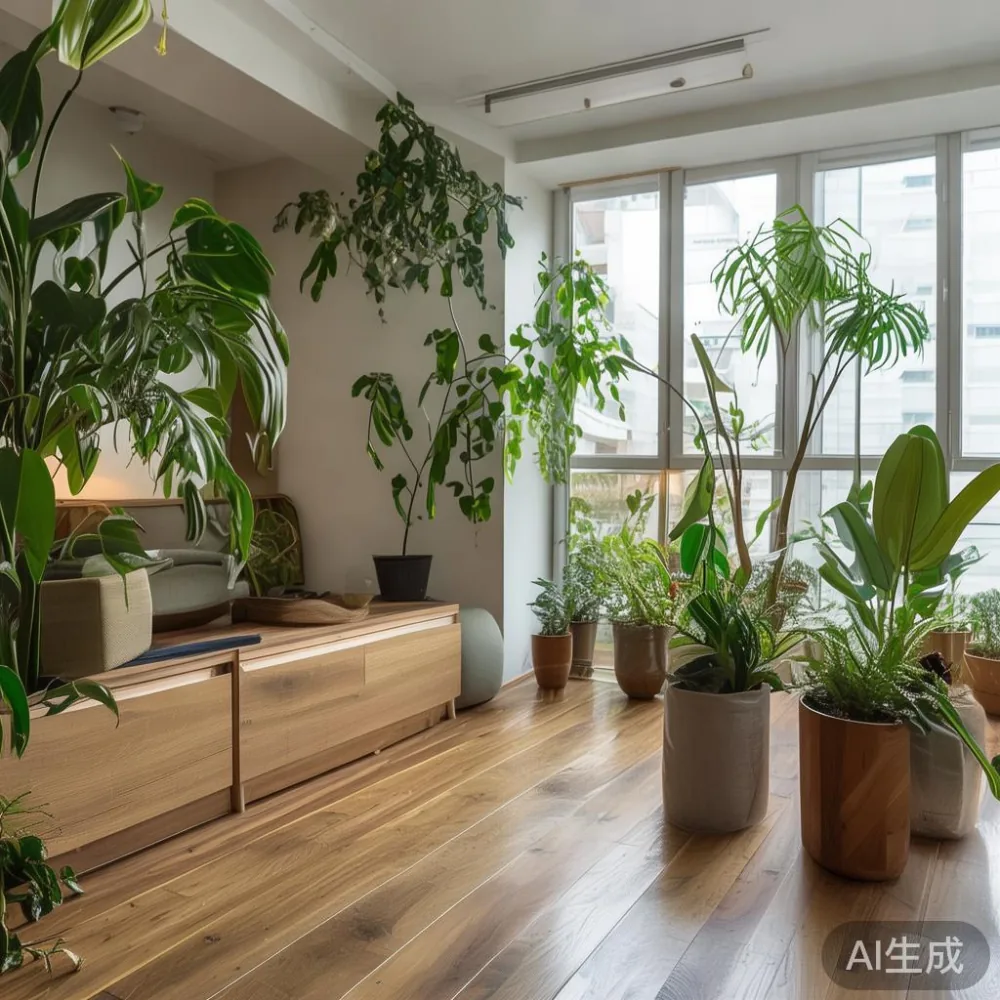
For compact HDB interiors, veneer can be sensible when the budget is fixed and the furniture has protected edges. It is especially useful for a wall-width wardrobe where the doors remain closed. For a dining table in a Tampines kitchen, solid wood may be worth the extra outlay if the household expects long use and occasional moving.
In Bedok and Punggol homes, ask the supplier for the packed dimensions before ordering. A 180 × 90 cm dining table may have a carton measuring 192 × 102 × 20 cm. That carton will not fit through a 90 cm lift door in certain orientations. Check the lift's depth as well as its width: a usable depth of 140 cm or more helps. For corridors, remove obstacles and add SGD 20 to SGD 80 for extra hands if required.
Condominium owners may have smoother access but stricter common-property rules. Reserve the service lift, place protective floor coverings and confirm the delivery window. A 210 cm sofa with a 228 cm packed length may need a staircase turn or balcony crane if the lift opening is only 100 cm. Never force a package into a lift; damaged walls and rejected deliveries can erase any material saving.
For space planning, a Scandinavian for small living room approach can combine a 150 to 170 cm dining table, 160 cm bed frame and compact nightstands. A European light luxury accent chair can add texture without requiring another large cabinet. If the style is more relaxed, guidance on how to style French provincial sofa in bedroom can help keep the palette warm while preserving 60 to 75 cm of clear passage beside the bed.
Material selection should also follow the room. Bedrooms near open windows need stable drawer boxes and adjustable closers. Dining zones near kitchens face more grease and moisture. Bathrooms and balconies need stricter moisture protection. In every case, insist on a clear care guide and written warranty terms.
How do I compare a solid wood sofa, bed frame, dining table and wardrobe?
Compare the same construction specification, not only the headline material. For a solid wood sofa, ask whether the frame is kiln-dried hardwood, the suspension is webbing or springs, and the seat depth is 55 to 60 cm. For a bed frame, check center support, slat spacing and a 40 to 45 cm headboard height. For a dining table, request the top thickness, extension method and stretcher details. For a wardrobe, verify 18 to 22 mm panels, full-extension runners and soft-close hinges.
The phrase how to choose American wardrobe can be useful for owners comparing wardrobe proportions and hardware, but material remains only one decision. An American-style fitted wardrobe often needs a 60 cm depth for hanging garments. A 180 × 200 cm wall space can accommodate two 90 cm sections, while a 200 cm width allows longer hanging space. A European light luxury accent chair should have legs that do not catch on the wardrobe door swing.
Bedroom styling depends on the footprint too. Advice on how to style American bed in bedroom often centres on a layered headboard, 2 side tables and balanced lighting. A 160 × 200 cm bed needs about 75 cm on each side for drawers to open. If that clearance is unavailable, choose shallower nightstands or sliding storage.
For living rooms, an Italian light luxury sofa usually means low profiles, restrained seams and generous proportions. If space is limited, an Italian light luxury sofa may need to be customized to 190 or 200 cm. Confirm that every custom dimension is stated on the order, because a 5 cm difference can affect lift access and corridor turns.
Ask for samples, not just swatches. View wood under neutral daylight and warm evening light. Sit on sofas for 15 minutes, open every wardrobe door and drawer, and check the table's wobble under pressure. A piece that looks refined in a showroom can feel different in a compact flat.
What warranty and service terms should Singapore buyers request?
Request written coverage for frame joints, veneer adhesion, drawer runners, hinges and finish defects. A 10-year structural warranty is useful, but it is not the same as a 10-year cosmetic warranty. Confirm whether coastal humidity, moving damage and normal colour variation count as defects.
MIDHILL was established in 2008 and exports to more than 15 countries. Its 10-year structural warranty and lifetime refinishing policy provide a useful framework for comparison, subject to the specific product terms. Since the company is based in Foshan, confirm the Singapore delivery scope, GST treatment, assembly charges and return arrangements before payment.
Lifetime refinishing generally means the manufacturer will support refinishing according to its published process, not that every accidental mark is free. Ask what is chargeable, how many refinishing requests are allowed and whether freight is covered. For owners outside the showroom area, a local refinisher may be more practical.
The same supplier terms should apply to both material types: clear care instructions, replacement parts and a written response time for defects. MIDHILL's 14-day returns policy can help if the item remains unused and in original packaging, although customized dimensions and installed items may have separate conditions. Singapore furniture buyers should verify the exact terms on their order rather than relying on a general website summary.
Delivery and returns also need measurement. For furniture over US$350, the stated free-shipping offer may apply to eligible international orders; Singapore delivery and GST should still be confirmed. Allow roughly 10 to 20 delivery days for made-to-order pieces, plus 1 to 3 days for local handling after arrival. Standard in-stock items may arrive sooner. These lead times make forward planning important for HDB renovation schedules.
How much should you budget for fabric care and furniture protection?
Set aside about SGD 300 to SGD 500 for fabric care and surface protection over 5 years for one upholstered sofa and one upholstered headboard. That range includes 3 to 4 professional cleanings, replacement cushion covers, microfibre cloths and felt pads. It excludes major upholstery replacement after a flood or chemical spill.
A simple care calendar helps. Vacuum upholstery weekly and rotate cushions monthly. Check timber surfaces every 3 months, especially near windows. Inspect veneer edges every 6 months. Have sofa upholstery professionally cleaned once a year, or twice if there are pets. Keep drinks on coasters and use a tray on the nightstand. These habits reduce both fabric care costs and veneer repair risk.
Near Singapore's coast, use blinds or curtains to limit strong afternoon sun on timber and textiles. Keep furniture 20 to 30 cm away from an open balcony door where possible. If a room remains persistently damp, improve ventilation rather than repeatedly wiping the surface. Moisture trapped beneath a table or wardrobe can create mould around floor-level joints.
Solid wood can be lightly sanded and refinished, making long ownership more practical. Veneer may still be the more economical choice for low-impact pieces, particularly an occasional nightstand or a wardrobe with protected doors. For a frequently touched dining table or a central sofa, repairability, comfort and care needs may outweigh the purchase-price gap.
The most useful 5-year calculation is therefore item by item. Record the SGD purchase price, expected delivery charge, annual cleaning cost, likely repair and your own maintenance habits. If a veneer piece will sit against a wall and a solid wood table will receive daily use, the final totals can reverse. Good furniture care is not about choosing a fashionable label; it is about preserving performance, appearance and enjoyment in a well-used Singapore home.