Fabric Care: What Actually Drives the Price of Solid Wood Furniture?
Solid wood furniture can range from SGD 680 for a modest nightstand to more than SGD 8,000 for a finely finished bed frame, yet the visible differences do not always match the invoice. The real price drivers are the timber species, grade and thickness of the boards, joinery, hardware, finish, design complexity, and the amount of skilled labour required before a piece leaves the factory.

That matters in Singapore, where HDB flats, Tampines and Bedok condominiums, and new Punggol homes often have narrow lift doors, compact corridors, and limited storage. You may need a wardrobe that fits within 120 cm, a dining table that seats 6 without blocking a 90 cm walkway, or a bed frame that can be carried through a 78 cm lift opening. Price is therefore not simply a measure of appearance. It also reflects material efficiency, assembly choices, and whether a design can survive Singapore’s humidity and frequent daily use.
At MIDHILL, a solid wood dining table, bed frame, wardrobe, or nightstand should be judged against measurable specifications rather than vague luxury claims. A 10-year structural warranty, lifetime refinishing support, and 14-day returns can reduce uncertainty, while free shipping on orders over US$350 simplifies the purchase. However, the savings and service conditions do not replace the need to understand what is inside the furniture.

What determines the price of a solid wood furniture piece?
Wood accounts for a large portion of the price, but “solid wood” describes construction rather than a single grade. A drawer side made from 15 mm solid rubberwood may cost less than a tabletop made from 25 mm European oak. More expensive boards may also be kiln-dried to about 8–12% moisture content, graded for colour consistency, and cut with less waste. Those processes improve stability, but they do not make every timber suitable for every application.
Tree species create the first price spread. Rubberwood, mango wood, and acacia are practical options for solid wood nightstands and dining tables. Oak gives a defined grain and substantial visual weight; walnut has darker colour and often higher yield costs; teak is valued for durability in humid conditions. Imported timber also carries freight, insurance, customs, and warehousing charges. A dense hardwood board may weigh 18 kg per square metre at 20 mm thickness, affecting both delivery efficiency and shipping cost.
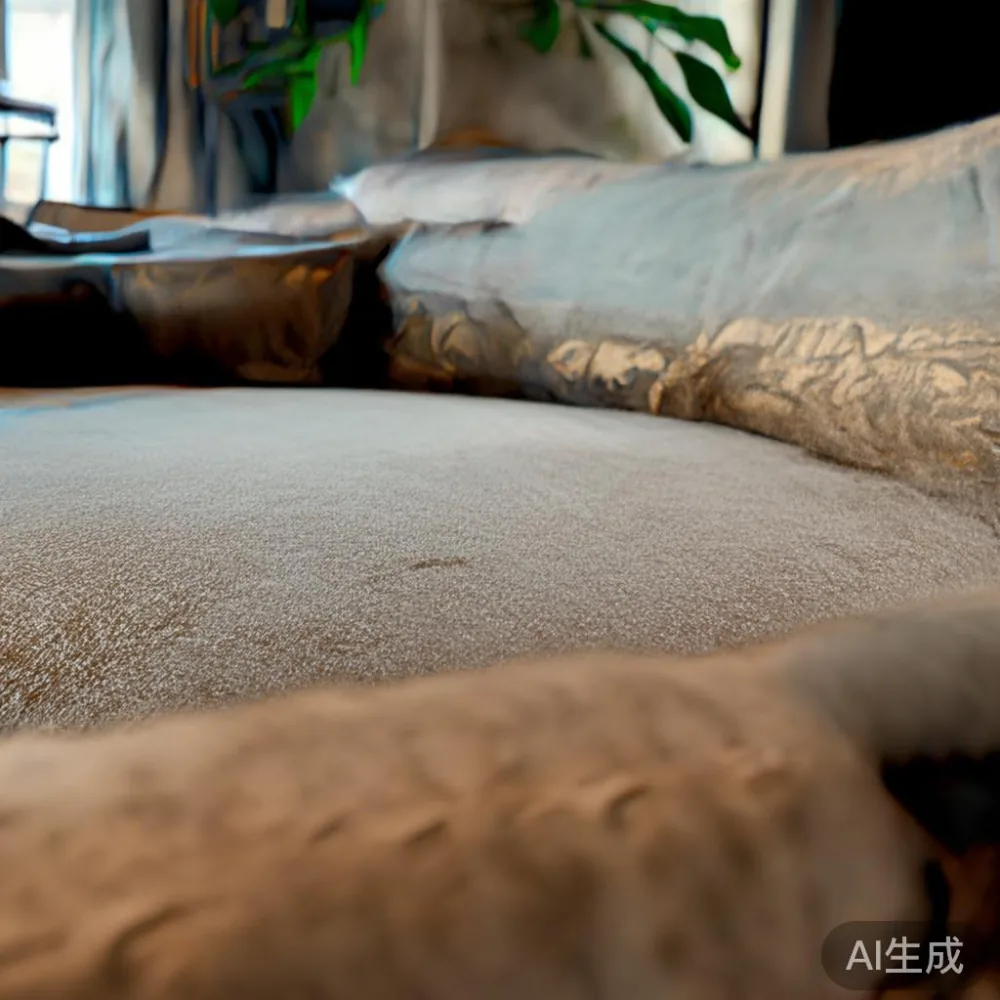
Grade is equally important. Select-grade timber is normally chosen for cleaner grain, smaller knots, and better matching across a wardrobe or dining table. Lower grades remain usable when knots are structurally acceptable and the appearance is intentional. A rustic finish may conceal natural variation, while a pale French light luxury scheme often demands more selective material. Ask for board thickness, species, moisture treatment, and a sample rather than accepting “premium wood” as a specification.
Joinery and structural design drive price beyond the timber itself. A dining table with a 220 cm top may use a mortise-and-tenon apron, finger joints, or bolts and brackets. Bed frames need sound rails, centre supports, and secure joints because repeated movement stresses the structure. Drawers need dovetails, slides, and stops that prevent sagging. A wardrobe requires aligned doors, adjustable shelves, and hardware that remains accurate after years of opening. More complex construction takes more machine time, more hand fitting, and more quality checks.
Does solid wood automatically make a sofa more expensive?
No. A solid wood sofa combines a timber frame with cushions, springs or webbing, upholstery, and labour. The frame may represent only 20–35% of the total retail price. A 220 cm three-seat sofa can cost SGD 3,200 with a basic internal suspension and a specific woven cover, compared with SGD 5,800 when it uses layered foam, better spring support, hand-finished seams, and a higher-grade textile.
This is where fabric care becomes relevant. The cover specification should include the fibre content, abrasion resistance, removable cushion covers, cleaning code, and expected pilling behaviour. A tightly woven polyester blend may handle daily family use more easily than delicate linen. If someone searches for the best European light luxury sofa for 2026, the frame is only one part of the evaluation. Seat depth, arm width, suspension, cover treatment, and repairability influence both the price and the sofa’s useful life.
Colour also affects cost. A custom fabric may add SGD 250–SGD 900 per sofa, while a wider fabric programme can add more because the manufacturer must buy larger quantities or change cutting patterns. Performance finishes can improve stain resistance, although care instructions still matter. Vacuum a fabric sofa weekly, lift loose cushions monthly, and blot spills immediately. Test hidden cleaning methods first, and avoid saturating foam or timber joints.
French light luxury often uses pale upholstery, restrained profiles, and tactile textiles. American light luxury tends toward deeper cushions, broad silhouettes, and substantial-looking frames. Post-modern light luxury may pair clean lines with warmer timber or unusual proportions. Labels describe styling, but frame dimensions and construction reveal whether the price has a practical basis.
Is a marble table worth the extra cost?
A marble table can be worth paying for when the material, support, and intended use are appropriate. The question is French bed worth it? applies more directly to timber beds, but the same principle applies to a marble dining table: durability comes from the whole construction, not from one prestigious surface.
Natural marble varies in thickness, veining, and strength. A 12 mm top may weigh 34 kg for a 120 cm round table, while a 20 mm slab can reach 57 kg. That weight adds freight and installation demands. For a HDB flat, a 90 cm lift door and turning corridor may make a 100–120 cm marble table difficult to move upstairs even if it arrived intact.
The price can include a resin-reinforced or structurally engineered base, edge sealing, template matching, and careful packaging. Marble scratches, chips, and develops stains if acidic liquids remain on the surface. Sealers can slow absorption, but they do not create a maintenance-free surface. Use coasters, wipe spills within 10 minutes, and avoid abrasive cleaners.
A solid oak dining table may be heavier than a small marble design but easier to repair: minor surface marks can be sanded and refinished. Marble usually needs specialist work. The right comparison is not simply marble versus wood; it is initial price plus maintenance, delivery constraints, repair access, and expected years of use.
What should I pay for beds, wardrobes, and other large pieces?
For a bed frame, the price reflects timber thickness, headboard design, slat spacing, centre support, joints, and finish. A queen bed with a 35 mm slat system, supportive centre legs, and a 20 mm frame may retail around SGD 1,900–SGD 3,200 in Singapore. A more decorative headboard, concealed storage, or upholstered panel can add SGD 700–SGD 2,000. The frame should support the mattress correctly; an unsupported decorative frame may look impressive but fail sooner.
Wardrobes are priced by cubic volume and working hardware. A 180 cm-wide, 210 cm-high wardrobe with 6 doors may cost SGD 2,600–SGD 5,500. Adjustable shelves, soft-close hinges, drawers, internal lighting, and modular interiors can raise that figure. Measure the bay and allow at least 5 cm for installation tolerances, 2 cm for door swing where relevant, and room for skirting boards. In a narrow Tampines bedroom, a 150 cm wide wardrobe may offer more usable internal space than an oversized 200 cm unit.
A nightstand usually ranges from SGD 280–SGD 900. Check drawer movement, backboard construction, and whether the top is veneered, laminated, or solid timber. MIDHILL coffee table is a useful example of why construction must be compared directly: a 110 cm model with a 25 mm top, stable base, and finished underside may justify more than a visually similar table with a thinner top and basic fixings.
For those comparing supply options, MIDHILL coffee table wholesale enquiries should request the same specification sheet as retail buyers: timber species, dimensions, moisture range, finish, carton size, and 10-year structural coverage. Wholesale pricing without technical clarity can be misleading once freight, GST, and local delivery are added.
How much should finish, hardware, and delivery affect the price?
Finish is sometimes treated as a minor detail, even though it can change a piece’s appearance and maintenance needs. An oil or wax finish may enhance grain and allow local refinishing, while lacquer can offer a more uniform surface and easier wiping. Hard-wax oil, water-based coating, stains, and hand-rubbed colour all carry different labour and material costs. A matte, pre-coloured finish may also conceal less than natural oil.
Hardware should be specified by function and cycle rating. A frequently opened wardrobe may use hinges tested for 80,000 or more cycles, while a less demanding drawer can use simpler slides. Sofa suspension and upholstery are different again: foam density, feather wrapping, webbing spacing, and stitching affect comfort before the timber frame is considered. A 10-year structural warranty can be meaningful, but customers should confirm whether it covers joints and frame components, how claims are assessed, and whether accidental or moisture damage is excluded.
Delivery is a real price driver because solid wood is heavy and easily damaged. A king-size bed frame may require 2–3 cartons and a 2-person delivery crew in Singapore. A dining table can need a 3-person crew if stairs or tight turns are involved. Allow 7–14 delivery days for production and scheduling, with extra time for custom dimensions or seasonal congestion. Lift dimensions should be checked before ordering; common HDB lift openings are around 80–90 cm wide, and some condominium corridors are only 100–120 cm wide.
GST also needs a place in the budget. For a taxable Singapore sale, the displayed price before GST becomes SGD 2,120 when a SGD 2,000 subtotal receives 6% GST. The final payable amount should include GST, delivery charges, and any accessorial fees in writing. This prevents a seemingly affordable solid wood dining table from becoming unexpectedly expensive after checkout.
How do I compare two similar-looking solid wood dining tables?
Compare them as engineered products, not photographs. Ask for the outside dimensions and usable seating dimensions, top thickness, timber species, board construction, base profile, joint type, finish, and warranty. A 200 cm dining table seating 6 may use three 60 cm place settings, but personal space and serving movement still matter. In a compact flat, a 160–180 cm table may work better despite costing less per centimetre.
Rustic for dining room searches often surface appealing grain, but rustic styling does not guarantee strong joints or good moisture control. Check the legs, apron, underside, and fastener placement. For French light luxury, pale oak or ash tones and clean detailing can justify a higher grade, yet the finish should be described precisely. “Natural oak” might mean clear oil, while “limed oak” may involve pigments and extra processing.
Last month I visited a supplier’s showroom and compared two nearly identical dining tables. One had 22 mm tops, mortise-and-tenon aprons, and recessed steel fasteners; the other had 18 mm tops and surface-fixed hardware. The finished tops looked similar, but the heavier joints and cleaner underside justified roughly a 20% price difference. That visit made one lesson clear: hidden construction often explains more of the invoice than the visible face.
Compare total cost and service over a 10-year period. MIDHILL’s lifetime refinishing policy can make a repairable piece more economical over time, especially for dining tables and bed frames, while the 14-day return window gives buyers time to assess dimensions and finish in their own rooms.
How to style a European light luxury sofa in a bedroom?
How to style European light luxury sofa in bedroom is mainly a question of scale and visual balance. A 190–210 cm sofa is common, but it should leave at least 70 cm of clear passage beside the bed and should not block a HDB window. In a 10 m² studio bedroom, a 165–180 cm loveseat may create a more usable arrangement.
Coordinate the timber tone with the bed frame, then vary texture rather than matching everything. Pale oak with oatmeal linen, walnut with warm grey fabric, and teak with cream upholstery can all work. Keep cushions to 3–5 groups and use a 45–60 cm rug to define the sitting area. A fabric sofa should not be placed against a wall that collects moisture or directly beneath an open window during heavy rain.
For wardrobes, the best Italian light luxury wardrobe for 2026 may be described through details such as hand-matched grain, slim profiles, soft-close hardware, and flexible interiors. “Italian” can refer to design influence, manufacturing location, or material sourcing; each requires evidence. Ask which one it means, and compare dimensions with local clearances. A 220 cm unit may suit a 260 cm bedroom wall, while leaving only 20 cm for a bedside cabinet and insufficient space to open a door.
Finally, care decisions affect value. Fabric care should follow the textile code, not advice copied from another product. Rotate cushions, keep pets off delicate upholstery where possible, and schedule a professional clean every 12–24 months depending on use. For timber, wipe moisture promptly, keep indoor humidity around 40–60%, and avoid placing a cold glass directly against a warm wood surface for more than 20 minutes. Consistent fabric care and timber care preserve appearance and reduce the likelihood of premature replacement.
What is a fair price for solid wood furniture?
A fair price supports measurable construction, appropriate materials, reliable service, and logistics that suit your home. A simple nightstand needs less labour than a six-door wardrobe; a sofa with layered comfort systems needs different expertise from a dining table with a reinforced top. Value lies in the specification that will still matter after 5–10 years.
Before paying, request a written quotation showing product dimensions, timber, finish, hardware, delivery days, GST, access charges, return terms, and warranty coverage. Compare those terms with similar products rather than comparing catalogue numbers. If a seller cannot explain why one table costs SGD 1,900 and another SGD 3,400, the difference may be marketing rather than construction.
Singapore buyers should also measure before confirming. Photograph lift doors and corridors, verify turning space, and add 5–10 cm to the quoted product dimensions when planning a route. For custom work, allow roughly 21–35 days, compared with 7–14 days for standard items. A carefully checked order can produce better long-term value than an inexpensive piece that must be returned, modified, or repaired.