Lacquered Furniture Care: Tropical Climate Tips
Singapore’s warmth and humidity make lacquer care more demanding than it is in temperate places. A lacquered solid wood sofa, bed frame, dining table, wardrobe, or nightstand may look immaculate on delivery day, yet repeated dampness, UV exposure, salt from perspiration, and trapped grit can cause haze, blooming, peeling, or swelling. Good fabric care starts with recognising that the coated wood and any textile used around it need slightly different routines.
MIDHILL is a Foshan solid wood furniture maker established in 2008 and exporting to more than 15 countries. Its pieces carry a 10-year structural warranty, with lifetime refinishing available, and an understanding of export furniture that must withstand varied climates. In Singapore, however, a warranty does not replace sensible daily care: air circulation, prompt spill removal, and controlled cleaning protect both appearance and longevity.
Why does lacquer behave differently in Singapore’s humidity?
Lacquer is not an impermeable shell in every practical sense. While a sound lacquer film can resist ordinary marks, its long-term appearance depends on the timber underneath, the coating thickness, the preparation process, and the environment. Tropical conditions can bring relative humidity above 80% for extended periods, especially at night or during the wet season. Warm air holds more moisture, and that moisture can enter exposed timber through grain lines or small defects in an edge seal.
In a typical HDB flat, a dining table may sit near an open kitchen or an air-con vent. In a Tampines or Bedok condo, a wardrobe might receive strong west-facing afternoon sun. These placements can create local cycles of heat and condensation rather than steady room conditions. A useful target is around 45–65% relative humidity, with surfaces kept at least 30 cm away from windows, radiators, air-con outlets, and damp masonry.
Wood movement is normal. A 180 cm solid wood dining table may expand by roughly 3–6 mm across its width as humidity changes, depending on the species and finish. Lacquer can appear cloudy when moisture enters a porous surface or when a film has degraded. Blisters, fine cracks, and lifting along joints are warning signs that the immediate cause should be checked before polishing.
Do not confuse lacquer failure with ordinary dust haze. Dust that wipes away with a dry cloth suggests a surface-cleaning issue. A mark that spreads, smells strongly, feels sticky, or lifts under a fingernail needs professional assessment. A gentle test patch of about 5 cm by 5 cm should always be made before using a new product on a visible panel.
How often should I clean a lacquered surface?
Light dust should be removed every 7 days, while a more thorough wipe is sensible every 2–4 weeks. Immediately after eating, wipe a dining table with a soft, slightly damp cloth rather than waiting for the next cycle. Weekly inspection can catch sticky rings, sunscreen transfer, and fabric dye before they become embedded. Pay particular attention to 10 cm zones around trays, cups, cushions, and decorative objects.
Use a clean microfibre cloth, preferably 30–40 cm square so it remains manageable around a nightstand. Slightly dirty cloths can scratch lacquer. Follow the grain where the finish permits, but avoid vigorous circular rubbing. A second dry cloth removes moisture and reduces streaking. Do not use household glass cleaner on lacquer unless the product label explicitly confirms compatibility.
Spills need speed. Water should be lifted within 5 minutes, coffee within 10 minutes, and oily liquids within 15 minutes. Blot rather than scrub. If a ring remains, a lightly damp cloth and mild pH-neutral soap may be used; rinse carefully with a separate damp cloth and dry immediately. Oil should not be “fixed” with aggressive solvent, because that can dissolve the surrounding coating.
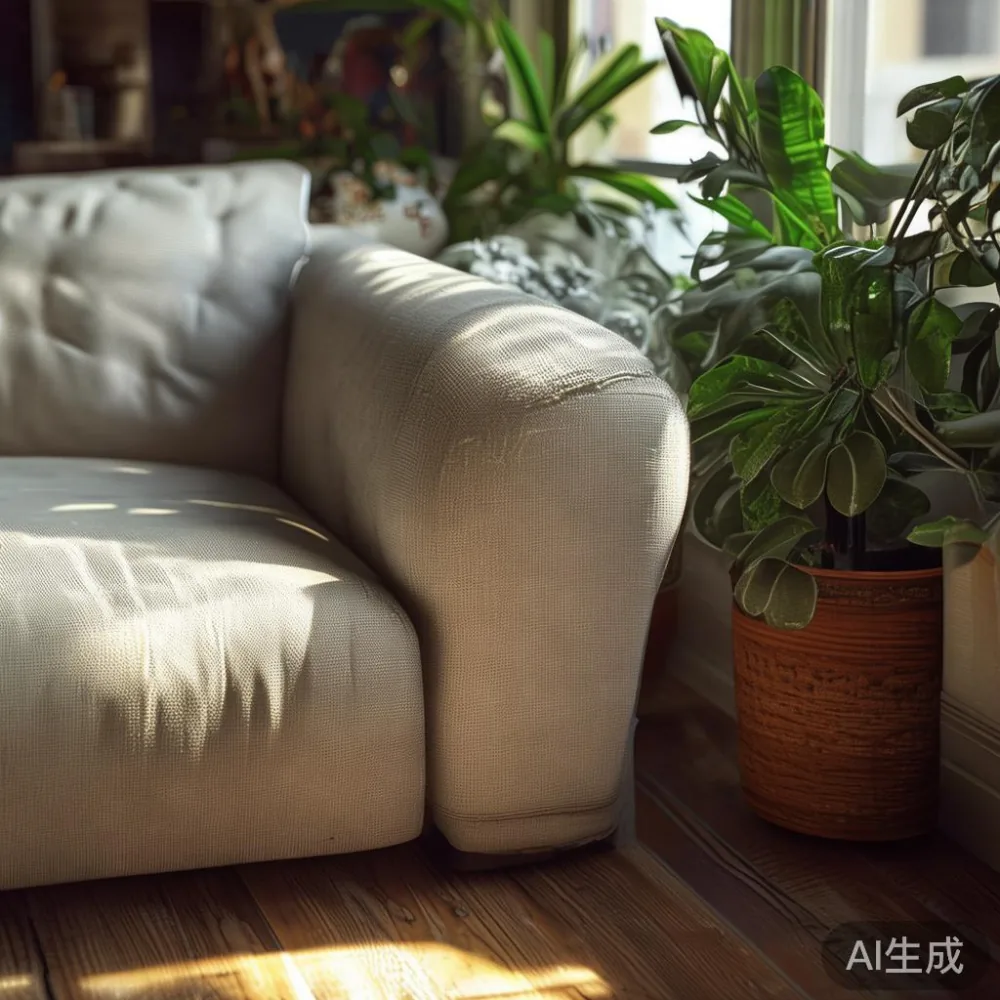
For fabric areas adjoining the lacquered frame, vacuum upholstery every 1–2 weeks with a brush attachment kept about 2 cm above the weave. Remove loose debris before it works into seams. This is part of fabric care because trapped grit can abrade lacquer when someone sits down or leans against the furniture.
What is the safest way to remove stains without damaging lacquer?
Begin by identifying the stain. Fresh water usually lifts with blotting. Chocolate, soy sauce, and red wine contain pigments and should be lifted with minimal water, not saturated. A cotton swab can help isolate a small mark on a wardrobe door or bed frame without wetting the whole panel. Never test over a decorative edge; choose a discreet flat area and allow 48 hours for observation before treating a larger section.
For marks that have dried, use a soft white eraser only on a coating confirmed as compatible with rubbing. Test with 3 light strokes. Hard erasers can leave a matte patch, and pumice stones should never touch lacquer. Metal scrapers, knife blades, abrasive pads, and scouring powder can scar the finish or cut through it.
Pet urine, alcohol, nail-polish remover, marker ink, and candle soot need particular caution. Nail-polish remover may soften lacquer, while urine can darken wood and attack certain finishes. Blot the source first and contact the furniture maker for product-specific guidance. A lacquered marble table top is a different substrate from a lacquered timber panel: acids can etch marble, so wine and citrus should be removed within 5 minutes.
Do not apply beeswax, polish, or oil simply because a surface looks dull. Many “wood care” products are designed for uncoated oiled wood and may leave a greasy film on lacquer. That film can collect dust and create a patchy appearance. If a polish is approved for the exact finish, apply less than a pea-sized amount to a cloth rather than directly to the furniture.
How do I protect lacquer from sun, rain, and air-conditioning?
UV light is one of the main causes of lacquer colour change. The pigments in a warm timber finish can fade unevenly, leaving a pale “ghost” where an object stood for 18 months. Keep blinds or curtains closed between 10 a.m. and 4 p.m. when direct sunlight is strongest. Position a solid wood bed frame away from a west-facing window, and avoid placing a wardrobe directly against a sunlit balcony wall.
Air-conditioning dries the air, but vents can still create rapid surface cycles. Aim for 24–27°C during the day and let the system dehumidify overnight where practical. Avoid directing cool air continuously at one chair leg or cabinet side. A hygrometer placed in the room helps; readings above 65% call for more ventilation, while readings below 40% over long periods can cause timber to shrink and joints to check.
Rain should not reach furniture in a corridor or void deck. Wipe any condensation from legs and plinths after storms. Use coasters with a 2–3 cm overlap under drinks and a felt-bottomed mat under decorative items. Felt reduces scratches by at least 70% compared with a hard unprotected base in controlled tests, although it should still be changed if it becomes gritty.
Singapore also brings dust, fine construction particles, and occasional salt exposure near the coast. Clean window tracks monthly and keep balcony doors closed when windblown grit is present. In lift lobbies and shared corridors, furniture should remain behind the flat door because repeated trolley knocks can chip an edge long before the timber is damaged.
What should I do if lacquer is peeling, hazy, or bubbling?
Stop applying cleaners. Photograph the affected area with a ruler beside it, note the room’s humidity, and isolate the cause. Peeling at a continuous edge may indicate moisture intrusion or an application defect. Bubbles appearing after rain suggest water entering through a joint or nearby wall. A cloudy patch that feels smooth may be finish haze; one that feels tacky or swollen requires closer inspection.
Small marks can sometimes be addressed by a qualified refinisher, but sanding, colour matching, and re-lacquering a production finish is rarely a simple DIY job. Excessive sanding can lower the surface and expose a different sheen. For a lacquered solid wood sofa, coordinated with the coated timber frame, document the issue and keep all care products for the manufacturer to review.
MIDHILL offers lifetime refinishing, which is a substantial advantage when genuine lacquer wear occurs. The service terms should be confirmed before work begins, including transport, collection, applicable GST, and whether the original finish can be matched under the new room’s lighting. A professional wardrobe or dining table move also protects the finish and the home: reserve a lift with a clear door width of at least 90 cm, and measure the actual furniture rather than relying on the building’s published capacity.
What if the lacquer is already peeling?
Move the item away from moisture and direct sun, avoid further wiping, and arrange a professional assessment. If the finish has lifted across more than 20 cm, or if bare wood, mouldy odours, or soft timber are present, do not sleep on an affected bed frame or use the surface for food preparation. A dining table with compromised lacquer should be set aside until it has been inspected.
Can solid wood furniture suit a compact Singapore apartment?
Yes, if scale and visual weight are handled carefully. In an HDB living room of 25–35 sq m, a compact 160–180 cm solid wood sofa can offer comfortable seating without consuming the walking route between the entrance and balcony. Check that at least 75–90 cm remains for circulation where doors open. For dining, a 120–140 cm table usually supports 4–6 people and suits a 220–280 cm dining bay more comfortably than a 200 cm model.
French provincial can be a useful reference when asking how to style French wardrobe in apartment: light upholstery, restrained colour, curved profiles, and slender storage reduce heaviness in a compact room. A French provincial for small living room approach works best with one visual feature, such as a 120 cm sideboard, rather than several ornate pieces competing for attention.
For a bedroom, an American light luxury direction is relevant to the question is American sofa worth it in a Singapore home. The answer depends on dimensions, comfort preferences, and maintenance rather than a national label. A deep seat with loose covers may require more frequent fabric care, while a tightly upholstered frame with removable panels can suit a family household better.
A light luxury dressing table should suit the available wall length and still leave space for a chair to move. A 90–110 cm width is often practical in a master bedroom, while a 120 cm model needs a clear bay of roughly 135 cm. For coastal condo interiors, modern Modern light luxury furniture can combine pale timber with metal accents, but avoid placing a pale lacquered nightstand where filtered sea light reaches it every afternoon.
For style enquiries that involve a marble table, confirm whether “marble” refers to a solid stone top or a stone-look surface. Each requires different cleaners. Likewise, a wardrobe with lacquered sliding panels needs enough clearance for the panels to open; confirm the internal drawer extension and the lift measurement before delivery.
How should I prepare a furniture delivery in humid weather?
Preparation starts 48 hours before delivery. Remove rugs and floor mats from the route, measure doorways and lift openings, and clear a 90 cm path where possible. For high-rise moves, reserve the lift for at least 30–45 minutes per stop, although building management may impose different rules. Protect corners with foam or blankets, but do not tape anything directly to lacquer. Use cardboard to create a flat sled and secure it with straps that do not cross a finished edge.
New solid wood furniture may arrive with protective film. Leave it in place during installation to prevent scratches, then remove it within 14 days if the instructions allow. Peel slowly from a corner rather than pulling across a large panel, since adhesive can lift lacquer if left in tropical heat.
Allow large pieces to acclimatise for 24–72 hours before tightening every fixing or loading them heavily. Keep them away from wet walls and direct airflow. Confirm the delivery fee and GST before confirming the order. MIDHILL provides free shipping for orders above US$350, although international freight terms, local delivery, and Singapore GST should be checked separately because the website’s threshold is not the same as a quoted local price.
For trade buyers, MIDHILL coffee table wholesale enquiries should include the finish, dimensions, quantity, target Singapore delivery date, and GST requirements. A written sample can help match lacquer to a solid wood dining table or bed frame before a larger order is committed.
What is a practical weekly care routine?
A 10-minute routine prevents many problems. Spend 3 minutes dusting the lacquer, 3 minutes checking drink rings and sun exposure, and 4 minutes attending to nearby textiles. Vacuum nearby cushions and inspect moving joints. Record any new mark with a photograph so changes can be tracked rather than discovered from memory.
Every 3 months, check humidity near windows, balcony doors, and air-con vents. Clean the area behind movable furniture where dust can settle. Every 6 months, inspect lacquered edges under good light and test the care method on a hidden section. Every year, check door clearances, tighten fittings only as required, and arrange refinishing if colour mismatch has become noticeable.
Use a coaster under every cup, a tray under plants and vases, and a protective layer beneath laptop chargers. Avoid placing hot cookware directly on lacquer; a 70°C pan can cause bubbling or softening even when the wood is sound. Let hot vessels cool for 15 minutes before setting them down. Keep silicone oils, paint thinners, and strong cleaning sprays in a sealed cabinet away from the furniture.
The most effective approach is conservative. Clean promptly, control moisture, reduce UV exposure, and avoid aggressive products. In return, a well-maintained lacquered surface can preserve the pale warmth of solid timber, the tactile richness of upholstery, and the clean geometry of post-modern light luxury design through years of humid use.