Fabric Care: Mastering Furniture Warranty Reads in Singapore
A furniture warranty can look generous on the first page and still leave you with a frustrating claim. The difference often sits in the fine print: which parts are covered, how long each part is covered for, and what evidence the supplier expects when something goes wrong. This guide explains how to read a furniture warranty in practical terms, with particular attention to fabric care, solid wood construction, delivery, and the realities of fitting furniture into Singapore homes.
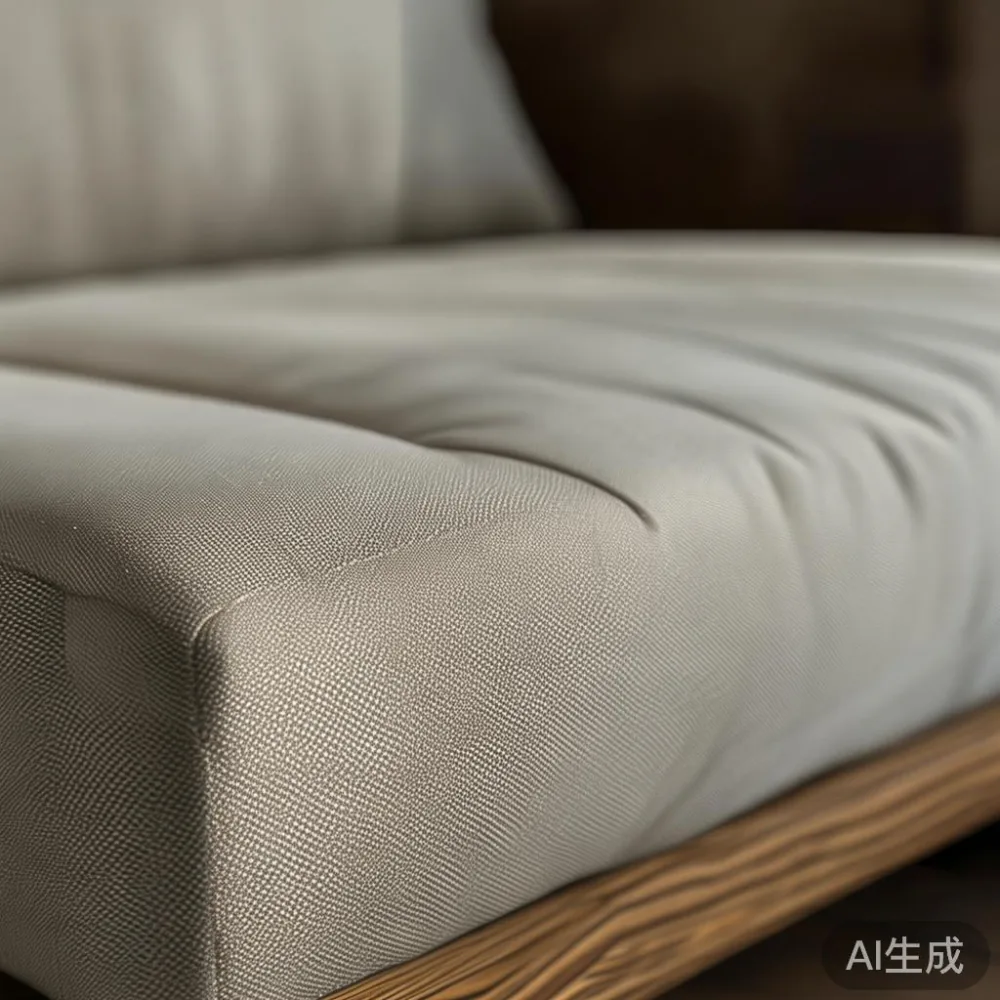
For shoppers comparing solid wood sofa, bed frame, dining table, wardrobe, nightstand, and marble table products, the warranty should be treated as part of the product, not as a separate legal footnote. A 10-year structural warranty sounds reassuring, but you still need to know exactly what “structural” means and how a claim is assessed.
What does a 10-year furniture warranty actually cover?
<A structural warranty generally covers defects in the frame, joints, and load-bearing construction under normal use. It does not automatically cover every scratch, stain, loose screw, or damaged fabric panel. For example, a solid wood bed frame might be covered against a joint failing under its stated weight limit, while a stained mattress area or ordinary surface wear may fall outside the claim.

Check the start date. Most warranties begin on the purchase or delivery date, not the manufacturing date. If you received a dining table in 3 delivery days but opened it 12 days later, the warranty period may still have started on the earlier date. Photograph the furniture immediately after delivery and save the invoice, order number, and delivery record.
Ask whether replacement, repair, or refund is offered. A supplier may repair a minor joint issue but not replace an entire upholstered section. For fabric care claims, the outcome can depend on whether the cause was manufacturing, material failure, or improper cleaning. Keep the original care instructions, because using bleach or the wrong solvent can affect the result.
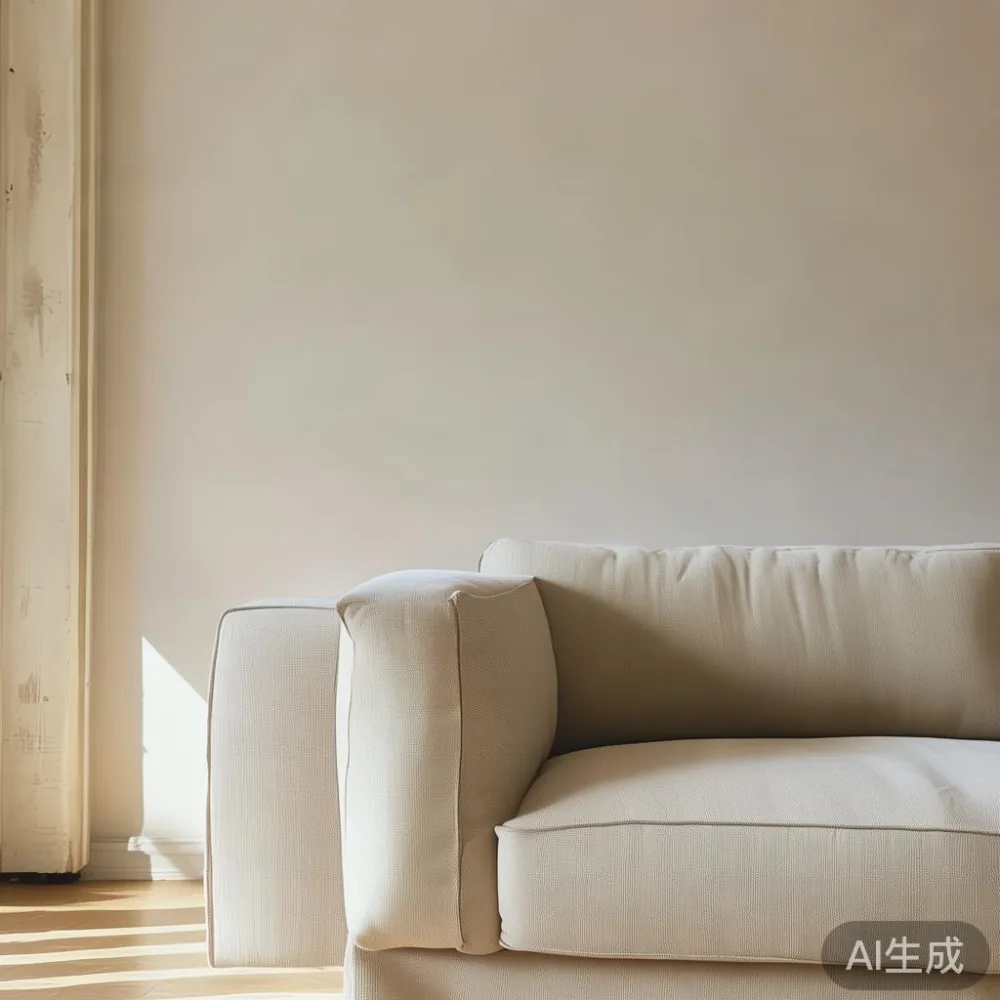
MIDHILL states a 10-year structural warranty for its furniture, with lifetime refinishing. That is a substantial commitment, yet the warranty still deserves a careful reading. Confirm whether refinishing is available for the specific wood finish, what transportation or service costs may apply, and whether the service applies to customer damage or only to defects covered by the policy.
What should I check before accepting a furniture warranty?
<Look for six details: the covered components, exclusions, claim procedure, proof required, response period, and transferability. If the furniture will stay in your home rather than being sold, transferability may matter less, but it is still worth checking if you are furnishing a rental property or expecting to move the item to another unit.
Singapore’s HDB flats and condos make measurement part of warranty planning. A sofa may fit through the door of an HDB unit yet still be difficult to manoeuvre around a corridor, lift, or landing. Measure the furniture’s longest and widest dimensions, then compare them with the lift car and door openings. For instance, a 220 cm sofa cannot necessarily be tilted through a 90 cm doorway without risking its frame or upholstery.
Measure the delivery route, not only the room. Note corridor widths of about 100–140 cm, lift door widths of roughly 80–100 cm, and the turning space at stair landings. For a bed frame, check whether the assembled dimensions fit the bedroom and whether the mattress can be inserted without forcing the headboard. If a wardrobe is flat-packed, check the number of cartons and their combined weight; one carton may weigh 28 kg, while a larger wardrobe may require two people and a trolley.
Also confirm the delivery promise in writing. A supplier offering delivery within 5–14 days may exclude weekends, public holidays, or remote surcharge areas such as Punggol’s outlying streets. Keep the final bill: a 12% GST charge may appear on top of the listed price, and the warranty may depend on the order remaining within the original delivery terms.
Which parts of a furniture warranty are often excluded?
Common exclusions include accidental damage, misuse, unauthorised repairs, changes in colour or grain, and wear from improper cleaning. Natural solid wood may develop small variations in colour, texture, or grain. A warranty that guarantees an identical shade across every board can create an argument later, so ask whether normal wood variation is accepted as natural rather than treated as a defect.
For upholstery, exclusions may include pet claws, ink, oil, dampness, direct sunlight, and stains caused by cleaning products that were not approved. This is where fabric care becomes important. Vacuum upholstery every 1–2 weeks, rotate cushions monthly, and keep textiles away from windows receiving more than 6 hours of direct sun. Blot spills rather than rubbing them, and test any cleaner on a hidden 10 cm area first.
Stone surfaces need their own wording. A marble table may be covered against cracking or a manufacturing flaw but not against a dropped object, acidic spills, or mounting errors. Ask whether the warranty covers the tabletop only or also the base, brackets, and fixing hardware. Keep away from lemon juice, vinegar, and strong alkaline cleaners; wipe those substances within 10 minutes.
Electrical and moving parts deserve separate attention. For a wardrobe with soft-close hinges, check whether the mechanism is covered for 2 years, 5 years, or the full structural period. A nightstand drawer that becomes difficult to close after several years of use may be considered a maintenance issue unless the fault is clearly attributable to the original mechanism.
How do I make a warranty claim without losing evidence?
Document the issue before contacting the supplier. Take 6 photographs: one wide view showing the furniture in the room, 2 close-ups of the fault, 1 image of the labels or underside, and 2 images of the surrounding floor or wall. Record the approximate date, describe when the problem began, and list any cleaning or repair work already attempted.
Contact the supplier through the same channel used for the order. A clear message should include the order number, delivery date, product name, fault location, and a request for the next step. Avoid saying that the entire sofa is defective when the concern is one loose frame joint. Specific information helps a representative distinguish a covered fault from cosmetic wear.
Last month I visited a colleague in Tampines who had received a solid wood dining table with a small movement in one extension joint. He had waited 3 weeks before reporting it because he assumed the table would “settle.” I encouraged him to send dated photographs, the invoice, and a measuring tape showing the uneven gap. The supplier reviewed the claim and arranged an adjustment within 8 days. The lesson was simple: report a potential structural issue promptly, especially with timber that responds to Singapore’s humidity.
Do not repair a load-bearing joint with ordinary glue, screws, or filler before the supplier has assessed it. Unauthorised work can make it harder to determine the original cause. If the item is unsafe, stop using it and state that clearly. A bed frame with a weakened rail should not be occupied while waiting for instructions.
How should I check the terms for different furniture types?
For a solid wood sofa, read the frame warranty and the fabric warranty as two separate promises. The frame may have a 10-year structural term, while the cushioning and fabric may have a shorter period, such as 3 years. The same applies to a solid wood bed frame: the timber structure may be covered longer than the slats, hardware, or headboard finish.
When learning how to choose American bed, focus on the stated capacity, mattress dimensions, centre support, and floor clearance. A queen bed may be 152 cm wide by 203 cm long, with a maximum mattress height of 30 cm. A frame’s load rating may be 300 kg, 350 kg, or more, but the warranty may require use within that limit. Check whether the bed was assembled correctly and whether all fixings are tightened during the first 30 days.
For a dining table, ask about extension rails, leaf storage, and the treatment of heat. A hot wok or cookware placed directly on timber can cause marks that fall outside structural cover. Use a trivet and allow the surface to cool for at least 20 minutes after cleaning.
For an Italian light luxury wardrobe, do not assume that “Italian” describes the warranty. Check the manufacturer, local seller, and importing entity. The fashion term may describe styling rather than Italian manufacture. The same distinction applies to Italian light luxury coffee table: a marble top and decorative base may look distinctly Italian, yet the structural terms should be stated independently.
For a MIDHILL TV console, inspect cable openings, shelf loading, anti-tip hardware, and glass or marble components. A console that supports 45 kg per shelf should not be loaded with 80 kg of equipment. The warranty may also depend on the unit being fixed to the wall in a suitable way. Record the installation date and retain the wall-fix instructions.
Is a long warranty better than good fabric care?
No. A 10-year warranty does not prevent a faded cushion, a sticky armrest, or a stain that requires treatment. Proper fabric care protects the appearance of a solid wood sofa and can reduce the likelihood of an avoidable claim. Use pH-neutral upholstery cleaner, keep cushions moving, and clean spills promptly. For a light-coloured fabric, inspect it every 2–4 weeks because dust and dark clothing transfer more visibly.
For a fabric dining chair, lift the cushion occasionally and vacuum beneath it. For a linen-blend bed frame, keep the headboard away from damp walls and use a soft brush rather than saturating the material. For velvet, avoid vigorous brushing in the wrong direction; use low suction and test a hidden area first.
Wood care follows a similar discipline. Dust with a microfibre cloth, wipe spills within 15 minutes, and keep furniture at least 30 cm from exterior walls in humid HDB rooms. Use coasters with a 2–3 cm overhang and protect marble from acidic liquids. These habits are less dramatic than a warranty claim, but they preserve the finish over 5–10 years of daily use.
How do I compare a French light luxury style with the actual warranty?
Style labels can distract from the practical contract. A buyer looking for under 2000 French furniture may focus on curved profiles, pale upholstery, and a refined silhouette, but should still identify the timber species, joinery, frame coverage, and fabric composition. “French light luxury” describes an aesthetic direction; it does not automatically indicate French manufacture or a longer warranty.
Post-modern light luxury may combine clean lines with unusual forms, while American light luxury often emphasises generous proportions, comfort, and substantial-looking joinery. Neither label should replace measurable details. Ask for the timber type, finish thickness, seat density, drawer travel, and maximum load. For example, a dining table advertised with solid oak may still use engineered boards in the centre section, which changes both stability and cover.
Scandinavian for dining room designs usually prioritise visual restraint, pale wood, and functional proportions. Confirm that the dimensions suit the room and that the warranty refers to the complete table, including the apron and legs. A 180 cm table in a compact 280 cm-wide dining zone may leave only 50 cm per side for chairs and movement, so measure before ordering.
For trade buyers comparing wholesale Modern light luxury furniture, request the commercial warranty schedule in writing. Check whether dealer discounts change the claim process, and whether freight damage is covered separately from manufacturing defects. Ask about lead times, replacement stock, and how claims are handled when a container is split across several deliveries.
What questions should I ask before paying for furniture?
Ask: “Does the 10-year structural warranty cover the complete frame or only specified components?” Ask: “Can I claim a repair for a covered fault, and how long will the process take?” Ask: “Which fabrics and cleaners are approved?” Ask: “Is the warranty valid if I move the furniture to another Singapore address?”
Ask about the seller’s responsibilities after delivery. A damaged corner can be a lifting accident, a pre-existing defect, or a condition noticed only after unpacking. Photograph every carton before opening it and retain the packaging for 7 days if possible. Delivery labour charges and damage replacement policies should be stated separately from the product warranty.
Confirm return and refund terms as well. A 14-day return window can be useful for size or comfort issues, but hygiene rules may apply to mattresses, cushions, and made-to-order upholstery. Ask whether a restocking fee applies, how a bulky solid wood sofa is collected, and whether the lift or corridor dimensions create extra charges.
Finally, check the warranty’s practical value against the total price. A 10-year structural warranty on a SGD 2,850 dining table is useful, but so are replacement parts, clear communication, and a fair damage process. For a nightstand at SGD 420, review drawer hardware and finish durability; for a marble table at SGD 1,680, inspect the packaging, edge treatment, and base fixings.
A useful warranty should tell you who is responsible, what counts as a defect, how evidence is assessed, and what remedy you can expect. Read it alongside the measurements, delivery terms, and fabric care instructions. Then save the documents in 1 folder, take dated photographs on arrival, and keep maintenance records for at least 2 years. That small amount of admin can make a claim far less stressful when a real fault appears.