Humidity and Wood Furniture in Singapore: A Homeowner's Guide to Protection and Care
Singapore's HDB flats and condominiums, from the busy corridors of Tampines to the modern layouts of Punggol, present a unique living environment. While the convenience and community are unparalleled, the tropical climate, with an average relative humidity hovering between 75% and 90%, poses a silent challenge to the longevity and beauty of your solid wood furniture. This constant moisture in the air can cause wood to absorb water, swell, contract, and warp over time. For homeowners who have invested in a quality solid wood sofa, a sturdy bed frame, or an elegant dining table, understanding and managing this environmental factor is key to preserving that investment. This article provides a detailed guide on how humidity affects your furniture and offers practical, actionable advice to keep your pieces looking pristine for years to come.
Understanding Singapore's Humidity: More Than Just a Feeling
In Singapore, the high humidity isn't just a sticky feeling; it's a measurable environmental factor that directly impacts materials. The Singapore Meteorological Service (SingMet) regularly reports relative humidity levels, often exceeding 80% during the monsoon seasons from November to January and the inter-monsoon periods from April to May. This moisture is present in the air of every room, from a 3-room HDB flat in Bedok with a net floor area of 67 square meters to a spacious 1,200-square-foot condo in Tampines. This constant moisture exposure is the primary culprit behind wood-related issues. It's not just about the air you breathe; it's about the air your furniture breathes every single day. The cellular structure of solid wood is hygroscopic, meaning it naturally absorbs and releases moisture from the surrounding environment. When the humidity is high, the wood fibers absorb water and expand. When the humidity drops, the wood releases moisture and contracts. This continuous cycle of expansion and contraction is what can lead to warping, cracking, and joint failure if not properly managed.
How Humidity Affects Specific Wood Furniture Pieces
The impact of humidity is not uniform across all furniture pieces. The design, construction, and materials used play a significant role. Let's break down how high humidity affects common items found in Singaporean homes.
Solid Wood Sofa and Fabric Care
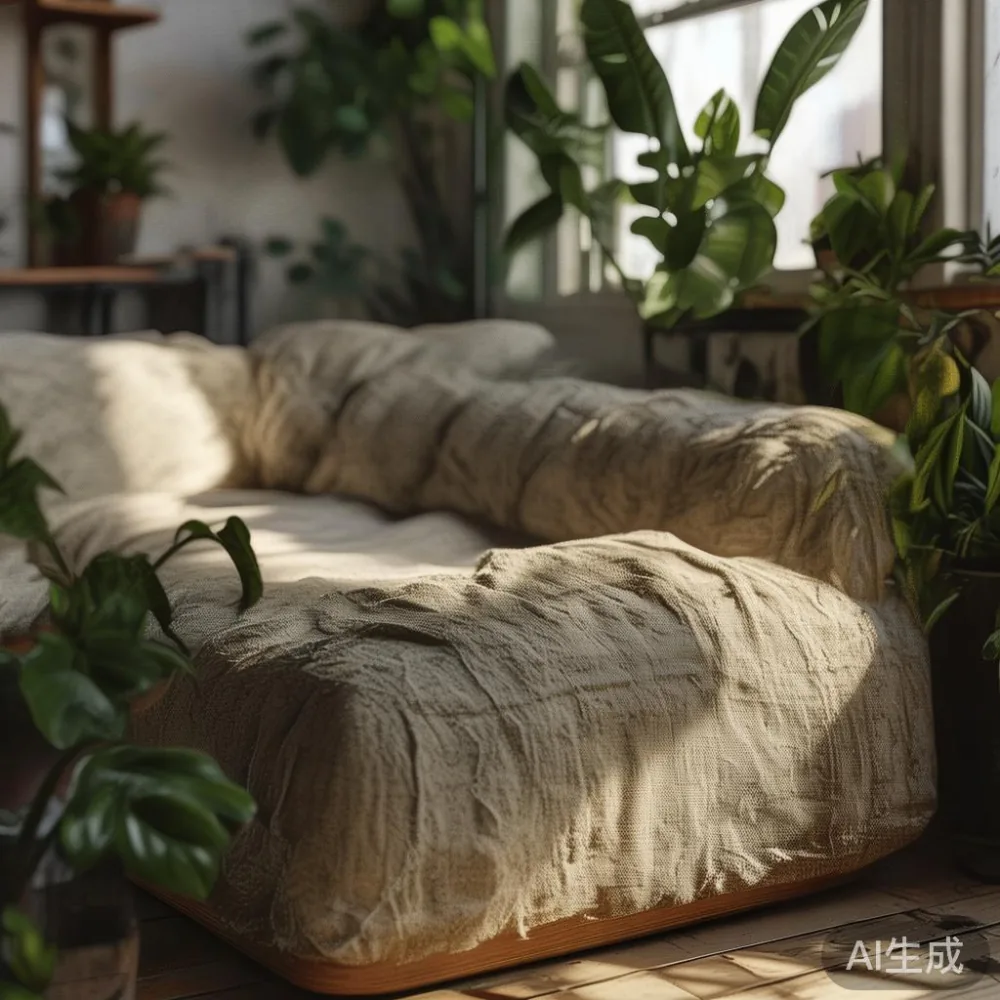
A solid wood sofa is often the centerpiece of a living room. In a Singaporean context, where living spaces can be compact, the sofa's stability is paramount. The frame, typically made from hardwoods like oak or teak, is most at risk. High humidity can cause the wooden frame to swell. This swelling puts immense stress on the joints, especially in areas like the armrests and the backrest. Over time, this can lead to loose joints or even structural cracks. Also, a swollen frame can pull on the upholstery, causing the fabric to stretch and sag. This is where fabric care becomes intertwined with wood maintenance. The constant movement of the frame can weaken the stitching and cause premature wear on the fabric. For homeowners, this means a sofa that not only looks less appealing but also feels less stable and comfortable.
Bed Frame and Wardrobe Stability
Your bed frame is responsible for supporting your mattress and, consequently, you. A bed frame made from solid wood, especially a king-size model which can weigh over 50 kg, needs to remain perfectly flat and stable. Humidity can cause the slats or the main platform of the bed frame to warp. A single warped slat can create an uneven surface, leading to back pain and poor sleep quality. Similarly, a wardrobe, like a MIDHILL French provincial wardrobe, relies on perfectly straight and stable side panels and doors. Humidity-induced warping can cause doors to stick, not close properly, or even slam shut unexpectedly. This not only damages the wardrobe's aesthetic but can also damage the clothes inside, as the warped interior might snag delicate fabrics.
Dining Table and Nightstand Surfaces
A dining table is a hub for family gatherings and meals. High humidity can cause the tabletop, particularly solid wood, to expand. If the tabletop is attached to the base with screws or brackets that cannot accommodate this movement, the wood will begin to crack. These cracks can start small but grow over time, becoming unsightly and collecting dirt. For a nightstand, the risk is different. A warped surface can cause items placed on it, like a glass of water or a lamp, to be unstable, increasing the risk of spills and breakage. The finish on these pieces, whether a natural oil or a lacquer, can also be compromised, as moisture seeps into the wood beneath, causing the finish to bubble or peel.
Common Mistakes in Wood Furniture Care in a Humid Climate
Many well-intentioned homeowners unknowingly make mistakes that exacerbate the effects of humidity. Being aware of these pitfalls is the first step toward proper care.
- Blocking Airflow: Placing furniture directly against a wall or in a corner without leaving space for air to circulate traps moisture against the wood. This creates a microclimate with even higher humidity, accelerating damage.
- Using Incorrect Cleaning Products: Spraying a generic all-purpose cleaner directly onto a wooden surface is a common error. Many household cleaners contain ammonia or alcohol, which can strip the wood's finish and leave it more vulnerable to moisture absorption.
- Ignoring Acclimatization: Bringing a new piece of furniture, like a best Boho bed for 2026, directly from an air-conditioned showroom into a humid home can cause it to absorb moisture too quickly. Wood needs time to adjust to its new environment.
- Placing Furniture Near Ventilation Sources: While airflow is good, direct blasts of cold air from an air-conditioning unit can cause one side of the furniture to dry out and shrink while the other side remains humid, leading to cracking.
Expert Tips for Maintaining Wood Furniture in Singapore's Climate
Protecting your wood furniture requires a proactive approach. Here are expert-recommended strategies tailored for the Singaporean home.
Environmental Control and Placement
Strategic placement is your first line of defense. Ensure there is at least a 10-15 cm gap between your furniture and the walls to allow for air circulation. Avoid placing solid wood pieces directly under windows where they are exposed to direct sunlight, or near air-conditioning vents. If you live in an area with particularly high humidity, consider using a dehumidifier, especially in enclosed spaces like walk-in wardrobes. A dehumidifier can reduce the humidity level to a more stable 45-55%, which is ideal for wood. For those with a tight budget, placing bowls of silica gel desiccant inside wardrobes and drawers can help absorb excess moisture in these smaller, enclosed spaces.
Regular Cleaning and Fabric Care
Proper cleaning is non-negotiable. For wood surfaces, use a soft, lint-free cloth, preferably microfiber, to dust regularly. For deeper cleaning, use a wood-specific cleaner or a mixture of a mild dish soap and water. Dampen the cloth slightly—never wet—and wipe in the direction of the wood grain. Immediately follow with a dry cloth to remove any moisture. For upholstery, fabric care involves regular vacuuming with a brush attachment to remove dust and debris. For spills, blot immediately with a clean, dry cloth. Avoid rubbing, as this can push the liquid deeper into the fabric or cause it to fray.
Protective Measures and Maintenance
Applying a high-quality furniture polish or wax creates a protective barrier that helps seal the wood from moisture. This should be done every 3-6 months, depending on usage. For table surfaces, especially dining tables, using placemats and coasters is a simple yet effective way to prevent water rings and heat damage. If you notice small cracks or gaps forming in your furniture, especially in a mid-century modern TV console, you can use a wood filler or a specialized wood glue designed for furniture repair. After applying, sand it lightly and reapply the finish to blend it in.
| Furniture Type | Humidity Risk | Recommended Maintenance Action |
|---|---|---|
| Solid Wood Sofa | Frame warping, fabric stretching | Dust weekly, polish frame bi-annually, ensure 15cm wall clearance. |
| Bed Frame | Slat warping, joint loosening | Check slats monthly, ensure even support, dehumidify bedroom if needed. |
| Dining Table | Tabletop expansion, surface cracking | Use placemats and coasters, polish surface quarterly, avoid direct sunlight. |
| Wardrobe | Door warping, interior mustiness | Leave 10cm gap from wall, use silica gel, air out contents regularly. |
Why Solid Wood is Still the Best Choice for Singapore Homes
Despite the challenges, solid wood furniture remains a superior choice for Singaporean homes over cheaper alternatives like particleboard or laminate. Solid wood is a natural, living material. When properly cared for, it can adapt to the environment and develop a beautiful patina over time. Its strength and durability are unmatched; a well-constructed solid wood dining table can last for decades, becoming a family heirloom. In contrast, particleboard swells and disintegrates when exposed to moisture, and laminate can peel away from its base, revealing a damaged core. The initial investment in a quality piece, like a MIDHILL European light luxury wardrobe, is higher, but its longevity and timeless appeal offer far better value over time. The key is to choose a reputable manufacturer who understands the climate and constructs furniture with the necessary reinforcements, such as dovetail joints and mortise and tenon connections, which are more resistant to warping than simple screw or nail joints.
How to Style an American Sofa in a Singaporean Apartment?
Styling your furniture to complement the humid climate while achieving a desired aesthetic is an art form. For those who prefer a more relaxed and spacious look, an American sofa can be an excellent choice. These sofas are typically larger and have a more generous, cushioned feel. To style an American sofa in a Singaporean apartment, start by ensuring it's not overpowering the room. In a standard HDB living room of about 20-25 square meters, a 2.5-meter sofa is often a good fit. Anchor the sofa against a main wall to open up the floor space. To counteract the potential bulk, use light-colored cushions and throws in breathable fabrics like linen or cotton. This adds a touch of lightness and improves fabric care by allowing for better air circulation around the cushions. Pair it with a sleek marble coffee table to introduce a cool, hard surface that contrasts beautifully with the soft sofa. The marble is less susceptible to humidity and adds a touch of modern elegance. A Mid-century modern TV console can also complement this style, offering clean lines and functionality without cluttering the space. The key is to balance the substantial nature of the American sofa with lighter, more resilient elements.
A Real-World Experience: My Visit to a Foshan Workshop
Last month, I had the opportunity to visit the production facilities of a major Foshan furniture exporter, a company that has been crafting solid wood pieces since 2008 and exports to over 15 countries. My colleague, who handles quality control for the Singapore market, was my guide. Walking through the 50,000-square-meter workshop, I saw firsthand the meticulous process that goes into creating furniture designed to withstand global climates. We examined a batch of how to style American sofa in room sets destined for Singapore. The workshop manager explained their process. 'We kiln-dry our timber to a moisture content of 8-10%,' he said, pointing to a stack of oak planks. 'This is lower than the typical ambient humidity in Singapore. When the wood arrives, it will slowly acclimate, absorbing moisture until it reaches a stable equilibrium. This controlled expansion prevents the sudden, damaging warping you see with inferior products.' They also demonstrated their joint-making techniques, showing how interlocking joints provide superior strength. This visit reinforced my understanding that the quality of the initial construction is paramount. It's not just about the wood itself, but the science and craftsmanship behind it. This attention to detail is why a piece from a reputable manufacturer can come with a 10-year structural warranty and a lifetime refinishing promise, giving homeowners peace of mind.
Investing in Quality: Understanding the Value Proposition
When purchasing furniture in Singapore, it's important to look beyond the initial price tag. Consider the total cost of ownership. A cheaper piece might seem attractive at SGD 800, but if it warps and needs to be replaced in 3 years, the actual cost is higher. A higher-quality solid wood sofa might cost SGD 3,500, but with proper care, it can last for 20 years or more. This is where the value of a comprehensive warranty comes in. A 10-year structural warranty, offered by established brands, protects you against manufacturing defects. A lifetime refinishing service means that if the surface of your dining table gets damaged over the years, it can be professionally restored to its original glory, extending its life indefinitely. Also, many reputable retailers offer free shipping for orders over SGD 350 and a 14-day return policy, allowing you to test the piece in your home. These services add significant value and reduce the risks associated with a major purchase. The peace of mind that comes with knowing your investment is protected is invaluable in a climate as demanding as Singapore's.