Warm Minimal Interiors in Singapore HDBs: A Furniture Specialist's Guide to Matching Solid Wood Pieces With Confidence
Last month, I visited a resale 4-room HDB in Bedok with a client who wanted "warm minimal" but feared it would tip into boho chaos, or worse, look like a Scandinavian showroom that had been on display for six months in an IKEAshowroom under fluorescent light. The space was 92 sqm, the ceiling 2.6 m, and the corridor outside her door measured 1.2 m wide. She owned one good armchair, one inherited teak side table, and a stack of fabric samples she had been hoarding since Circuit Breaker. Within two hours, we mapped five pieces — a 180 cm solid wood sofa, a 150 cm dining table, a queen-size bed frame, a 200 cm wardrobe, and two nightstands — and the hallway still fit a hand trolley. That afternoon is the spine of this guide, and it is also why fabric care is not an afterthought at the end of a furniture purchase in Singapore. In a climate that runs 80–90% humidity eight months of the year, the way a fabric breathes, how it releases dust, and how it tolerates a 26 °C afternoon thunderstorm with the window cracked open determines whether your living room still feels minimal in year three.
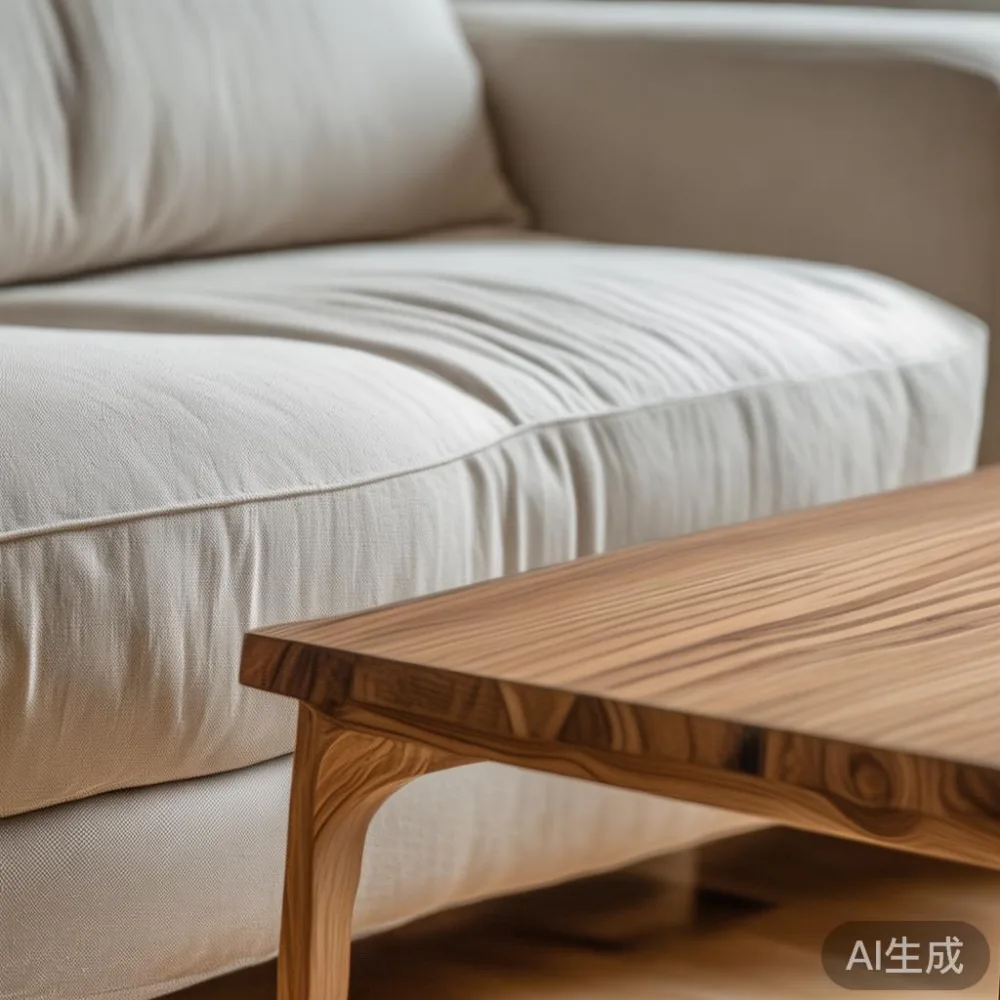
Warm minimalism, as I have come to practice it in Tampines, Punggol, and Toa Payoh flats over the past nine years, is not a colour palette. It is a discipline: every textile must work harder than the wood it sits beside, every joint must survive a quarterly wipe-down with a damp cloth, and every delivery slot must clear a lift door that is, in most 1990s blocks, 0.9 m wide and 2.1 m tall. Anything that fights those constraints will, within a season, look tired.
What does warm minimal actually mean for a Singapore HDB?
Three things, in this order: tonal warmth, fewer pieces, and a fabric story you can defend in court. The first is the easiest. Warm minimal starts from a base of off-white walls — usually a calming neutral like the popular Sophistication 7006 or a putty-tinted Beige 7004 — and adds wood tones in the 1800–2200 K range, which is the colour of natural oak, ash, or light walnut under evening light. Cool greys are not banished, but they get limited to small accents such as a marble table or a blackened steel lamp arm. The second is mathematical. For a 90 sqm flat with a 2.6 m ceiling, my rule of thumb is no more than 11 major pieces: one sofa, one coffee table, one dining table with four to six chairs, one bed frame, two nightstands, one wardrobe, one TV console, one desk, and one accent chair. Eleven sounds like a lot until you stack the lift-loading diagram in your head. The third piece, the fabric story, is what most buyers in Singapore forget to plan, and it is also where fabric care quietly does its job.
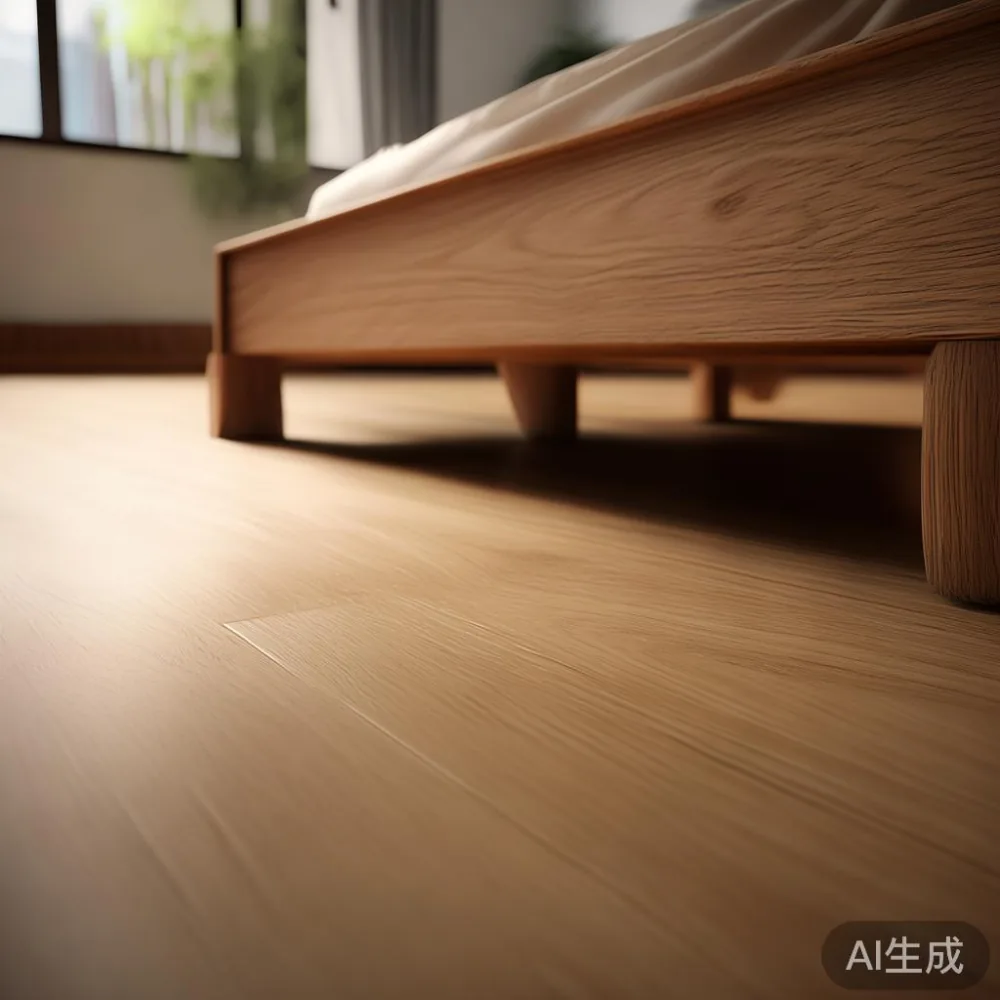
Fade resistance is not just a UV problem. The afternoon west sun in a Punggol EC can hit a north-facing sofa at 3:30 pm through a balcony with no film, and a fabric that scores 4 on the lightfastness scale (a common grade for budget polyesters) will visibly dull inside 14 months. Look for 5 or higher. Breathability, measured in g/m²/24h, matters more than people realise because a non-breathable faux linen will feel clammy by May and you will start reaching for a single-zoned air-conditioner that, after GST at 9%, adds roughly S$45–S$70 to the monthly bill. pilling resistance, rated 1–5, separates the sofas you can throw a bedsheet over from the ones that look proper. For warm minimal interiors, I want a 4 or 5 on pilling and a 4 on seam slippage — anything looser and the cushions will bag within two years of nightly Netflix.
How do I match a solid wood sofa to warm minimal walls?
Start with the wood, not the fabric. Choose the sofa frame in white oak, ash, or beech with a matte oil finish (satin sheen under 15 GU), and the room already does half of its work. A mid-century frame at 88–92 cm seat height, 180–200 cm wide, and 92 cm deep is the most forgiving footprint for a 4-room HDB living room because it leaves 70–80 cm of walking space behind it when the sofa sits 40 cm off the wall. Anything deeper will eat your corridor. For a 5-room or jumbo flat in Sengkang or Tampines, a 220 cm solid wood sofa in three-seater configuration is the upper limit before you start restricting the doorway.
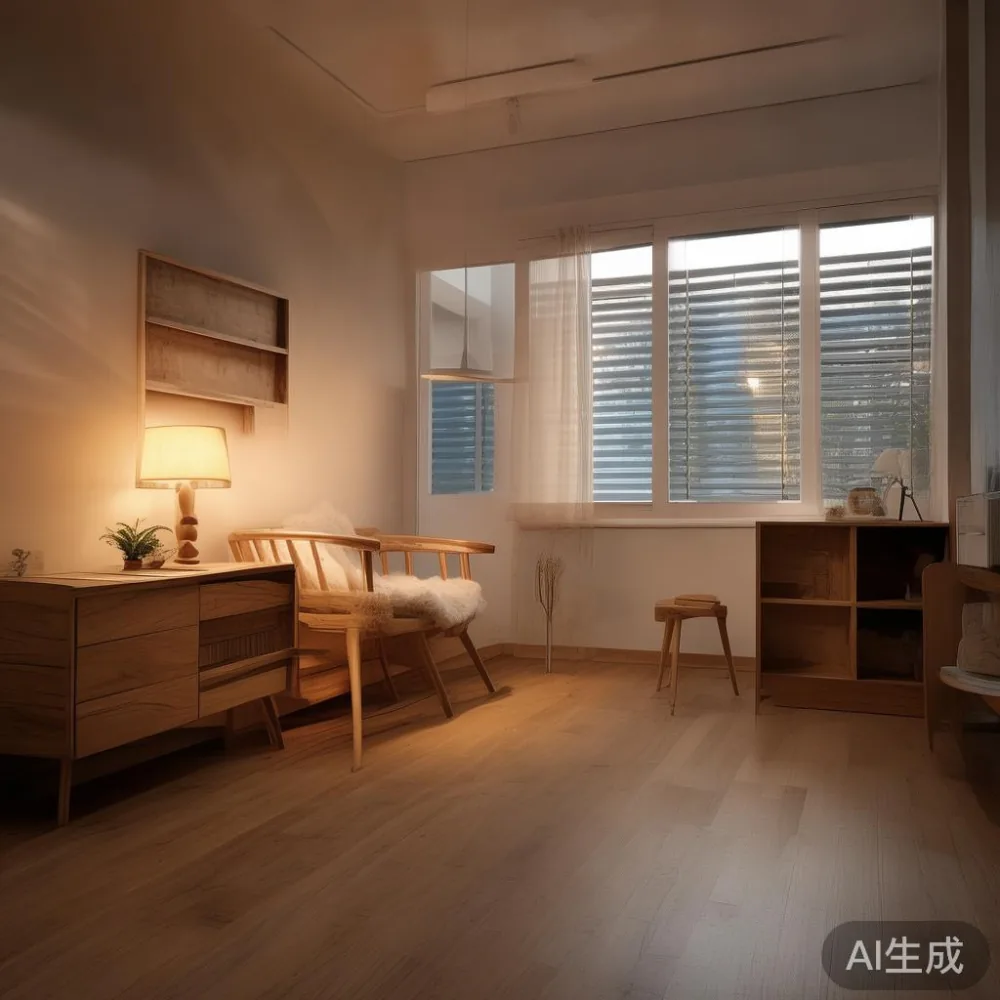
Fabric is the second move, and fabric care is the third. I tend to specify one of three covers for warm minimal projects. First, a brushed cotton-linen blend at 480–520 g/m², woven tight enough to take a colour-wash without warping; second, a bouclé at 620–680 g/m² if the room runs heavily beige and needs texture; third, a performance weave treated with a fluorocarbon-free water repellent — a sensible choice in a HDB where kopi spills are a daily hazard. All three should carry removable, washable covers at 30 °C on a delicate cycle, and every cushion should be zippered, not glued. When a cushion is zippered and the cover is washable, fabric care stops being a Saturday project and becomes a Tuesday evening chore that takes 22 minutes flat. Clients who skip this step in the showroom regret it by the third Deepavali open house.
I have a colleague who specified a 210 cm solid wood sofa in pale ash with a wheat-coloured performance weave for a Punggol BTO client. The sofa weighed 92 kg unpacked, split into three sections no heavier than 35 kg each, and cleared a 0.9 m corridor in two trips. Twelve months on, the covers have been washed four times with no shrinkage past 1.5% and no visible pilling. That is the standard warm minimal pieces need to clear in Singapore — not the brochure claims, but the lived-in numbers.
Will a 150 cm dining table fit a four-person HDB without crowding the corridor?
For most 4-room flats, yes, with one caveat: a 150 cm dining table needs at least 60 cm of clearance on every side to pull a chair out without the back hitting a wall. If your dining area shares space with the corridor to the kitchen, you have room for either the table or the chair movement, not both. For a 5-room HDB or a 1,000 sqft condo in the River Valley or Tanjong Pagar area, a 180 cm dining table seats six comfortably, but at 75 cm wide the legs must clear the door swing. Measure first. Always measure first.
For warm minimal dining, I prefer rounded rectangle or oval tops in light oak over high-gloss lacquer or marble because lacquer reflects ceiling lights and marble shows every ring, plate, and chopstick smudge. A marble table is an option for clients who entertain often and have a part-time cleaner, but for a young couple with a toddler, oak is calmer. A solid wood dining table at 150 cm long, 80 cm wide, and 75 cm tall weighs 38–48 kg, fits a 0.9 m lift door on its side, and can be carried by two delivery men up four HDB flights in under nine minutes. For clients browsing cheap light luxury furniture, oak dining tables sit in the S$1,280–S$1,880 range landed in Singapore; above that you start paying for joinery you cannot see.
Seating should be upholstered but not heavy. A fabric dining chair at 4.8 kg stacks, wipes down with a damp microfibre cloth, and survives a soy-sauce incident. Avoid chairs with skirted bases — they trap moisture and dust under the dining table where the robot vacuum cannot reach. The MIDHILL dining table in 160 cm light oak that I specified for a Tampines client last quarter paired with four 4.6 kg fabric chairs and left 64 cm of clearance on every side, including the corridor. Eleven months in, the table has three small scratches and zero ring marks because the owners use coasters religiously and the oak came with an oil-refinishing service bundled into the warranty — a clause worth asking for in writing.
What is the right bed frame for a warm minimal master bedroom under 14 sqm?
A queen-size solid wood bed frame at 160 × 200 cm sits in any master bedroom 11 sqm or larger with 60 cm clearance on three sides and 80 cm at the foot. If your room is smaller, a super single at 107 × 200 cm reclaims 53 cm of width and makes wardrobe doors easier to open. Anything below 10 sqm, consider a 1.6 m bed frame on a low platform with no headboard extension, or a storage bed with hydraulic lifts rated to 350 kg per side — useful for off-season clothing and spare linens when storage is at a premium. Headboard height should sit 10–20 cm above your pillow line, not at full mattress height, so the wall above stays visually empty, which is the goal.
For the frame, ash and beech read cooler than oak and work well with warm white walls. A close slat system with 14–18 slats per frame prevents mattress sag and is preferable to a flat plywood deck. A wood frame at 28–34 kg (queen) clears a 0.9 m corridor in one piece and a 0.8 m corridor if the headboard is detached. When I tell clients we are ordering from a shortlist of best European bed for 2026 candidates, the criteria I share are these: solid wood slats, mortise-and-tenon joinery, height-adjustable feet to compensate for uneven HDB floors, and finishes that tolerate a coat of beeswax once a year.
Fabric care on the bed frame is rarely a problem; fabric care on the headboard is where most buyers slip. A fabric headboard in a master bedroom absorbs sweat, hair products, and the humidity that rolls off an unventilated aircon. Specify removable, washable covers at 30 °C; avoid white at all costs in any bedroom that gets west sun, and on the colour side, oat, taupe, and stone grey hide more than they advertise. I had a Punggol client whose upholstered headboard showed three years of clean wear because she washed the covers twice a year — once before Lunar New Year, once after Hari Raya — and rotated the cushion every six weeks. That kind of routine is the difference between a warm minimal bedroom that reads calm and one that reads chaotic by year two.
How should I match a wardrobe and nightstands without breaking the calm?
Treat the wardrobe as architecture and the nightstands as punctuation. A floor-to-ceiling wardrobe at 240 cm tall, 200 cm wide, and 60 cm deep fits any wall that is not interrupted by a window or a door, and it carries the warmest visual weight in the room. For warm minimal bedrooms, I work with two door treatments: flat panels in light oak with brushed brass pulls, or a fully fabric-fronted wardrobe if the room already has too much wood grain. A fabric-fronted wardrobe uses acoustic felt at 600 g/m² to soften the bedroom acoustics, doubles as a fabric care surface that you can vacuum weekly, and is the single most underrated upgrade in any HDB flat where thin walls meet neighbour noise. The MIDHILL French provincial wardrobe at 200 × 60 × 220 cm that we delivered to a Bishan client weighs 118 kg in five cartons, clears a 0.9 m lift, and assembles in roughly 90 minutes with two installers. Clients who browsed for sale French furniture under warm minimal typically land on this piece because it competes with European wardrobes at half the SGD landing price.
Nightstands should be quieter than the wardrobe. A 45 × 40 × 55 cm nightstand in beech or ash, one drawer, one open shelf, is enough. I avoid glass tops because they fingerprint in a day; I avoid lacquered fronts because they fight the matte finish of the wardrobe; and I avoid angled legs because they read busy. A pair of nightstands with one drawer each weighs 11–14 kg apiece and fits through any HDB corridor on its side. For clients asking which option to push, my answer is whatever wood matches the bed frame within one tonal step — typically the same species, sometimes a slightly warmer stain.
Furniture care in the bedroom comes down to one habit: vacuum the wardrobe felt panels and headboard once a week with a brush attachment, and you have already solved 70% of the dust problem that makes a warm minimal bedroom read tired. Add a dehumidifier set to 55% RH, and you will see the wood stay still instead of expanding through the wet season. That combination costs about S$0.38 a day in electricity and saves the wood from two refinishing jobs over its life.
Where does furniture care end and good design begin in Singapore HDBs?
It does not end. They are the same conversation in a climate like ours. A warm minimal interior is a 5-year project, not a 5-day project, and the pieces that survive it are the ones whose care demands are aligned with how you actually live — kopi at 7 a.m., toddler dinner at 6:30 p.m., aircon at 23 °C overnight, and a door that opens onto a corridor with a lift bay. I learned this in 2016 from a Toa Payoh client who replaced her entire dining set within 22 months because the chairs wobbled at the legs and the table finish clouded under her晾衣服 rack. Her replacement — a solid oak dining set from a Foshan workshop — is now in its ninth year and still standing straight. That longevity is what warm minimal asks of every piece: it should be quieter, more useful, and easier to live with at year seven than it was at week one.
For clients with a corner of the room left over — and most warm minimal HDBs do leave one quiet corner — a single accent chair in bouclé, a marble side table, or a small American light luxury cabinet at 60 × 35 × 75 cm can carry the visual interest without crowding the room. Bouclé at 720 g/m², marble tops sealed with a penetrating stone sealer every 18 months, and a cabinet on tapered legs are three details that earn their footprint. A post-modern light luxury cabinet with brushed brass handles and a single drawer is also on my shortlist for clients who want a touch of European energy without breaking the warm minimal rule.
If you are browsing best European light luxury furniture for a Singapore flat and your shortlist spans oak dining tables, ash bed frames, fabric-fronted wardrobes, marble side tables, and solid wood sofas, the two questions that will save you the most money are simple. First, can every piece clear your HDB lift door and your corridor without dismantling? Second, can every fabric cover be removed, washed at 30 °C, and re-fitted inside ten minutes? When the answer to both is yes, the pieces belong in your home. When the answer is no, the brand wins in the showroom and you lose at home.