Lacquered Wood Furniture Care in Tropical Weather
Lacquered furniture can look beautifully calm in a Singapore home, especially when its reflective surface is protected from humidity, heat and daily fingerprints. In a Tampines HDB flat, a lacquered solid wood dining table may sit beside a sunlit kitchen window. In a Punggol condo, a lacquered wardrobe may face west-facing afternoon light. The care routine matters because tropical conditions can gradually dull lacquer, leave water marks and encourage swelling or warping in the underlying timber.
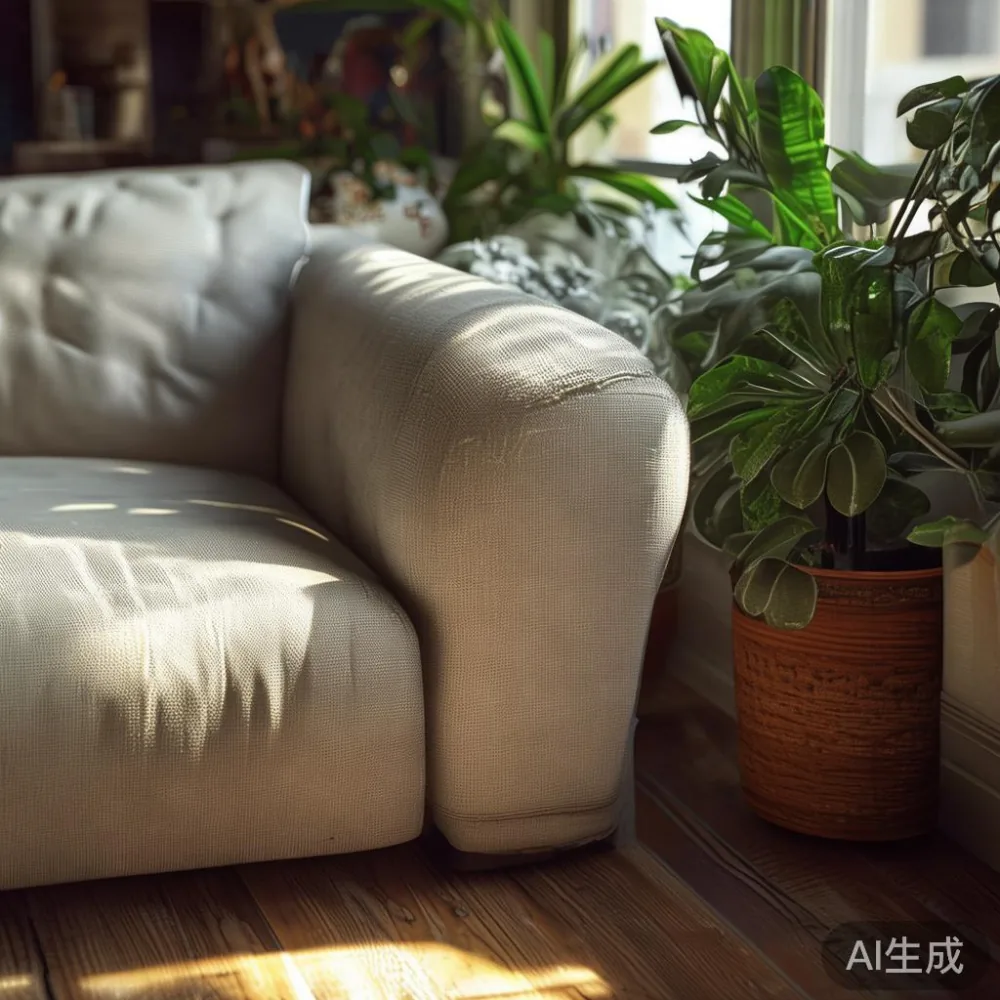
This guide explains practical fabric care for upholstered pieces nearby and the separate maintenance required for lacquered surfaces. It also considers compact homes, where furniture must move through lift lobbies and narrow corridors, and provides cleaning intervals suitable for Singapore’s year-round humidity. Prices are in SGD and exclude GST where applicable.
What makes lacquer care different in Singapore?
Lacquer is a thin, cured finish applied to wood or another prepared substrate. Unlike an oil finish, it should not be soaked, scrubbed aggressively or treated with household polish unless the product instructions permit it. In Singapore, relative humidity commonly changes through the day, while air-conditioning can make one room quite dry. A surface may therefore encounter moisture, heat and rapid drying in the same week.
For furniture care, aim for stable indoor conditions of roughly 18–28°C and about 40–65% relative humidity. Measure with an inexpensive hygrometer placed near the furniture, not directly against a wall or air-conditioning vent. In a corridor exposed to rain, keep lacquered pieces away from the doorway and use a mat that is no more than 2 cm high. For a unit with persistent condensation, improve ventilation or move the item away from the affected wall.
Heat is another concern. Keep lacquered furniture at least 60 cm from radiators and at least 1 metre from floor-level air-conditioning outlets if possible. A window with strong afternoon sun should have a sheer curtain or UV filter. Direct sun can fade colours and create a visible temperature difference of 10–15°C across a lacquered top.
How should I clean a lacquered dining table?
Clean lacquer gently and regularly rather than waiting for a visible stain. Wipe the surface with a clean microfibre cloth slightly dampened with lukewarm water. A 10 cm square cloth is enough for routine wiping. Apply cleaner to the cloth rather than the table, and use only 2–3 drops of mild pH-neutral dish soap in a bowl containing about 500 ml of water.
Wipe in the grain or along the length of the board, then remove residue with a second barely damp cloth. Dry with a separate soft cloth within 2 minutes. Never use a scouring pad, wire brush, abrasive sponge or cloth that has trapped grit. Avoid silicone, ammonia, bleach, alcohol-based glass cleaner, furniture wax and “renewing” oils unless the lacquer manufacturer specifically approves them.
Spills should be addressed immediately. Blot rather than rub. For water, use a dry cloth. For oily food residue, lift it with diluted mild soap. For paint, let it dry and use a plastic scraper; do not pull a sharp blade across the finish. If a mark remains, test a specialist lacquer cleaner on a hidden 5 cm area for at least 24 hours before treating the full surface.
A lacquered surface also needs care from objects placed on it. Use coasters with a cork or felt base, preferably 8–10 cm across, and place felt pads beneath table lamps, speakers and decorative objects. Do not place hot cookware directly on the finish. A pot at 80°C can create a mark or soften a local area of lacquer, so use a heat-resistant trivet and allow at least 15 cm of clearance from the edge.
How often should I wipe down a lacquered wardrobe, nightstand or bed frame?
For a lightly used piece, wipe once every 2 weeks. In an active HDB household with children, daily cooking or frequent hand contact, do a quick dry wipe every 2–3 days and a damp cleaning every 1–2 weeks. In a humid room or near a bathroom entrance, inspect the top and side edges monthly for haze, stickiness or tiny bubbles.
Check lacquered bedside tables for rings left by watches, perfume and water glasses. Cosmetics can interact with the finish, so keep bottles on a tray and wipe the tray and top together. For lacquered bed frames, inspect the headboard and footboard every 3 months. Pay attention to the lower 30 cm of a side panel, where damp cleaning cloths may have splashed or where luggage has caused knocks.
Small chips need a different response from superficial marks. Photograph the damage in daylight, clean the area, and measure the chip with a ruler. If it is under 2 mm, consult the furniture maker before applying a colour-matched touch-up product. A larger chip may require sanding, recoating or replacement of the panel. Deep scratches exposing bare wood are best left to a refinishing specialist rather than covered with ordinary furniture polish.
Can humidity damage lacquered solid wood furniture?
Humidity can affect the wood beneath a sound lacquer film even when the surface looks intact. Solid wood expands as it absorbs moisture and contracts as it dries. Poorly sealed end grain, joints and panel edges are more vulnerable than broad finished faces. Watch for a gap opening around a drawer, a door catching at the top or a dining table top bowing by more than 3 mm across its width.
Use a hygrometer to check the space, and avoid comparing readings taken at different times without recording them. A short-term shift of 10% relative humidity may be manageable, but repeated movement can stress joints and coatings. Keep the item 10–20 cm away from an exterior wall when space allows, especially in Bedok, Tampines and Punggol homes with smooth walls and limited airflow.
Do not place damp towels directly against lacquer. Hang them on a separate rack so the wood remains dry. If a lacquered marble table is also present, treat it according to its stone type: natural marble is generally pH-sensitive and should not receive acidic cleaners. Wipe acidic liquids such as citrus juice, wine and vinegar within 10 minutes, then dry the surface.
For new purchases, ask the supplier how the lacquer was sealed, which cleaners are approved and whether recoating is available. MIDHILL provides a 10-year structural warranty and lifetime refinishing, which can help owners plan repairs without replacing an entire solid wood sofa, bed frame, dining table, wardrobe or nightstand. Warranty and refinishing terms should be read with the care requirements, since avoidable moisture damage may affect coverage.
How can I protect lacquer when moving it through a lift and corridor?
Plan the route before delivery day. Measure the item, lift doors, turning corners and corridor sections. For many Singapore HDB access routes, a sofa should be checked at a maximum width of 90–100 cm, while a large wardrobe may need to be assembled inside the flat. The actual building rules and lift dimensions must be confirmed with the management office. Book the delivery slot at least 3 days ahead.
Wrap lacquered corners with 2–3 cm foam or soft blankets, then cover the item in a breathable dust sheet. Do not seal wood tightly in plastic for more than 24 hours because trapped humidity can cause haze or mildew. Label detachable parts with masking tape, but do not tape directly onto lacquer. Use a two-person lift for pieces over 25 kg, and lift from the base rather than pulling by a rail, handle or foot.
Protect the route with floor guards where trolleys may cross the lobby. Carry a clean cloth and small inspection light so any impact can be checked immediately. If a new dent appears, photograph it before moving the item again and contact the maker. Delivery charges should be confirmed in writing; MIDHILL offers free shipping on orders over US$350, although local Singapore delivery terms and GST should be checked at checkout.
Positioning matters after delivery. Keep lacquered pieces out of busy circulation lanes where shoes, bags and cleaning tools frequently strike them. Leave 5 cm behind a wardrobe and 8–10 cm between a bed frame and a wall when the room allows. These gaps improve drying and make inspection easier.
What about fabric care around lacquered furniture?
Fabric care protects upholstery while helping you avoid repeated damp cleaning that could wet nearby lacquered timber. Vacuum a solid wood sofa weekly with a 5 cm nozzle attachment, including the gap between seat cushions and the back. Use the upholstery’s care label and do not assume that “spot clean” means the whole cover can be washed. For a washable cover, use cool water around 30°C and air-dry it fully before reinstalling it.
Leather or faux-leather seating should be wiped with a dry or lightly damp cloth and conditioned only if the manufacturer permits it. Keep conditioners 10 cm away from lacquered arms or tables so oily residue is not transferred. For fabric upholstery, blot spills within 15 minutes. Do not rub a stain, because pressure can push it into the fibres. Test any cleaner on a concealed 2 cm area for 24 hours.
Fabric care also includes environmental control. A sofa that remains damp after rain should be dried with airflow, not a high-powered heater. Keep cushions apart for 2–3 hours after cleaning and vacuum again once dry. This prevents odour and mildew around a lacquered coffee table or TV console.
Design vocabulary can distract from maintenance, but it should not be used to excuse poor material care. French light luxury often pairs pale upholstery with clean lacquered forms. American light luxury favours broad, upholstered silhouettes. Post-modern light luxury may combine sculptural timber with contrasting stone. When comparing a light luxury sofa vs Italian light luxury sofa, consider lacquer sheen, wood stability, fabric care labels and the availability of repairs, not appearance alone.
A similar distinction appears in the Italian light luxury TV console and the Modern light luxury dressing table categories. A polished console may show fingerprints more readily than a textured timber piece, while a dressing table near a bathroom needs frequent spill management. The phrase Italian light luxury TV console appears in design discussions, yet origin alone does not determine how a surface should be maintained.
For the same reason, compare a light luxury sofa vs Modern sofa by frame material, cushion construction, textile specification and warranty support. The MIDHILL light luxury sofa range includes lacquered solid wood options that can suit a compact living room, provided the owner follows the approved cleaning method. MIDHILL dining table buyers should also record the finish type and retain the care leaflet for future use.
The MIDHILL light luxury bed should be cared for as both a timber product and a surface that receives bedding oils and perspiration. Vacuum around the headboard monthly, and inspect lacquer joints every 6 months. These routines can preserve the clean lines expected in light luxury furniture without trapping moisture in Singapore’s climate.
How can I tell if a lacquer mark needs professional care?
Start with a simple three-step test. Clean the mark as described, let the area dry for 30 minutes under normal indoor conditions, and inspect it under indirect daylight. Compare the affected area with a hidden section of the same panel. A mark that disappears after cleaning is usually a surface residue. A dull patch that remains may indicate finish haze. A scratch exposing timber, a lifted edge, bubbling or a broad dull area needs closer assessment.
Do not continue testing with increasingly strong chemicals. One failed attempt can turn a small repair into a larger refinishing job. Record the size in centimetres, the finish colour, the lighting conditions and the date. For bubbles wider than 5 mm, a split longer than 10 mm, or a dent deeper than 1 mm, send photographs to the maker before applying heat, solvent or pressure.
Professional lacquer care may involve cleaning, abrasion, stain matching and a new clear coat. Allow the refinisher to explain whether the repair will be local or require a complete panel. Keep furniture out of the work area until the coating has cured according to the product instructions, which may range from 24 hours to several days. Good ventilation helps, and the piece should not be placed in direct sunlight while curing.
What is a practical weekly care routine for a tropical home?
On Sunday, check the weather forecast and identify the most humid room. Spend 5 minutes checking the hygrometer and 10 minutes wiping visible lacquer surfaces with a dry microfibre cloth. Vacuum one upholstered zone as part of fabric care, and inspect any item that received a drink or food spill. A 15-minute routine is enough for many apartments.
At the end of each month, clean the dining table, nightstand and other hand-contact surfaces with diluted mild soap. Inspect drawer runners, wardrobe gaps and lacquered edges. At the end of each quarter, check beneath coasters and behind movable pieces. Once a year, review the humidity pattern and whether windows, exterior walls or air-conditioning vents need attention.
Keep a small care kit: 2 microfibre cloths, a soft-bristle brush, a 10 cm coaster set, pH-neutral dish soap, a hygrometer and a ruler. Avoid products advertised as universal furniture cures. The correct cleaner depends on whether the finish is nitrocellulose, polyurethane, acrylic or another type, and an unknown coating should not be treated with solvents.
Singapore’s climate makes consistency more useful than occasional heavy cleaning. Dry cloths, protected contact points, measured humidity and immediate spill response reduce the number of repairs. That approach allows lacquered furniture to retain its reflective character while remaining practical in a Tampines flat, a Bedok condo or a Punggol home.