5-Year Cost Analysis: Veneer vs. Solid Wood in Singapore Homes
Furniture shopping in Singapore often comes down to two familiar materials: veneer and solid wood. The decision is not simply about the purchase price. For homeowners in Tampines, Bedok, and Punggol, it also affects delivery access, humidity exposure, repair work, fabric care, resale value, and the number of times a piece must be refinished over five years.
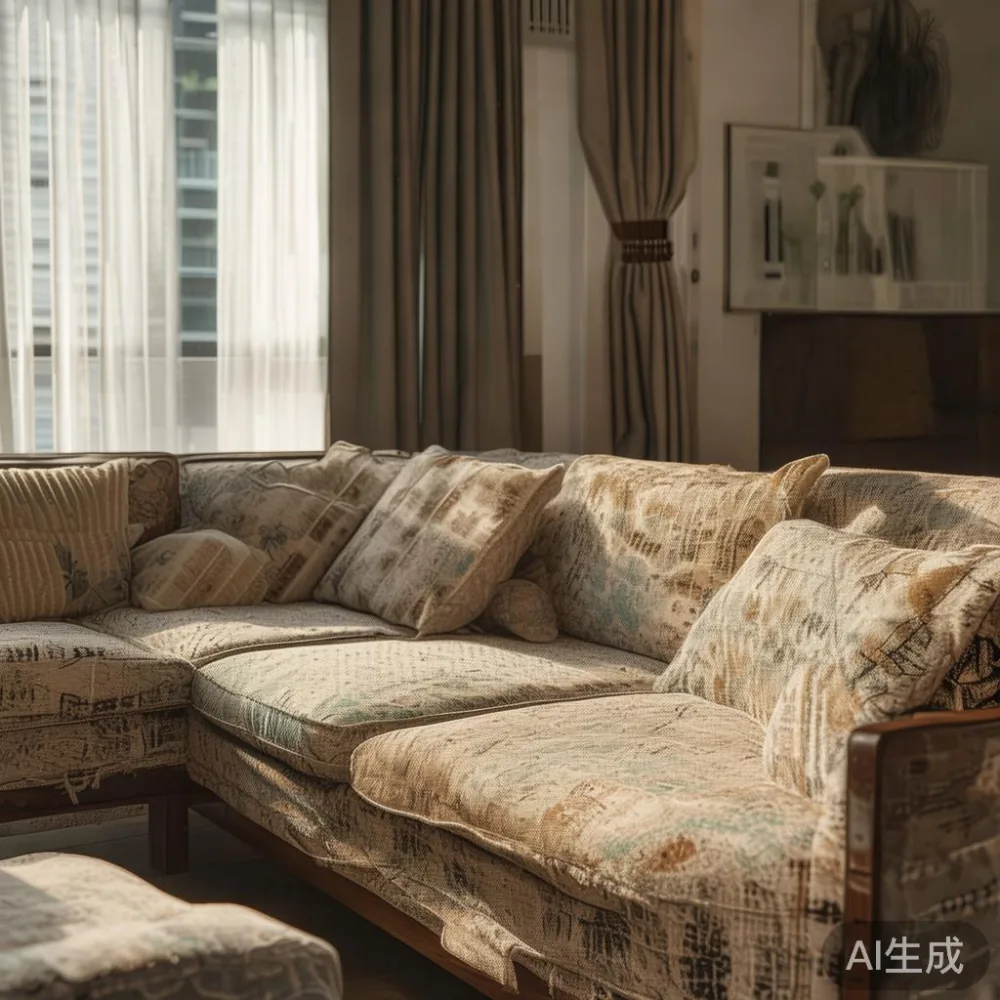
At MIDHILL, we make solid wood furniture for practical homes and refined interiors, including solid wood sofas, bed frames, dining tables, wardrobes, nightstands, and marble tables. Because our structural warranty runs for 10 years and our refinishing service extends for the lifetime of the product, we can compare materials over a useful period rather than focusing on the showroom ticket alone.
This comparison uses a five-year ownership period and typical Singapore pricing in SGD. It is designed for households buying through local furnishing retailers or directly from a maker. Actual costs depend on dimensions, species, finish, access conditions, and how carefully the furniture is maintained.
What does “5-year cost” really include?
The five-year calculation starts with the item price and includes delivery, installation, expected repair work, refinishing, cleaning supplies, and a conservative allowance for resale loss. GST is included where the quoted figures are GST-inclusive. It does not include the value of time spent moving the furniture or unexpected water damage from a leaking balcony or washing machine.
For this comparison, we use two dining tables. Model A is a 180 cm long solid oak dining table weighing 68 kg. Model B has a similar veneered top and timber frame weighing 46 kg. Both are priced with a normal furniture delivery charge to a Singapore home. We also use a 160 cm solid wood bed frame and a matching wardrobe, with indicative prices only because timber grades and drawer details create wide price bands.
The lift and corridor dimensions deserve attention before ordering. Many HDB blocks have lift doors measuring about 90 cm wide and 210 cm deep, though older buildings and retrofit lifts vary. A common condominium lift opening is 100–110 cm. A 180 cm solid wood dining table cannot turn through a tight corridor as one rigid object; it may need to be disassembled into two 90 cm sections.
Our sample solid wood table has removable leaves or detachable components that reduce the largest section to 88 × 92 cm. The veneered alternative can also be split, but some wrapped versions arrive as a single 180 cm carton. The physical difference in this test is therefore 2 cm, which is enough to affect the choice of doorway or lift depending on the building.
We also assume that delivery is free above US$350, equivalent to about SGD 465 at an indicative rate of SGD 1.33 per US$1. Orders below that threshold may attract a local delivery charge. Currency conversion rates move, so the threshold should be checked with the supplier before purchase.
What will veneer and solid wood cost over five years?
Here is a clear five-year budget for the dining table example. The solid table costs SGD 2,980 including GST, while the veneered table costs SGD 2,180. Both figures assume delivery within Singapore and normal carrying access to the dining area.
The solid table requires a protective care kit at SGD 45 in the first year and two maintenance sessions at SGD 90 each. We allow one repair at SGD 120 in year four for a minor scuff or joint tightening. At resale, we assign a 42% depreciation over five years, or SGD 1,251.60.
The veneered table requires less edge-specific maintenance, but an average SGD 55 care kit and two SGD 40 sessions are included. We allow SGD 160 for veneer repair or patch work in year four. Its resale allowance is 52%, or SGD 1,133.60. The difference in assumed resale value is therefore SGD 118, which is realistic because restored solid wood generally carries a more useful future life than a veneered sheet with a thin decorative layer.
| Five-year item | Solid wood table | Veneer table |
|---|---|---|
| Initial purchase, GST included | SGD 2,980 | SGD 2,180 |
| Care supplies and maintenance | SGD 225 | SGD 135 |
| One repair allowance | SGD 120 | SGD 160 |
| Resale value after five years | SGD 1,251.60 | SGD 1,133.60 |
| Five-year net cost | SGD 2,073.40 | SGD 1,391.40 |
The solid table costs SGD 682 more over five years in this scenario, even after crediting resale value. Put another way, the buyer pays about SGD 136.48 per year for the greater longevity and repairability. For a table used daily by four people, that may be a reasonable exchange. For a console used only twice a month, a less expensive veneered option may be more rational.
These figures should not be treated as quotations. They are planning numbers, and the numbers move with species, finish, size, and retailer. A lower-cost solid wood construction and a premium imported veneer can narrow the gap, while a poor-quality veneer can make long-term ownership expensive.
How does Singapore humidity affect veneer and solid wood?
Singapore’s humid climate is one of the main reasons material construction matters. Outdoor relative humidity commonly ranges from about 70% to 90%, while air-conditioned interiors may sit between 45% and 60%. Wood responds to moisture by expanding and contracting, and the amount of movement depends on species, panel design, and edge treatment.
Solid wood can develop small surface marks as it responds to seasonal changes, but a stable solid panel can be sanded and refinished. Veneer is a thin layer of timber or a printed wood surface bonded to a backing panel. Good-quality veneer performs well when its edges and seams are protected. Cheap edge banding, however, can peel or darken after repeated humidity cycles.
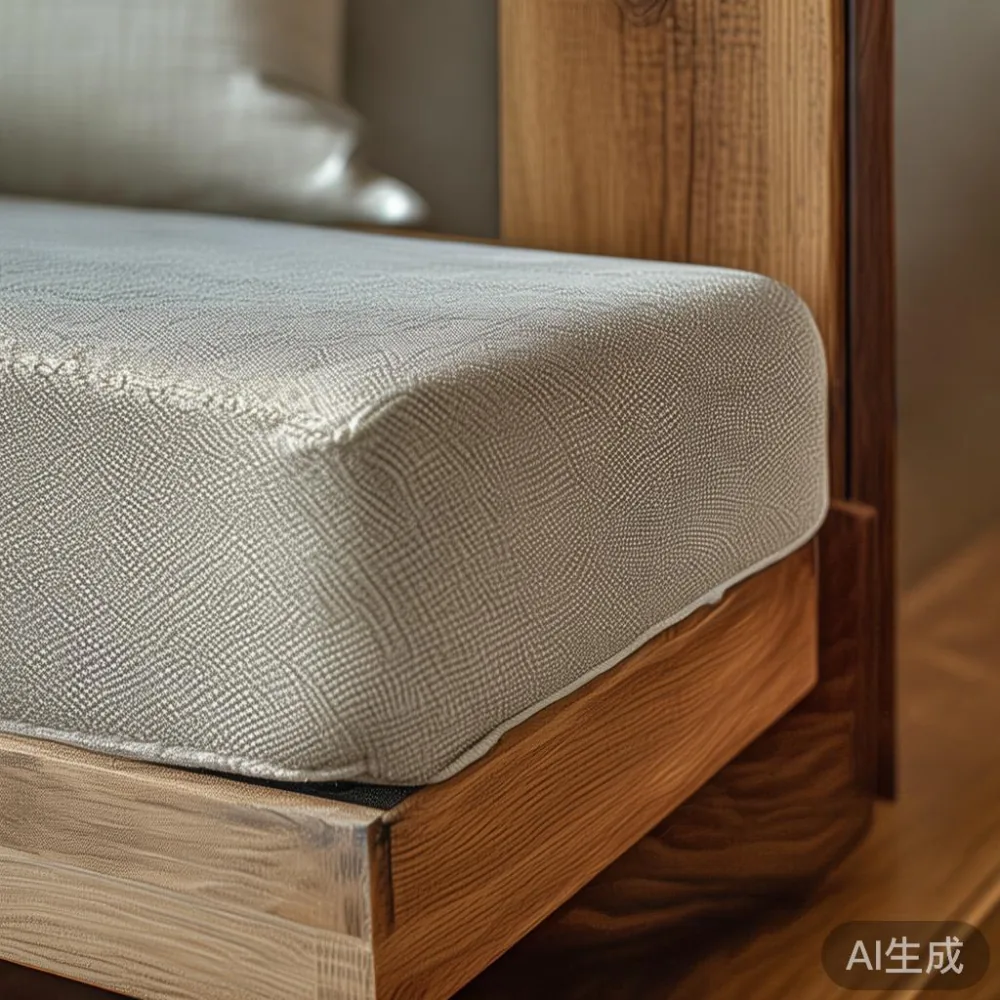
Fabric care is often discussed separately from timber care, yet the two meet on upholstered pieces. A solid wood sofa may have a timber frame with removable cushions and washable covers. Its timber base should be kept at least 15 cm from a wall where possible, with a gap of at least 5 cm for airflow. A wardrobe or nightstand should not sit against a damp exterior wall with no ventilation.
Use a wood pH-neutral cleaner rather than a soaking wet cloth. Wipe the surface, allow 20 minutes for moisture to settle, and then dry it with a clean cloth. Keep silicone spray, candle wax, and air freshener away from the finish because repeated residue can complicate future refinishing.
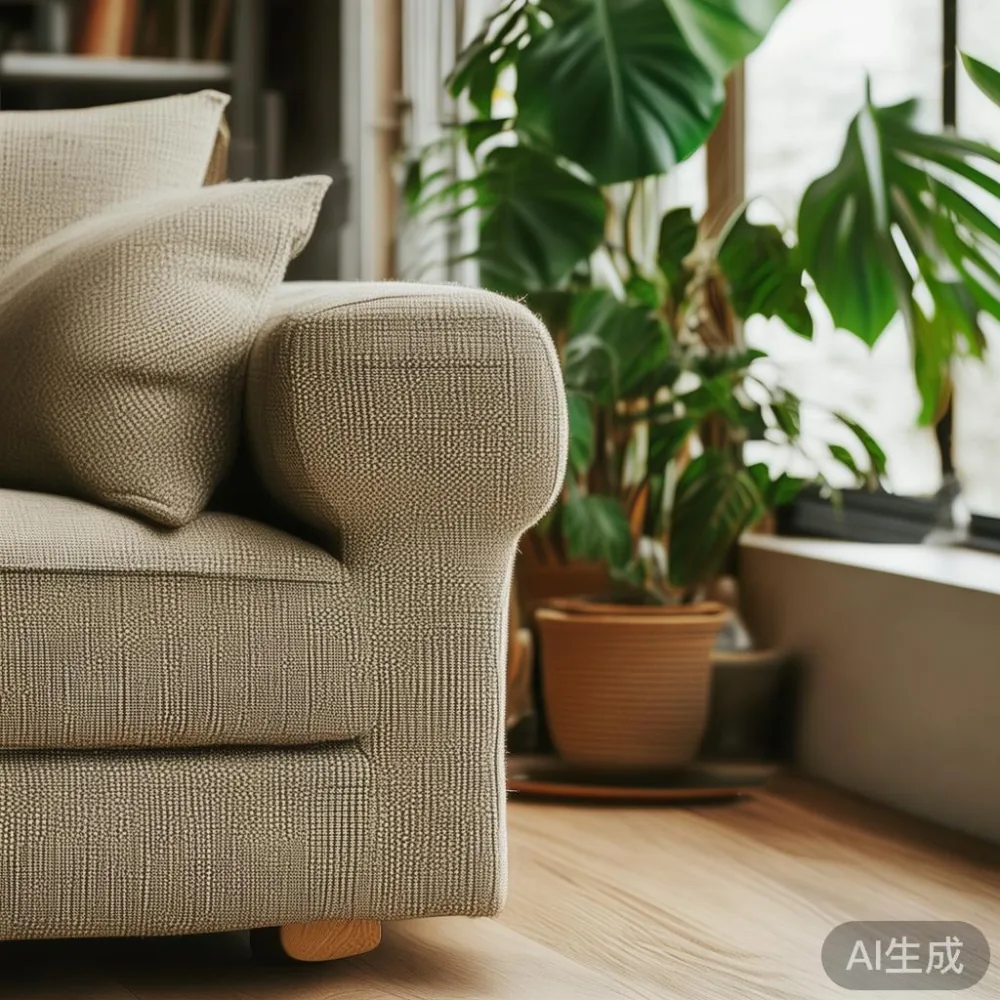
For upholstery, vacuum a fabric sofa every week and clean spills within 30 minutes. Rotate loose cushions monthly so the foam wears evenly. Check care labels for water-cleanable, solvent-clean, or dry-clean-only fabrics. Direct sunlight through a Punggol or Tampines window can fade upholstery, so a curtain or blind adds useful protection.
Humidity also affects storage, not just visible furniture. Keep solid wood pieces in a room with stable air conditioning rather than a hot, unventilated corridor. If a dining table must remain in storage for more than 30 days, stand it on its feet and avoid stacking boxes directly on the top.
Can solid wood really be repaired after five years?
Yes, when the furniture is designed with repairable joints and a finish that can be renewed. Scratches on a solid wood top can be spot-treated. A loose dining chair joint can be tightened. A wardrobe runner can be replaced. A veneered panel may also be repaired, but deep substrate damage generally requires a replacement because the decorative layer is too thin to rebuild with timber.
Last month, I visited my colleague’s Bedok condominium with a 190 cm solid wood dining table. A moving trolley had left a 12 cm scratch near the corner. The table had already survived one refinishing, and the second local repair restored the patch to match the surrounding oak tone. The repair took about 90 minutes and cost SGD 110 including materials.
That visit also showed why finishing matters. A thick, hard finish may resist moisture better but can be harder to blend during local repair. A thinner oil finish is easier to renew, although it needs more frequent care. No finish is maintenance-free.
MIDHILL’s 10-year structural warranty covers qualifying structural defects, and its lifetime refinishing service provides a practical answer to wear. The service terms should still be checked for shipping, collection, finish type, and eligible components. A warranty is not a substitute for understanding the material, but it changes the risk calculation when comparing products from different makers.
Solid wood is less attractive for someone expecting a completely untouched appearance. Deep scratches, water stains, and uneven colour can remain visible, especially on ring-porous woods such as oak. Light, intentional patina may suit French light luxury or American light luxury interiors better than a perfectly uniform factory finish.
Which option works for small Singapore homes?
Weight and access can be more important than the cheque. A 68 kg solid wood dining table needs at least two strong adults and proper lifting straps. Its detachable sections may pass through a 90 cm lift door once turned vertically, but corridor corners can still create a problem. Measure the route from the service lift to the dining area, including the door handle, skirting, and any 90-degree turn.
Allow 35 minutes to move and assemble a disassembled solid wood table. A wrapped veneered table in one carton may take 20 minutes to unpack and position. If a table must be carried up four flights because there is no service lift, the lighter 22 kg difference becomes relevant. The same 46 kg weight may still require two people and should never be carried by one person alone.
For bedrooms, a 160 cm solid wood bed frame can use slats spaced no more than 5 cm apart, with a centre support leg for longer spans. The frame may weigh 42–55 kg, depending on the species. An upholstered headboard adds another 6–12 kg and can be removed from the frame before delivery. This matters in a narrow HDB bedroom where the lift route is constrained.
Buyers comparing an Italian light luxury dressing table should check its top weight and whether the marble or stone section is removable. A marble table can look cool and precise under post-modern light luxury styling, but natural stone often weighs more than timber. A 120 cm dressing table with a marble top might weigh 38 kg, compared with 24 kg for a solid wood version of the same footprint.
French for dining room interiors often lean toward layered timber, warm textiles, and visually substantial furniture. Solid wood supports that look because the grain remains visible and develops character. A high-quality veneer can also achieve the effect, especially when applied with book-matching to a long dining top. The phrase French for dining room is useful as an aesthetic direction, not a construction specification.
Our sample wardrobe occupies 120 × 60 cm and weighs 76 kg in solid wood, compared with 54 kg for a comparable veneer model. The solid version has deeper material at the toe-kick and edges, but the savings in movement, labour, and damage risk can be meaningful for a family moving every three to four years.
What should you buy for a bed, sofa, or wardrobe?
For a bed frame, evaluate the joinery, centre support, slat spacing, and movement at the joints before focusing on the species. Search results often ask how to choose European light luxury bed or how to choose French provincial bed. The visual style can be elegant, but a straight platform frame with a supported centre rail will usually serve a Singapore bedroom more comfortably than a very wide curved frame with weak centre support.
Look for a European light luxury bed with a 160–180 cm sleeping width, a stable headboard fixing, and a finish suitable for humid rooms. A removable upholstered panel improves access and replacement options. For a French provincial bed, allow at least 10 cm of clearance on each side where space permits, and check that the carved posts do not reduce the usable mattress area.
The best Boho sofa for 2026 may appeal to buyers who want relaxed textiles, rounded forms, and a light visual profile. However, “Boho” describes a style rather than a frame material. A compact 190 cm solid wood sofa with a 72 cm depth and a 42 cm seat height can work in an HDB living room, while a deeper 95 cm model may crowd the route from the door.
For fabric care, note whether the cover is removable and whether the seams are stitched for machine washing. A loose cover may shrink by 3% if washed incorrectly, so follow the stated cold-water and drying instructions. For the best European bed for 2026, an upholstered headboard with removable fabric can offer the same cleaning route as the best Boho sofa for 2026, provided the underlying timber remains solid and stable.
For wardrobes, compare internal usable dimensions rather than exterior width. A 150 cm wardrobe may offer only 146 cm of internal hanging space if the frame includes a 2 cm front rail and 2 cm side clearance. Check the depth of the hanging rail for a 150 cm garment, drawer travel for a 65 cm chest, and the weight of mirrored doors. A solid frame may weigh more but is easier to repair at the carcass and joints.
For nightstands, look for a stable joint and a top that can tolerate a 1.5 L ring of condensation from a water bottle. Drawer runners should be replaceable. A marble table deserves the same attention: use a stable base, check the fixing method, and avoid dragging it across a tile floor.
How do you compare delivery time, warranty, and true ownership cost?
Delivery should be treated as part of the product. A Singapore-made or locally stocked piece may arrive within 7–14 days, while a made-to-order imported design may require 30–60 days. Confirm whether the delivery date is the dispatch date or the arrival date. Ask for the carton dimensions, gross weight, and whether assembly is included.
For lift access, provide door width, door depth, lift car dimensions, corridor turns, and the number of stairs. A furniture crew may quote a basic doorstep delivery and charge more for room placement or assembly. For our dining table scenario, we budget SGD 120 for room-of-choice delivery and SGD 80 for assembly. Those charges appear in the purchase assumption even when free shipping applies above US$350.
Compare warranties on structure, finish, hardware, and upholstery separately. A 10-year structural warranty is more meaningful if moving or misuse is excluded and the maker can supply spare hardware. A lifetime refinishing policy is helpful if it includes reasonable labour or clearly states its limits. Keep the invoice, finish sample, care instructions, and product photos for the full five years.
The return window also affects risk. MIDHILL offers 14-day returns, subject to the stated conditions. That period allows a buyer to inspect fit, finish, noise, and drawer movement, but assembled or used items may have different return treatment. Check the written policy before authorizing delivery to a high floor without measurements.
Use this five-year formula: purchase price plus delivery plus assembly plus care materials plus expected repairs plus financing or time costs, minus resale value. For the sample table, the solid wood total is SGD 2,073.40 and the veneer total is SGD 1,391.40. The solid option costs more, but it provides a repairable surface, a substantial frame, and a clearer long-term ownership route.
Is solid wood worth the extra cost in Singapore?
Solid wood is worth considering when the furniture is used daily, the household intends to keep it for at least five years, and repairability matters. It is especially sensible for a dining table, wardrobe, or bed frame that receives heavy use. Veneer can make sense for occasional furniture, tighter budgets, lower weight, and designs where a consistent factory appearance is important.
The key is to avoid comparing two extreme products: a premium solid wood table against a thin, poorly edged veneer table. Compare similar dimensions, joinery, drawer hardware, finish quality, warranty, and delivery terms. A good mid-range veneer table may provide a lower five-year cost without offering the same repair life, while a well-built solid wood piece can hold value through more than one house move.
Before ordering, measure the route, confirm the weight, ask for the packaging dimensions, and write down the care method. If the furniture includes upholstery, decide who will perform regular fabric care and how covers will be replaced. For timber, keep moisture controlled and schedule maintenance before damage becomes visible.
Over five years, the sample solid wood dining table carries SGD 682 more net cost than the veneered version. In return, it offers 22 kg more mass, detachable 88 cm sections, repairable timber, and a stronger basis for a French light luxury, American light luxury, or post-modern light luxury interior. The practical choice depends on how the piece will live in your home—not simply on the label attached to it.