How Humidity in Southeast Asia Affects Wood Furniture
Singapore’s warm, humid climate can change the dimensions, surface finish and comfort of a solid wood furniture piece in ways that are easy to overlook. Wood naturally exchanges moisture with the surrounding air, while upholstered items respond through their frames, cushions, joints and fabric care routine. In a compact HDB flat in Tampines, a dining table may sit only 1-2 cm from an air-conditioning vent and receive very little direct airflow. In a Bedok condo, intense afternoon sun through west-facing windows can raise surface temperatures by roughly 10-15°C above the room reading. These conditions make controlled humidity and regular fabric care more than housekeeping tasks; they protect the investment in furniture designed to remain in use for 10 years or longer.
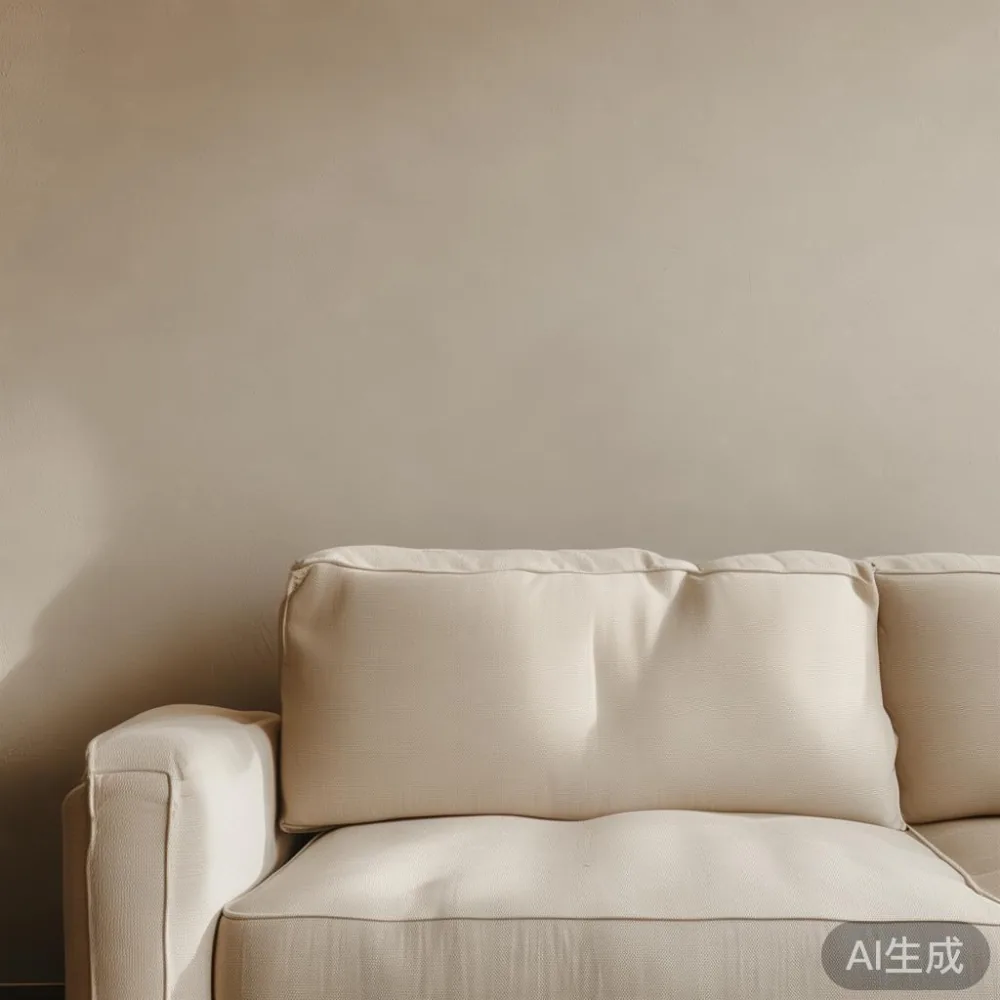
MIDHILL makes solid wood furniture for homes and hospitality projects, including solid wood sofas, bed frames, dining tables, wardrobes, nightstands and marble tables. The guidance below focuses on practical care in Singapore, with measurements that can be applied in HDB flats, private condos and similar tropical interiors.
Why does Southeast Asian humidity make wood move?
Wood is hygroscopic: it absorbs water vapour when the air is humid and releases it when the air becomes drier. The movement is small along the grain, but larger across it. A solid oak dining table with a 180 cm length might expand or contract by roughly 2-4 mm across a pronounced seasonal or indoor humidity change. Thicker slabs and wide tabletops can move more, especially when one face is exposed to air-conditioning while the other remains close to a wall.
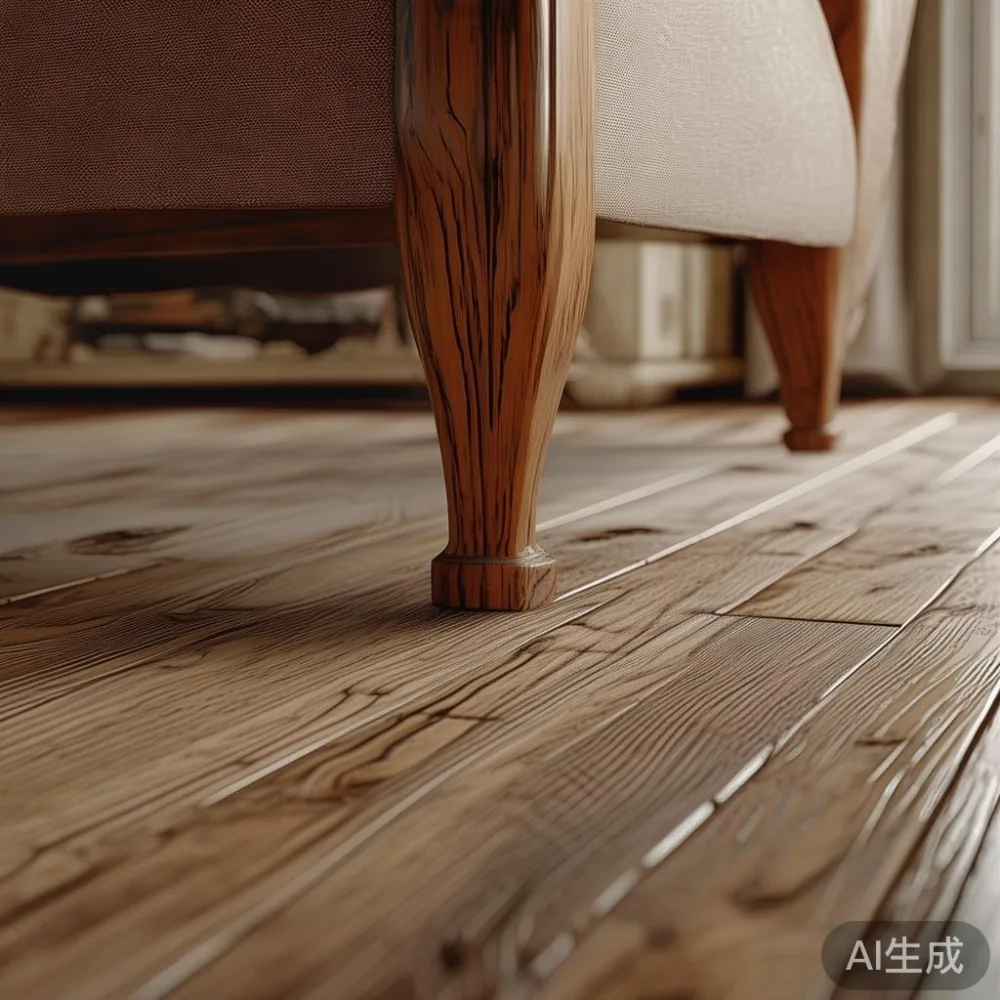
Singapore’s outdoor relative humidity commonly ranges from about 70% to 90%, while air-conditioned rooms may fall to 40% or 50%. The difference matters because repeated cycling causes the wood to swell, shrink and check. Tiny surface checks are often only 0.5-1 mm wide, but they can collect dust and make a finish appear uneven. Veneer may also show its plywood core through an edge or lifted corner. Solid wood generally tolerates this movement more predictably because each board can expand on its own, provided the construction allows that freedom.
Humidity also affects joinery. A tenon that is too tight during humid weather can stress its shoulders; a loose joint in dry air may knock under ordinary use. For a 20 kg solid wood bed frame, repeated stress around a mortise-and-tenon connection can loosen the joint over several years. For a 65-85 kg dining table, added weight increases the load on legs, aprons and floor contact points.
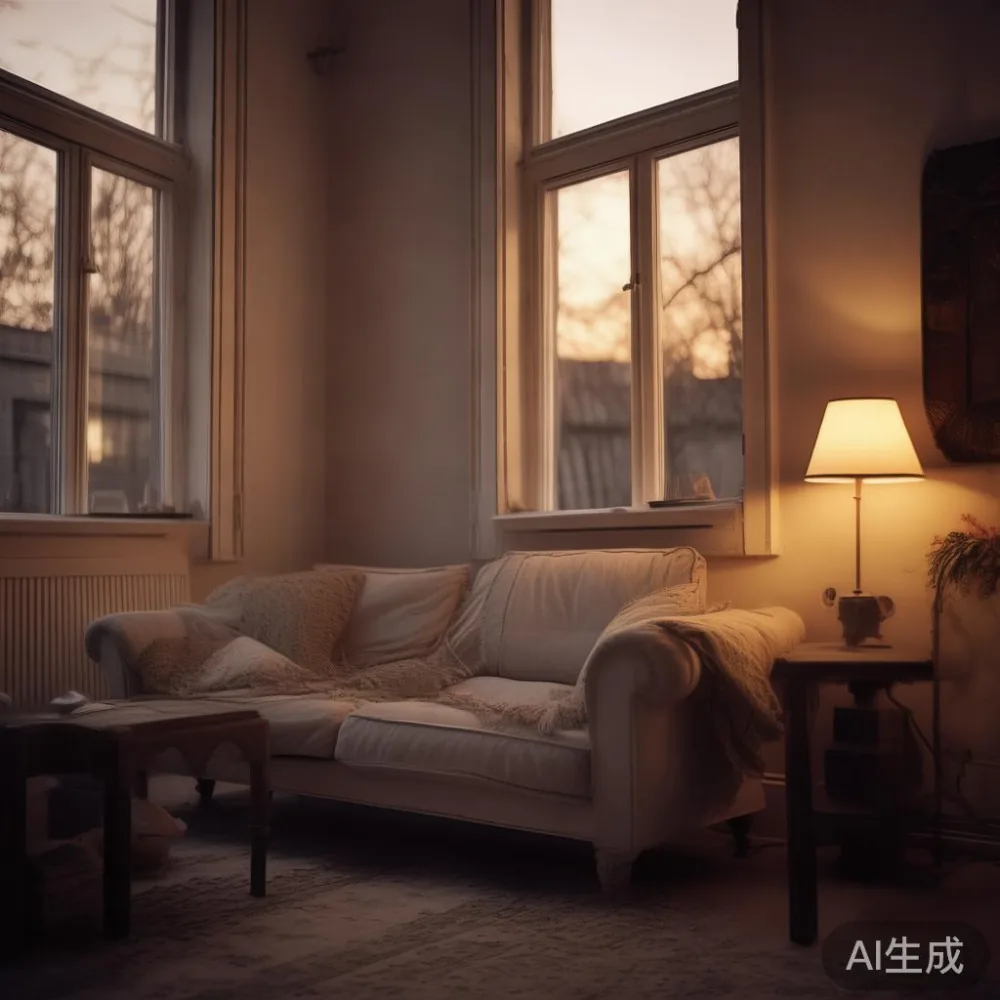
Clothing and nearby materials reveal the local conditions. A linen sofa cushion can feel damp within 24-48 hours of heavy rain if the apartment is poorly ventilated. Polyester upholstery dries more quickly but can retain a faint smell for 2-3 days. Cotton covers on a wardrobe may crease when moisture lingers. This is why fabric care and wood care should be planned together rather than treated as separate jobs.
What indoor humidity level should Singapore homes maintain?
A target relative humidity of 45-60% is practical for a mixed collection of solid wood furniture and upholstered seating. Keep the reading at least 1 m away from windows, doors and air-conditioning outlets. Record it at the same time each day for 7 days; a single morning reading can hide afternoon humidity spikes. In an unconditioned HDB flat, the daily range may be 20-30 percentage points. In a tightly air-conditioned bedroom, it may vary by 10-15 points between the sleeping area and the corridor.
Place a hygrometer near the centre of the room, around 100-120 cm above the floor. Do not put it directly beside an air vent, dehumidifier or window. The bedroom of a Punggol flat is often a useful test because warm air rises and a closed room can stay humid after the air conditioner stops. If the reading remains above 65% for more than 4 hours, improve airflow for 30-60 minutes and recheck. If it remains below 40% for several days, avoid direct, continuous cooling aimed at the furniture.
Careful placement matters in narrow HDB living rooms and corridors of about 90-120 cm. A 45-55 cm deep sideboard may block air movement if placed against a wall with only 5 cm behind it. Leave 10-15 cm where possible, or use a narrow 20-30 cm console that does not trap moisture. In condos, check balcony doors and drainage paths too. Furniture should remain 20-30 cm away from an exterior wall that has shown dampness, and at least 50 cm from a planter whose saucer can spill water.
A portable dehumidifier may help in a persistently damp room, but it should not be used as a substitute for sensible ventilation. Run it in a closed room and measure the result rather than assuming that the visible water collected in its tank represents a large reduction. Protect electrical points with an appropriate residual-current device and keep the unit at least 30 cm from furniture. Air circulation around a solid wood sofa or bed frame reduces trapped moisture without forcing a rapid change that could cause cracking.
How should I care for the wood surfaces around upholstered furniture?
Begin with routine dust removal every 7 days. Use a soft microfibre cloth with barely damp hands, wringing it thoroughly, and wipe along the grain. A full coffee cup of water is enough for most cloths; excess moisture can leave a mark, especially on walnut, oak and dark-stained finishes. Wipe a hidden 5 cm area first and allow it to dry for 30 minutes before treating the visible surface.
Keep cleaning liquids away from joints and fabric. If a solid wood sofa has loose cushions, remove them before cleaning the frame. Vacuum with a brush attachment at low suction for 2-3 minutes per cushion, then blot rather than rub. For a dining table, clean spills within 10 minutes and dry the surface immediately. For a marble table, use a neutral stone cleaner and avoid acidic liquids such as vinegar, lemon juice or cola. Even diluted acid can dull a polished marble finish.
Use coasters and trivets rather than decorative mats alone. A ceramic coaster may reduce heat transfer by 5-10°C, but a thin cloth mat can trap water underneath. Place it on a solid wood nightstand, use a 12-15 cm trivet under a lamp, and avoid standing a damp glass directly on the timber. Hot beverage containers should be moved before 65°C, and no item should remain in direct sunlight for more than 2-3 hours a day.
Do not rely on silicone oil or furniture polish to solve dimensional movement. Polish may improve the sheen, but it cannot prevent swelling. Re-oil unfinished or oil-finished wood only when the surface looks dry or uneven, usually every 12-24 months indoors. Apply a small amount to a lint-free cloth, allow the timber to absorb it for 15-20 minutes, and wipe off the residue.
When selecting new furniture, check underside access. A bed frame with a 10-15 cm clearance from the floor is easier to inspect for moisture and pests. A dining table should have stable floor glides; uneven glides can rock the top and stress the joints. Look for a finish that can accept a maintenance coat, and ask how exposed edges are sealed. MIDHILL provides a 10-year structural warranty, and its lifetime refinishing service supports long-term care, although the finish still benefits from controlled humidity.
What fabric care routine works for a humid Singapore home?
Vacuum upholstery every 1-2 weeks and clean spills immediately. Before using any liquid, check the care label and test a 10 cm square in a concealed area for 24 hours. A common approach for a removable cotton or linen cover is lukewarm water at no more than 40°C with a small quantity of mild detergent. Soak for no more than 10 minutes, rinse by hand, press out water with towels and dry flat in shade.
Do not machine-wash a sofa or bed-frame upholstered panel unless the manufacturer specifically permits it. Foam can absorb water and take several days to dry inside the cover. If a washable cover has a zip, open it, separate the foam or filling where instructed, and clean both parts. Keep moisture away from the timber frame and hold the cover away from the floor until it is completely dry.
Fabric care becomes more demanding after the monsoon period. Singapore’s relative humidity may remain above 80% for 5-10 days, and thick cushions can develop a musty odour even without a visible stain. Air the room for 1-2 hours when outdoor humidity falls below 75%, then run the air conditioner for 30-45 minutes with the fan on low. Position the sofa away from the vent by at least 1 m so that the airflow does not overshoot the fabric.
Baking soda can absorb odours, but it should not sit on upholstery for more than 8-12 hours and must be vacuumed thoroughly. Activated charcoal bags work passively in wardrobes and closed cabinets; replace or reactivate them according to the instructions. Keep packets at least 10 cm from damp wood, since charcoal is designed to collect moisture as well as odour.
Laundry detergent can leave a sticky residue after repeated use. Use a measured amount rather than adding extra for scent, rinse covers twice, and dry them fully before reinstalling. For a bedroom wardrobe in Bedok or Tampines, leave the doors open for 20-30 minutes after cleaning. A cedar block or charcoal sachet can be placed inside, but it should not touch clothing that needs frequent use.
How do HDB lifts, corridors and condo layouts affect furniture care?
Delivery and placement are part of moisture management. In many older HDB blocks, a standard passenger lift measures about 110 cm wide by 140 cm deep, with a door opening near 80-90 cm. A solid wood bed frame may need to be carried in 3-6 sections, while a dining table may have to turn through a 90 cm landing. Measure the lift door, corridor, staircase and apartment route before delivery; a piece that fits the lift may still be difficult to rotate at a landing.
MIDHILL offers delivery coordination, and qualifying orders over US$350 qualify for free shipping under the stated policy, with pricing presented here in SGD for local relevance. When a lift is too narrow, professional carriers may use a shoulder pole or remove protective panels, but this should be planned rather than improvised. Compare the route with the packaged dimensions, not just the furniture dimensions. Allow an extra 5-10 cm for packaging, trolleys and hand clearance.
In a typical Punggol or Tampines flat, protect the timber during the final 10-20 m of corridor travel. Wrap each component in clean moving blankets and secure them with soft straps. Do not tape directly to a finished surface. After arrival, acclimatise the furniture for 24-48 hours before tightening adjustable feet or removing protective spacers. A newly installed wardrobe may need 48-72 hours if it has been transported in humid conditions without climate-controlled storage.
Condo service corridors and air-conditioned lobbies can create very dry conditions compared with the home. A piece moved from a 45% humidity corridor into an 80% humidity room may respond quickly. Give solid wood 48-72 hours to settle and avoid installing it immediately beside a sunlit balcony door. For a marble table, carry it upright with two people if its weight exceeds 30 kg, and use the supplied or suitable lifting equipment rather than dragging it across tile.
How do I choose furniture that will handle tropical humidity?
Choose construction over decoration. Solid wood throughout a bed frame, dining table or wardrobe is easier to maintain than a mixed substrate, while quality hardware and sealed edges remain important. Check that drawers have enough clearance to move as timber expands. A wardrobe with 2-3 mm of running clearance is more practical in Singapore than a tight zero-clearance fit, particularly for sliding doors that may be fitted by the installer.
For an upholstered solid wood sofa, compare frame depth, cushion construction and removable covers with your cleaning habits. A tight weave usually resists penetration better than an open, loosely woven textile, but colourfastness and washability still require testing. Buyers comparing European light luxury sofa vs Japandi sofa should examine material labels, fill types and cover access with equal attention; style should not obscure maintenance needs.
Material choices also matter when researching how to choose Japanese wardrobe. Look for stable joinery, moisture-resistant finishes, smooth drawer runners and adjustable feet that can compensate for a floor reading 2-3 mm out of level. During research for how to choose French bed, check the clearance beneath the frame, the ventilation around the headboard and whether the upholstery can be removed for cleaning. A French-style bed can suit a 10-12 m² HDB bedroom, but its visual footprint should not block the only air-conditioning outlet.
Design references can help with proportion rather than humidity, particularly for Mid-century modern for small living room layouts. A 150-160 cm solid wood sofa may leave only 45-60 cm of walking space in a compact living room, while a 100-120 cm console can support a television without crowding the air route. In a study of how to style American bed in room, the practical priorities are 5-10 cm around the frame, a reachable socket for the air conditioner and enough distance from a window to reduce direct sun.
For readers assembling a broader reference list of top 10 Post-modern furniture pieces, note the dimensions of each candidate and whether its surface can be maintained in a tropical interior. A marble table needs pH-neutral cleaners; a solid wood dining table needs coasters and annual inspections; a nightstand needs stable floor contact. If a MIDHILL sofa is under consideration, ask for the removable-cover and frame-care details in writing.
When should a Singapore homeowner call a professional for wood movement?
Small surface checks under 1 mm can be monitored, particularly if the furniture has remained stable through a wet and dry period. Inspect the underside every 3 months in a humid area. Use a straightedge across a table top or door panel; a gap larger than 2-3 mm, rocking of more than 3 mm, or a joint that opens under light pressure deserves professional attention. Do not sand or tighten a swollen joint yourself, because the wood may move again as conditions change.
Call a furniture professional when there is active mould, a split through the full thickness, a loose leg, a warped table top or water exposure lasting more than 24 hours. Photograph the damage in good light, record the room humidity, and keep the area ventilated. Do not place a dehumidifier directly over the piece or use extreme heat to dry it. The goal is stable air movement rather than rapid heating or cooling.
For infestations, isolate the item and identify the insect before treatment. Common signs include fine dust below the base, 1-2 mm exit holes or webbing. Bag small movable items such as a nightstand for inspection, but do not seal a large wardrobe without professional advice because trapped vapour can worsen surface damage.
What is the practical 10-minute humidity and fabric care checklist?
Once each week, check the hygrometer in the bedroom and living room, then inspect the furniture closest to windows and air-conditioning outlets. Move any cup, plant saucer or laundry dampness away from the wood. Vacuum one cushion zone and wipe the nearest table edge with a nearly dry cloth. Confirm that the wardrobe interior is dry and that a bed frame has at least 5 cm of floor clearance.
Every month, rotate cushions, check drawer movement and inspect the back of the wardrobe for moisture marks. Every 3 months, measure the table top with a straightedge and check the humidity log. Every 12 months, review oiled surfaces, fabric labels and protective finishes. The largest improvement often comes from simple placement: keep furniture 50 cm away from damp exterior walls, avoid direct afternoon sun, and maintain 45-60% relative humidity.
These measures preserve the grain, finish and upholstery that make French light luxury, American light luxury and post-modern light luxury interiors feel composed. They also support MIDHILL’s 10-year structural warranty and lifetime refinishing commitment by reducing avoidable moisture damage. With a measured routine, a solid wood sofa, bed frame, dining table, wardrobe, nightstand or marble table can remain comfortable and visually coherent through Singapore’s changing humidity.