Singapore Apartment Styling: The Art of Small Spaces
Living in a Singaporean apartment, whether a compact 45-square-meter unit in a Tampines HDB or a streamlined condo in Punggol, presents a unique design challenge. The space is often limited, but the desire for style, comfort, and functionality is infinite. The key is not to fight the small footprint but to master the art of illusion. It’s about creating an environment that feels open, airy, and thoughtfully considered, rather than cluttered and confined. This guide will walk you through practical strategies to make your small apartment feel significantly larger, focusing on smart furniture choices and an approach to fabric care that maintains a fresh, uncluttered aesthetic.
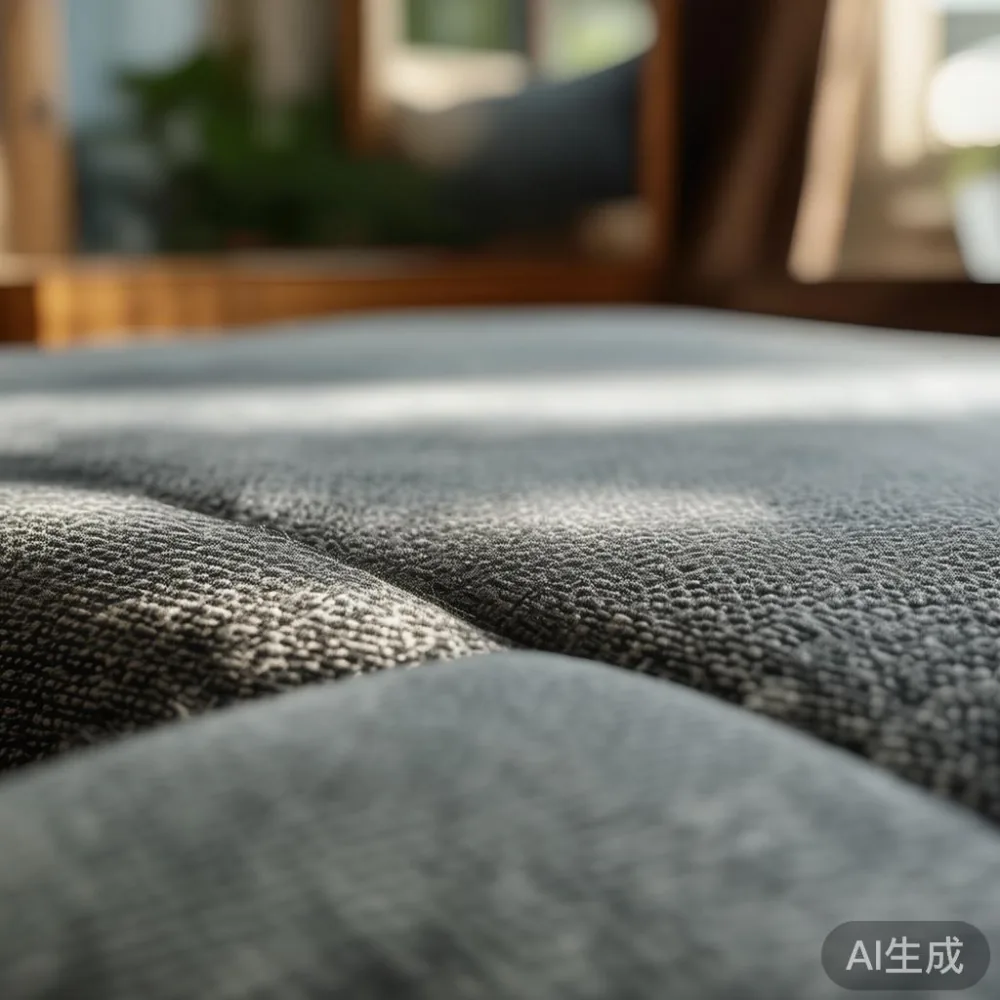
How Do You Make a Small Apartment Feel Bigger Without Renovating?
The most effective way to make a small apartment feel bigger is to manipulate perception through light, colour, and form. A full-scale renovation is not required to achieve a sense of spaciousness. The solution lies in a combination of visual tricks and intelligent furniture selection. Light is the most powerful tool at your disposal. A dark, windowless corridor in a Bedok flat can feel oppressive, but with the right lighting strategy, it can become a surprisingly welcoming space. The goal is to bounce light around the room, eliminating harsh shadows and creating a sense of depth. This is where the choice of materials and finishes becomes critical. Reflective surfaces, such as a marble table top or a high-gloss finish on a solid wood console, can amplify natural and artificial light, making walls appear to recede. Similarly, a consistent, light colour palette on walls and large furniture pieces creates a smooth, unbroken visual plane that tricks the eye into seeing a larger space. It’s a subtle but powerful transformation that can be accomplished without a single hammer strike.
Choosing Furniture That Works With, Not Against, Your Space
Furniture selection is where theory meets reality, and in a small apartment, every piece must earn its keep. Bulky, overstuffed furniture is the enemy of space. Instead, opt for pieces with a lighter visual weight. This means choosing sofas, beds, and dining tables with slender legs, as they allow the floor to show through, creating an illusion of more floor space. A solid wood sofa with a low-profile base and tapered legs will have a much smaller footprint, both physically and visually, than a giant, sectional sofa that swallows the room. The same principle applies to your dining area. A round marble table for 4 people, approximately 90cm in diameter, occupies less visual space than a bulky rectangular table, especially when the chairs can be tucked neatly underneath when not in use. Storage is another critical factor. A wardrobe that reaches the ceiling draws the eye upward, creating a sense of height. A colleague of mine recently furnished her new Punggol condo and chose a tall, slender wardrobe instead of a wide, low one. She noted how the vertical lines made her bedroom feel taller and more expansive, a simple choice with a significant impact.
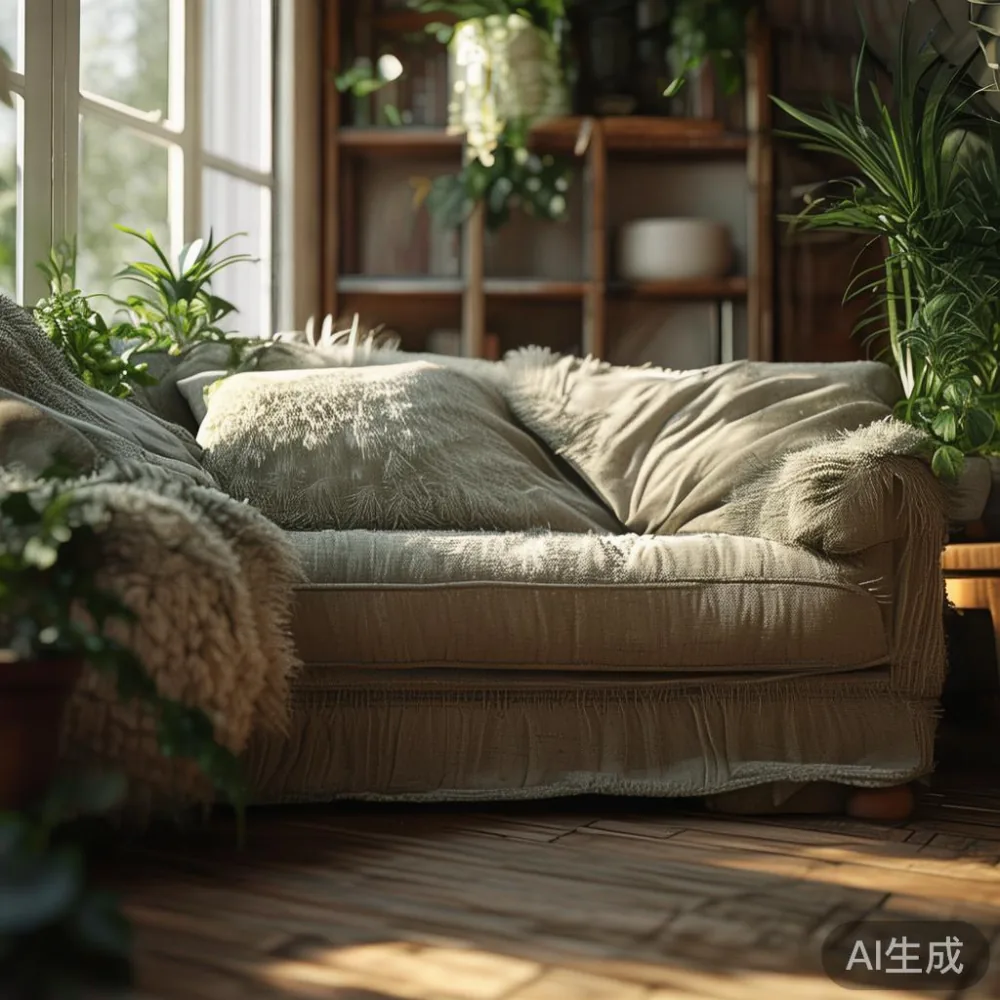
Why Is Fabric Care So Important for a Small Living Space?
In a small apartment, every surface is part of the visual landscape. This makes the state of your upholstery and textiles a focal point. Stains, dust, and wear on a sofa or a favourite armchair are impossible to ignore in a confined space. Proper fabric care is not just about maintaining the longevity of your furniture; it's about preserving the visual integrity of your entire home. A clean, well-maintained sofa in a light, neutral fabric contributes to the airy, uncluttered feeling you want to achieve. Conversely, a sofa with visible stains or a worn, matted appearance can make a room feel dated and smaller. Regular, gentle cleaning of your upholstery prevents dirt from becoming embedded, which can also lead to fabric degradation. For those with pets or children, a strict fabric care routine is non-negotiable. It ensures that your living space continues to look and feel fresh, which is fundamental to the open and airy aesthetic that defines a well-styled small home.
Strategic Placement and Multi-Functional Pieces
How you arrange your furniture is just as important as what you choose. In a Singapore HDB flat, the layout is often dictated by structural columns and fixed walls. The key is to work with these constraints. Place the largest piece of furniture, usually the bed or sofa, against the longest wall to anchor the room and create a clear focal point. Avoid floating a large sofa in the middle of a room, as this can chop up the space and make it feel smaller. For smaller items like a nightstand, choose a design that complements the bed frame without overwhelming it. A sleek, minimalist nightstand in solid wood, perhaps 40cm wide, offers storage without taking up excessive floor space. Consider multi-functional furniture. A bed with built-in drawers underneath provides invaluable storage without requiring a separate chest of drawers. A dining table that can also serve as a work desk during the day is another excellent space-saving solution. For media storage, a wall-mounted MIDHILL TV console keeps the floor clear and makes the space feel larger by drawing the eye upward.
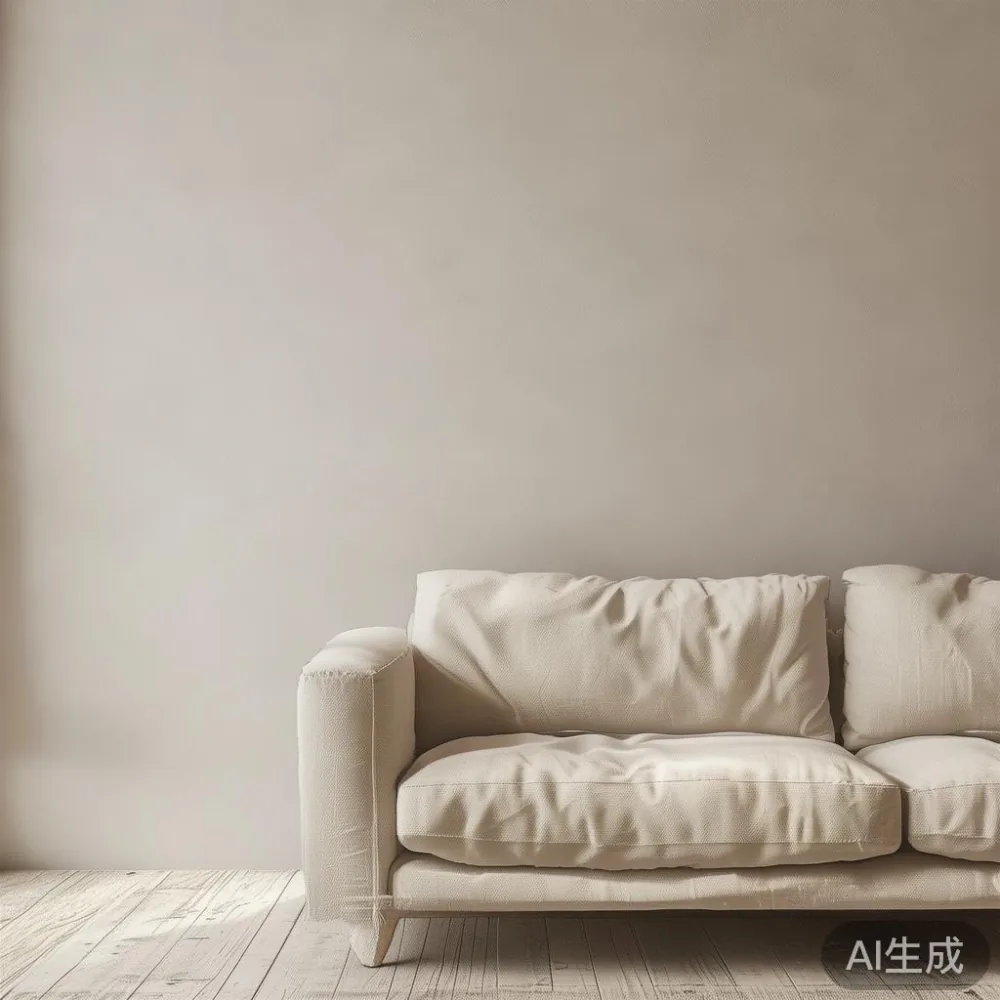
How to Choose French Bed for Your Compact Bedroom?
When selecting a bed for a small bedroom, the headboard and frame design play a key role in defining the room's character and perceived size. A French bed, often characterized by its elegant, curved headboard and refined lines, can be a perfect fit for a light luxury aesthetic. The key is to choose a design that is slender and refined. A tall, upholstered headboard can create a dramatic focal point but can also feel imposing in a low-ceilinged room. A better option might be a French-style bed with a lower-profile headboard, perhaps around 100cm in height, which adds a touch of elegance without overwhelming the space. The material is also important. A bed frame made of light-coloured solid wood or featuring a soft, textured fabric on the headboard will contribute to a warm, inviting atmosphere. The goal is to select a piece that feels sophisticated and intentional, not bulky. This approach aligns perfectly with a designer European light luxury furniture philosophy, where every detail is considered to create a harmonious and sophisticated living environment. For example, finding the best Nordic bed for 2026 might involve looking for a design that emphasizes clean lines and natural materials, which are inherently space-enhancing.
Maximizing Storage Without Cluttering
The battle for space in a small apartment is often a battle against clutter. The solution is not to own less, but to store smarter. Built-in cabinetry is the gold standard for maximizing storage while maintaining a clean look. A floor-to-ceiling wardrobe in a bedroom can provide storage for clothes, shoes, and linens, all hidden behind sleek, handleless doors that blend into the wall. When choosing a standalone wardrobe, look for designs that offer a combination of hanging space, shelves, and drawers. A best Vintage wardrobe for 2026 might feature a clever combination of open shelving for display and closed cabinets for storage, striking a balance between personality and practicality. For smaller items, use under-bed storage containers. The area under a queen-sized bed, approximately 150cm x 200cm, can easily store two to three large containers holding seasonal clothing or bedding. In the living room, a hollow ottoman that doubles as a coffee table offers a hidden compartment for blankets, magazines, or remote controls. Every piece of furniture should offer some form of storage, ensuring that every item in your home has a designated, out-of-sight home.
Lighting and Mirrors: The Final Touches
Once your furniture is in place, lighting and mirrors are the finishing touches that can improves a good design to a great one. In Singapore, where natural light can be abundant, it’s important to maximize it. Use light, sheer curtains that allow sunlight to flood the room, rather than heavy drapes that block it. At night, a layered lighting scheme is important. Avoid relying on a single, harsh overhead light. Instead, combine ambient lighting (a ceiling fixture with a warm bulb), task lighting (a bedside lamp, a floor lamp next to a reading chair), and accent lighting (a small lamp on a marble table). This creates depth and interest. Mirrors are perhaps the oldest trick in the book for making a room feel bigger, but they work. Place a large mirror opposite a window to reflect the view and light, effectively doubling your window. A tall, lean mirror in an entryway corridor can make the space feel longer. The placement is key; a mirror should reflect something beautiful, like a piece of art or a well-styled corner, rather than a cluttered closet door. When choosing a mirror, consider its frame. A simple, thin frame will have less visual weight and will contribute more to the sense of space than a thick, ornate one.
How to Choose Italian Light Luxury Wardrobe for Your Home?
Investing in a high-quality wardrobe like an Italian light luxury piece can be a transformative decision for a small home. The 'light luxury' aesthetic is defined by its emphasis on clean lines, premium materials, and a sense of understated elegance. When considering how to choose Italian light luxury wardrobe, focus on the details that make a difference. First, consider the finish. A wardrobe with a high-gloss lacquer finish reflects light beautifully, making the room feel brighter and more expansive. Alternatively, a wardrobe in a rich, warm wood veneer adds a touch of organic warmth and sophistication. The internal configuration is just as important as the external design. Look for a wardrobe with a well-thought-out interior, featuring a mix of hanging rails, shelves, and drawers that can be customized to your specific needs. A good wardrobe should have soft-close hinges and drawers, which not only feel luxurious but also prevent noise and wear. For a Singaporean home, considering the practicalities like GST and delivery times is part of the purchase process. A reputable brand will offer clear pricing and a reliable delivery schedule, ensuring your new wardrobe arrives without hassle. The right wardrobe should feel like a permanent, integrated part of your home, not just a piece of furniture that was squeezed in.
Bringing It All Together: A Cohesive Vision
Styling a small apartment is about creating a cohesive vision where every element works in harmony. It’s a balancing act between function and form, practicality and beauty. Start with a clear concept—perhaps a French light luxury living room with a neutral palette and elegant curves, or a post-modern light luxury bedroom with bold geometric shapes and mixed materials. Once you have a vision, every decision, from the colour of your walls to the shape of your nightstand, should serve that vision. Remember that a small space requires restraint. It’s better to have a few high-quality, well-chosen pieces than a collection of mediocre, mismatched items. For example, instead of buying a cheap console table now and replacing it in a year, invest in a timeless piece like a solid wood console that will last for decades. This long-term approach is not only more sustainable but also results in a more stylish and serene home. The journey to creating a spacious-feeling apartment is a process of careful curation, where every piece is chosen for its ability to contribute to the sense of calm, order, and light.