The Real Costs Behind Solid Wood Furniture
Solid wood furniture prices are shaped by more than species, styling, and the logo on the maker’s label. The hidden costs of timber, joinery, finishing, hardware, packaging, and delivery often matter more than a dramatic timber name. For Singapore households, the final figure also depends on access through HDB lift lobbies, corridor turns, staircases, and the distance from the workshop or warehouse.
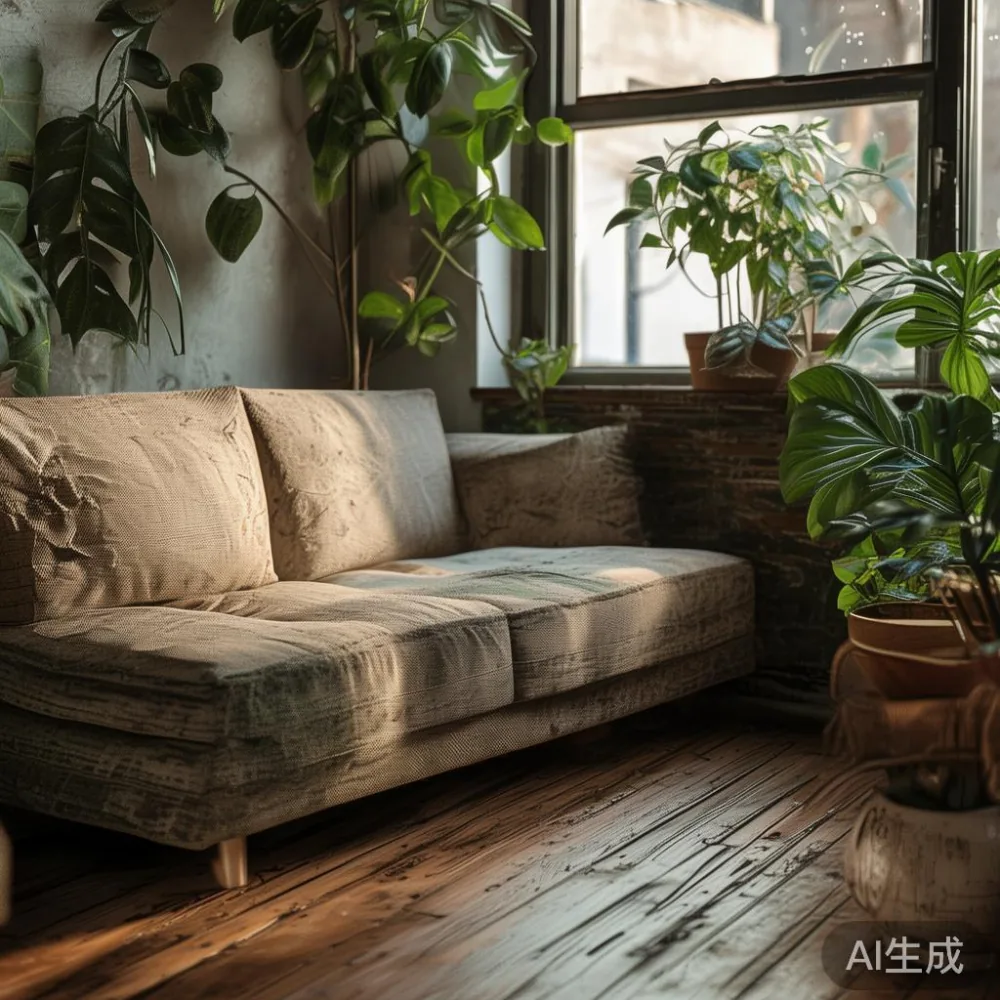
I visited a Singapore HDB flat in Tampines last month to inspect a solid wood dining table after water marks appeared around its legs. The table had not been badly made; a damp cloth had been left against the base for several weeks. Looking beneath the leaf, I found the timber to be stable, the joints tight, and the finish intact. It was a useful reminder that furniture care affects value as much as manufacturing does, especially fabric care for upholstered pieces such as a solid wood sofa.
This guide explains the actual price drivers, using measurements and costs that make sense in Singapore. It also shows where buyers can make sensible trade-offs without confusing solid wood with veneer, or discount delivery with poor protection.

What determines the price of solid wood furniture?
The starting point is the timber itself. A 180 cm dining table made from rubberwood, pine, or poplar can cost around SGD 1,400 before delivery, while comparable work in white oak, ash, or walnut may range from SGD 2,600 to SGD 5,800. These are broad project figures rather than fixed retail prices: board width, moisture treatment, defects, cutting yield, and machining tolerances can shift the result by 15% to 35%.
Tree species explains only part of the variation. Solid white oak for a 160 cm bed frame might add SGD 450 to SGD 1,200 compared with a similar kiln-dried hardwood frame. Walnut may add another SGD 600 to SGD 1,600 because of yield and market demand. Check whether the quoted price covers the entire carcass or only visible surfaces, legs, drawer parts, and decorative panels. A mixture of solid timber and plywood can be entirely legitimate for hidden components, but it should be disclosed.
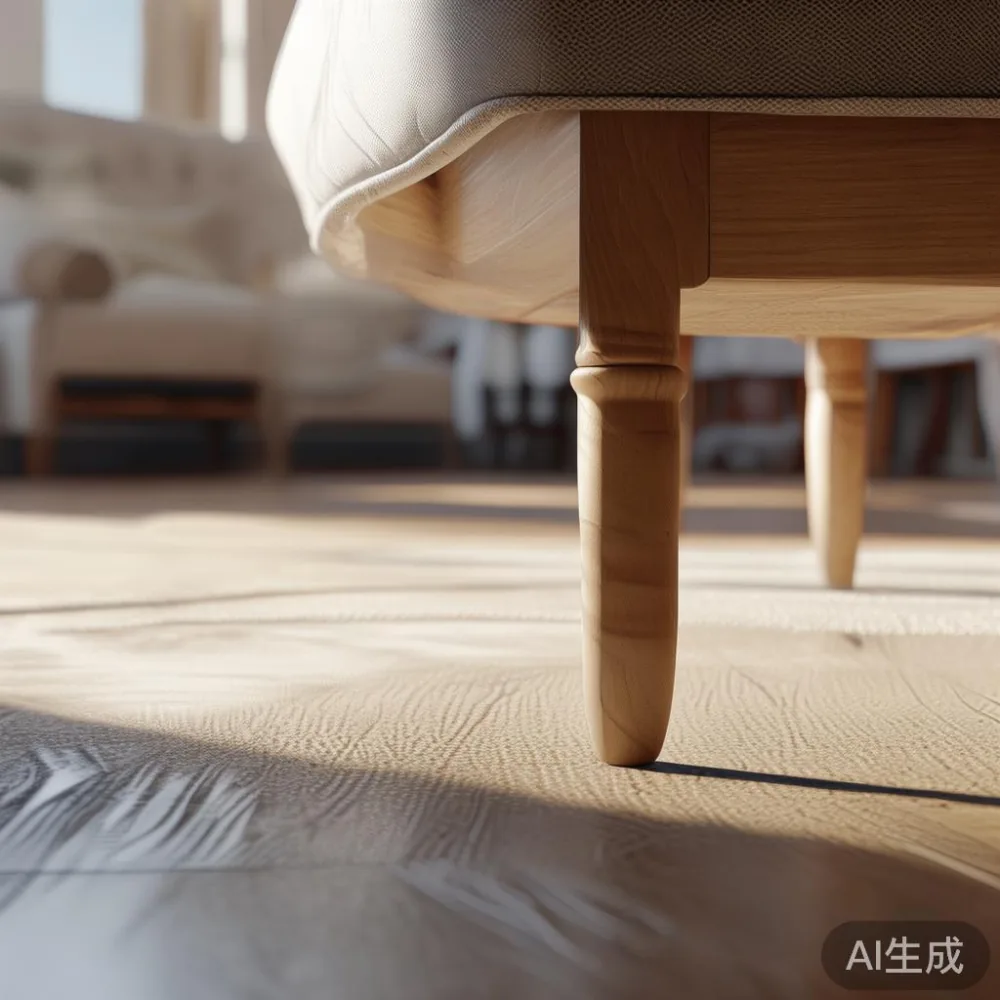
Grade and dimensions matter. A 24 mm table top weighs roughly 18 kg to 30 kg, depending on timber and length, and must resist moisture movement. Boards with knots, mineral streaks, filled cracks, or repaired fissures are often cheaper. Finger-jointed or laminated timber can reduce waste by 20% to 40%, although the bonding method, load paths, and finish still determine durability.
Here are practical reference points for common pieces:
- A 140 cm solid wood dining table in a restrained post-modern light luxury profile may be SGD 1,900 to SGD 3,400.
- A 180 cm solid wood bed frame generally falls between SGD 1,700 and SGD 4,200.
- A 120 cm wardrobe may cost SGD 1,600 to SGD 3,800, while premium fitted systems can exceed SGD 5,000.
- A 50 cm nightstand usually ranges from SGD 420 to SGD 1,100.
- A 110 cm marble table may be SGD 1,800 to SGD 4,600 because stone selection, edge treatment, and weight add cost.
These ranges include basic protective finishes and ordinary hardware. Bespoke dimensions, complex joinery, and premium surfaces move them further upward.
How much should joinery and construction add to the price?
Joinery is where hidden construction becomes visible in daily use. A solid wood bed frame should use mortise-and-tenon joints, bridle joints, dowels, or another mechanical connection at the load-bearing corners. Glue alone is not an adequate primary connection for a frame supporting two adults and repeated movement.
Drawers deserve the same attention. Dovetail joints cost more in labour than simple dowel construction, while under-mounted soft-close slides add roughly SGD 35 to SGD 120 per drawer. A full-extension slide may need a drawer box with at least 12 mm of side clearance. Hinges on a tall wardrobe can add SGD 25 to SGD 90 per door. A 210 cm wardrobe door may weigh 18 kg to 35 kg, so the hinge cup, mounting plate, and carcass alignment have to be specified properly.
Chair strength is another test. A dining chair should tolerate a static load of about 120 kg and normal repeated sitting without joint movement. Lower-cost frames may still do this, but tolerances and finishing differ. Look for braces that shorten the unsupported span between legs. A wider rail can improve rigidity, yet poorly placed braces can interfere with knees in a compact HDB dining area.
Test the samples. Pull a drawer by its handle rather than its front, press gently at the joints, and check for side-to-side play. Hardwood should sound solid rather than hollow. These checks reveal more about construction than a vague claim of “premium quality.”
Why do finishes and hardware create such large price differences?
Finish is not merely a brown layer on top. It controls the feel of the surface, repairability, cleaning, and how the timber reacts to Singapore humidity. Water-based polyurethane may add SGD 90 to SGD 260 per dining table. A hand-rubbed oil and wax treatment can add SGD 120 to SGD 350, but maintenance expectations differ. Matte finishes hide fingerprints; high-gloss finishes show scratches more clearly. Neither is automatically more protective.
Metal hardware costs can surprise buyers. A standard 80 mm cabinet hinge may retail for SGD 4, while a premium concealed hinge with damping can reach SGD 25. Imported drawer runners can be 3 to 5 times the price of standard versions. Solid brass handles may add SGD 20 to SGD 80 per fitting compared with powder-coated steel. Polished nickel, bronze, and brushed brass can suit French light luxury or American light luxury schemes, but consistency across a set matters more than the alloy name.
For a marble table, stone work can account for 20% to 40% of the total price. A 110 cm top in a common marble or quartz surface may weigh 70 kg to 130 kg. A 20 mm mitred edge needs more stone and labour than a simple eased edge; a 40 mm bullnose can consume much more material. Stone movement must be considered with the base, because a heavy top and a light frame can create instability.
Digital colour control is also useful. A supplier may provide a physical finish sample, and photographs on screens can shift considerably. Approve the final finish in daylight before production. This matters particularly for fabric choices as well as wood: for a solid wood sofa, request a textile swatch and learn the approved fabric care method before accepting the order.
Is a solid wood sofa priced mostly by its fabric care?
No. Fabric care does not set the construction price, although material choice, seam construction, and maintenance requirements affect the final quotation. A solid wood sofa can begin around SGD 1,900 for a compact three-seater and reach SGD 5,500 with deeper seating, higher-grade fabric, better suspension, and shaped arms.
Fabric grades can add roughly 15% to 60%. A 210 cm three-seat sofa may use 8 m to 14 m of upholstery cloth, depending on the pattern, seam waste, and whether the frame is fully covered. Performance fabric usually commands more than standard woven cloth, while full-grain leather can move a sofa into a much higher price band. Full aniline leather is affected by sunlight and moisture, so it requires more attentive care than corrected-grain leather.
Seams contribute through both material and labour. A tightly tailored cushion may use 25% more fabric than a loose cover because of cutting and matching. Double stitching adds time but is useful at high-contact points. For light-coloured fabrics, test the cleaning instructions on an offcut; harsh solvents can alter dye or leave a ring. This is where good fabric care begins: confirm whether the textile can be wet-cleaned, spot-cleaned, or professionally treated.
Spray soil, sunscreen transfer, and perspiration can shorten the life of pale upholstery. Rotate cushions every 2 to 3 months, keep textiles at least 30 cm away from direct sunlight where possible, and vacuum with a brush attachment weekly. Follow the maker’s pH and solvent guidance. “Natural” fibre does not automatically mean stain resistant.
How much do design details and dimensions add?
Curves and compound angles cost more than square components because they require templates, jigs, sanding, and repeated fitting. A gently curved bed frame may add SGD 250 to SGD 900. A dining table with a waterfall edge can add SGD 300 to SGD 800, depending on thickness and timber. A rounded marble table edge may add SGD 220 to SGD 650.
Size affects labour and delivery as much as timber. A 220 cm dining table may weigh 65 kg to 105 kg. The same table in a 240 cm version may exceed 125 kg. Standard HDB lift doors often measure about 90 cm wide and 210 cm high, with interior cabs near 140 cm deep and 110 cm wide. However, lift dimensions vary, and the corridor and turning radius may be the real constraint.
Ask the supplier for the packaged length, width, height, and weight of every large item. For a bed frame, separate cartons can be easier to carry than one heavy box. A knock-down wardrobe is easier to transport, yet it can require 2 to 4 hours of assembly. These factors should appear in the quotation, not appear as a surprise on delivery day.
Design also affects machining and yield. A post-modern light luxury bed with stepped rails, rounded corners, and contrasting metal inlays needs more setup than a plain slab. Minimalist for dining room design is usually less expensive because it uses fewer profiles, but scale and timber remain decisive. The useful question is whether each design detail improves use or merely adds visual complexity.
How should Singapore buyers compare delivery and service costs?
Delivery is part of the furniture price, especially for heavy products. A normal curbside delivery in Singapore may add SGD 80 to SGD 180 for one dining table. Carrying a bed frame upstairs to a 12th-floor HDB flat without a lift may add SGD 150 to SGD 350. A two-person crew for a wardrobe may add SGD 220 to SGD 500, with a crane required in some access situations.
Measure the route before ordering. Record the door width, lift door, lift car dimensions, corridor turns, and any 90 mm thresholds. A 210 cm mattress can flex but should not be forced around a sharp landing. A 120 cm nightstand is easy to manage, whereas a 200 cm wardrobe may need to be transported in sections. The delivered price should therefore include realistic access questions rather than an unrealistic one-line delivery fee.
Service terms have financial value too. MIDHILL has operated since 2008 and exports to more than 15 countries. Its 10-year structural warranty and lifetime refinishing policy can make two similarly priced pieces economically different. Lifetime refinishing does not mean every accidental scratch disappears free of charge; confirm whether labour, return transport, and new materials are included. The 14-day return period should also be checked against assembled furniture, custom dimensions, and fabric treatment rules.
Buyers in Tampines, Bedok, and Punggol should request an installation slot and delivery-day contact. Allow 7 to 14 delivery days for standard Singapore orders, and 21 to 35 days for made-to-measure pieces. Planning prevents rushed access checks and reduces the chance of damage during a late-night delivery.
What should a Singapore buyer ask before paying for solid wood furniture?
Ask for a written breakdown: solid wood species and components, board dimensions, joinery, finish, hardware, dimensions, net weight, and packaged measurements. Request photographs of the underside, drawer boxes, and joints. These images help distinguish solid construction from a timber-look panel.
Next, confirm the moisture and climate expectations. Interior timber may move by roughly 1% to 3% across seasonal humidity changes, so the top of a solid wood dining table should be able to “float” over its frame rather than being rigidly trapped. For outdoor or balcony use, specify outdoor-rated timber and hardware separately; indoor solid wood is not automatically suitable for a wet balcony.
Keep a maintenance record with the invoice. Dust a table weekly, wipe spills within 30 minutes, and avoid placing a steaming bowl directly on the surface. Use a felt pad under vases and refresh the finish every 12 to 24 months if the maker recommends it. For a solid wood sofa, write down the fabric care instructions and test any cleaner on a concealed section. For a bed frame, inspect the fixing bolts every 6 months, particularly after moving it for cleaning.
Price comparisons should use the same specification. Compare a 180 cm solid wood dining table with another of the same timber, thickness, finish, and hardware—not with a smaller veneer table. Compare a solid wood bed frame with the same mattress support, slat spacing, and warranty. A marble table should be compared by stone type, top thickness, edge profile, and base construction.
Where do custom dimensions and visual references affect cost?
Custom sizing can add 10% to 30% over a standard product because of cutting, templating, longer components, and separate packaging. A dining table cut to 176 cm rather than 180 cm may cost the same in timber but extra in labour. The same principle applies to a wardrobe fitted to an angled HDB bedroom wall or a nightstand cut around a water pipe.
Design vocabulary can also influence quotations. Buyers researching cheap French provincial furniture may find low headline prices, yet should check whether the piece is solid wood, how the frame is joined, and whether the finish is spray-applied. Searching for the best Modern light luxury wardrobe for 2026 can generate useful style references, but a fashionable silhouette does not guarantee sound drawer boxes or durable hinges. If you are comparing wholesale light luxury furniture, ask for the actual timber thickness and construction details rather than relying on a style label.
Room planning affects value. In a 95 m² HDB flat, a 200 cm bed may leave insufficient clearance if the wardrobe needs 60 cm of door swing and the opposite side requires 55 cm. A Modern light luxury bed can suit a compact room when the headboard is kept below 110 cm, but the mattress size and sliding-door layout matter more than decorative details. Searching for guidance on how to style light luxury bed in bedroom ideas is best followed by a taped floor plan using dimensions to scale.
The most useful reference for a MIDHILL TV console should include its internal layout, cable clearances, and wall fixing method. A 180 cm console with a 40 cm top may support a 120 cm television, yet the base cabinet should include ventilated cable routes and service openings. Style can be French light luxury, American light luxury, or post-modern light luxury; price should still reflect the wood, joints, finish, and hardware.
How can you tell if a price is fair?
A fair price connects every visible and hidden element to a measurable requirement. Solid timber thickness, yield, and moisture preparation establish the material cost. Joinery and tolerances explain the labour. Finish, hardware, and packing add the controllable costs. Access, installation, warranty, and after-sales work account for the service.
Be cautious with quotes that are dramatically below the market without explaining the difference. A dining table may use thinner boards, finger-jointed components, particleboard in hidden areas, or a simpler finish. That can still be suitable, but it should be presented honestly. The danger is paying for a description that does not match the delivered product.
Conversely, an expensive piece is not automatically well made. A marble table with an oversized slab may be heavy and difficult to move without the quality of its base, edge, and fixing system. A solid wood sofa with attractive fabric may have weak webbing, a thin frame, or poor cushion recovery. Examine load paths, movement, and serviceability.
Before payment, ask for the final production drawing and a sample of the finish. Verify the warranty duration, refinishing scope, return conditions, and delivery charge in writing. Keep the order number, timber specification, and fabric care sheet together. For 10 years of structural use, documentation is as practical as the furniture itself.