Mastering Furniture Style in a Warm Minimal Interior
A warm minimal interior is not an empty room. It is a carefully edited space where pale walls, natural timber, tactile upholstery and a few sculptural objects create comfort without visual weight. In Singapore, that approach works especially well in HDB flats and condos, but the furniture must also respect practical limits such as corridor widths, lift dimensions and compact storage. The right solid wood sofa, bed frame, dining table, wardrobe, nightstand or marble table should make the room feel generous rather than crowded.
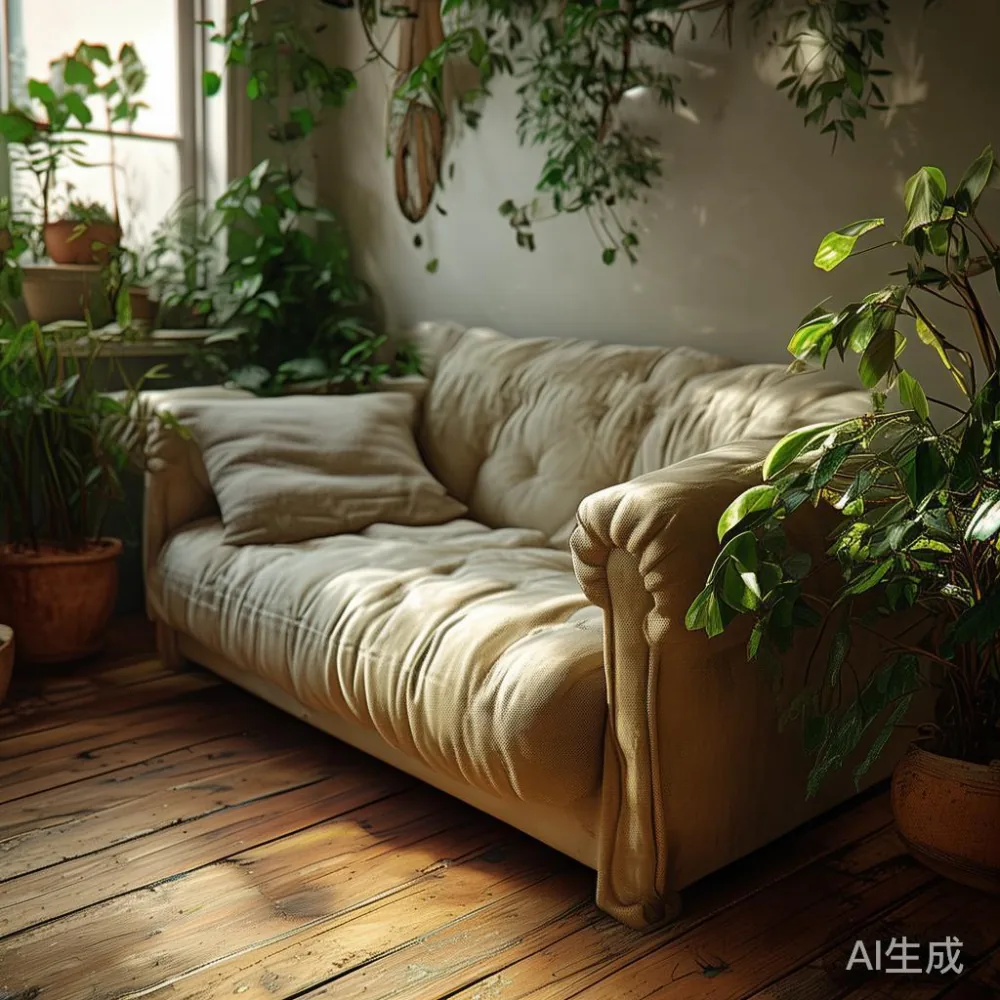
This guide explains how to plan proportions, materials and colour, while keeping fabric care in view from the day a piece arrives. MIDHILL makes solid wood furniture in Foshan, and the same material discipline is useful when matching furniture to a warm minimal home: measured dimensions, durable finishes and surfaces that can be maintained for years.
What makes a warm minimal interior feel inviting rather than austere?
Minimalism works best when the room has a warm base. Instead of a strict palette of white and grey, use oatmeal, sand, pale taupe, muted clay and natural wood. A wall painted in a soft warm white can provide the background, while a solid oak or walnut dining table introduces grain and depth. One woven textile, a ceramic vessel or a lamp with a linen shade adds another texture without filling the room with objects.
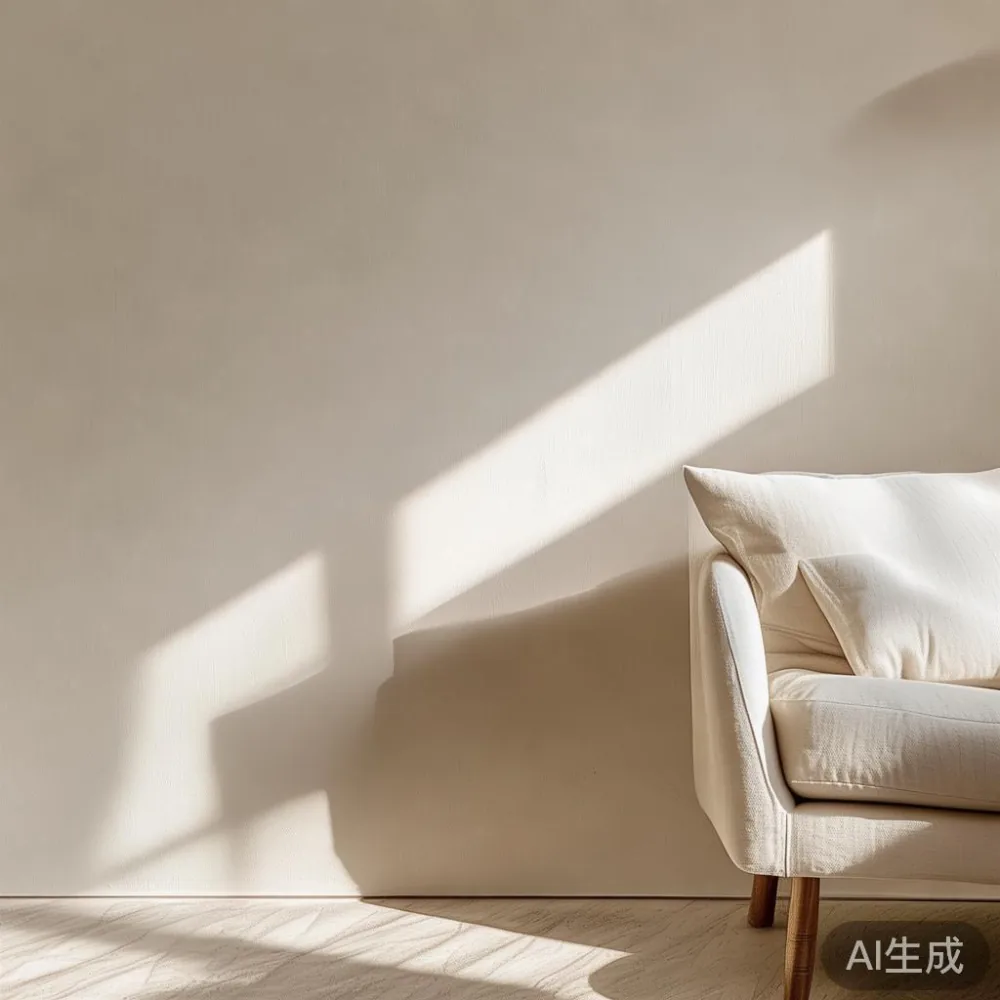
Begin with the largest visible surface: the floor. Light engineered wood, pale tiles or a restrained rug can support the composition. On the sofa, choose a fabric with a quiet woven texture in oatmeal, mushroom or warm beige. Keep cushions limited to 4 or 5 in a 220 cm-wide family-room arrangement, and let the timber frame remain visible. Warm minimalism is about rhythm: repeated curves, a limited palette and enough space around each piece for it to breathe.
Local conditions matter. Singapore’s humidity can encourage soft furnishing choices that remain stable, while direct afternoon light can fade untreated textiles. Place a solid wood sofa away from windows receiving more than 3 hours of direct sun, or add lined curtains with at least 60% opacity. The goal is to control light, not exclude it.
Which sofa works in a compact HDB living room?
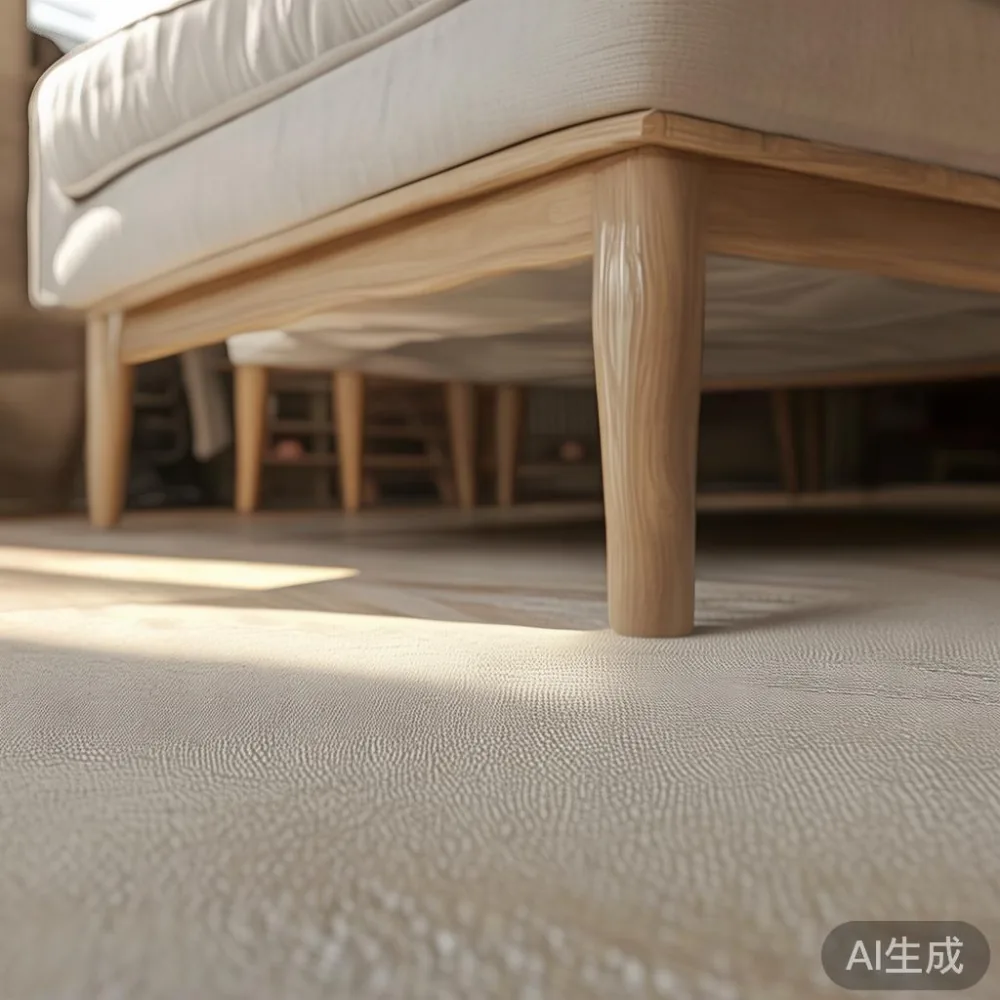
Measure the usable wall before choosing a solid wood sofa. In a Tampines flat with a 3.8 m living-room wall, leave 60 cm for a side table or passage and avoid a sofa wider than 240 cm unless the furniture sits fully against the wall. A 180–200 cm model usually gives 2 adults comfortable seating while preserving circulation. For a Bedok condo living room measuring 4.2 m across, a 220–240 cm sofa can suit a larger bay, but check the route from the lift before ordering.
Proportion is more useful than a fixed style label. A low-backed solid wood sofa with slim arms makes the seat appear lighter, while a deep 92 cm seat can feel generous in a room with less than 3 m of clearance. Maintain 75–90 cm between the sofa and the dining table, and at least 60 cm between the sofa and a coffee table. These dimensions allow household movement without making the plan feel mechanical.
For fabric selection, ask for a swatch and test it under the room’s evening lighting. Rub the sample 10 times with a dry clean cloth to check for surface lint, and inspect it under 3 different light conditions. A tightly woven upholstery with a Martindale rating above 30,000 cycles is sensible for frequent family use, while removable covers make fabric care more manageable. Vacuum weekly with a soft upholstery attachment and clean spills within 15 minutes using a blot, not a rub.
Light-luxury references can help define the finish rather than dictate a copied look. French light luxury often suggests pale upholstery, refined timber edges and understated brass details. Post-modern light luxury may use one restrained geometric shape, such as a low rectangular table beside a curved sofa. American light luxury tends toward deeper leather, walnut and generous proportions. In a Punggol flat, choose the quieter route: 1 carefully proportioned sofa, 1 rug, 2 side tables and perhaps 3 objects on a shelf.
How do I plan a dining area that is warm, useful and easy to clean?
Allow 90 cm around a dining table for chairs and service, although 110–120 cm is more comfortable when a route passes behind seated guests. A 140 × 80 cm dining table seats 4 people in many Singapore homes; a 160 × 90 cm table seats 6 with about 55 cm of table edge per person. In a compact kitchen-dining zone, consider a 120 × 70 cm table for 4, but test chair withdrawal in the actual space.
Solid timber gives a warm minimal dining room a natural focal point. If someone searches for Japanese for dining room, they may find references to clean joinery, pale oak and low visual noise; the useful principle here is clarity rather than imitation. A simple table with softly rounded corners, slim legs and no excessive carving fits the room. Check that each leg fits around the existing chairs and that the table does not block the kitchen doorway.
Labels are less important than proportion and material. A phrase such as Rustic for dining room may suggest heavy beams and rough surfaces, which can overwhelm a 3 m-wide HDB dining area. For warm minimalism, use straight-grain oak, ash or walnut with a matte finish and 1 clay-coloured pendant above the centre. Hang it 70–90 cm above the tabletop. For a marble table, select warm white stone with soft grey veining, not high-contrast black patterns. Seal the surface according to the supplier’s instructions and use coasters and trivets.
Fabric care around the dining area is mostly preventative. Use washable seat covers in homes with children, keep dining textiles 20 cm away from hot serving dishes and rotate chair pads annually. For upholstery that is not washable, perform a colourfastness test before applying any cleaner. Blot spills immediately and avoid soaking, which can distort the weave or leave a water ring.
What should I check before furniture enters a lift or corridor?
Measure the complete route, not just the lift opening. Record the internal lift width and depth, the narrowest corridor turn and the actual door dimensions. A common HDB lift with an internal width of about 110 cm and depth of 140 cm can accommodate some flat-pack sections, but a rigid solid wood wardrobe or dining table may not turn inside. Ask for the packaged dimensions, carton count and gross weight; a table carton may weigh 65–90 kg, while a large wardrobe carton can reach 110 kg.
For a corridor below 120 cm wide, favour furniture that separates into 2–3 manageable sections. A solid wood bed frame can arrive as a headboard, side rails and footboard, with each section ideally below 35 kg and 210 cm long. Confirm whether the cartons fit into the lift or must be carried along the common corridor. Protective blankets, corner guards and a written handling plan reduce damage.
Leave 90–100 cm of clear route from the lift to the flat entrance where possible. If the route narrows, measure the diagonal space required to rotate a long carton. Delivery timing also matters: allow 7–14 working days for production and local delivery, plus 2–3 days for a booked van if the building requires a loading-time confirmation. Include the 10-year structural warranty terms in your purchase record, and photograph the furniture on arrival.
The delivery cost should be clear in SGD. Confirm whether the quoted amount includes lift-to-door carrying, unpacking and assembly. For removals from a Punggol home to a new Bedok unit, a 2-person delivery team may add SGD 60–120, depending on distance and access. Request a written quote rather than assuming every van includes the same service.
How do bed frames, wardrobes and nightstands support the same style?
A warm minimal bedroom needs one strong material, 2 supportive tones and no more than 3 kinds of pattern. A solid wood bed frame in natural oak, walnut or warm white can anchor the room. For an HDB bedroom measuring 3.2 × 3.6 m, a 150 × 200 cm Queen bed leaves about 65 cm along the longer wall and 80 cm at the foot if centred. Avoid buying a bed by mattress size alone; measure the room, the ceiling fan sweep and the path to the wardrobe.
Choose a low-profile frame if the bedroom is under 10 m², but retain practical storage. Drawer-led bed frames can replace a separate nightstand in small rooms. Where a nightstand is needed, select a 40–50 cm width so it aligns with the mattress rather than crowding the wall. A 45 cm-high top suits a mattress of 50–60 cm including the mattress and frame base. Add a lamp with a warm 2700K bulb, as a single pool of light makes timber grain more welcoming.
A wardrobe should visually stay quieter than the bed. Full-height doors can feel orderly in a Tampines master bedroom, while an open rail can make a compact room less heavy. For easy fabric care, keep bedding in washable covers and leave 15 cm between a wardrobe side and the bed where possible. Use a soft brush on the wardrobe exterior monthly, and test any wood cleaner on a hidden 5 cm section first.
French for guest room can point towards soft linen, pale timber and a calm chair; those references translate well to a multipurpose bedroom. In a condo guest room measuring 2.8 × 3.0 m, a 120 × 200 cm bed can leave a narrow but usable side route. If the room doubles as a study, a 100 cm writing desk placed against the longer wall is more practical than a 140 cm desk across the window.
For furniture descriptions, terms such as for sale Post-modern furniture and wholesale Mid-century modern furniture can be misleading in a small urban home. Post-modern styling may rely on shape or contrast, while Mid-century forms often need breathing room. Judge every piece by its dimensions, visual weight and function, not by a trend label.
How do I combine a marble table with wood without making the room look cold?
Stone needs warmth around it. Pair a marble table with a solid wood dining table? More practically, use the marble table as a compact coffee or side surface and let timber dominate the larger pieces. Warm white marble, matte oak and oatmeal fabric create a balanced room. Avoid combining glossy stone, high-gloss lacquer and chrome in the same sightline.
For a coffee table, choose a height 5–8 cm below the sofa seat and a length around two-thirds of the sofa width. A 100 × 55 cm marble table works with a 180 cm sofa, while 120 × 60 cm works with a 220 cm sofa. Leave 35–45 cm between the table and sofa for walking space. The marble edge should be eased rather than sharp if children or older adults use the area.
Warmth can come from lighting and textiles. Use a 2700–3000K lamp with a linen or paper shade, a wool-blend rug and curtains extending at least 15 cm beyond the window frame. A single clay ceramic object on the table provides colour without clutter. Keep daily objects to a tray of about 25 cm diameter, and store everything else inside the wardrobe or a closed storage unit.
European light luxury for hotel is a useful reference for restrained hospitality interiors, and European light luxury for hotel can guide the choice of durable upholstery and clear circulation. A home version should remain personal: 1 upholstered chair, warm timber and 2 ceramic pieces may be enough. The hotel reference is about proportion and finish quality, not about making a domestic flat feel anonymous.
What fabric care routine should I follow after delivery?
Begin before the furniture enters the room. Keep care labels, spare cushions and material samples together in a labelled folder. Record the purchase date, fabric composition and cleaning instructions. Rotate seat cushions every 2 weeks so wear is distributed, especially on a solid wood sofa used daily. Vacuum upholstery weekly and dust timber surfaces with a dry microfibre cloth every 7 days.
For spills, lift solid debris with a spoon, then blot from the outside towards the centre. Test a damp white cloth on a hidden area for 2 minutes. If the fabric is washable, follow the label temperature and air-dry where possible; if it is not, use only an approved cleaner. Never scrub, because repeated friction can change the pile or leave a visible ring. A professional cleaning service may cost SGD 120–250 per sofa, depending on size, fabric and treatment.
Protect wood from humidity and heat. In Singapore, keep the furniture at least 30 cm from an exterior wall if condensation is visible, and use coasters under cups. Avoid placing a damp vase directly on oak or walnut. Re-oil or renew the finish only as required, following the product guidance; excessive application can create a patchy surface.
Fabric care also includes sunlight management. Rotate curtains monthly, keep a solid wood sofa out of harsh afternoon sun and use UV-filtering film where glare is a problem. Check seams and cushion covers every 3 months. Small, prompt attention prevents a minor spill from becoming permanent damage and allows the furniture to age with dignity.
How can I build one coherent look on a realistic Singapore budget?
Set a room budget before shopping, then divide it among the main pieces, lighting, textiles and delivery. For a 3-bedroom HDB flat, a coordinated living and dining scheme can begin around SGD 6,500 and rise depending on timber species, stone and upholstery. A solid wood sofa might account for SGD 2,200–4,200, a dining table SGD 900–2,000, a Queen bed frame SGD 700–1,500 and a wardrobe SGD 1,200–2,800. These are planning ranges, not fixed prices.
Buy the bed and sofa first if they establish the room’s scale. Choose the dining table after measuring the route from the kitchen, and add a nightstand only where the floor plan supports it. Mid-century shapes can work if their footprint suits the room; references to wholesale Mid-century modern furniture should not persuade you to accept a scale that compresses circulation.
MIDHILL’s solid wood collection can support this measured approach, with items selected for both appearance and everyday use. MIDHILL was established in 2008, exports to more than 15 countries and offers a 10-year structural warranty, lifetime refinishing, free shipping above US$350 and 14-day returns. For Singapore purchases, confirm the SGD price, local delivery charge, GST treatment and return arrangement in writing.
Warm minimalism succeeds through editing. Keep 2 main timber tones, 3 neutral textile colours and 1 accent colour. Leave 60 cm of visual breathing room where the room allows it, maintain 75–90 cm around a dining table and test every textile in the home’s own light. The result is not simply less furniture; it is furniture that feels connected, durable and comfortable in a Singapore home.