Warm Minimal Furniture Tips for Singapore Homes
A warm minimal interior is not an empty room. It is a balance of pale walls, tactile natural materials, restrained ornament and enough contrast to prevent the space from feeling clinical. In a Singapore HDB flat, where rooms often share the same compact footprint, furniture must look generous without consuming the circulation route between the lift lobby, front door, kitchen and bedrooms. The practical question is not whether a design trend suits you; it is whether its proportions, finish and maintenance needs suit the way you actually live.
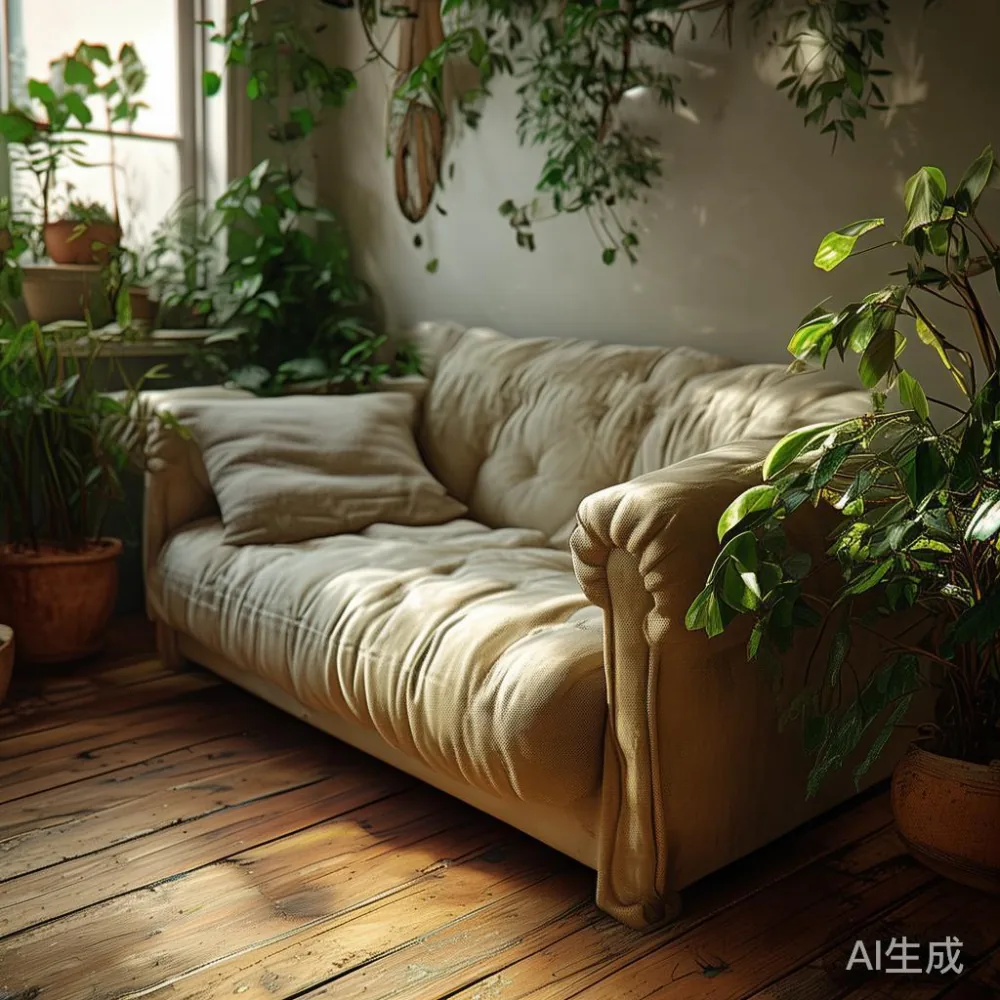
At MIDHILL, solid wood furniture is designed around that daily use. Our pieces are made in Foshan, have carried a 10-year structural warranty since the company was established in 2008, and are available with lifetime refinishing. Each order over US$350 receives free shipping, while Singapore customers should confirm the SGD price, GST treatment, delivery timing and return arrangement at checkout. Returns are accepted within 14 days, subject to the stated product conditions.
Warm minimalism works best when colour comes from the material rather than from a crowded accessories list. Light oak, walnut, ash, linen, matte ceramic and warm metal create a calm foundation. The furniture should be simple enough to let those materials speak, but detailed enough to reward a closer look at the joints, grain and edges.
How Do You Make a Warm Minimal Singapore Home Feel Spacious?
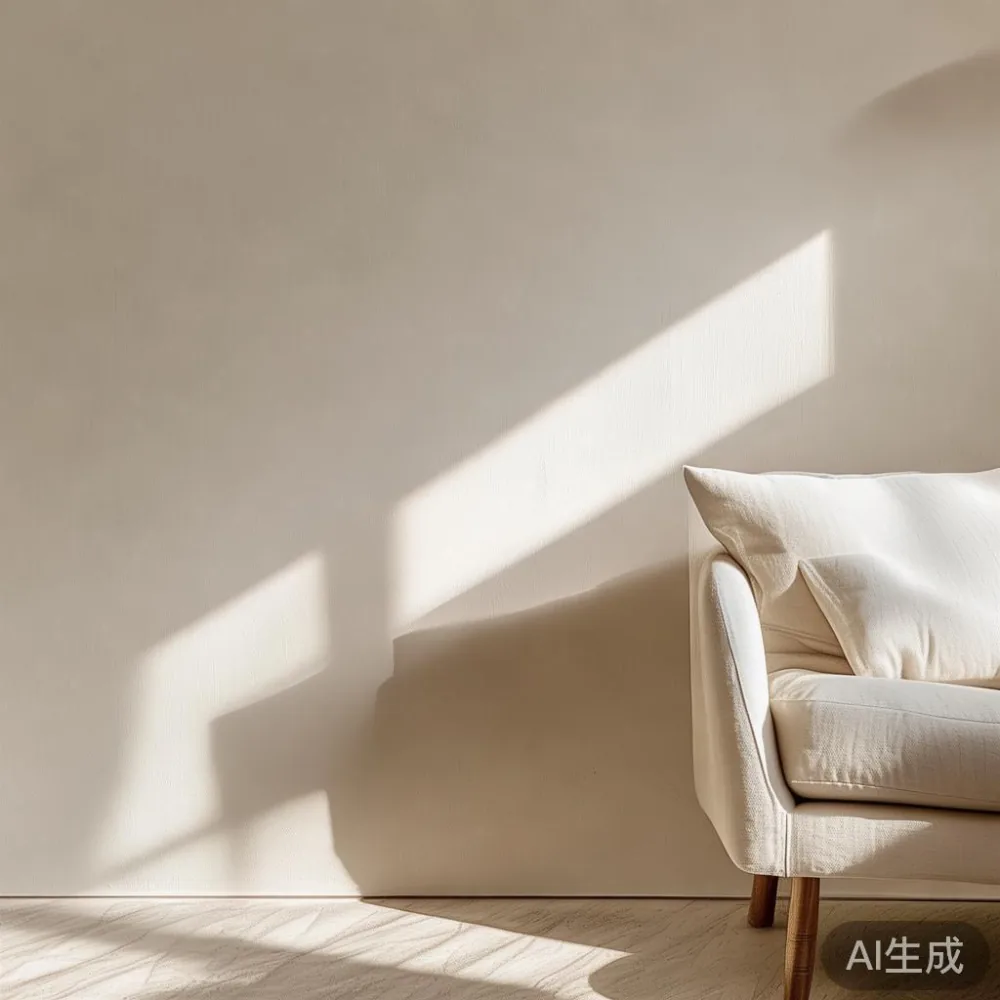
Begin with scale rather than colour. A solid wood sofa with a low profile can make a living room feel wider, while a bulky upholstered frame can shrink the same room by several apparent centimetres. Measure the usable wall and leave at least 90 cm for a main circulation path. In common HDB layouts, that may mean placing the sofa against the long wall rather than projecting it into the centre of the room. Near the entrance, keep the corridor between the door and lift clear at 90 cm; where a wider passage is required, target 100-110 cm.
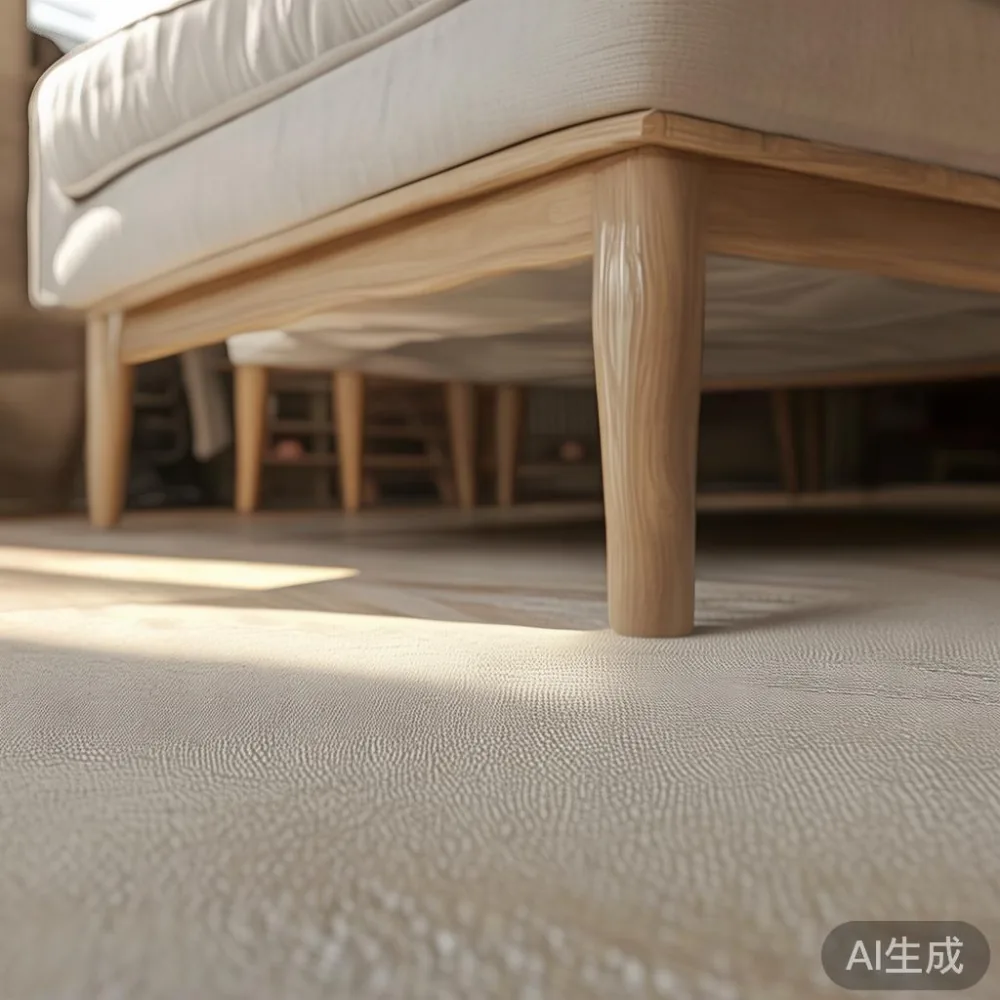
Choose furniture with visible but restrained legs. A 16-20 cm clearance beneath a solid wood sofa or dining table creates a light visual line and allows you to clean more easily. Keep the largest visual mass below roughly 75 cm in height, and let one taller element—such as a 190-210 cm wardrobe—anchor a corner. This is a practical form of post-modern light luxury: classic comfort interpreted through clean geometry, slim profiles and carefully mixed textures.
For a compact living room in Tampines or Bedok, a dining table of 140-160 cm by 80-90 cm may serve both meals and weekday work. It should seat 4-6 people while preserving 75-90 cm around at least three sides. In a Punggol condo with an open kitchen, avoid allowing the table to trap both the kitchen aisle and balcony access. The room may look brighter with pale oak, yet the finish should be chosen for fingerprints, spills and heat rather than for trend alone.
Warm minimalism also benefits from asymmetry. One 45-55 cm wide nightstand can balance a 150-180 cm bed without producing a hotel-like arrangement. A single ceramic lamp or framed print can occupy 25-35 cm of visual space, while negative space does the rest. The aim is not emptiness; it is controlled breathing room.
Which Wood Finish Suits Warm Minimalism Without Making the Room Heavy?
Light-toned woods are useful, but “light” does not have to mean blonde or yellow. Natural oak offers visible grain and a relaxed quality suited to Scandinavian and Japandi rooms. White ash can make a smaller HDB living area appear more open. Walnut adds stronger contrast and is useful when paired with ivory walls and warm off-white upholstery. Teak remains practical for humid conditions and develops an attractive depth over time, although its colour should be tested under evening lighting.
For French light luxury, choose a finish with quiet depth rather than glossy ornament. Pale oak with softly rounded corners, a solid wood dining table with a thin bevelled edge and a marble table with warm beige veining can create that mood. For American light luxury, broad upholstered forms, neutral textiles and darker wood accents provide a comfortable, residential character. Post-modern light luxury sits between them, using clean-lined case goods and a limited palette of 3-4 colours.
Do not judge a finish only from a showroom photograph. Order samples where possible and view them between 9 am and 8 pm, because Singapore daylight can be strong. A sample should still look warm beneath a 3000K lamp. Avoid combining more than 2 major wood colours in one visible room; pale oak and walnut already create enough variation when repeated across different surfaces.
Surface quality is equally important. Request clear information about the coating, expected colour variation and cleaning method. A matte oiled finish may show grain and repair marks more readily than a high-sheen lacquer, but it can often be refreshed. Ask about available care kits and the refinishing period, then record the finish code for future matching pieces.
What Should You Look for in a Solid Wood Sofa and Bed Frame?
A solid wood sofa should have a frame you can understand, not merely a solid-sounding product name. Look for the timber species, frame construction, joint method, cushion density, fabric composition and dimensions. If the sofa measures 220 cm wide and 88 cm deep, check that it leaves at least 75-90 cm to a coffee table and adequate passage to the balcony or corridor.
Seat comfort is a matter of use rather than appearance alone. A family sofa generally needs seats around 55-60 cm wide, with a seat height near 42-46 cm and a usable depth of roughly 50-58 cm. These figures suit many adults, but taller users may want a higher seat and deeper usable area. Firm cushions can regain shape; a deep, loose cushion may look relaxed yet occupy more floor space.
For the bedroom, compare a light luxury bed vs Mid-century modern bed before choosing based on the frame silhouette alone. The former may use upholstered panels, gentle curves and a more decorative headboard, while the latter often exposes tapered legs and emphasises horizontal geometry. Both can suit warm minimalism, but the latter usually preserves more floor visibility. A queen bed at 152 cm by 191 cm needs approximately 60 cm on each side for drawers or side tables, while a king at 180 cm by 203 cm should not be placed in a narrow passage without checking the actual room.
Height is another useful comparison. A low platform frame can suit a ceiling above 240 cm but may feel visually weak in a compact HDB bedroom. A headboard around 90-110 cm tall provides a clearer focal point without dominating the wall. For bedside function, allow 40-50 cm beside the bed for a nightstand and 45-60 cm for a person to sit down.
Quality details include flush joints, consistent gaps, smooth transitions between components and hardware that does not catch on clothing. MIDHILL offers designer light luxury furniture with solid wood construction and a 10-year structural warranty, which gives buyers a useful baseline for comparing frames. The warranty should be read alongside product care instructions, especially for outdoor or high-humidity placement.
How Do You Coordinate a Dining Table, Wardrobe and Nightstand?
Coordination works through repeated cues, not identical furniture. A rounded dining table can soften a rectilinear wardrobe. A nightstand with 2 drawers can balance a bed with a floating frame. A marble table can introduce a cool surface into a room otherwise dominated by timber, as long as its veining remains subtle and its colour does not clash with the flooring.
For the dining area, allow 90 cm between the table edge and a wall or fixed cabinet. With chairs occupied, at least 60 cm should remain behind each person for movement. A table height of 74-76 cm is standard, but taller diners may prefer 78 cm. Confirm chair dimensions as well as tabletop size; a slim dining chair may need only 45 cm behind it when pushed in, while a broader armchair needs more room.
The wardrobe deserves careful attention in Singapore because moisture and space are constant constraints. A 180 cm wide wardrobe may suit a bedroom wall, but its depth can range from 55-62 cm. Measure the wardrobe opening, skirting and nearby sockets before ordering. In an HDB master bedroom, an off-centre arrangement can improve access, yet avoid placing the open door directly in the main path. Internal hanging space matters too: long garments need roughly 140-150 cm of drop, while folded storage can occupy shallower sections.
If you are considering is Mid-century modern wardrobe worth it, judge the construction and layout rather than the label. Tapered legs can make the piece appear lighter, but stability, drawer runners, door alignment and moisture performance still govern daily use. The same applies to a nightstand: check that drawers open without hitting the bed and that the top can carry a lamp, book and glass of water without wobbling.
When reviewing European light luxury sideboard options, look for useful internal divisions, adjustable shelves and doors that close without gaps. A 160-200 cm sideboard can anchor a dining wall, but a cabinet deeper than 45 cm may reduce the aisle. Make sure the pieces inside are suitable for your routines rather than displaying only decorative objects.
How Does Fabric Care Affect the Warm Minimal Look?
Fabric care determines whether a warm minimal interior remains calm or becomes cluttered with stains, flattened pile and mismatched cushions. Neutral upholstery shows dust, lint and colour transfer clearly, so regular vacuuming and prompt spill removal matter. Keep a fabric care label with the product records and use the approved cleaning method; excessive water can distort a woven cover or leave a tide mark.
For a solid wood sofa, vacuum the seat crevices every 1-2 weeks and remove cushions every 1-2 months to rotate wear. Rotate loose cushions monthly so one side does not fade faster. Blot spills immediately with a clean, dry cloth, then follow the care instructions. Test any cleaner on a concealed 10 cm by 10 cm section and allow it to dry for 24 hours before treating a larger area.
Fabric care for a bed frame or upholstered headboard should include gentle vacuuming and protection from direct sunlight. UV exposure can fade linen and lighten other fibres unevenly. A mattress protector with a fitted sheet creates a removable barrier, useful in humid weather. Keep the bed 10-15 cm away from a wall where practical, allowing airflow and making cleaning easier.
Do not place washing machines, steamers or damp laundry directly against upholstery. Maintain 30-45 cm of clearance where possible, and dry any accidental moisture promptly. For dining chairs, use seat pads if the family regularly handles oily food, and wipe the timber frame with a lightly damp cloth rather than saturating the joint. These simple fabric care habits preserve texture, colour and the understated appearance that makes warm minimalism work.
Are Lights, Rugs and Accessories Enough to Create a Warm Minimal Interior?
No. Lighting and accessories can support the scheme, but they cannot compensate for furniture that is poorly scaled or crowded. A warm 2700-3000K lamp usually complements oak, walnut and ivory textiles better than cool blue-white light. Keep a total lighting plan around 3 layers: ceiling light, a 1-2 metre floor lamp and a table lamp. Choose dimmable fittings where possible and avoid several high-output sources that flatten the grain of solid wood.
A rug can define the seating area without adding pattern. In a 3.2 m by 4.2 m living room, a rug around 2 m by 2.8 m may sit under the front legs of the sofa and coffee table. Its material should contrast slightly with the floor and upholstery. A low-pile wool or cotton option is easier to maintain around dining chairs than a very deep shag.
Limit the number of visible objects rather than imposing a universal count. A 140 cm sideboard might display 3 framed pieces, 1 ceramic vessel and 1 low bowl, with space left between groups. Natural materials such as ceramic, woven fibres, stone and timber introduce warmth without loud decoration. Keep cords concealed, align frames where practical and leave approximately 15-20 cm between larger accessories.
Mirror placement can improve perceived brightness in a compact Singapore home. A 60-80 cm wide mirror opposite a window may reflect daylight, but avoid a fully mirrored wall that makes the room feel visually busy. Curtains should hang close to the ceiling and land just above the floor, with enough width to stack without crowding the frame.
What Should You Check Before Delivery to a Singapore HDB Flat or Condo?
Measure the delivery route before the furniture leaves the workshop. Check the lift car dimensions, lift door opening, turning space at the lobby, corridor width and the route to the unit. A common HDB lift door may be around 80-90 cm wide, while the internal car dimensions can be approximately 110 cm deep by 140 cm wide, though individual blocks vary. A solid wood wardrobe can be impossible to turn through a tight corridor even if it fits inside the lift.
Record the packaged dimensions, weight and assembly requirement for every large item. If a dining table is delivered as a 160 cm top with detachable legs, the narrowest section may pass more easily. If a bed frame arrives assembled, check whether the headboard can be separated and whether the route includes a staircase rather than a lift.
Singapore GST may be included or shown separately, depending on the seller and checkout treatment. Compare the final SGD amount, not only the catalogue price. Confirm whether delivery is curbside, doorstep or room-of-choice, and whether an in-home installation or assembly service costs extra. The stated free-shipping threshold of US$350 should be converted to SGD at the provider's checkout exchange rate so that the threshold is clear before payment.
Allow a practical delivery window rather than assuming every item arrives in the same number of days. Custom sizes or finishes may need 6-10 weeks; ready items may be dispatched within 7-14 days after confirmation. These are planning ranges, so obtain a written estimate for the selected product. Someone should be present to inspect cartons, photograph damage and record the condition before unpacking.
Keep the 14-day returns policy in mind, but read its exclusions for made-to-order goods, mattress or sofa covers, and items with removed protective films. Photograph furniture at delivery and retain packaging for the agreed period. For long-term care, store care products, finish codes and spare cushion covers together in a labelled folder.
How Can You Build a Timeless Warm Minimal Room Piece by Piece?
Warm minimal interiors are assembled through restraint and consistency. Begin with one dominant wood tone, one light neutral fabric and 1-2 accent colours. Select the sofa and dining table first because they establish proportion. Add the bed frame or wardrobe according to the room's measurements, then complete the scheme with a nightstand, marble table or sideboard that repeats an existing shape.
There is no need to make every room match exactly. A light bedroom and a slightly darker dining area can feel connected through the same oak finish, warm lighting and restrained accessories. Researching top 10 Japandi furniture lists can help identify low-profile forms, but each item should still be measured against the actual HDB or condo layout. Listings for for sale French provincial furniture may provide useful ideas for curved edges and upholstered comfort, yet the dimensions and care requirements deserve equal attention.
Before ordering, create a room plan with the furniture footprint, chair pull-out space, door swings and 90 cm circulation routes. Check floor level, skirting, power sockets and air-conditioner outlets. For a family home, choose washable covers where available, specify stain-resistant fabric and build fabric care into the weekly routine rather than treating it as an emergency service.
The result should feel warm because of touch, grain and proportion, not because it is crowded with decorative objects. A solid wood dining table that can seat 6, a solid wood sofa with clear access, a properly sized bed frame and storage with smooth operation will usually serve a Singapore home better than a large number of small statement pieces. Thoughtful scale, durable materials and attentive fabric care create a room that remains comfortable through changing seasons and years of use.