The Art of Warm Minimalism: Harmonising Furniture and Fabric Care in Singaporean Homes
In the context of Singapore's urban living, from the efficient corridors of Tampines to the airy spaces of Punggol's new condos, creating a home that feels both serene and inviting is a common pursuit. The warm minimalism aesthetic, characterised by clean lines, a muted colour palette, and the use of natural materials, offers a perfect solution. This style is not about stark emptiness; it's about thoughtful curation where every piece serves a purpose, and comfort is paramount. A key, often overlooked, element in achieving this balance is the care of your furniture's fabric. Proper fabric care ensures that your beautiful solid wood sofa or soft linen bed frame retains its intended texture and colour, preserving the minimalist integrity of your space for years to come.
Understanding Warm Minimalism: A Philosophy for Singaporean Spaces
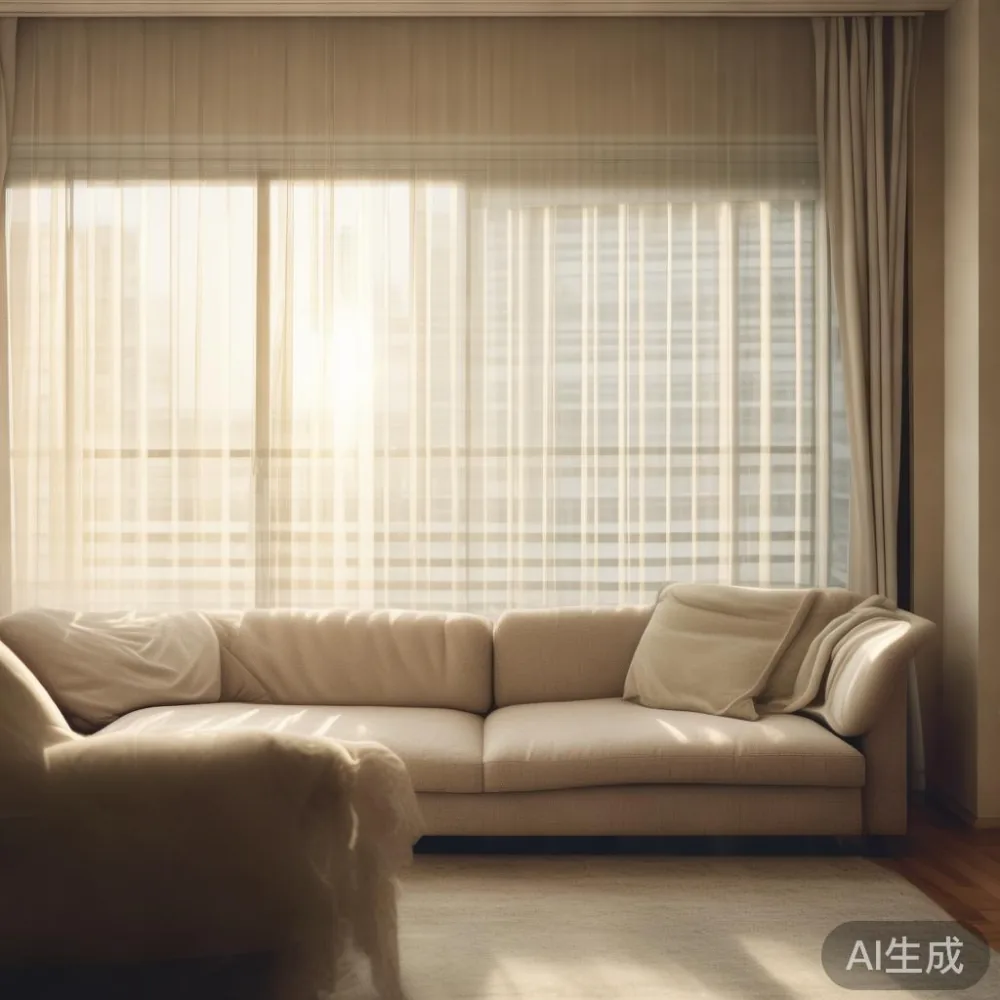
Warm minimalism is an interior design philosophy that strips away the non-important but reintroduces comfort and texture. It’s the difference between a cold, sterile room and one that feels like a gentle embrace. For Singaporean homes, particularly in high-density HDB flats and condominiums, this style is exceptionally practical. It creates a sense of calm and order without feeling cluttered, which is ideal for smaller living areas. The foundation of this style lies in a neutral base—think soft greys, warm beiges, and creamy whites. This palette acts as a canvas, allowing the natural beauty of materials like solid wood and marble to take centre stage.
The warmth in this equation comes from texture and materiality. A solid wood dining table, with its visible grain and tactile surface, adds organic warmth. A marble table, cool and elegant, provides a sophisticated contrast. Textiles, including the upholstery on your sofa and the cushions on your bed, are where the 'warm' truly comes alive. The choice of fabric, its colour, and its texture are critical. A chunky knit throw, a soft wool rug, or linen curtains can transform a minimalist space from impersonal to deeply personal. This is where fabric care becomes an integral part of the design process; maintaining these textiles ensures they continue to contribute to the home's warmth and aesthetic.
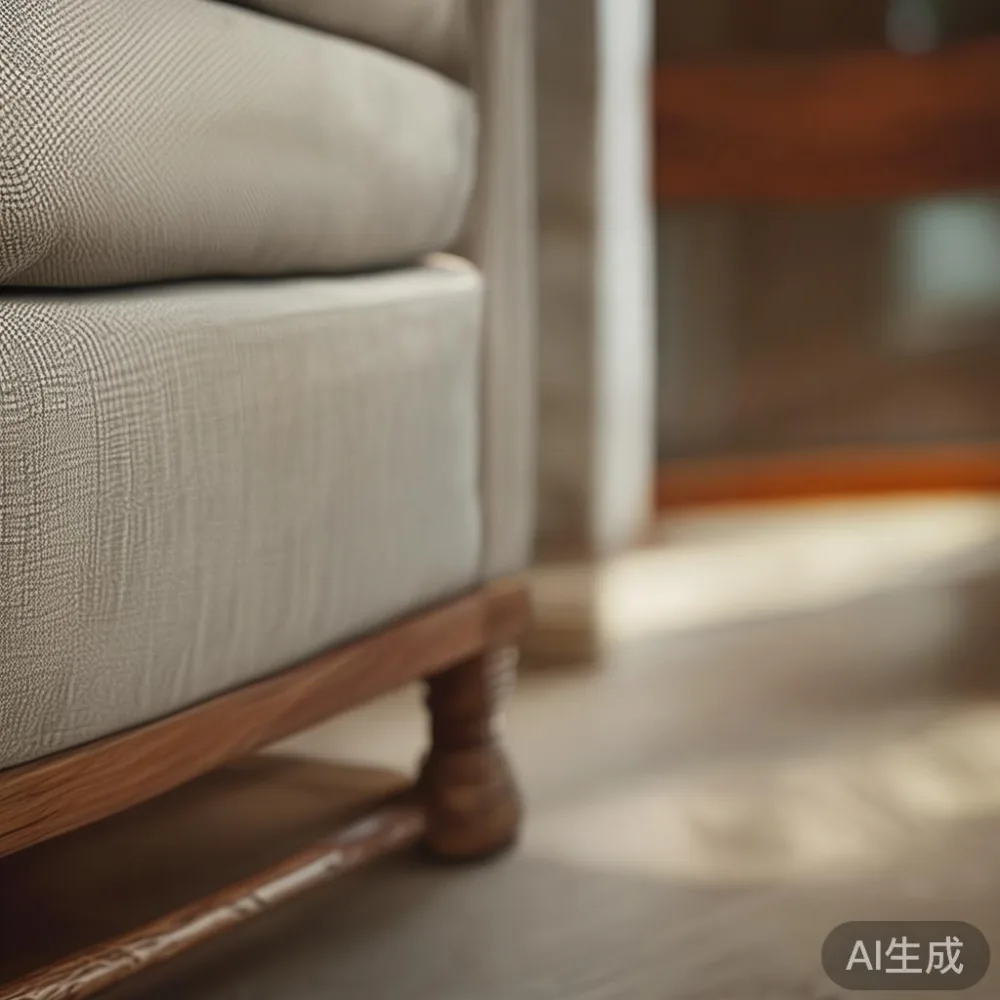
Consider the scale of furniture in relation to Singaporean living spaces. A large, overstuffed sofa might overwhelm a living room in a Bedok HDB flat, which typically has a width of around 350cm for the common area. A more streamlined, low-profile sofa, perhaps a Japanese sofa known for its clean lines, would be a more proportionate and fitting choice. The same logic applies to bedroom furniture. A wardrobe that is too bulky can dominate a small master bedroom. Instead, a wardrobe with a slim profile and clever internal storage solutions would align better with the minimalist ethos while still providing ample storage.
Choosing the Right Furniture: Solid Wood, Marble, and Beyond
The selection of furniture is the cornerstone of any interior design project. In a warm minimalist home, the materials you choose speak volumes. Solid wood furniture is a quintessential element. A solid wood bed frame, for instance, offers timeless appeal and durability. The natural variations in the wood grain mean that no two pieces are exactly alike, adding a unique, organic quality to the room. When selecting a solid wood piece, consider the finish. A light oak or a matte walnut finish can enhance the airy, minimalist feel, while a darker, glossier finish might add a touch of dramatic flair. For those seeking a more opulent feel, the search for the perfect Italian light luxury for bedroom can lead to pieces that combine fine craftsmanship with understated elegance.
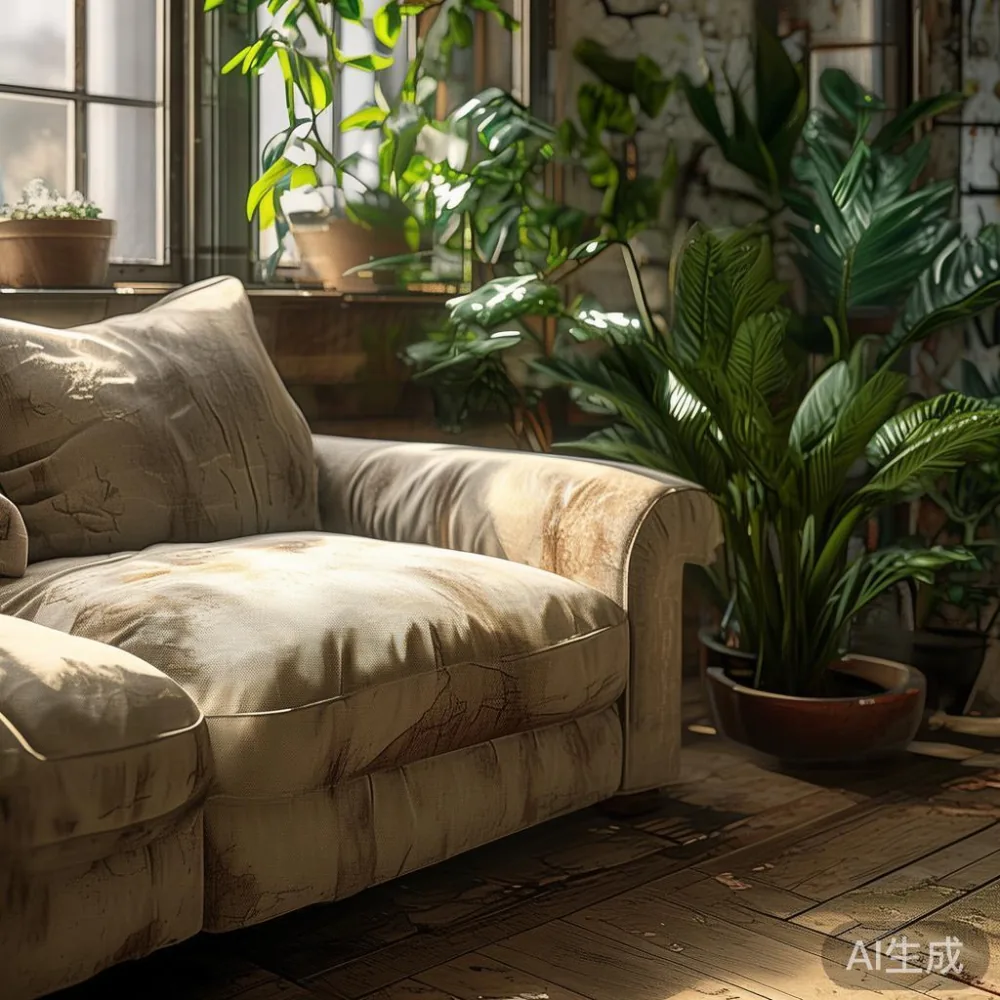
Marble is another material that fits beautifully into the warm minimalism narrative. A marble table, whether used as a dining table, a console table in the hallway, or a side table in the living room, introduces a sense of quiet luxury. Its cool, veined surface provides a beautiful textural counterpoint to the warmth of wood. In a Singaporean context, where the climate can be warm, the cool touch of marble can be a welcome sensory experience. However, marble is a porous material and requires specific care to prevent staining from everyday spills, which is a key aspect of long-term fabric and material care.
Functionality is as important as form. A minimalist space celebrates items that serve a clear purpose. This is where furniture with integrated storage shines. A mid-century modern with storage credenza not only provides a surface for displaying a few curated objects but also offers concealed storage for items you want to keep out of sight. Similarly, a well-designed wardrobe is important. The question of is Japanese wardrobe worth it often comes down to its design philosophy. Japanese wardrobes are typically characterised by their clean lines, handle-less doors, and efficient use of space, making them an excellent choice for a minimalist bedroom. For those looking ahead, finding the best Modern wardrobe for 2026 might involve looking for models that incorporate smart storage solutions and sustainable materials, aligning with future trends.
How to Style a Japanese Sofa in an Apartment?
The Japanese sofa is a fantastic piece for achieving a warm minimalist look. Its design is often low to the ground, with simple, clean lines and a focus on natural materials like wood and cotton or linen upholstery. This creates an atmosphere of tranquility and spaciousness, which is highly desirable in apartment living. To style a Japanese sofa effectively in a Singaporean apartment, start by positioning it thoughtfully. In a living room, place it opposite a focal point, such as a window with a view or a media console. Avoid pushing it against the wall, as this can make the space feel smaller. Leaving a little space, even just 20-30cm, allows the sofa to float in the room, enhancing the sense of openness.
The surrounding elements are important. Pair the sofa with a low, solid wood coffee table. The combination of the low-profile sofa and the table creates a cohesive, grounded seating area. The choice of coffee table material can vary; a light oak table will keep the feeling airy, while a darker walnut or a marble table will add more contrast and visual weight. The upholstery on the sofa itself should be considered. A neutral colour like beige, grey, or off-white will blend smoothly with the minimalist palette. Fabric care for this sofa is straightforward; regular vacuuming with a soft brush attachment will prevent dust from settling into the fibres, while spot cleaning with a damp cloth can address minor spills immediately.
Layering with textiles is key to adding warmth. Place a few cushions on the sofa in complementary textures. A linen cushion in a warm terracotta or muted olive green can introduce a subtle pop of colour and softness. A small wool or cashmere throw draped casually over one arm invites you to curl up and relax. The lighting around the sofa also plays a significant role. A floor lamp with a simple, sculptural design or a table lamp on a nearby nightstand can create a warm, ambient glow in the evening, perfect for relaxing. The goal is to create a seating area that is not just aesthetically pleasing but also incredibly comfortable and inviting, embodying the spirit of warm minimalism.
The Role of Fabric Care in Maintaining Your Minimalist Aesthetic
Once you have curated your perfect minimalist interior, the work of maintaining it begins. This is where fabric care comes into play, ensuring that your vision remains intact over time. Your furniture is an investment, and proper care is the best way to protect that investment. Different fabrics require different approaches. For a solid wood sofa with linen upholstery, fabric care involves a gentle approach. Linen is durable but can be prone to wrinkling and is susceptible to watermarks. To clean it, use a soft brush attachment on your vacuum cleaner regularly to remove dust and loose particles. For spills, blot the area immediately with a clean, dry cloth. Avoid rubbing, as this can push the stain deeper into the fabric. For deeper cleaning, it's often best to consult a professional cleaner who understands the specific needs of linen.
The fabric on your bed frame is equally important. A modern light luxury bed might feature a headboard upholstered in a delicate bouclé or a soft, textured chenille. These fabrics add a luxurious touch but require gentle care. Regular vacuuming is important to prevent dust and debris from accumulating in the fibres. For a fresh, clean scent, you can lightly sprinkle baking soda on the fabric, let it sit for 15-20 minutes, and then vacuum it up. This is a simple and effective fabric care technique that doesn't involve harsh chemicals. Always check the manufacturer's care label before applying any cleaning products to avoid damaging the fabric.
It's not just the large pieces of furniture that need attention. The fabric care for smaller items like cushion covers and throws is just as important. These items are often subject to more frequent use and soiling. Most cushion covers are removable and can be machine-washed, but always check the care instructions first. Washing them on a gentle cycle with cold water and a mild detergent will help preserve their colour and shape. Air-drying them is preferable to using a tumble dryer, as high heat can cause shrinkage and damage certain fabrics. By incorporating these simple fabric care routines into your regular household maintenance, you can ensure that every textile in your home continues to look and feel its best, contributing to the harmony and warmth of your minimalist space.
Practical Considerations for Singaporean Homes: Space, Delivery, and Warranty
When furnishing a Singaporean home, practical logistics are a reality that must be addressed. Space is a premium, and working through the dimensions of your apartment is important. This includes not just the room dimensions but also the width of your lift and corridor. A standard HDB lift in older estates like Tampines might have an internal width of around 110cm, while newer condominiums may offer more space. When a large piece of furniture like a solid wood dining table or a wardrobe is being delivered, this becomes a critical factor. Reputable furniture makers are aware of these constraints and will often provide detailed product dimensions, including packaging size, to ensure a smooth delivery process.
Cost is another important consideration. Furniture is a significant investment. When budgeting, it's wise to factor in not just the price of the item but also delivery costs and potential GST. In Singapore, GST is currently applied to most goods and services. For example, if a solid wood sofa is priced at SGD 3,000, the final cost would include the 9% GST, bringing the total to SGD 3,270. Many brands offer incentives to make purchasing more accessible. For instance, free shipping is often offered for orders over a certain value, such as SGD 350. This can be a great way to save on costs, especially when purchasing multiple items like a bed frame and nightstands together.
Finally, peace of mind is invaluable. When investing in quality furniture, you want to know it will last. This is where warranties and return policies become significant. A 10-year structural warranty on a solid wood bed frame or dining table is a strong indicator of the manufacturer's confidence in their product's craftsmanship. This warranty covers the frame and joinery, protecting you against defects that may arise from regular use. Alongside this, a lifetime refinishing policy is a remarkable offer. It means that if the wood surface of your table or wardrobe gets scratched or worn over the years, the manufacturer will refinish it for you, restoring it to its original condition. This commitment to longevity ensures that your minimalist aesthetic can be enjoyed for decades. My colleague recently visited a showroom and was impressed by the level of detail in the warranty documents, noting how it gave her confidence in her choice of a marble table for her new Punggol condo.
Integrating Furniture with Existing Decor: A Cohesive Approach
Furnishing a home is not about buying individual pieces in isolation; it's about creating a cohesive whole. Even when starting with a blank slate, each choice you make should relate to the others. This is especially true when integrating new furniture with existing decor. If you already have a colour scheme or a few key pieces, your new furniture should complement them. For example, if your living room walls are a soft dove grey and you have a rug with navy blue accents, a solid wood sofa in a light oak finish would harmonise beautifully. The wood would pick up the warmth in the grey, while the navy blue from the rug could be echoed in the cushions on the sofa.
The principle of repetition is a powerful tool in creating a cohesive look. This doesn't mean using the exact same item over and over, but rather repeating colours, textures, or shapes. If you have a nightstand made of a light wood with a marble top, you could echo this combination in your living room with a smaller marble side table next to your sofa. This creates a visual thread that connects different areas of the home. When considering a new wardrobe, think about how its finish relates to your existing bed frame. If your bed has a matte walnut finish, a wardrobe in the same finish will create a unified, bedroom suite.
Lighting is the final piece of the puzzle that ties everything together. The right lighting can highlight the texture of your solid wood furniture, the sheen of your marble table, and the colour of your textiles. In a minimalist space, lighting should be layered. Start with ambient lighting, like a ceiling fixture, to provide general illumination. Then add task lighting, such as a reading lamp on a nightstand or a pendant light over a dining table. Finally, incorporate accent lighting, like a floor lamp in a corner or LED strips under a console table, to create depth and atmosphere. By carefully considering how your new furniture interacts with light and existing decor, you can ensure that your warm minimalist home feels complete, harmonious, and truly welcoming.