The Silent Enemy: How Humidity Wreaks Havoc on Wood Furniture in Singapore
Living in Singapore means living with humidity. The air is thick with moisture, a fact of life that residents of HDB flats in Tampines, condos in Bedok, and waterfront apartments in Punggong know all too well. We adjust our air-conditioners to 24 degrees, hang our clothes indoors to prevent that musty smell, and carry an umbrella even when the sky looks clear. But there's another, more subtle battle being fought in our homes, one that takes place within the very walls and floors: the war against humidity's effect on our furniture.
Why Does Humidity Affect Solid Wood Furniture So Much?
Imagine a solid wood dining table, its surface smooth and cool to the touch. That wood is composed of countless cells, each containing water. When the surrounding air is humid, these cells absorb moisture and expand. When the air is dry, they release moisture and contract. This natural swelling and shrinking process is called movement. In moderate climates, this movement is gradual and often unnoticeable. In Singapore, it's a daily, sometimes hourly, cycle.
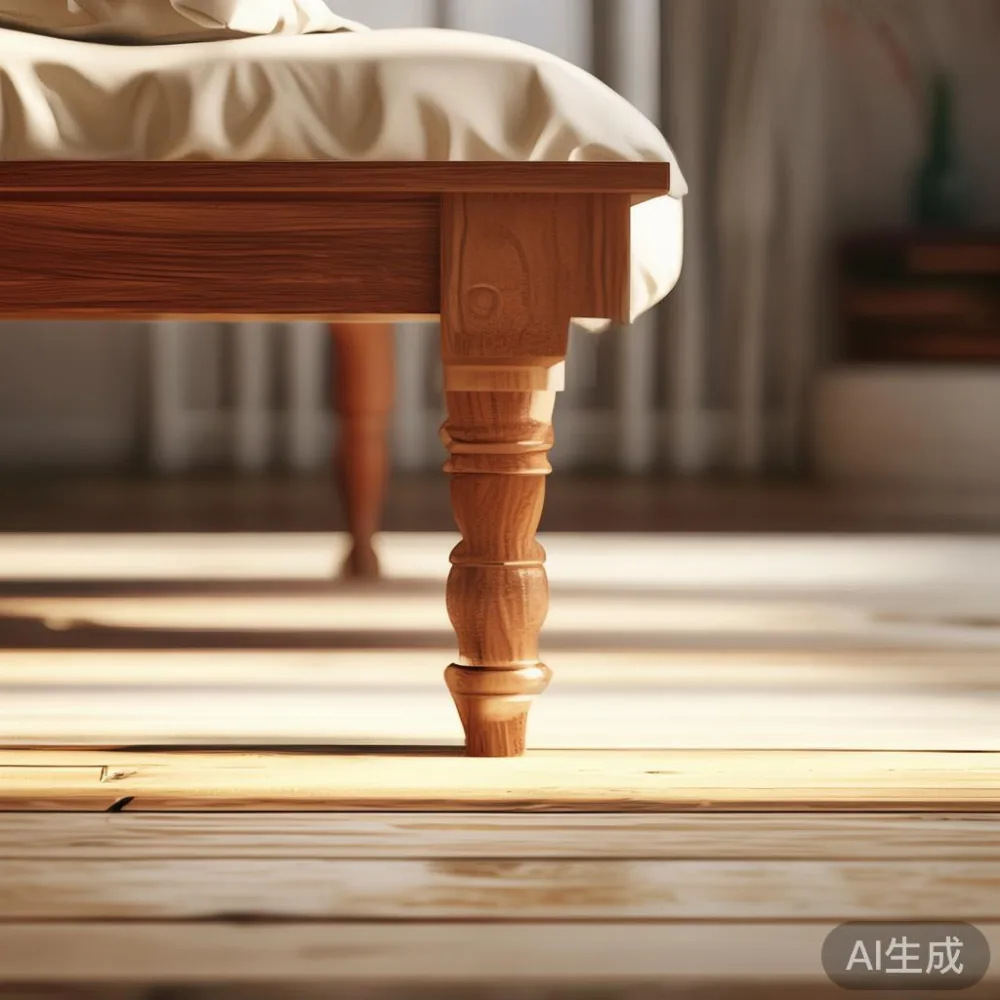
This constant movement creates internal stress within the wood. Over time, this stress can manifest in several ways. You might notice small cracks, known as 'checks,' appearing on the surface of a solid wood bed frame. A wardrobe door might warp, making it difficult to close smoothly. The legs of a marble table might become uneven as the wood beneath them shifts. The structural integrity of a piece is compromised when the joints, which are often glued or dowelled, are forced to move in ways they weren't designed for. A 10-year structural warranty, offered by reputable makers like those from Foshan, provides peace of mind, but proper care is what prevents the need to use it.
What Does Humidity Damage Look Like in Your Singapore Home?
The signs of humidity damage are specific and can be found in every room of your home. Recognising them early can help you take corrective action before the damage becomes permanent. The key is to look for changes in shape, finish, and structure.
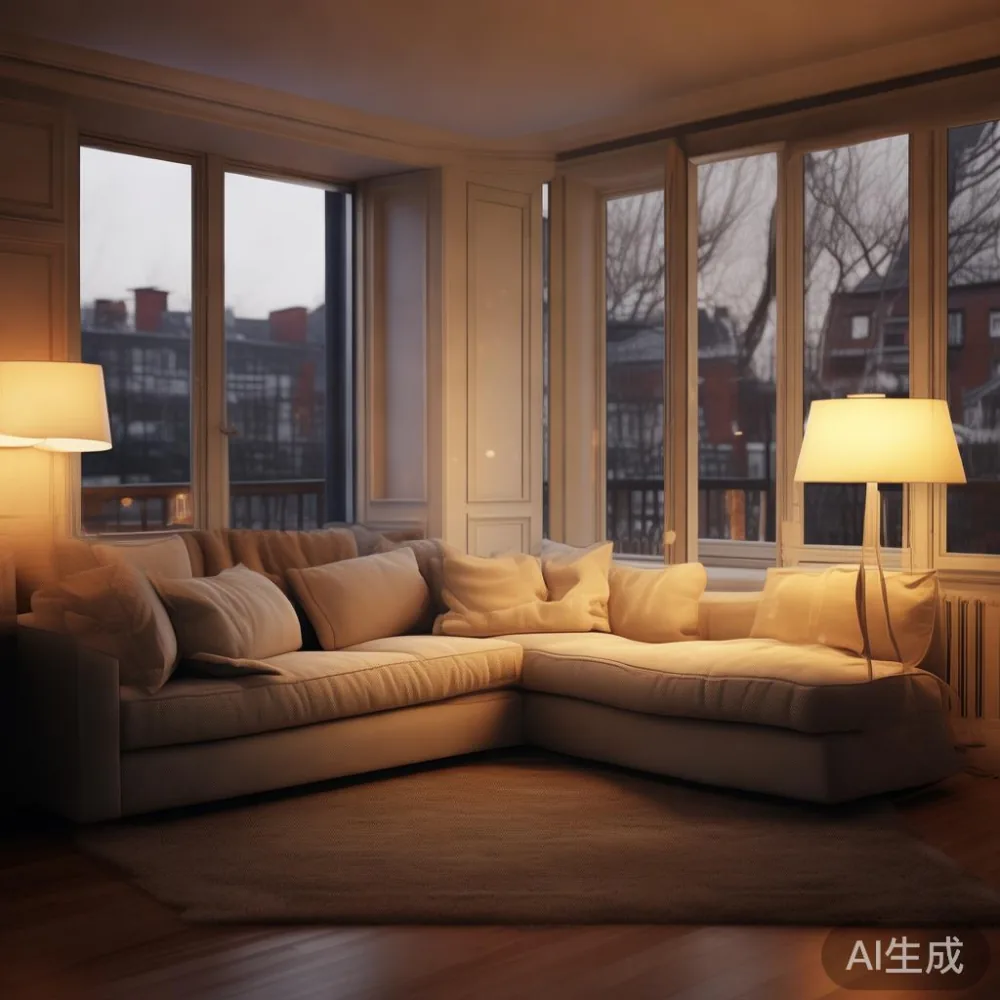
In the living room, a solid wood sofa might show the first signs. The arms of the sofa, which are often exposed to more air, can shrink, creating small, unsightly gaps where the wood meets the upholstery. The fabric care of the sofa cushions is also affected, as the damp air can promote mould growth within the cushion filling if not properly ventilated. A marble table top, while not wood, is often supported by a solid wood base. This base can expand, causing the marble to press against the sides of its frame, potentially leading to cracks in the stone or the wood itself.
The bedroom is another hotspot. A light luxury bed frame made from solid teak or oak might develop a 'crowned' surface, where the centre of the mattress support bows upwards. This happens because the bottom of the wood, shielded from the air, retains more moisture than the exposed top surface, causing it to expand more. Wardrobes are particularly vulnerable. A tall, narrow wardrobe in a condo bedroom can lean or warp as the door panels swell and shrink with changing humidity. The internal drawers might also stick, as their fronts swell and rub against the frame.
Even smaller items like a nightstand are not immune. The drawer fronts can warp, and the finish on the surface might appear cloudy or 'blush' as moisture gets trapped beneath the lacquer. In a Singapore HDB flat, where space is tight and furniture is often pressed against walls, airflow is restricted, exacerbating these problems by trapping humid air around the pieces.
Can You Prevent Humidity Damage, or Is It Inevitable?
This is a question we hear often from our customers in Singapore: Is there any way to protect my solid wood furniture from the relentless humidity here, or am I just fighting a losing battle?
The answer is a reassuring one: damage is not inevitable. While you cannot control the outdoor climate, you have significant control over the microclimate inside your home. Prevention is far more effective and less costly than repair. The goal is to create a stable environment for your furniture, minimising the extreme fluctuations in humidity that cause the most stress. This involves a combination of environmental control and smart furniture placement.
First, invest in a good quality dehumidifier. For a standard 4-room HDB flat in Tampines, a dehumidifier with a capacity of 20-30 litres per day is usually sufficient. Place it in a central location like the living room or master bedroom, and run it for a few hours each day, especially during the wetter months from November to January. This can help maintain indoor humidity at a more stable 50-60%, which is ideal for wood. Second, ensure your home has excellent cross-ventilation. On days when the air is less humid, open your windows to allow fresh air to circulate and carry away excess moisture. This simple practice can make a world of difference for a solid wood dining table or bed frame.
Practical Care Tips for Your Solid Wood Furniture in Singapore
Beyond controlling your home's climate, there are direct actions you can take to care for your furniture. Think of these as part of your regular maintenance routine, just like cleaning your marble table or vacuuming the sofa. Proper care preserves the beauty and longevity of your pieces.
Regular cleaning is paramount. Use a soft, dry cloth to dust your furniture every week. This removes dust particles that can act like an abrasive when moisture is present. For a deeper clean, use a slightly damp cloth, followed immediately by a dry one to remove any residual moisture. Never let water or cleaning solutions sit on the surface. For a marble table, use a pH-neutral cleaner specifically designed for stone, and always wipe up spills immediately to prevent etching.
p>Be mindful of placement. Avoid placing solid wood furniture directly in front of an air-conditioning vent or a fan, as the constant, direct airflow can cause one side of the piece to dry out too quickly, leading to cracking. Also, do not place furniture against an external wall, as these walls tend to be cooler and can draw moisture out of the wood. Leaving a small gap, even just 2-3 cm, between your wardrobe and the wall allows for air circulation. When arranging your living room, consider how you would how to style Japanese sofa in apartment to ensure it gets adequate airflow rather than being squeezed into a corner.Protect your furniture from the sun. Prolonged, direct sunlight can fade the finish and cause the wood to dry and crack unevenly. Use curtains or blinds to filter the light, especially for items like a sideboard or a console table near a window. For items with fabric elements, such as a sofa or an armchair, proper fabric care involves rotating the cushions periodically to ensure even wear and exposure, and keeping them out of direct sunlight to prevent colour fading.
Choosing the Right Furniture for Singapore's Climate
When it's time to buy new furniture, making an informed choice can save you a lot of headaches down the line. Not all wood furniture is created equal, and certain types and construction methods are better suited for high-humidity environments than others.
The type of wood is a critical factor. Hardwoods like teak, oak, and walnut are denser and have a more stable structure than softwoods like pine. Teak, in particular, is renowned for its natural resistance to moisture and decay due to its high oil content. While it is more expensive—starting from around SGD 3,500 for a good quality solid wood bed frame—its longevity makes it a worthwhile investment. If you're looking for something with a different aesthetic, for sale Industrial furniture often uses reclaimed wood or metal accents, which can be more forgiving in fluctuating humidity, though the solid wood components still require care.
p>Construction quality is equally important. Look for furniture that uses 'floating' constructions or expansion joints. For example, a solid wood dining table might have a central panel that is not glued all the way to the apron, allowing it to expand and contract freely without warping the entire table. Doors on wardrobes should have a small gap at the bottom or on the sides to allow for movement. Ask the seller about the wood's moisture content. Furniture that has been properly kiln-dried to a moisture content of 8-10% is less likely to react to Singapore's humidity than pieces that are higher in moisture.Consider the style and origin of the furniture. A Italian light luxury for office desk might feature a beautiful marble top paired with a meticulously crafted solid wood base. The Italian design often prioritises both beauty and functionality, with construction techniques designed to accommodate natural wood movement. Similarly, when deciding between a light luxury bed vs Nordic bed, consider that the light luxury style often incorporates more solid wood and richer finishes, requiring the same level of humidity care as other premium pieces. Understanding these differences helps you choose furniture that not only looks good but is also built to last in your specific environment.
Real Stories: A Customer's Experience with Humidity and Furniture
Nothing drives a point home quite like a real-world example. Last month, I visited a customer's home in a relatively new condo in Bedok. She had purchased a beautiful, American-style solid wood dining table from us 18 months ago. The table was a centrepiece of her open-plan living and dining area, seating six people comfortably.
When I arrived, she pointed to a problem I had seen many times before. The centre leaf of her table, which she used only for dinner parties, had developed a distinct 'cupping' effect. The edges of the leaf had risen by about 3-4 mm, creating a shallow bowl shape. She was worried it would ruin her next gathering. After a brief inspection, I confirmed it was a classic case of humidity damage. Her condo, being on a high floor with large windows, experienced significant temperature swings between day and night, causing the wood to expand and contract rapidly.
p>We discussed her routine. She loved the natural light and kept her curtains open most of the day, which exposed the table to direct sun. She also lived alone and rarely used the air-conditioning in the living area, preferring to have the windows open. This combination of factors created a perfect storm for her dining table. We advised her to start using a dehumidifier in the living room, to apply a coat of high-quality furniture wax to seal the wood and slow down moisture absorption, and to keep the curtains drawn during the sunniest parts of the day. A week later, she emailed me to say the cupping had already reduced noticeably. It was a simple fix, but it highlighted how quickly environmental factors can impact a piece of furniture. Her experience is a common one, and it underscores the importance of proactive care.When to Call a Professional: Repair vs. Replacement
Despite your best efforts, sometimes damage occurs. When you notice a problem, the first question is whether it can be repaired or if it's time for a replacement. The answer depends on the severity of the issue.
Minor surface cracks or small gaps in joints can often be repaired by a professional furniture restorer. A skilled craftsman can sand down the affected area and reapply a matching finish. For a solid wood sofa with a slightly warped arm, a restorer might be able to carefully reshape the wood and re-glue the joint. This kind of repair can restore the piece to its original condition, often for a fraction of the cost of a new one.
p>However, once the structural integrity of a piece is compromised, repair becomes more difficult and costly. If a bed frame has cracked through a major support beam or a wardrobe door has warped so badly that it can no longer be made to close, replacement is usually the more practical option. Attempting to repair such structural issues can be unsafe and may not provide a long-term solution. This is where a lifetime refinishing warranty becomes invaluable, as it covers the aesthetic restoration of the piece, but it does not cover structural failure caused by environmental neglect.If you're unsure, it's always best to consult a professional. They can assess the damage and give you an honest opinion on whether the piece is worth saving. For those in Singapore, finding a restorer who understands the local climate is key. They will know which techniques and materials work best in our humid environment. Remember, prevention is always better than a cure, and caring for your furniture from day one is the best way to avoid the difficult decision between repair and replacement.